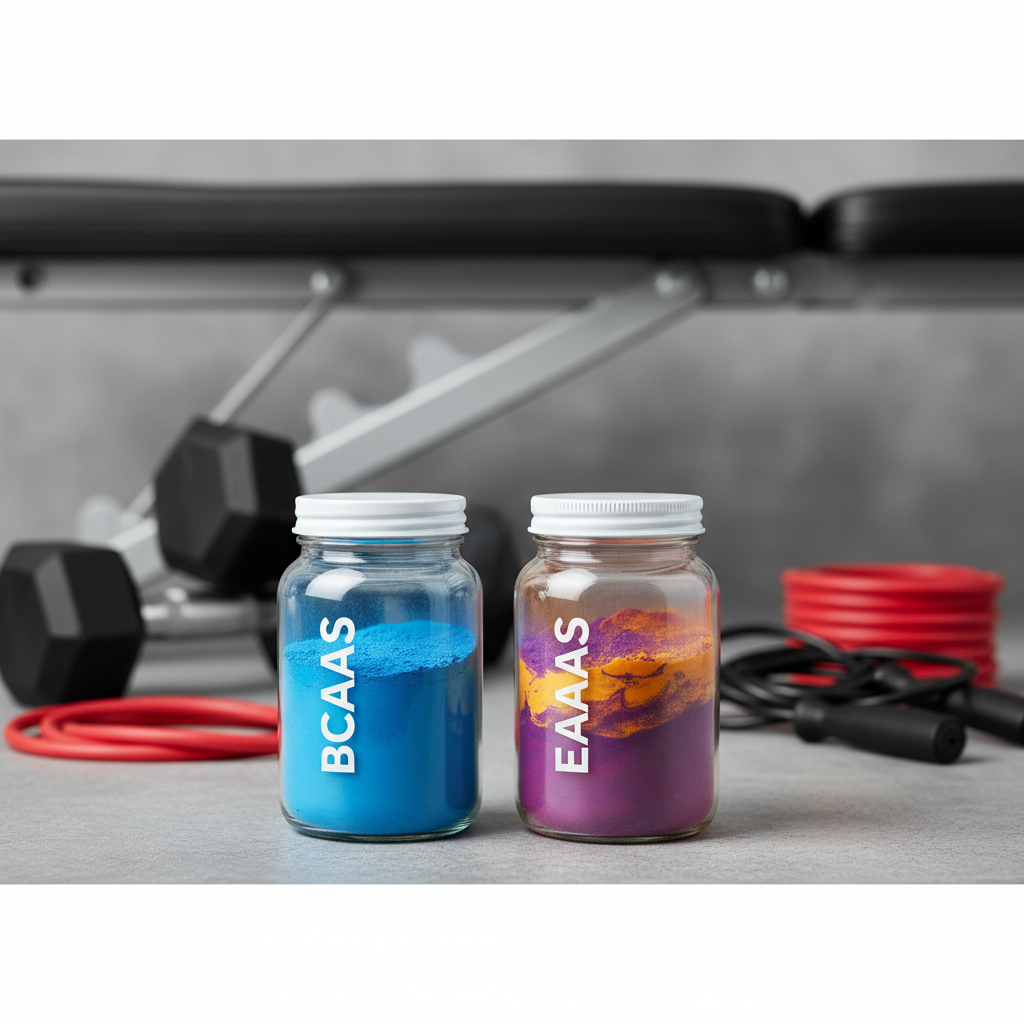
When navigating the world of dietary supplements for muscle growth, recovery, and performance, two acronyms frequently surface: BCAAs and EAAs. While often discussed in similar contexts, understanding the fundamental differences between branched-chain amino acids (BCAAs) and essential amino acids (EAAs) is paramount for making an informed decision about which supplement, if any, aligns best with your fitness objectives. In essence, all BCAAs are EAAs, but not all EAAs are BCAAs. EAAs represent the complete spectrum of amino acids your body cannot produce on its own and must obtain from diet, making them the fundamental building blocks for all protein synthesis. BCAAs, a specific subgroup of three EAAs, are particularly recognized for their unique metabolic pathway and direct signaling roles in muscle protein synthesis, though they cannot sustain this process alone without the presence of other essential amino acids.
What Each Is and How It Works
To truly grasp the BCAA vs EAA debate, we must first define what each entails and their respective roles in human physiology.
Essential Amino Acids (EAAs)
Amino acids are the fundamental building blocks of proteins, which are vital for virtually every biological process in the body, including muscle growth, enzyme production, hormone synthesis, and tissue repair. Of the 20 common amino acids, nine are classified as essential because the human body cannot synthesize them; they must be acquired through diet. These nine EAAs are: histidine, isoleucine, leucine, lysine, methionine, phenylalanine, threonine, tryptophan, and valine.
When you consume protein, it is broken down into individual amino acids, which are then reassembled by your body to create new proteins. For this process, known as muscle protein synthesis (MPS), to occur optimally and continuously, all nine EAAs must be present in sufficient quantities. If even one EAA is missing or in short supply, the rate of protein synthesis can be limited, much like a factory assembly line halting if a crucial part is unavailable. Therefore, EAAs are critical for maintaining a positive nitrogen balance and supporting overall bodily functions beyond just muscle repair.
Branched-Chain Amino Acids (BCAAs)
BCAAs are a specific subgroup of three essential amino acids: leucine, isoleucine, and valine. They are uniquely named for their branched molecular structure. What sets BCAAs apart from other amino acids is their metabolism. Unlike most amino acids, which are primarily metabolized in the liver, BCAAs are largely metabolized directly in skeletal muscle. This unique metabolic pathway allows them to be quickly utilized by muscles for energy or for protein synthesis.
Among the BCAAs, leucine is often highlighted as the most critical. Leucine acts as a potent signaling molecule, directly activating the mTOR (mammalian target of rapamycin) pathway, which is a key regulator of muscle protein synthesis. While leucine can initiate the MPS process, it cannot sustain it alone. Isoleucine and valine also play important roles, with isoleucine potentially aiding glucose uptake into cells and valine contributing to muscle growth and energy production, though their signaling roles are less pronounced than leucine's.
Evidence by Outcome
The scientific literature offers insights into the specific benefits and limitations of BCAA and EAA supplementation across various outcomes.
Muscle Protein Synthesis (MPS) and Growth
The primary goal for many individuals supplementing with amino acids is to enhance muscle protein synthesis and, consequently, muscle growth. Research consistently shows that a complete profile of all nine EAAs is necessary to maximize and sustain MPS. While BCAAs, particularly leucine, are excellent at initiating the MPS pathway, they cannot provide all the necessary building blocks. Think of it like this: leucine is the 'on' switch for the factory (MPS), but without all the other parts (the remaining EAAs), the factory can't produce a complete product (new muscle protein).
Studies comparing EAA supplementation to BCAA supplementation often demonstrate that EAAs lead to a greater net protein balance and a more robust and prolonged increase in MPS. For example, a study might show that while BCAAs can acutely stimulate MPS, the effect is transient and less pronounced than when a full EAA profile is provided. Therefore, for optimal muscle building and repair, ensuring adequate intake of all EAAs, either through whole food protein or an EAA supplement, is generally considered superior to BCAAs alone.
Muscle Soreness and Recovery
BCAAs have gained popularity for their potential role in reducing delayed onset muscle soreness (DOMS) and improving recovery after intense exercise. Some studies suggest that BCAA supplementation may help reduce muscle damage markers, decrease perceived muscle soreness, and accelerate recovery of muscle function. This effect is thought to be partly due to BCAAs' ability to reduce protein breakdown during exercise and potentially influence central fatigue mechanisms.
However, the evidence is somewhat mixed, with some studies showing significant benefits and others finding no substantial difference compared to placebo or other protein sources. It's important to note that if an individual's diet already provides sufficient complete protein, the additional benefit of isolated BCAA supplementation for recovery might be minimal. EAAs, by supporting overall protein synthesis and repair, also contribute to recovery, but BCAAs have a more direct focus in the research on soreness reduction.
Performance and Fatigue
The role of BCAAs in enhancing exercise performance, particularly endurance, has been investigated. The 'central fatigue hypothesis' suggests that during prolonged exercise, tryptophan levels in the brain increase, leading to higher serotonin production, which can contribute to feelings of fatigue. BCAAs compete with tryptophan for entry into the brain, potentially reducing serotonin levels and delaying fatigue. While some preliminary studies have shown promise, robust human evidence for significant performance enhancement in well-fed athletes is limited. For EAAs, their contribution to performance is more indirect, by supporting overall muscle health and recovery, which in turn can aid consistent training.
Weight Management and Fat Loss
BCAAs are sometimes marketed for their potential role in weight management, particularly in preserving lean muscle mass during caloric restriction. While maintaining muscle mass is crucial during fat loss, and adequate protein intake (including EAAs) is essential for this, the specific role of isolated BCAA supplementation beyond a high-protein diet is not strongly supported by current evidence. High protein intake generally promotes satiety and helps preserve muscle, and EAAs contribute to this more comprehensively than BCAAs alone.
Bioavailability and Dose-Form
The effectiveness of any supplement is influenced by how well the body can absorb and utilize its active compounds. Amino acids, whether BCAAs or EAAs, are typically available in free-form, meaning they are not bound into larger protein structures. This allows for rapid digestion and absorption compared to whole food proteins, which require enzymatic breakdown.
Absorption and Timing
Free-form amino acids are absorbed quickly into the bloodstream, making them ideal for peri-workout (before, during, or after exercise) consumption when rapid delivery to muscles is desired. The peak blood levels of amino acids typically occur within 30-60 minutes after ingestion.
Dosing Recommendations
- BCAAs: A common recommended dose for BCAAs is 5-10 grams per serving, often with a leucine-dominant ratio (e.g., 2:1:1 or 4:1:1 leucine:isoleucine:valine). The higher leucine content is aimed at maximizing the mTOR signaling pathway. Doses can be taken before, during, or after workouts, or between meals. For a quality BCAA supplement, look for clear labeling of these ratios.
- EAAs: For EAAs, doses typically range from 6-10 grams per serving, ensuring a balanced profile of all nine essential amino acids. The specific ratios are often designed to mimic those found in high-quality complete proteins. Similar to BCAAs, EAAs can be consumed peri-workout or at other times to boost overall protein intake and MPS. When considering an EAA supplement, ensure it lists all nine essential amino acids.
Forms
Both BCAAs and EAAs are commonly available as powders, which can be mixed with water or other beverages, and as capsules or tablets. Powders often offer more flexibility in dosing and can be consumed during exercise more easily. Capsules provide convenience for on-the-go use.
Safety and Interactions
For most healthy individuals, BCAA and EAA supplements are generally considered safe when consumed at recommended dosages. However, like all supplements, there are potential considerations.
Potential Side Effects
The most common side effects, though rare, are mild gastrointestinal discomfort, such as nausea or stomach upset, especially with very high doses or if consumed on an empty stomach. Some individuals might experience headaches or fatigue, though these are not widely reported.
Interactions with Medications and Conditions
- Kidney or Liver Disease: Individuals with pre-existing kidney or liver conditions should exercise caution and consult a healthcare professional before taking amino acid supplements. The body's ability to process and excrete excess amino acids might be impaired, potentially exacerbating these conditions.
- Diabetes: While some research suggests BCAAs may influence insulin sensitivity, the evidence is complex and not fully conclusive. Individuals with diabetes should monitor blood sugar levels closely and consult their doctor.
- Pregnancy and Breastfeeding: There is insufficient research on the safety of BCAA and EAA supplementation during pregnancy and breastfeeding. It is generally advised to avoid these supplements during these periods unless specifically recommended by a healthcare provider.
- Specific Disorders: Individuals with rare metabolic disorders affecting amino acid metabolism (e.g., Maple Syrup Urine Disease) must strictly avoid BCAA supplementation.
Always adhere to the manufacturer's recommended serving sizes and consult with a healthcare professional, especially if you have underlying health conditions or are taking medications.
Who Should Pick Which
The choice between BCAAs and EAAs largely depends on individual dietary habits, training goals, and overall protein intake.
Choose EAAs If:
- Your primary goal is maximal muscle protein synthesis and growth: EAAs provide all the necessary building blocks to initiate and sustain MPS, leading to a more complete and effective anabolic response.
- Your dietary protein intake is inconsistent or insufficient: If you struggle to consume enough complete protein from whole food sources throughout the day, an EAA supplement can help fill nutritional gaps and ensure you're getting all essential amino acids.
- You want comprehensive recovery: By supporting overall protein repair and synthesis, EAAs contribute to more holistic recovery from intense training.
- You are in a caloric deficit: EAAs can help preserve lean muscle mass during periods of weight loss by providing essential building blocks without significant calories.
Choose BCAAs If:
- Your dietary protein intake is already high and consistent: If you're consistently consuming ample complete protein (e.g., whey, casein, meat, eggs) throughout the day, your body is likely already receiving sufficient EAAs. In this scenario, additional BCAAs might offer a targeted boost to leucine signaling or help reduce fatigue.
- You are looking for specific benefits during prolonged exercise: Some individuals find BCAAs helpful for reducing perceived exertion, delaying fatigue, or mitigating muscle soreness during very long or intense training sessions, particularly in a fasted state or during endurance events.
- You prefer a lower calorie option for intra-workout support: BCAAs offer a way to provide some muscle support during exercise without adding significant calories or digestive burden.
It's important to reiterate that BCAAs are a subset of EAAs. Therefore, if you choose an EAA supplement, you are by default also getting BCAAs along with the other six essential amino acids. For most individuals focused on muscle building and overall health, a full EAA supplement or adequate complete protein intake from food is generally the more comprehensive and effective choice.
Practical Buying Notes
When you decide to purchase either a BCAA or EAA supplement, several factors should guide your choice to ensure you're getting a high-quality product that meets your needs.
Third-Party Testing and Quality Assurance
Look for supplements that have undergone third-party testing from reputable organizations (e.g., NSF Certified for Sport, Informed-Sport, USP). These certifications indicate that the product has been tested for purity, potency, and absence of banned substances, which is crucial for athletes and anyone concerned about product integrity.
Ingredient Transparency
Check the ingredient list carefully. For EAAs, ensure all nine essential amino acids are listed. For BCAAs, verify the leucine:isoleucine:valine ratio. Be wary of proprietary blends that don't disclose the exact amounts of each amino acid, as this makes it difficult to assess efficacy and value. Also, look out for unnecessary fillers, artificial colors, or excessive artificial sweeteners if you prefer a cleaner product.
Formulation and Additives
Some BCAA and EAA supplements include additional ingredients like electrolytes for hydration, L-glutamine for recovery, or citrulline malate for performance. While these can be beneficial, ensure they align with your specific goals and that you're not paying extra for ingredients you don't need or are already getting elsewhere. Consider unflavored options if you want to mix them into other beverages or prefer to avoid sweeteners.
Taste and Mixability
Amino acid powders can sometimes have a distinct, slightly bitter taste. Manufacturers often use flavorings and sweeteners to make them more palatable. Read reviews regarding taste and mixability, as a product that tastes good and dissolves well is more likely to be consumed consistently. Many brands offer sample sizes or smaller tubs to try before committing to a larger purchase.
Cost-Effectiveness
Compare the cost per serving across different brands. While price shouldn't be the sole determinant, ensure you're getting good value for your money. Sometimes, a slightly more expensive product with third-party testing and a transparent, high-quality ingredient profile is a better investment than a cheaper, less reliable option. Consider the overall cost versus the benefits you expect to receive, especially in relation to your whole food protein intake.