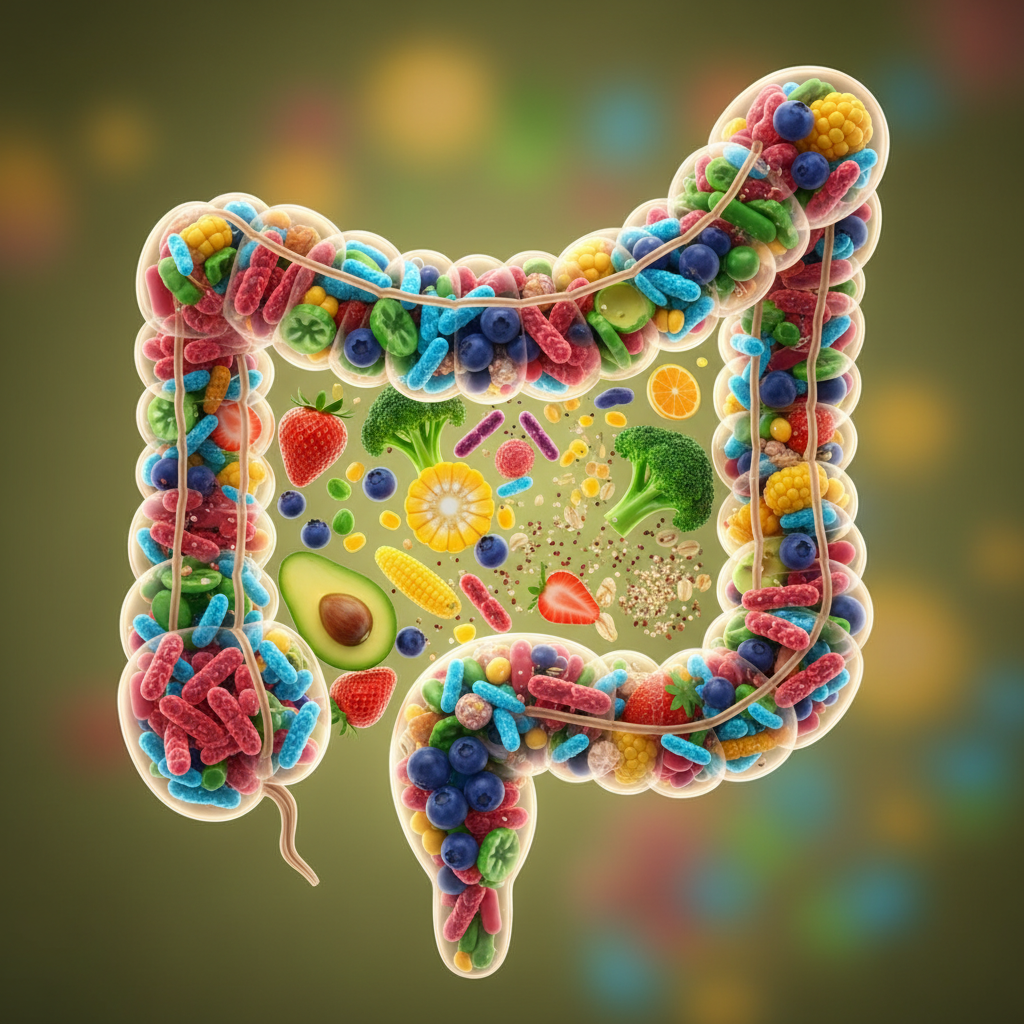
Improving gut health is a multifaceted journey that involves conscious dietary choices, lifestyle adjustments, and sometimes targeted supplementation. A healthy gut is fundamental to overall well-being, influencing everything from digestion and nutrient absorption to immune function and even mood. By understanding the intricate ecosystem within your digestive tract and implementing evidence-backed strategies, you can foster a thriving gut microbiome and alleviate common digestive discomforts, leading to enhanced vitality and resilience.
Understanding Gut Health: What is it and Why Does it Matter?
Gut health refers to the optimal functioning of the gastrointestinal (GI) tract, encompassing the esophagus, stomach, small intestine, and large intestine. It's not just about digestion; a healthy gut is characterized by a balanced microbiome (the community of microorganisms living in your intestines), a strong gut barrier, and efficient nutrient absorption. When your gut is healthy, it effectively breaks down food, absorbs essential vitamins and minerals, and eliminates waste products. Beyond these primary functions, the gut plays a crucial role in immune system regulation, as a significant portion of the body's immune cells reside in the gut-associated lymphoid tissue (GALT).
Furthermore, the gut is often referred to as the 'second brain' due to its extensive network of neurons, known as the enteric nervous system (ENS), which communicates bidirectionally with the brain via the gut-brain axis. This connection means that gut health can profoundly impact mental health, mood, and cognitive function. Imbalances in gut bacteria or inflammation in the gut lining have been associated with various systemic issues, including autoimmune conditions, skin problems, and even metabolic disorders. Therefore, nurturing your gut health is a holistic approach to supporting nearly every system in your body.
The Gut Microbiome: Your Inner Ecosystem
At the heart of gut health lies the gut microbiome – a complex and dynamic community of trillions of bacteria, viruses, fungi, and other microorganisms. While some microbes can be harmful, the vast majority are beneficial or commensal, meaning they coexist peacefully with us. A diverse and balanced microbiome is key to a healthy gut. These microorganisms perform numerous vital functions:
- Digestion and Nutrient Absorption: Gut bacteria help ferment indigestible fibers, producing short-chain fatty acids (SCFAs) like butyrate, acetate, and propionate. SCFAs are a primary energy source for colon cells, support gut barrier integrity, and have systemic anti-inflammatory effects. They also aid in the synthesis of certain vitamins, such as K and some B vitamins.
- Immune System Modulation: The gut microbiome trains and modulates the immune system, helping it distinguish between harmful pathogens and harmless substances. A healthy microbiome can reduce the risk of allergies and autoimmune conditions.
- Protection Against Pathogens: Beneficial bacteria compete with harmful pathogens for space and nutrients, preventing their overgrowth and colonization.
- Metabolism and Weight Management: The composition of the gut microbiome has been linked to metabolic health, influencing how the body stores fat, balances blood sugar, and responds to insulin.
- Brain Function and Mood: Through the gut-brain axis, the microbiome influences neurotransmitter production (like serotonin, much of which is produced in the gut), stress response, and overall brain health.
Factors like diet, lifestyle, antibiotic use, stress, and environmental exposures can significantly impact the composition and diversity of your gut microbiome. Maintaining a rich and varied microbial community is a cornerstone of improving gut health.
Dietary Strategies for a Healthy Gut
What you eat is arguably the most powerful lever you have for influencing your gut health. A diet rich in whole, unprocessed foods provides the necessary fuel and building blocks for a thriving microbiome and a strong gut lining.
Fiber: The Fuel for Your Microbiome
Fiber is the cornerstone of a gut-healthy diet. It's the indigestible part of plant foods that passes through the digestive system largely intact until it reaches the large intestine, where it becomes a feast for your beneficial gut bacteria. There are two main types of fiber:
- Soluble Fiber: Dissolves in water to form a gel-like substance. It can help lower cholesterol and blood sugar levels. Good sources include oats, barley, nuts, seeds, beans, lentils, and many fruits and vegetables.
- Insoluble Fiber: Does not dissolve in water and adds bulk to stool, helping food pass more quickly through the stomach and intestines. Good sources include whole wheat flour, wheat bran, nuts, beans, and vegetables like cauliflower, green beans, and potatoes.
Aim for a diverse intake of both types of fiber. Gradually increase your fiber intake to avoid digestive upset, and ensure you drink plenty of water to help fiber move through your system. Excellent sources include a wide variety of fruits (berries, apples, pears), vegetables (broccoli, spinach, carrots, sweet potatoes), legumes (beans, lentils, chickpeas), and whole grains (oats, quinoa, brown rice).
Fermented Foods: Natural Probiotics
Fermented foods are a natural source of beneficial bacteria (probiotics) that can help populate your gut with diverse microorganisms. These foods undergo a process where microorganisms convert carbohydrates into alcohol or organic acids, preserving the food and often enhancing its nutritional value.
- Yogurt and Kefir: Dairy products fermented with live active cultures. Opt for plain, unsweetened varieties to avoid added sugars.
- Sauerkraut and Kimchi: Fermented cabbage dishes rich in probiotics and vitamins. Look for unpasteurized versions, as pasteurization kills beneficial bacteria.
- Kombucha: A fermented tea beverage. While it contains probiotics, sugar content can vary, so choose wisely.
- Tempeh and Miso: Fermented soybean products. Tempeh is a good source of protein and fiber, while miso is a flavorful paste used in soups and dressings.
Incorporating a variety of these foods into your diet can introduce new strains of beneficial bacteria and contribute to a more diverse microbiome.
Prebiotic Foods: Feeding the Good Bacteria
Prebiotics are specialized plant fibers that act as food for the beneficial bacteria already residing in your gut. They are non-digestible compounds that selectively stimulate the growth and activity of health-promoting microorganisms. Think of them as fertilizer for your gut garden.
Excellent sources of prebiotics include:
- Garlic and Onions: Rich in inulin and fructooligosaccharides (FOS).
- Leeks and Asparagus: Also good sources of inulin.
- Bananas: Especially slightly green ones, contain resistant starch.
- Oats and Barley: Contain beta-glucan, a type of soluble fiber with prebiotic properties.
- Chicory Root: A concentrated source of inulin, often used in supplements.
- Apples: Contain pectin, a prebiotic fiber.
Combining prebiotic-rich foods with probiotic-rich foods creates a synergistic effect, often referred to as a 'synbiotic' approach, further supporting gut health.
Foods to Limit or Avoid
Just as important as what you eat is what you limit or avoid. Certain foods can negatively impact the gut microbiome and compromise gut barrier integrity:
- Processed Foods: Often high in unhealthy fats, added sugars, and artificial ingredients, which can promote the growth of less beneficial bacteria and contribute to inflammation.
- Added Sugars and Artificial Sweeteners: Excessive sugar can feed harmful bacteria and yeasts, while some artificial sweeteners have been shown in preliminary studies to negatively alter the gut microbiome.
- Excessive Alcohol: Can irritate the gut lining, disrupt the microbiome, and impair nutrient absorption.
- Unhealthy Fats: Trans fats and excessive saturated fats found in fried foods and some processed snacks can promote inflammation.
- Certain Medications: While sometimes necessary, antibiotics can indiscriminately kill both good and bad bacteria, disrupting the microbiome. Proton pump inhibitors (PPIs) can also alter gut flora. Discuss medication concerns with your doctor.
Lifestyle Factors Influencing Gut Health
Diet is crucial, but it's not the only player. Your daily habits and environment profoundly impact your gut health.
Stress Management
The gut-brain axis means that stress directly impacts your digestive system. Chronic stress can alter gut motility, increase gut permeability (leading to 'leaky gut'), and shift the balance of your gut microbiome. Hormones released during stress can influence the growth of certain bacteria. Implementing stress-reducing practices is vital:
- Mindfulness and Meditation: Regular practice can calm the nervous system.
- Yoga and Deep Breathing: Promote relaxation and activate the parasympathetic 'rest and digest' system.
- Spending Time in Nature: Can reduce stress hormones and improve mood.
- Hobbies and Social Connection: Engage in activities that bring you joy and foster positive relationships.
Prioritizing mental well-being is a powerful, often overlooked, strategy for improving gut health.
Sleep Quality
Adequate, restorative sleep is essential for overall health, including gut health. Sleep deprivation can disrupt the circadian rhythm, which in turn can negatively affect the gut microbiome and gut barrier function. Studies suggest that irregular sleep patterns can lead to changes in gut bacterial composition. Aim for 7-9 hours of quality sleep per night. Establish a consistent sleep schedule, create a relaxing bedtime routine, and optimize your sleep environment to support deep rest.
Physical Activity
Regular exercise has been shown to positively influence the diversity and composition of the gut microbiome. Physical activity can increase beneficial bacteria, improve gut motility, and reduce inflammation. It also helps manage stress, further benefiting the gut. Aim for at least 150 minutes of moderate-intensity aerobic activity or 75 minutes of vigorous-intensity activity per week, along with strength training. Find an activity you enjoy to make it sustainable, whether it's walking, cycling, swimming, or dancing.
Targeted Supplementation: Probiotics and Prebiotics
While a whole-food diet and healthy lifestyle are the foundation, certain supplements can offer targeted support for gut health, especially when dietary intake is insufficient or after disruptions like antibiotic use.
Probiotics: Live Beneficial Microorganisms
Probiotic supplements contain live microorganisms, typically bacteria or yeasts, that, when administered in adequate amounts, confer a health benefit on the host. They are designed to introduce or replenish beneficial bacteria in the gut. Different strains of probiotics have different effects, so choosing the right one for your specific needs is important.
- Common Strains: Lactobacillus and Bifidobacterium are two of the most common genera found in probiotic supplements. Specific species and strains (e.g., Lactobacillus acidophilus, Bifidobacterium lactis) are often studied for particular benefits.
- Potential Benefits: Probiotics are studied for their potential to support digestive comfort, reduce occasional gas and bloating, support immune function, and help restore gut flora balance after antibiotic use. Some preliminary evidence suggests certain strains may influence mood via the gut-brain axis.
- Dosing: Doses are typically measured in Colony Forming Units (CFUs), ranging from billions to hundreds of billions. The effective dose varies by strain and intended use.
- Considerations: Look for supplements with multiple well-researched strains and a guaranteed CFU count at the time of expiration. Always consult a healthcare professional before starting any new supplement, especially if you have underlying health conditions. You can explore high-quality options at dietarysupplement.ai/products/probiotic-supplement.
Prebiotics: Non-Digestible Food Components
Prebiotic supplements contain concentrated forms of the fibers that feed beneficial gut bacteria. Common prebiotic ingredients include inulin, fructooligosaccharides (FOS), galactooligosaccharides (GOS), and resistant starch.
- Potential Benefits: Prebiotic supplements can help increase the growth and activity of beneficial bacteria, leading to increased production of beneficial SCFAs. They may support regularity and overall digestive health.
- Dosing: Doses vary, but starting with a small amount and gradually increasing can help prevent gas and bloating, which can occur as your gut bacteria adjust.
- Considerations: Prebiotics can cause digestive discomfort in some individuals, especially those with IBS or FODMAP sensitivities. It's often best to get prebiotics from whole foods first.
Other Supplements for Gut Support
Beyond probiotics and prebiotics, other supplements are sometimes used to support gut health, though evidence for their widespread use varies:
- L-Glutamine: An amino acid that is a primary fuel source for intestinal cells and may support the integrity of the gut lining.
- Digestive Enzymes: Can help break down food more efficiently, potentially reducing digestive discomfort, especially for those with enzyme deficiencies.
- Omega-3 Fatty Acids: Known for their anti-inflammatory properties, which may benefit gut health by reducing gut inflammation.
- Collagen: Some theories suggest collagen may help strengthen the gut lining, though robust human evidence is still emerging.
Remember that supplements are meant to complement, not replace, a healthy diet and lifestyle. Always prioritize whole foods and consult with a healthcare provider before adding new supplements to your regimen.
When to Talk to a Clinician
While many gut health issues can be improved through diet and lifestyle changes, it's important to know when to seek professional medical advice. Consult a doctor or registered dietitian if you experience persistent or severe digestive symptoms, such as:
- Chronic abdominal pain, cramping, or bloating
- Persistent diarrhea or constipation
- Unexplained weight loss
- Blood in your stool or black, tarry stools
- Difficulty swallowing
- Frequent nausea or vomiting
- Symptoms that significantly impact your quality of life
These symptoms could indicate an underlying medical condition, such as Irritable Bowel Syndrome (IBS), Inflammatory Bowel Disease (IBD), celiac disease, or other gastrointestinal disorders that require specific diagnosis and treatment. A healthcare professional can provide an accurate diagnosis, rule out serious conditions, and offer personalized guidance on managing your gut health effectively and safely.
In conclusion, improving gut health is a journey that integrates mindful eating, stress reduction, adequate sleep, regular exercise, and, when appropriate, targeted supplementation. By nurturing your gut microbiome and supporting the integrity of your digestive system, you lay a strong foundation for overall health and well-being.