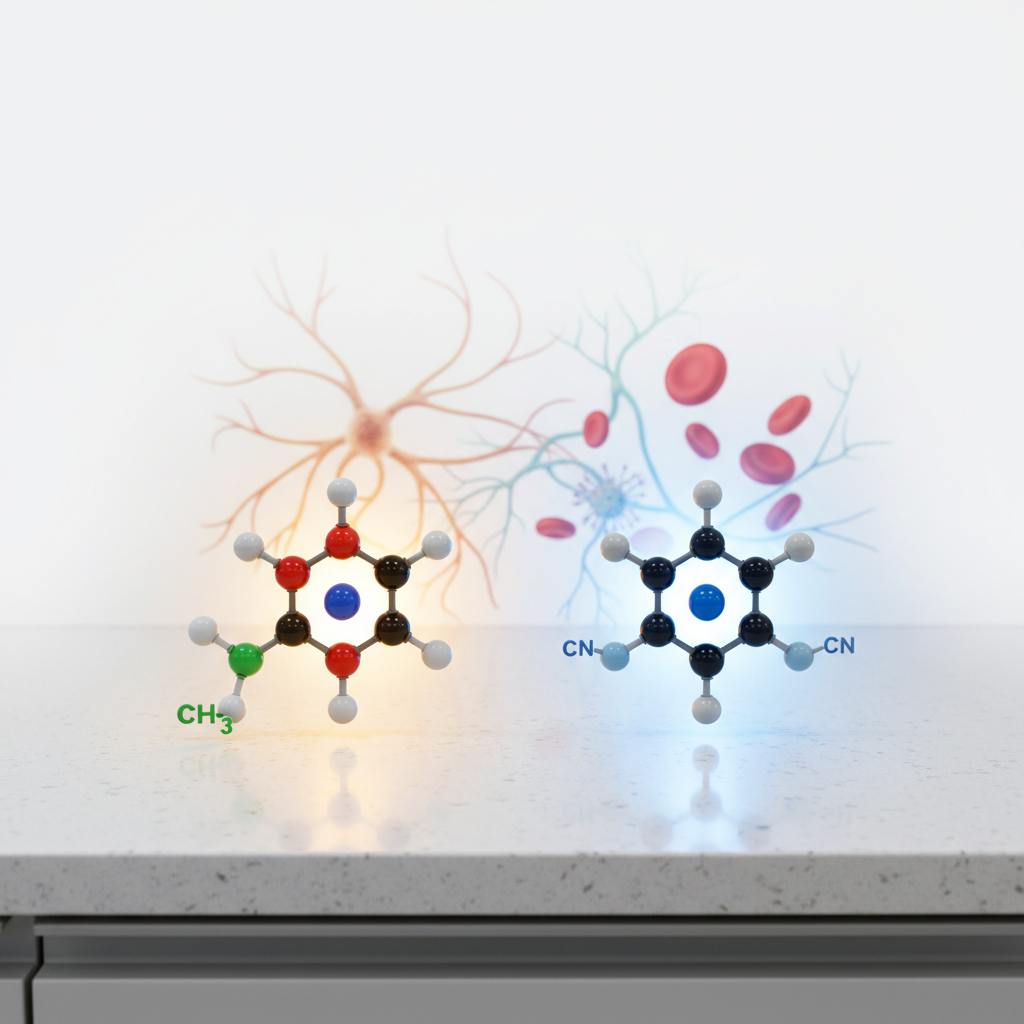
Methylcobalamin and cyanocobalamin are the two most common forms of vitamin B12 found in dietary supplements, and while both effectively address B12 deficiency, they differ significantly in their chemical structure, metabolic pathways, and specific applications. Understanding these distinctions is crucial for making an informed choice about which form of this essential nutrient is best suited for your individual health requirements. This article will break down the science behind each form, examine their respective benefits, and guide you through practical considerations for supplementation.
Understanding Vitamin B12: Methylcobalamin and Cyanocobalamin
Vitamin B12, also known as cobalamin, is a water-soluble vitamin vital for numerous bodily functions, including nerve tissue health, brain function, and the production of red blood cells. It plays a crucial role in DNA synthesis and regulation, as well as in fatty acid and amino acid metabolism. Without adequate vitamin B12, individuals can experience fatigue, weakness, nerve damage, and cognitive issues. The body cannot produce vitamin B12, so it must be obtained through diet or supplementation.
Methylcobalamin: The Active Coenzyme Form
Methylcobalamin is one of the two active coenzyme forms of vitamin B12 found naturally in the human body, the other being adenosylcobalamin. It is directly involved in the methylation cycle, a fundamental biochemical process that supports detoxification, neurotransmitter synthesis, and the conversion of homocysteine to methionine. Because it is already in an active form, methylcobalamin does not require metabolic conversion before the body can utilize it. This direct usability is often highlighted as a key advantage, particularly for individuals with genetic variations that might impair B12 conversion.
Cyanocobalamin: The Stable, Synthetic Form
Cyanocobalamin is a synthetic form of vitamin B12 that is not found naturally in significant amounts in the human body. It is created by attaching a cyanide molecule to the cobalamin structure. While the presence of cyanide might sound alarming, the amount is minuscule and generally considered harmless at typical supplement doses, as the body efficiently detoxifies and excretes it. Cyanocobalamin is widely used in supplements and fortified foods due to its exceptional stability, cost-effectiveness, and long shelf life. However, for the body to use cyanocobalamin, it must first undergo a conversion process to remove the cyanide group and then be transformed into either methylcobalamin or adenosylcobalamin.
Metabolic Pathways and Bioavailability Differences
The primary distinction between methylcobalamin and cyanocobalamin lies in their metabolic fate once ingested. Understanding these pathways helps explain why one form might be preferred over the other in certain situations.
Cyanocobalamin's Conversion Process
When cyanocobalamin is absorbed, it travels to the liver where the cyanide molecule is removed and detoxified. The remaining cobalamin is then converted into the active forms, primarily methylcobalamin and adenosylcobalamin. This conversion process requires specific enzymes and can be less efficient in some individuals, particularly those with certain genetic polymorphisms (e.g., MTHFR gene variations), kidney impairment, or liver issues. While generally effective for most people, the extra metabolic step means it's not directly ready for immediate cellular use.
Methylcobalamin's Direct Utilization
Methylcobalamin, being an active coenzyme, bypasses the conversion steps required by cyanocobalamin. Once absorbed, it is directly available for use in the cytoplasm, where it participates in the methionine synthase pathway. This pathway is critical for converting homocysteine into methionine, which is then used to produce S-adenosylmethionine (SAMe), a universal methyl donor involved in hundreds of biochemical reactions. This direct route may offer advantages for individuals whose bodies struggle with the conversion process or who have higher demands for methylation support.
Bioavailability Considerations
The term bioavailability refers to the proportion of a drug or other substance which enters the circulation when introduced into the body and is able to have an active effect. For vitamin B12, both oral and sublingual forms of methylcobalamin and cyanocobalamin have demonstrated good bioavailability, particularly in individuals with sufficient intrinsic factor. Studies comparing the two forms often show similar efficacy in raising overall B12 levels in the blood for individuals with deficiency. However, some research suggests that methylcobalamin might be retained in tissues, particularly nerve tissue, more effectively than cyanocobalamin, potentially leading to more sustained benefits in specific areas.
Clinical Evidence and Specific Applications
While both forms of B12 are effective in treating and preventing general deficiency, some evidence suggests potential differences in their clinical applications, particularly concerning neurological health and specific metabolic conditions.
General B12 Deficiency
For the vast majority of people with a vitamin B12 deficiency, both methylcobalamin and cyanocobalamin supplements are highly effective. Numerous studies have shown that oral cyanocobalamin, even in high doses, can successfully replete B12 stores and alleviate symptoms of deficiency. Similarly, methylcobalamin has been shown to be effective in various forms, including sublingual and injectable, for addressing deficiency.
Neurological Health
Methylcobalamin has garnered particular attention for its potential role in neurological health. Some clinical trials and observational studies suggest that methylcobalamin may have superior neuroprotective and neuroregenerative properties compared to cyanocobalamin. It is often the preferred form for individuals experiencing neuropathic pain, nerve damage, or certain neurodegenerative conditions, although robust, large-scale human trials are still needed to definitively establish its superiority in all neurological contexts. The direct involvement of methylcobalamin in myelin sheath formation and nerve repair mechanisms is often cited as the reason for this potential advantage.
Methylation Support and Homocysteine Levels
Given methylcobalamin's direct role in the methylation cycle, it is often considered beneficial for individuals looking to support healthy methylation or reduce elevated homocysteine levels. High homocysteine is a risk factor for cardiovascular disease and may be indicative of impaired methylation. While cyanocobalamin also contributes to homocysteine reduction after conversion, methylcobalamin's direct action may offer a more efficient pathway for some individuals.
Specific Populations
- Vegans and Vegetarians: Both forms are suitable, as plant-based diets often lack sufficient B12.
- Elderly Individuals: Absorption of B12 can decrease with age. Both forms are effective, but methylcobalamin might be considered for its direct usability.
- Individuals with Kidney Disease: Some research suggests that methylcobalamin may be a safer option for those with kidney impairment, as the cyanide moiety in cyanocobalamin, though small, needs to be processed by the kidneys.
- Individuals with MTHFR Gene Polymorphisms: While the MTHFR gene primarily affects folate metabolism, individuals with certain genetic variations may have broader methylation challenges, making the directly active methylcobalamin an appealing choice.
Safety Profile, Dosage, and Potential Interactions
Vitamin B12, regardless of its form, is generally considered very safe, even at high doses, due to its water-soluble nature. Excess amounts are typically excreted in the urine. However, it's important to be aware of potential side effects, appropriate dosages, and interactions.
Safety and Side Effects
Side effects from B12 supplementation are rare and usually mild, including headaches, nausea, or mild diarrhea. Allergic reactions are extremely uncommon. The minute amount of cyanide in cyanocobalamin is not considered toxic at typical supplement doses, as the body's detoxification pathways can easily handle it. However, for individuals with severe kidney disease or those exposed to high levels of cyanide from other sources, methylcobalamin might be a more cautious choice.
Dosage Recommendations
The recommended daily allowance (RDA) for vitamin B12 for adults is 2.4 micrograms (mcg). However, therapeutic doses for treating deficiency or addressing specific health concerns can range from 500 mcg to 5000 mcg or even higher, often prescribed by a healthcare professional. Both methylcobalamin and cyanocobalamin are available in various dosages and forms, including oral tablets, sublingual lozenges, liquids, and injections. The optimal dosage depends on the individual's deficiency status, absorption capabilities, and specific health goals.
Potential Drug Interactions
Several medications can interfere with vitamin B12 absorption or metabolism, regardless of the form:
- Metformin: Commonly prescribed for type 2 diabetes, metformin can reduce B12 absorption.
- Proton Pump Inhibitors (PPIs) and H2 Blockers: Medications for acid reflux can decrease stomach acid, which is necessary for B12 release from food.
- Nitrous Oxide: This anesthetic can inactivate vitamin B12, potentially leading to deficiency with prolonged or repeated exposure.
- Antibiotics: Some antibiotics can interfere with gut bacteria that play a role in B12 absorption.
Always consult with a healthcare provider before starting any new supplement, especially if you are taking other medications.
Who Should Choose Which Form of B12?
The choice between methylcobalamin and cyanocobalamin often comes down to individual needs, health status, and personal preferences.
When to Consider Cyanocobalamin
- General B12 Deficiency: For most individuals without specific metabolic issues, cyanocobalamin is a highly effective and well-researched option for preventing and treating B12 deficiency.
- Cost-Effectiveness: Cyanocobalamin is generally less expensive than methylcobalamin, making it a more budget-friendly choice for long-term supplementation.
- Stability and Shelf Life: Its superior stability means it's less prone to degradation, ensuring consistent potency over time.
When to Consider Methylcobalamin
- Impaired Methylation: Individuals with genetic variations (e.g., MTHFR) or conditions affecting methylation may benefit from the directly active form.
- Neurological Conditions: For those experiencing nerve damage, neuropathic pain, or certain neurodegenerative issues, methylcobalamin is often preferred due to its potential neuroprotective properties.
- Kidney Impairment: To avoid any potential burden from the cyanide moiety, methylcobalamin may be a safer choice for individuals with compromised kidney function.
- Preference for "Natural" Forms: Some individuals prefer methylcobalamin because it is a naturally occurring, active form of the vitamin.
Practical Considerations for Supplement Selection
Beyond choosing between methylcobalamin and cyanocobalamin, several other factors should influence your supplement purchase.
Formulation and Delivery Method
Vitamin B12 supplements come in various forms:
- Oral Tablets/Capsules: Standard and convenient.
- Sublingual Lozenges/Liquids: Designed to dissolve under the tongue, allowing for direct absorption into the bloodstream, bypassing some digestive steps. This can be beneficial for those with absorption issues.
- Injections: Prescribed by a doctor for severe deficiencies or malabsorption conditions (e.g., pernicious anemia), offering the most direct and rapid delivery.
Consider which delivery method best suits your lifestyle and absorption needs.
Quality and Purity
Always choose supplements from reputable brands that adhere to good manufacturing practices (GMP). Look for products that have been third-party tested for purity and potency. This ensures that the supplement contains the stated amount of B12 and is free from contaminants.
Consulting a Healthcare Professional
Before starting any new supplement, especially if you have a pre-existing health condition, are pregnant or breastfeeding, or are taking other medications, it is always advisable to consult with a healthcare provider. They can help determine your B12 status, recommend the most appropriate form and dosage, and monitor your progress. This is particularly important for diagnosing and managing a true vitamin B12 deficiency, as symptoms can overlap with other conditions.
In conclusion, both methylcobalamin and cyanocobalamin are effective forms of vitamin B12, each with its own advantages. Cyanocobalamin is a stable, cost-effective choice for general deficiency, while methylcobalamin offers a directly active form that may be particularly beneficial for individuals with specific metabolic challenges or neurological concerns. Your personal health profile and a discussion with your doctor should ultimately guide your decision.