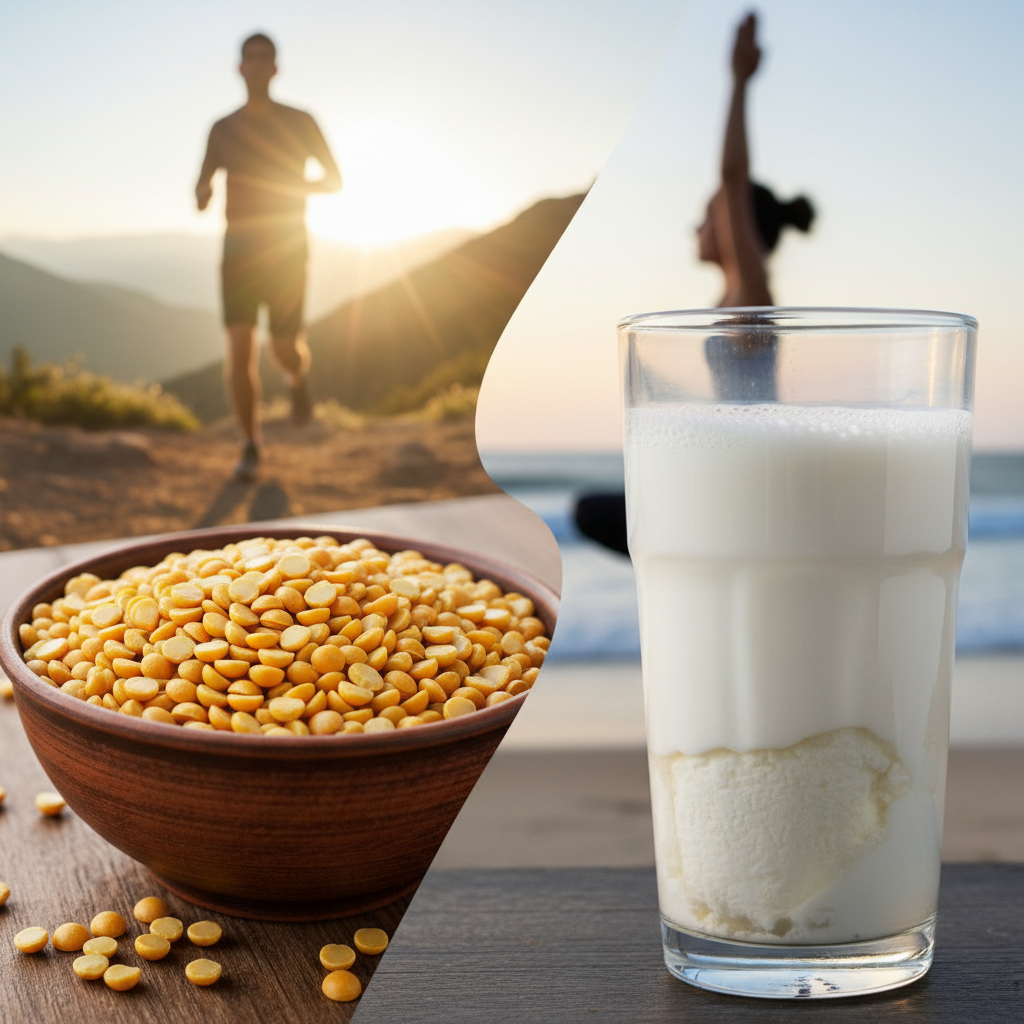
When it comes to supplementing your protein intake, two of the most popular options are pea protein and whey protein. Both are excellent sources of protein that can support muscle growth, recovery, and satiety, but they differ significantly in their origin, nutritional profile, absorption rates, and suitability for various dietary preferences. Understanding these distinctions is key to choosing the protein supplement that best aligns with your health objectives and lifestyle.
What Each Is and How It Works
To make an informed decision, it's essential to understand the fundamental characteristics of both pea and whey protein.
Whey Protein: The Dairy-Derived Powerhouse
Whey protein is a byproduct of cheese production, derived from milk. It is renowned for being a complete protein, meaning it contains all nine essential amino acids that the human body cannot produce on its own. Furthermore, whey is particularly rich in branched-chain amino acids (BCAAs), especially leucine, which plays a critical role in stimulating muscle protein synthesis (MPS).
- Whey Concentrate: Contains 70-80% protein, with varying amounts of fat and lactose. It's generally the most affordable form.
- Whey Isolate: Undergoes further processing to remove most of the fat and lactose, resulting in a product that is typically 90% or more protein. This makes it a good option for individuals with mild lactose intolerance.
- Whey Hydrolysate: Is pre-digested, meaning the protein chains are broken down into smaller peptides. This form is absorbed even more rapidly and may be easier on the digestive system for some, though it tends to be the most expensive.
The rapid digestion and high BCAA content of whey protein make it a popular choice for post-workout recovery, as it quickly delivers amino acids to muscles to initiate repair and growth.
Pea Protein: The Plant-Based Contender
Pea protein is extracted from yellow split peas and has emerged as a leading plant-based protein alternative. Like whey, pea protein is considered a complete protein, though its methionine content is typically lower than that of animal proteins. Many pea protein supplements are fortified with additional methionine or blended with other plant proteins (like rice protein) to ensure an optimal amino acid profile. It is naturally free from common allergens like dairy, soy, and gluten, making it an excellent choice for individuals with sensitivities or those following vegan diets.
Pea protein is digested at a moderate rate, slower than whey but faster than casein, providing a sustained release of amino acids. This makes it versatile for various times of day, not just immediately post-workout. Its neutral flavor profile also makes it easy to incorporate into a wide range of foods and beverages.
Evidence by Outcome: Muscle Growth, Weight Management, and More
Both pea and whey protein have been extensively studied for their roles in supporting various health and fitness outcomes. While their mechanisms differ slightly, both prove effective when integrated into a balanced diet and exercise regimen.
Muscle Growth and Recovery
For muscle protein synthesis (MPS), whey protein has long been considered the gold standard due to its rapid absorption and high leucine content. Studies consistently show that whey effectively stimulates MPS, leading to gains in muscle mass and strength when combined with resistance training. The quick influx of amino acids is particularly beneficial in the anabolic window following exercise.
However, research on pea protein has demonstrated comparable results. Several studies indicate that pea protein can be just as effective as whey protein in promoting muscle thickness and strength gains over time, especially when consumed in adequate doses. While its absorption might be slower, the sustained release of amino acids can still effectively support muscle repair and growth. The key appears to be total protein intake and consistent consumption, rather than solely relying on ultra-fast absorption.
Weight Management and Satiety
Both pea and whey protein can be valuable tools for weight management. Protein is known for its satiating effect, helping to reduce appetite and overall calorie intake. By promoting a feeling of fullness, both proteins can help individuals adhere to calorie-restricted diets and prevent overeating.
Whey protein has been shown to influence satiety hormones, contributing to reduced hunger. Pea protein also demonstrates strong satiety effects, with some research suggesting it can be equally effective as whey in promoting fullness and reducing subsequent food intake. This makes either option beneficial for those looking to manage their weight or reduce body fat while preserving lean muscle mass.
Other Health Benefits
Beyond muscle and weight, protein intake is crucial for overall health. Both pea and whey contribute to bone health, immune function, and the repair of body tissues. Whey protein contains immunoglobulins and lactoferrin, which may offer additional immune-supportive benefits. Pea protein, being plant-based, often comes with additional fiber and micronutrients from its source material, though these are typically minimal in highly purified protein powders.
Bioavailability and Dose-Form Considerations
Bioavailability refers to how well a nutrient is absorbed and utilized by the body. For proteins, this is often assessed by metrics like the Protein Digestibility Corrected Amino Acid Score (PDCAAS) or the Digestible Indispensable Amino Acid Score (DIAAS).
Amino Acid Profile and Digestibility
Whey protein typically boasts a PDCAAS of 1.0, indicating excellent digestibility and a complete amino acid profile that perfectly matches human needs. Its high concentration of BCAAs, particularly leucine, is a significant advantage for muscle synthesis.
Pea protein, while complete, traditionally had a slightly lower PDCAAS due to its lower methionine content. However, modern processing and the common practice of blending pea protein with other plant proteins (like rice protein, which is rich in methionine) or fortifying it, often bring its amino acid profile and PDCAAS score up to par with animal proteins. Its digestibility is generally very good, making it a highly effective protein source.
Absorption Rate and Timing
Whey protein is known for its rapid absorption, often referred to as a