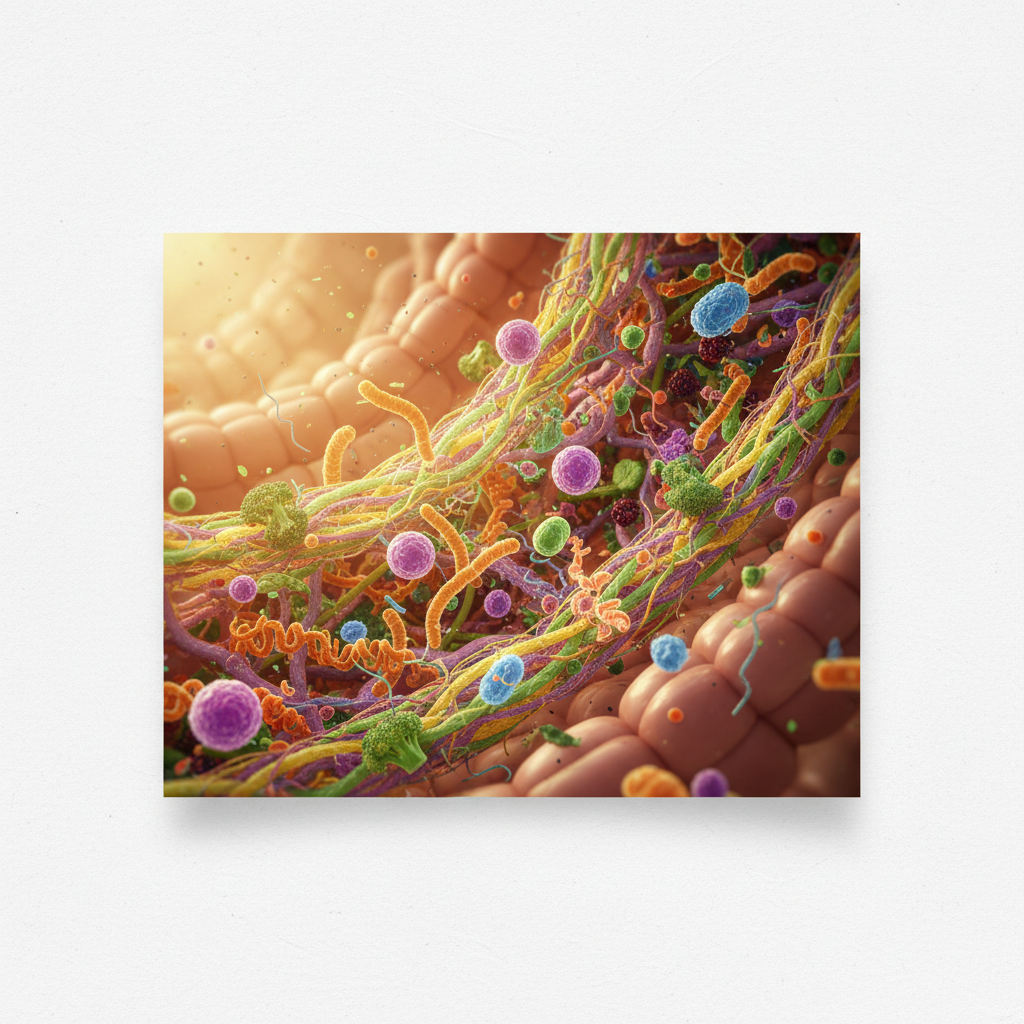
When navigating the world of gut health, the terms 'probiotic' and 'prebiotic' often arise, sometimes interchangeably, yet they represent distinct components with different roles. Simply put, probiotics are live beneficial bacteria and yeasts that you introduce into your body, while prebiotics are specialized plant fibers that act as food for the beneficial bacteria already living in your gut. Understanding this fundamental difference is crucial for making informed decisions about which, if any, supplement is right for your digestive health goals.
What Are Probiotics and How Do They Work?
Probiotics are defined as live microorganisms that, when administered in adequate amounts, confer a health benefit on the host. These 'good' bacteria and yeasts are similar to the beneficial microbes naturally found in your gut. The most common types found in supplements and fermented foods belong to the Lactobacillus and Bifidobacterium genera, though others like Saccharomyces boulardii (a yeast) are also used.
The primary mechanism by which probiotics exert their effects involves colonizing the digestive tract, thereby increasing the population of beneficial microbes. This can help to balance the gut microbiome, especially after disturbances such as antibiotic use or illness. Once established, probiotics can perform several functions:
- Competitive Exclusion: They compete with harmful bacteria for nutrients and attachment sites on the gut lining, effectively crowding out pathogens.
- Production of Beneficial Compounds: Many probiotic strains produce short-chain fatty acids (SCFAs) like butyrate, acetate, and propionate, which are vital energy sources for colon cells and play roles in immune regulation and gut barrier integrity. They can also produce vitamins (like B vitamins and vitamin K) and antimicrobial substances.
- Immune Modulation: Probiotics interact with the gut-associated lymphoid tissue (GALT), a significant part of the immune system, helping to regulate immune responses and potentially reduce inflammation.
- Digestive Support: Certain strains can aid in the digestion of lactose and other complex carbohydrates, potentially reducing symptoms of intolerance.
When considering a probiotic supplement, it's important to look for products that specify the strain (e.g., Lactobacillus acidophilus NCFM) rather than just the genus, as benefits are often strain-specific. For a comprehensive selection, explore probiotic supplements that are formulated for various needs.
What Are Prebiotics and How Do They Work?
In contrast to probiotics, prebiotics are non-digestible food ingredients that selectively stimulate the growth and activity of beneficial bacteria already residing in the colon. They are essentially a form of dietary fiber that passes through the upper digestive tract undigested, reaching the large intestine where they are fermented by gut microbes.
The most well-known prebiotics include:
- Fructans: Such as inulin and fructooligosaccharides (FOS), found in foods like chicory root, garlic, onions, leeks, and asparagus.
- Galactooligosaccharides (GOS): Found in legumes and some dairy products.
- Resistant Starch: Present in green bananas, oats, and cooked-then-cooled potatoes and rice.
When gut bacteria ferment prebiotics, they produce a range of beneficial compounds, most notably short-chain fatty acids (SCFAs). These SCFAs contribute to gut health by:
- Lowering Gut pH: Creating a slightly acidic environment that inhibits the growth of some harmful bacteria.
- Nourishing Colon Cells: Butyrate, in particular, is a primary fuel source for the cells lining the colon, supporting gut barrier function and reducing inflammation.
- Systemic Effects: SCFAs can influence metabolism, appetite regulation, and immune function beyond the gut.
Prebiotics also contribute to increased stool bulk and improved bowel regularity, similar to other forms of dietary fiber. They are naturally abundant in many plant-based foods, but concentrated forms are also available in prebiotic supplements for those looking to boost their intake.
Key Differences and Synergistic Effects
The core distinction is simple: probiotics introduce beneficial bacteria, while prebiotics feed the beneficial bacteria already present. Think of it this way: probiotics are like planting new seeds in a garden, and prebiotics are the fertilizer that helps those seeds, and existing plants, grow stronger.
Here's a quick comparison:
- Nature: Probiotics are live microorganisms; Prebiotics are non-digestible fibers.
- Function: Probiotics populate the gut; Prebiotics nourish existing gut bacteria.
- Source: Probiotics from fermented foods, supplements; Prebiotics from fibrous plants, supplements.
Interestingly, these two components are often more effective when used together. This combination is known as a synbiotic. Synbiotic products contain both probiotic strains and prebiotic fibers, designed to work synergistically. The prebiotic component can enhance the survival and growth of the probiotic strains as they pass through the digestive tract and once they reach the colon, potentially leading to more pronounced health benefits than either component alone.
Evidence by Outcome: What the Research Says
The scientific understanding of both probiotics and prebiotics is continually evolving, with a growing body of research exploring their potential health benefits.
Probiotics:
- Digestive Health: Robust evidence supports the use of specific probiotic strains for managing antibiotic-associated diarrhea and certain types of infectious diarrhea. Small trials also suggest benefits for symptoms of irritable bowel syndrome (IBS), though efficacy is highly strain-specific and results can vary.
- Immune Support: Preliminary evidence indicates that some probiotics may modulate immune responses, potentially reducing the incidence or duration of common colds and other respiratory infections. However, more large-scale human trials are needed to confirm these effects.
- Mental Health: The concept of the 'gut-brain axis' is a rapidly developing area. Some studies suggest that certain probiotics might influence mood and cognitive function, but this research is still in its early stages and not yet conclusive for clinical recommendations.
Prebiotics:
- Bowel Regularity: Prebiotics, being a type of fiber, are well-known for their ability to improve stool consistency and frequency, helping to alleviate constipation.
- Mineral Absorption: Some prebiotics, particularly inulin and FOS, have been shown in small studies to enhance the absorption of minerals like calcium and magnesium, especially in adolescents.
- Satiety and Weight Management: By influencing gut hormones and producing SCFAs, prebiotics may contribute to feelings of fullness and potentially play a role in appetite regulation, though this area requires more extensive research.
- Blood Sugar Regulation: Some evidence suggests that prebiotics may help improve glucose metabolism and insulin sensitivity, particularly in individuals with metabolic syndrome, but these findings are not yet definitive.
It's important to remember that the effects of both probiotics and prebiotics are often specific to the strain or type used, the dose, and the individual's existing gut microbiome. Evidence is often preliminary or based on small trials, and results may not be generalizable to all populations or conditions.
Bioavailability, Dose Forms, and Administration
Probiotics:
The efficacy of a probiotic supplement depends heavily on the survival of the live microorganisms through the harsh acidic environment of the stomach and bile salts in the small intestine. Key factors include:
- CFU Count: Probiotic doses are measured in Colony Forming Units (CFUs), indicating the number of viable cells. Effective doses typically range from billions to hundreds of billions of CFUs.
- Strain Specificity: As mentioned, benefits are strain-specific. A good supplement will clearly list the genus, species, and strain (e.g., Lactobacillus rhamnosus GG).
- Delivery Systems: Some probiotics are encapsulated or microencapsulated to protect them from stomach acid, enhancing their chances of reaching the colon alive.
- Storage: Many probiotics are sensitive to heat and moisture and may require refrigeration, though shelf-stable varieties are increasingly common.
Probiotics are available in capsules, powders, liquids, and fermented foods like yogurt, kefir, sauerkraut, and kimchi.
Prebiotics:
Prebiotics are generally more stable than probiotics as they are non-living. Their effectiveness depends on the type and quantity of fiber consumed.
- Dose: Prebiotic supplements are typically dosed in grams, with common effective daily doses ranging from 2 to 10 grams, depending on the specific prebiotic type and individual tolerance.
- Food Sources: Many foods are naturally rich in prebiotics, including garlic, onions, leeks, asparagus, bananas, apples, oats, barley, and legumes. Incorporating these into your diet is an excellent way to increase prebiotic intake.
- Supplement Forms: Prebiotic supplements often come as powders (e.g., inulin powder, FOS powder) that can be mixed into drinks or food, or as capsules.
It's generally recommended to start with a low dose of prebiotics and gradually increase it to minimize potential digestive discomfort.
Safety Considerations and Potential Interactions
Both probiotics and prebiotics are generally considered safe for most healthy individuals, with side effects typically mild and transient.
Probiotics:
- Mild Digestive Upset: Some individuals may experience temporary gas, bloating, or mild abdominal discomfort when first starting probiotics, as the gut microbiome adjusts.
- Risk in Immunocompromised Individuals: In rare cases, particularly in severely immunocompromised patients, critically ill individuals, or those with damaged gut barriers, there is a theoretical risk of bacteremia or fungemia (probiotics entering the bloodstream). Therefore, these groups should consult a healthcare professional before taking probiotics.
- Interactions: Probiotics can be inactivated by antibiotics. If taking antibiotics, it's often recommended to take probiotics a few hours apart from the antibiotic dose to maximize their survival.
Prebiotics:
- Gas and Bloating: The fermentation of prebiotics by gut bacteria can produce gas, leading to bloating, flatulence, and abdominal discomfort, especially when starting with high doses. Gradually increasing the dose can help mitigate these symptoms.
- FODMAP Sensitivity: Individuals with irritable bowel syndrome (IBS) who are sensitive to FODMAPs (Fermentable Oligosaccharides, Disaccharides, Monosaccharides, and Polyols) may find that some prebiotics (like FOS and GOS) exacerbate their symptoms, as these are types of FODMAPs.
Always discuss any new supplement regimen with your doctor, especially if you have pre-existing health conditions, are pregnant or breastfeeding, or are taking other medications.
Who Should Consider Probiotics, Prebiotics, or Both?
The choice between probiotics, prebiotics, or a synbiotic approach depends on individual health goals, dietary habits, and specific digestive concerns.
Consider Probiotics If:
- You are taking or have recently taken antibiotics, to help restore gut flora.
- You experience occasional digestive issues like diarrhea, constipation, or bloating, and suspect an imbalance in gut bacteria.
- You want to support your immune system.
- You are exploring ways to support specific conditions like IBS, under medical guidance.
Consider Prebiotics If:
- Your diet is low in fiber-rich fruits, vegetables, and whole grains.
- You want to improve bowel regularity and stool consistency.
- You aim to naturally nourish and enhance the growth of your existing beneficial gut bacteria.
- You are looking to support overall metabolic health.
Consider Both (Synbiotics) If:
- You want a comprehensive approach to optimize gut health and microbiome diversity.
- You are looking for enhanced benefits, as the prebiotic can support the survival and activity of the probiotic.
- You are unsure which to choose and want to cover both bases, assuming no specific contraindications.
For many, a diet rich in diverse plant foods will naturally provide a good amount of prebiotics. Probiotics can then be considered as a targeted intervention or a daily supplement for specific health goals.
Practical Buying Notes for Supplements
When selecting either probiotic or prebiotic supplements, quality and transparency are paramount.
For Probiotics:
- Strain Specificity: Ensure the product lists specific strains, not just the genus.
- CFU Count: Look for a high CFU count, typically in the billions, guaranteed until the expiration date.
- Delivery Method: Consider if the product uses delayed-release capsules or other technologies to protect the probiotics from stomach acid.
- Storage: Check if refrigeration is required or if it's a shelf-stable formula.
- Third-Party Testing: Opt for brands that conduct third-party testing for purity and potency.
For Prebiotics:
- Type of Fiber: Identify the specific prebiotic fiber (e.g., inulin, FOS, GOS) and its source.
- Dosage: Check the amount of prebiotic fiber per serving.
- Purity: Look for products with minimal fillers or artificial ingredients.
- Tolerance: Be prepared to start with a low dose and gradually increase to assess your tolerance.
Always prioritize reputable brands and, when in doubt, consult with a healthcare professional or a registered dietitian who can provide personalized advice based on your health status and needs.