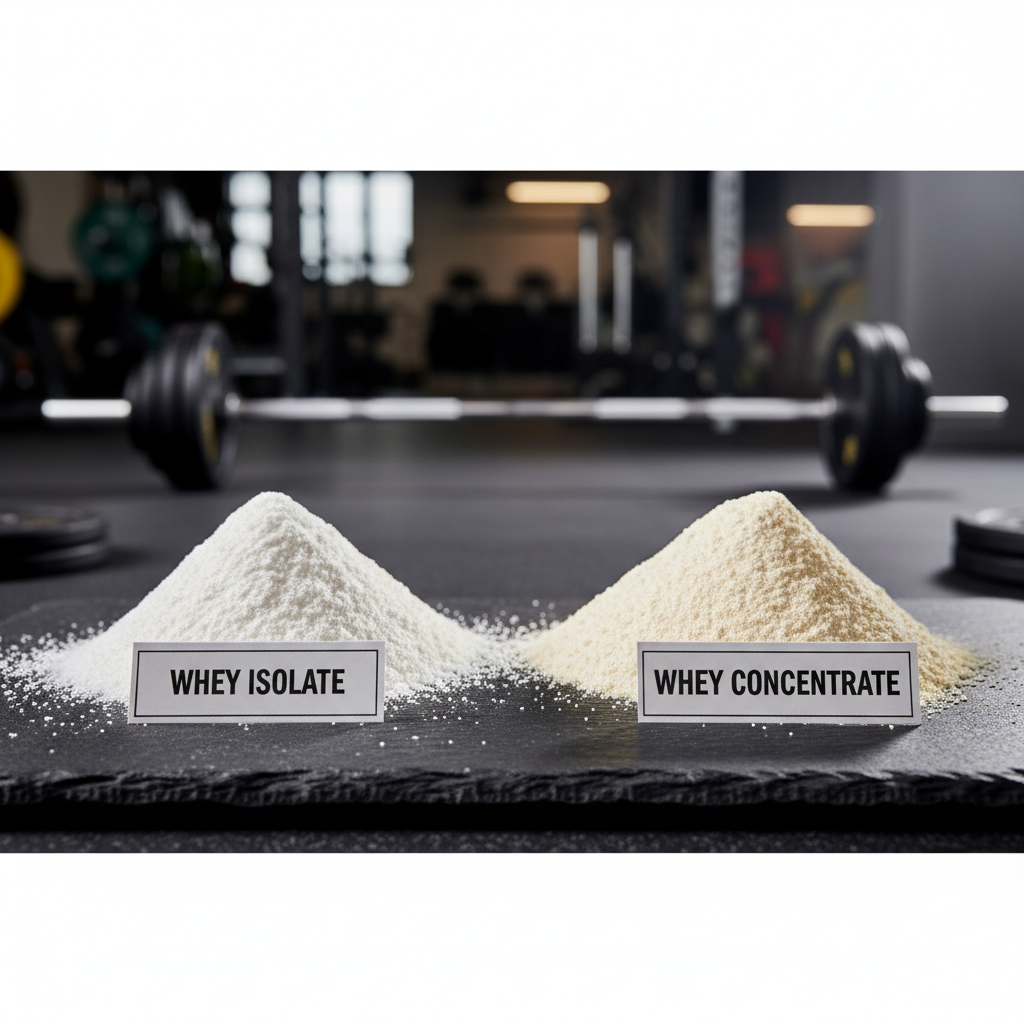
When navigating the vast world of protein supplements, two terms frequently emerge: whey isolate and whey concentrate. Both are popular forms of whey protein, a byproduct of cheese production, renowned for their complete amino acid profile and rapid digestion. While both are excellent sources of protein for muscle repair, growth, and overall health, they differ significantly in their processing, nutritional composition, and suitability for various dietary needs. Understanding these distinctions is crucial for selecting the best option to support your fitness goals and dietary preferences.
What Each Is and How It Works
Whey protein is one of two primary proteins found in milk, the other being casein. During the cheese-making process, enzymes are added to milk, causing the casein to curdle and separate, leaving behind a liquid known as whey. This liquid whey is then pasteurized and processed to create the powdered supplements we consume. Both whey isolate and concentrate provide a complete spectrum of essential amino acids, including the crucial branched-chain amino acids (BCAAs) like leucine, isoleucine, and valine, which are vital for muscle protein synthesis.
Whey Concentrate
Whey concentrate is the least processed form of whey protein. After the initial separation from casein, the liquid whey undergoes a filtration process, typically ultrafiltration, to remove water and some non-protein components. This results in a product that is usually 70-80% protein by weight, with the remaining 20-30% consisting of carbohydrates (primarily lactose), fats, and beneficial bioactive compounds. These bioactive compounds include immunoglobulins, lactoferrin, and lactoperoxidase, which are thought to offer immune-supporting properties. Because it retains more of its natural components, whey concentrate often has a creamier texture and a slightly richer flavor compared to isolate, making it a popular choice for many users. It's also generally more cost-effective due to less extensive processing.
Whey Isolate
Whey isolate undergoes further, more rigorous processing than concentrate. After the initial ultrafiltration, the liquid whey is subjected to additional filtration techniques such as microfiltration, cross-flow microfiltration, or ion-exchange chromatography. These advanced processes are designed to strip away almost all the remaining fats, cholesterol, and lactose, resulting in a much purer protein product. Whey isolate typically boasts a protein content of 90% or higher by weight. The extensive purification means that isolate contains minimal carbohydrates and fats, making it an ideal choice for individuals on very strict diets or those with specific macronutrient targets. Its extremely low lactose content also makes it suitable for many individuals who experience digestive discomfort from regular dairy products or whey concentrate.
Nutritional Differences: Isolate vs. Concentrate
The primary distinctions between whey isolate and concentrate lie in their macronutrient profiles. These differences stem directly from their respective processing methods.
- Protein Content: This is the most significant difference. Whey concentrate typically provides 20-25 grams of protein per 30-gram serving (70-80% protein). In contrast, whey isolate delivers 27-29 grams of protein per 30-gram serving (90%+ protein). For someone needing to maximize protein intake while minimizing other macros, isolate offers a clear advantage.
- Fat Content: Concentrate contains a higher percentage of fat, usually 1-3 grams per serving. Isolate, due to its additional filtration, has virtually no fat, often less than 0.5 grams per serving.
- Carbohydrate Content (Lactose): This is a critical factor for many. Whey concentrate can contain 2-5 grams of carbohydrates per serving, with a significant portion being lactose. Whey isolate, through its extensive purification, reduces lactose content to negligible levels, often less than 0.5 grams per serving, making it a suitable option for many individuals with lactose sensitivity.
- Cholesterol: Similar to fat, concentrate will have slightly higher cholesterol levels than isolate, though both are generally low.
- Bioactive Compounds: While isolate is purer in protein, concentrate retains more of the naturally occurring bioactive compounds found in whey, such as immunoglobulins, lactoferrin, and glycomacropeptides. These compounds are believed to offer various health benefits, including immune support and gut health, though some of these can be partially denatured during the more aggressive processing of isolate.
For example, a typical 30g serving of whey concentrate might offer 24g protein, 2.5g fat, and 3g carbs, while a 30g serving of whey isolate might provide 28g protein, 0.5g fat, and 0.5g carbs. These differences, while seemingly small per serving, can accumulate over multiple servings daily or over time, impacting overall dietary intake.
Processing Methods: How They Differ
The journey from liquid whey to a powdered supplement involves several steps, and the divergence in these processes defines whether the end product is a concentrate or an isolate.
Initially, milk is coagulated to separate curds (casein) from the liquid whey. This liquid whey then undergoes pasteurization to eliminate harmful bacteria. The next crucial step is filtration:
- For Whey Concentrate: The pasteurized liquid whey is typically passed through a series of filters using a process called ultrafiltration. This method uses membranes with specific pore sizes to separate water and smaller molecules (like some minerals) from the larger protein molecules. The result is a concentrated liquid that is then spray-dried into a powder. This process is less intensive, which is why concentrate retains more of its non-protein components.
- For Whey Isolate: To produce isolate, the whey concentrate undergoes further, more advanced filtration. Common methods include:
- Microfiltration (MF): Uses very fine filters to physically separate fat globules and larger protein aggregates from smaller whey proteins.
- Cross-Flow Microfiltration (CFM): A specific type of MF where the liquid flows parallel to the membrane, reducing fouling and allowing for more efficient separation. This method is generally preferred as it uses low temperatures and no chemicals, helping to preserve the integrity of the protein.
- Ion-Exchange Chromatography (IEC): This method uses electrical charges to separate proteins from other components. While effective at producing a very pure protein, it can sometimes alter the pH of the protein and potentially denature some of the beneficial bioactive compounds due to the use of acids and bases.
Evidence by Outcome: Muscle Growth, Recovery, and Weight Management
When it comes to the primary goals of protein supplementation – muscle growth, recovery, and weight management – both whey isolate and concentrate are highly effective due to their rich amino acid profiles and rapid digestion.
- Muscle Growth (Hypertrophy): Both forms of whey protein are excellent sources of essential amino acids, particularly BCAAs, which are critical for stimulating muscle protein synthesis (MPS). Leucine, in particular, acts as a key trigger for MPS. Numerous studies have consistently shown that supplementing with whey protein, whether isolate or concentrate, significantly supports muscle growth when combined with resistance training. The slight difference in absorption rate between isolate and concentrate is generally not significant enough to confer a superior advantage for muscle growth in the long term, as total daily protein intake remains the most crucial factor.
- Recovery: Rapid delivery of amino acids to muscles post-exercise is beneficial for kickstarting the repair process and reducing muscle soreness. Both whey isolate and concentrate are fast-digesting proteins, making them ideal for post-workout consumption. While isolate might be absorbed marginally faster due to its purity, the practical difference in recovery for most individuals is negligible. The overall quantity and timing of protein intake throughout the day are more impactful than the specific form of whey in this context.
- Weight Management: Protein is well-known for its role in satiety, helping individuals feel fuller for longer, which can aid in reducing overall caloric intake. Both whey isolate and concentrate can be valuable tools in a weight management strategy. Protein also helps preserve lean muscle mass during periods of caloric restriction, which is important for maintaining metabolic rate. For those on very strict calorie-controlled or low-carb/low-fat diets, the lower fat and carbohydrate content of whey isolate might be marginally more advantageous. However, the satiating effects and muscle-preserving benefits are largely similar between the two.
While some preliminary evidence suggests that the higher concentration of bioactive compounds in whey concentrate might offer additional immune support, robust human evidence demonstrating a significant practical advantage over isolate for healthy, active individuals is limited. For the vast majority of users, the choice between isolate and concentrate for these outcomes comes down to personal preference regarding macronutrients, digestion, and cost.
Bioavailability and Absorption
Bioavailability refers to the proportion of a nutrient that is absorbed from the diet and used for normal body functions. Both whey isolate and concentrate boast excellent bioavailability, meaning the body can efficiently utilize their amino acids. Whey protein, in general, has a high biological value (BV) and protein digestibility-corrected amino acid score (PDCAAS), indicating its superior quality and digestibility compared to many other protein sources.
The primary difference in this regard is the rate of absorption. Because whey isolate has undergone more extensive processing to remove fats and carbohydrates, it has a higher protein concentration per serving and fewer non-protein components that require digestion. This results in a slightly faster digestion and absorption rate compared to whey concentrate. The amino acids from isolate enter the bloodstream more rapidly, leading to a quicker spike in blood amino acid levels.
While this rapid absorption has often been touted as a significant advantage, particularly for post-workout nutrition, the practical implications for most individuals are often overstated. For the average person, the difference in absorption speed between isolate and concentrate is unlikely to translate into significantly better muscle growth or recovery outcomes, as long as overall daily protein targets are met. The "anabolic window" post-workout is now understood to be much wider than previously thought, extending several hours rather than a tight 30-60 minute window. Therefore, while isolate is technically faster, concentrate is still considered a "fast-digesting" protein, and both are highly effective.
Safety, Allergies, and Digestive Comfort
Both whey isolate and concentrate are generally considered safe for consumption by most healthy individuals when used as directed. As with any dietary supplement, it's important to adhere to recommended serving sizes and consult with a healthcare professional if you have underlying health conditions or are taking medications.
- Lactose Intolerance: This is arguably the most significant factor influencing the choice between the two for many people. Whey concentrate, containing 2-5 grams of lactose per serving, can cause digestive issues such as bloating, gas, and stomach cramps in individuals with lactose intolerance. Whey isolate, with its extensive filtration, reduces lactose content to less than 0.5 grams per serving, making it a much safer and more comfortable option for most lactose-sensitive individuals. However, for those with severe lactose intolerance, even trace amounts might be problematic, and a plant-based protein or a hydrolyzed whey protein might be considered.
- Milk Allergy: It's crucial to distinguish between lactose intolerance and a milk allergy. A milk allergy is an immune response to the proteins in milk, typically casein or whey. If you have a true milk protein allergy, neither whey isolate nor whey concentrate is suitable, as both contain milk proteins. In such cases, plant-based proteins (e.g., pea, rice, soy) are the appropriate alternative.
- Purity and Contaminants: Reputable brands for both whey isolate and concentrate should adhere to strict quality control standards. However, the more extensive processing of isolate can sometimes lead to a slightly purer product in terms of fewer trace contaminants. Always look for products that are third-party tested for purity and absence of banned substances, especially if you are an athlete.
- Digestive Comfort (Non-Lactose Related): Some individuals might find that the higher fat content in concentrate can lead to a slightly heavier feeling in the stomach. Conversely, the very lean nature of isolate might be preferred for those seeking a lighter, faster-digesting option.
Who Should Pick Which: Tailoring Your Choice
The decision between whey isolate and concentrate ultimately depends on individual dietary needs, health goals, budget, and personal preferences. There isn't a universally "better" option; rather, there's a more suitable option for different circumstances.
- Choose Whey Concentrate If:
- You are budget-conscious: Concentrate is generally more affordable per serving due to less intensive processing.
- You have no issues with lactose: If you digest dairy well, the lactose content in concentrate won't be a problem.
- You are looking for general protein support: For most individuals aiming to increase daily protein intake for muscle maintenance, growth, or overall health, concentrate is perfectly adequate.
- You don't mind a few extra carbs and fats: If your diet allows for a small amount of additional macronutrients, concentrate fits well.
- You prefer a creamier taste and texture: The higher fat content often contributes to a richer mouthfeel.
- You value natural bioactive compounds: Concentrate retains more of these potentially immune-supporting components.
Many people find that a high-quality whey protein powder that is primarily concentrate offers excellent value and effectiveness for their fitness journey.
- Choose Whey Isolate If:
- You are lactose intolerant or sensitive: The minimal lactose content makes isolate a much safer bet for avoiding digestive upset.
- You are on a very strict low-carb or low-fat diet: Bodybuilders in cutting phases or individuals with specific macronutrient targets will benefit from isolate's lean profile.
- You are seeking the absolute purest protein source: For those who want to minimize all non-protein components, isolate is the clear winner.
- You prefer faster absorption (though marginal): While the practical benefit is often debated, some athletes prefer the rapid amino acid delivery of isolate post-workout.
- You are preparing for a competition: Athletes needing to be extremely precise with their macronutrient intake often opt for isolate.
For those prioritizing purity and minimal lactose, exploring options like whey protein isolate products can be highly beneficial.
Practical Buying Notes
Regardless of whether you choose isolate or concentrate, several factors should guide your purchasing decision to ensure you're getting a high-quality product:
- Check the Nutrition Label: Always scrutinize the nutrition facts panel. Look at the protein content per serving, as well as the amounts of fat, carbohydrates, and sugar. This will confirm whether the product aligns with your chosen type (isolate or concentrate) and your dietary goals.
- Ingredients List: A shorter ingredient list is often better. Be wary of excessive fillers, artificial sweeteners, colors, or flavors if you prefer a cleaner product. Natural sweeteners like stevia or monk fruit extract are common alternatives.
- Third-Party Testing: Look for certifications from independent organizations (e.g., Informed-Sport, NSF Certified for Sport) that verify the product's purity, potency, and absence of banned substances. This is especially important for athletes.
- Taste and Mixability: While subjective, these factors greatly influence adherence. Read reviews or try smaller sizes if available. Whey protein should mix easily with water or milk without clumping.
- Cost Per Serving: Don't just look at the upfront price. Divide the total cost by the number of servings to determine the true cost-effectiveness. Isolate will almost always be more expensive per serving due to its advanced processing.
- Blends: Some products offer a blend of whey isolate and concentrate. These can be a good middle-ground, offering some benefits of both, often at a more moderate price point. Understand the ratio if it's disclosed.
In conclusion, both whey isolate and concentrate are excellent protein sources that can effectively support your fitness and health goals. Your choice should be an informed one, based on a careful consideration of your budget, dietary restrictions, and specific nutritional requirements. By understanding their differences, you can confidently select the whey protein that best fits your lifestyle.