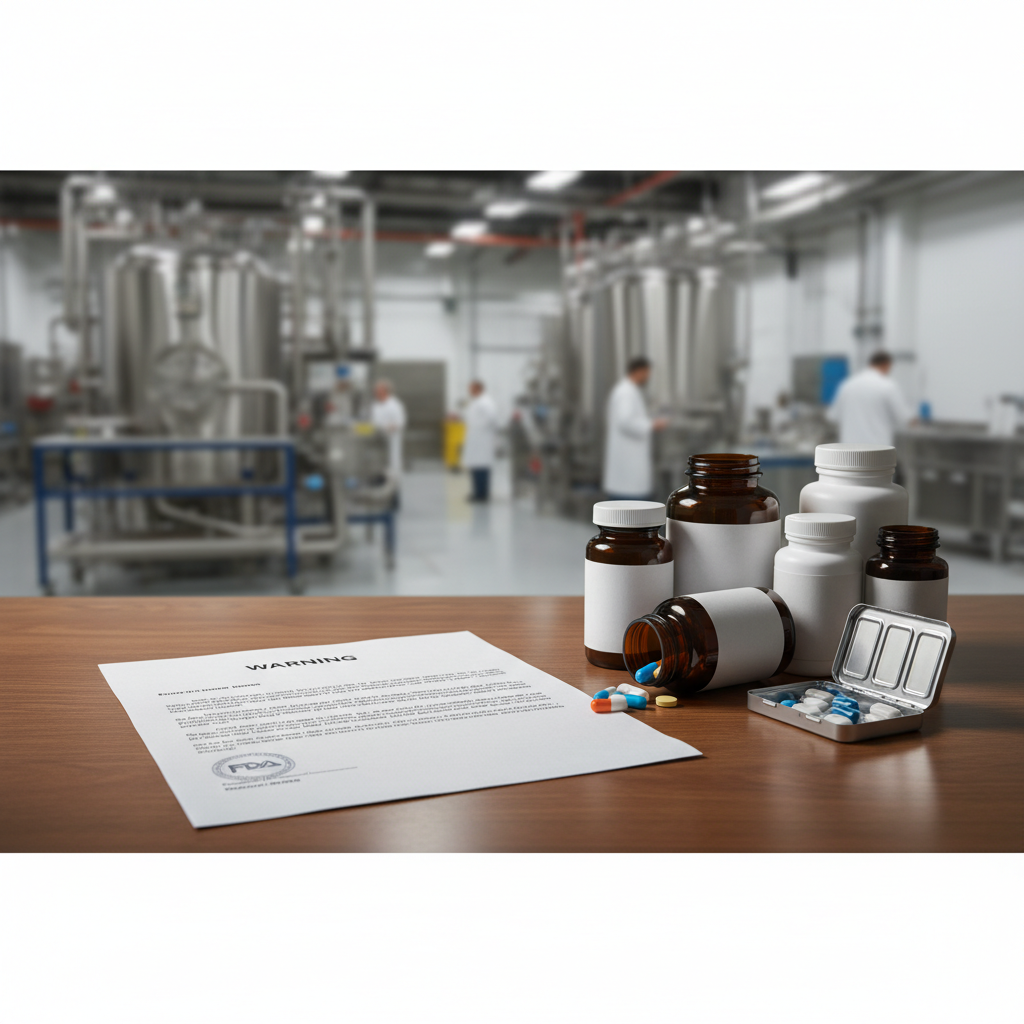
Nupack Inc., operating as Nupack Nutrition, has received a stern warning letter from the U.S. Food and Drug Administration (FDA) citing multiple violations, including significant failures to adhere to current Good Manufacturing Practices (cGMP) and the marketing of several dietary supplements with unauthorized drug claims. The FDA's action highlights critical concerns regarding the quality control, safety, and legality of products such as Maca and Psyllium Husk, which were implicated in the agency's findings. This regulatory scrutiny underscores the FDA's ongoing commitment to ensuring that dietary supplement manufacturers comply with federal regulations designed to protect public health.
The Core of the FDA's Findings
The FDA's warning letter, dated February 2, 2024, detailed a series of serious infractions discovered during an inspection of Nupack Inc.'s facility. At the heart of the agency's concerns were the company's widespread failures to establish and follow cGMP regulations, which are essential for ensuring the identity, purity, strength, and composition of dietary supplements. According to ConsumerLab.com, the FDA specifically noted that Nupack failed to "establish product specifications for identity, purity, strength, and composition for the dietary supplements manufactured" and did not "establish written procedures for the responsibilities of the quality control operations." These cGMP violations are not merely procedural; they directly impact the safety and efficacy of the products reaching consumers.
Unapproved Drug Claims: A Major Red Flag
Beyond the manufacturing deficiencies, the FDA also took issue with Nupack Nutrition's marketing practices, specifically identifying several dietary supplements as being promoted with unapproved drug claims. Products like "Nupack Nutrition Organic Maca Root" and "Nupack Nutrition Organic Psyllium Husk Powder" were marketed with claims suggesting they could prevent, treat, or cure diseases, thereby classifying them as unapproved new drugs under federal law. For instance, claims such as "Maca may help to balance hormones, boost energy, and enhance libido" and "Psyllium Husk is a natural laxative that helps to relieve constipation and promote regularity" were cited. The FDA explicitly states that dietary supplements are not permitted to make such therapeutic claims without prior agency approval, which Nupack Nutrition had not obtained. This misbranding is a significant concern, as it can mislead consumers into believing that these supplements have medicinal properties that have not been scientifically substantiated or approved.
The Importance of cGMP Compliance
Current Good Manufacturing Practices (cGMP) are the bedrock of quality assurance in the dietary supplement industry. They are a set of regulations enforced by the FDA to ensure that products are consistently produced and controlled according to quality standards. For dietary supplements, cGMPs cover everything from raw material sourcing and handling to manufacturing processes, packaging, labeling, and quality control testing. Nupack's alleged failures, including inadequate product specifications and lack of quality control procedures, suggest a systemic breakdown in these critical areas. Without robust cGMPs, there's a heightened risk of contamination, incorrect ingredient amounts, or mislabeled products, all of which pose potential health risks to consumers. The FDA's warning serves as a stark reminder to all manufacturers about the non-negotiable nature of cGMP compliance.
Implications for the Dietary Supplement Industry
This FDA warning letter to Nupack Nutrition is not an isolated incident but rather part of a broader regulatory effort to police the vast and sometimes complex dietary supplement market. The agency frequently issues such letters to companies found in violation of cGMPs or making illegal drug claims. These actions send a clear message to the industry: compliance is mandatory, and enforcement will continue. For reputable manufacturers, such warnings reinforce the importance of maintaining stringent quality control and marketing practices. For consumers, they highlight the need for vigilance and informed decision-making when selecting supplements. The FDA's role is crucial in maintaining a level playing field and protecting consumers from potentially harmful or ineffective products.
What this means for consumers
For consumers, the FDA's warning to Nupack Nutrition serves as an important reminder to exercise caution and discernment when purchasing dietary supplements.
- Scrutinize Claims: Be wary of products making bold claims about treating, curing, or preventing diseases. Dietary supplements are not intended to diagnose, treat, cure, or prevent any disease.
- Research Manufacturers: Opt for products from reputable companies with a history of regulatory compliance. While not always easily accessible, FDA warning letters are public information.
- Look for Third-Party Certifications: Consider supplements that have been independently tested and certified by organizations like USP, NSF, or ConsumerLab.com. These certifications can offer an additional layer of assurance regarding product quality and purity.
- Consult Healthcare Professionals: Always discuss any supplements you are considering with your doctor or a qualified healthcare provider, especially if you have underlying health conditions or are taking other medications.
This incident underscores that while many dietary supplements are safe and beneficial, the market is not without its risks. The FDA's continued oversight, as demonstrated by the Nupack Nutrition warning, is vital in upholding standards and safeguarding public health.