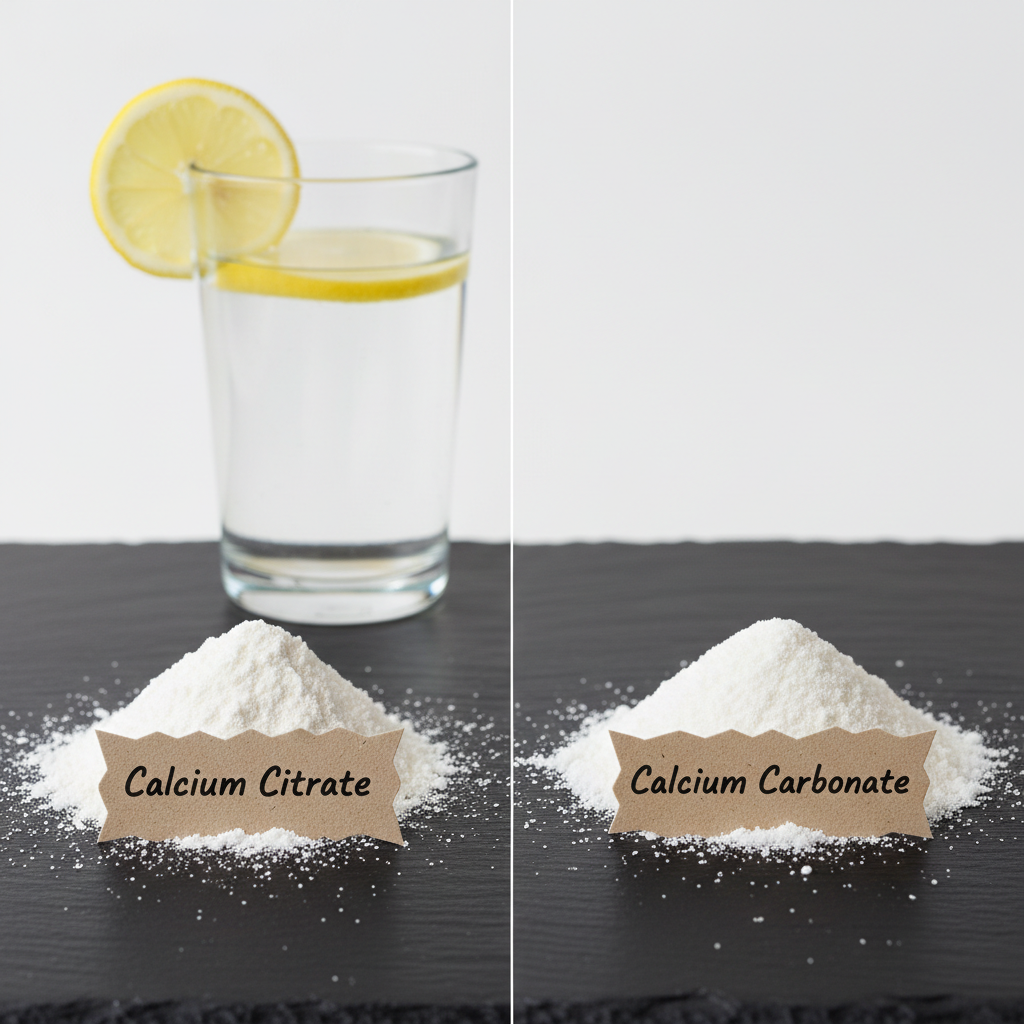
Choosing between calcium citrate and calcium carbonate for supplementation often comes down to individual digestive health, medication use, and dietary habits. While both forms effectively deliver elemental calcium to support bone health and other vital bodily functions, they differ significantly in their absorption characteristics, elemental calcium content, and how they interact with stomach acid. Calcium carbonate is generally more potent in terms of elemental calcium per dose and is best absorbed with food, whereas calcium citrate offers superior absorption, particularly on an empty stomach or for those with compromised stomach acid production.
What Each Is and How It Works
Understanding the fundamental differences between calcium citrate and calcium carbonate begins with their chemical composition and how they are processed by the body.
Calcium Carbonate
Calcium carbonate is a common and widely available form of calcium supplement. It is naturally found in sources like oyster shells, coral, and limestone, and is often the most affordable option. Chemically, it consists of calcium (Ca) bound to a carbonate (CO3) ion. This form is notable for its high concentration of elemental calcium, typically around 40% by weight. This means that a 1000 mg tablet of calcium carbonate provides approximately 400 mg of elemental calcium.
For calcium carbonate to be absorbed, it requires an acidic environment in the stomach. When ingested, stomach acid reacts with the carbonate portion, releasing carbon dioxide (which can cause gas and bloating) and freeing the calcium ions. These ionized calcium molecules are then available for absorption in the small intestine. This dependency on stomach acid is a key factor in its absorption profile.
Calcium Citrate
Calcium citrate is the calcium salt of citric acid. Unlike calcium carbonate, it contains a lower percentage of elemental calcium by weight, typically around 21%. So, a 1000 mg tablet of calcium citrate provides approximately 210 mg of elemental calcium. While this means you might need to take more tablets to achieve the same elemental calcium dose as carbonate, its absorption mechanism offers distinct advantages.
The primary benefit of calcium citrate is that it does not require stomach acid for absorption. The calcium in calcium citrate is already in a form that is readily ionized or can be absorbed directly in the intestine without the need for significant acid breakdown. This makes it a more versatile option for individuals with certain digestive considerations.
Bioavailability and Absorption
Bioavailability refers to the proportion of a nutrient that is absorbed from the diet and used for normal body functions. For calcium supplements, bioavailability is a critical factor in determining their effectiveness.
Calcium Carbonate Absorption
As mentioned, calcium carbonate absorption is highly dependent on stomach acid. To optimize its absorption, it is generally recommended to take calcium carbonate with food. Eating stimulates the production of stomach acid, creating the necessary acidic environment for the carbonate to break down and release elemental calcium. Taking it on an empty stomach can significantly reduce its absorption, as there may not be enough acid present.
Certain conditions and medications can further impair calcium carbonate absorption. Individuals with hypochlorhydria (low stomach acid), which is common in older adults, or those taking proton pump inhibitors (PPIs) or H2 blockers for acid reflux, will have reduced stomach acid levels. In these cases, calcium carbonate may not be absorbed efficiently, potentially leading to less calcium reaching the bloodstream.
Calcium Citrate Absorption
Calcium citrate, by contrast, is absorbed well regardless of stomach acid levels. This is a significant advantage for individuals who have low stomach acid or who are taking medications that reduce stomach acid. It can be taken with or without food, offering greater flexibility in dosing schedules.
Studies have shown that calcium citrate generally has a higher relative bioavailability compared to calcium carbonate, especially when taken on an empty stomach. However, when calcium carbonate is taken correctly with food, the absolute amount of calcium absorbed can be comparable between the two forms for individuals with normal stomach acid. The key difference lies in the conditions required for optimal absorption.
Evidence and Efficacy
Both calcium citrate and calcium carbonate are recognized as effective forms of calcium supplementation for supporting bone health and preventing calcium deficiency, provided they are absorbed properly. The ultimate goal of any calcium supplement is to deliver sufficient elemental calcium to the body.
Research comparing the two forms for outcomes like bone mineral density has often found similar results when both are taken under their optimal absorption conditions. For instance, if an individual with normal stomach acid takes calcium carbonate with a meal, and another individual takes calcium citrate, both can achieve adequate calcium absorption and contribute effectively to bone health.
The choice between them often hinges more on individual tolerance and digestive physiology rather than one being inherently superior for bone health in all circumstances. What matters most is consistent intake of an adequate amount of elemental calcium that the body can actually utilize. For a deeper dive into the general benefits and functions of calcium, refer to our comprehensive guide.
Safety and Interactions
While calcium supplements are generally safe, both calcium citrate and calcium carbonate can have side effects and interact with certain medications. Awareness of these is crucial for safe supplementation.
Digestive Side Effects
The most common side effects associated with calcium supplements are digestive in nature, including constipation, gas, and bloating. Calcium carbonate, due to its reaction with stomach acid to produce carbon dioxide, is often more associated with gas and bloating. Some individuals find calcium citrate to be gentler on the stomach and less likely to cause these particular issues.
Kidney Stones
There has been concern regarding calcium supplementation and the risk of kidney stones. While high dietary calcium intake is generally associated with a *lower* risk of kidney stones, calcium supplements, particularly when taken in large doses or without adequate fluid intake, may increase the risk in susceptible individuals. Calcium citrate, however, may offer a slight advantage here. Citrate is known to bind to calcium in the urine, forming soluble complexes and inhibiting the crystallization of calcium oxalate, which is the most common type of kidney stone. This property suggests calcium citrate might be less likely to contribute to kidney stone formation and could even be mildly protective for some individuals prone to calcium oxalate stones.
Medication Interactions
Both forms of calcium can interact with various medications, affecting either calcium absorption or the efficacy of the other drug. Key interactions include:
- Thyroid Hormones: Calcium can interfere with the absorption of levothyroxine (used for hypothyroidism). It's recommended to take calcium supplements at least 4 hours apart from thyroid medication.
- Antibiotics: Calcium can bind to certain antibiotics (e.g., tetracyclines and fluoroquinolones), reducing their absorption and effectiveness. Space doses by several hours.
- Bisphosphonates: Medications for osteoporosis (e.g., alendronate) can have their absorption impaired by calcium. Follow specific timing instructions from your healthcare provider, usually taking bisphosphonates first thing in the morning with water, and calcium later in the day.
- Iron Supplements: Calcium can inhibit iron absorption. If you need both, space them out by at least 2 hours.
Always inform your healthcare provider about all supplements and medications you are taking to identify potential interactions.
Who Should Choose Which
The decision between calcium citrate and calcium carbonate should be personalized based on individual health factors, lifestyle, and specific needs.
Choose Calcium Carbonate if:
- You have normal stomach acid production and no issues with acid reflux medications.
- You consistently take your calcium supplement with meals.
- You are looking for a more cost-effective option and want to get more elemental calcium per tablet.
- You do not experience significant digestive discomfort (gas, bloating, constipation) with calcium carbonate.
Choose Calcium Citrate if:
- You have low stomach acid (hypochlorhydria), which is common in older adults.
- You are taking proton pump inhibitors (PPIs) or H2 blockers for acid reflux, as these medications reduce stomach acid.
- You prefer to take your calcium supplement on an empty stomach or find it difficult to remember to take it with meals.
- You experience significant gas, bloating, or constipation with calcium carbonate.
- You have a history of calcium oxalate kidney stones, as citrate may offer some protective benefits.
Ultimately, the best calcium supplement is the one you will take consistently and that your body can absorb effectively without adverse effects. It's often beneficial to discuss your options with a healthcare professional, especially if you have underlying health conditions or are taking other medications.
Practical Buying Notes
When purchasing calcium supplements, regardless of the form, there are several practical considerations to ensure you are getting a quality product that meets your needs.
Check Elemental Calcium
Always look at the