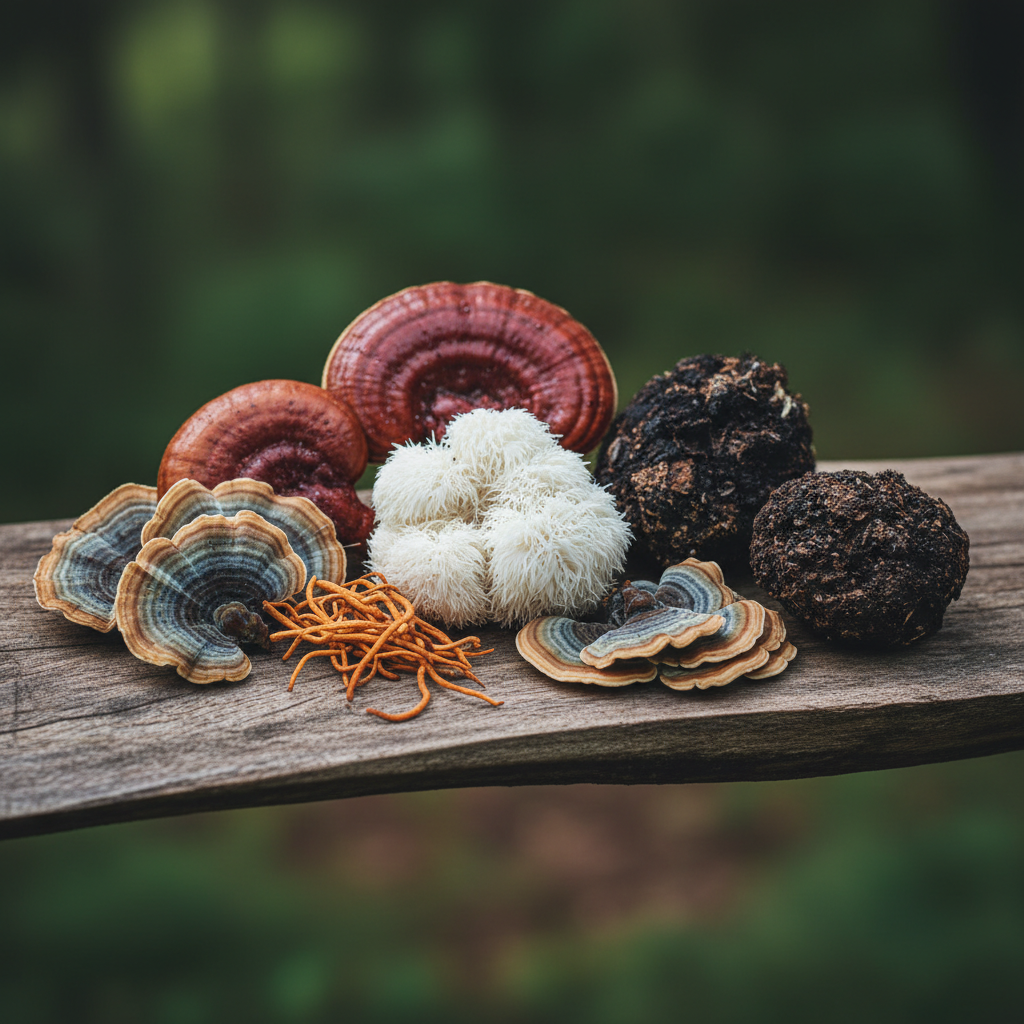
Medicinal mushrooms are specific species of fungi that have been revered for centuries in traditional medicine systems, particularly in Asian cultures, for their purported health-promoting properties. Unlike culinary mushrooms, these varieties are primarily consumed for their bioactive compounds, which are studied for their potential to support various physiological functions, ranging from immune modulation to cognitive enhancement and stress adaptation. This comprehensive medicinal mushrooms guide delves into the science behind these fascinating fungi, exploring their key compounds, documented benefits, appropriate usage, and safety considerations to help you make informed decisions about incorporating them into your wellness routine and understanding their place in modern health practices.
Understanding Medicinal Mushrooms: A Deeper Dive
While many people are familiar with mushrooms as a food source, medicinal mushrooms represent a distinct category. These aren't simply edible fungi; they are specific species like Reishi, Lion's Mane, Cordyceps, Chaga, and Turkey Tail, each possessing unique profiles of compounds that interact with the human body in various ways. Their use dates back thousands of years in Traditional Chinese Medicine (TCM), Japanese Kampo, and other indigenous healing practices, where they were often prescribed for longevity, vitality, and to address specific ailments. Modern scientific research is now beginning to validate many of these traditional uses, identifying the specific molecules responsible for their effects and exploring their potential in contemporary health. It's important to differentiate medicinal mushrooms from psychoactive "magic" mushrooms; medicinal varieties do not possess hallucinogenic properties and are consumed for their physiological benefits.
Key Bioactive Compounds and Mechanisms of Action
The health benefits attributed to medicinal mushrooms stem from a complex array of bioactive compounds working synergistically. The most well-known are polysaccharides, particularly beta-glucans, which are complex carbohydrates found abundantly in the cell walls of fungi. Beta-glucans are potent immune modulators, meaning they can interact with immune cells to enhance or balance the body's immune response. They are thought to activate macrophages, natural killer cells, and T-cells, thereby supporting the body's defense mechanisms against pathogens and abnormal cells. The specific structure of beta-glucans can vary between mushroom species, leading to different biological activities.
Another significant class of compounds are triterpenes. These are bitter-tasting molecules, especially abundant in mushrooms like Reishi, and are studied for their anti-inflammatory, antioxidant, and hepatoprotective (liver-protective) properties. Triterpenes may also contribute to the adaptogenic effects of some mushrooms, helping the body manage physical and psychological stress by supporting the adrenal glands and balancing hormonal responses.
Beyond these broad categories, specific mushrooms contain unique compounds that contribute to their distinct benefits. For instance, Lion's Mane mushroom is rich in erinacines and hericenones, which are being investigated for their potential to stimulate nerve growth factor (NGF) synthesis, crucial for neuronal health, growth, and repair, and thus for cognitive function. Cordyceps contains cordycepin, a nucleoside analog studied for its potential roles in cellular energy metabolism, athletic performance enhancement, and anti-inflammatory effects. Chaga is notable for its high concentration of antioxidants, including polyphenols and melanin, which contribute to its free-radical scavenging capabilities and potential for cellular protection.
Popular Medicinal Mushrooms and Their Studied Benefits
Reishi (Ganoderma lucidum)
Often called the "Mushroom of Immortality" in Asian cultures, Reishi is a revered adaptogen, meaning it helps the body adapt to stress. It is primarily known for its immune-modulating properties, attributed to its high beta-glucan and triterpene content. Preliminary research suggests Reishi may help reduce stress, promote relaxation, and support healthy sleep cycles by influencing neurotransmitters. It's also studied for its potential to support cardiovascular health through blood pressure regulation and liver function. Evidence for these benefits is largely derived from traditional use and preclinical studies, with human trials often being small or preliminary, warranting further investigation.
Lion's Mane (Hericium erinaceus)
Lion's Mane has gained significant attention for its potential neuroprotective and cognitive-enhancing effects. The unique compounds erinacines and hericenones found in Lion's Mane are believed to cross the blood-brain barrier and stimulate the production of nerve growth factor (NGF). This mechanism is being explored for its implications in supporting memory, focus, and overall brain health, potentially aiding in neurogenesis. Small human trials have shown promising results in areas like mild cognitive impairment and mood support, but more robust, large-scale research is needed to confirm these findings definitively. For more detailed information, consider exploring our Lion's Mane ingredient guide.
Cordyceps (Cordyceps sinensis/militaris)
Historically used to combat fatigue and enhance stamina, Cordyceps is popular among athletes and those seeking an energy boost. Its active compound, cordycepin, is thought to improve cellular energy production (ATP) and oxygen utilization, which may contribute to enhanced exercise performance and endurance by supporting mitochondrial function. It is also studied for its potential to support respiratory health and immune function. While some small human studies support its role in exercise capacity and anti-fatigue effects, more extensive research is required to confirm these benefits definitively across diverse populations. You can learn more about this fascinating fungus in our Cordyceps article.
Chaga (Inonotus obliquus)
Growing primarily on birch trees in cold climates, Chaga is often referred to as the "King of Medicinal Mushrooms" due to its exceptionally high antioxidant content. Rich in polyphenols, triterpenes, and melanin, Chaga is studied for its ability to combat oxidative stress and support immune health by protecting cells from damage. Traditional uses include supporting digestive health and overall vitality. While its antioxidant capacity is well-documented in vitro and in animal models, human evidence for specific health outcomes is still emerging, and more clinical trials are needed to substantiate these claims.
Turkey Tail (Trametes versicolor)
Recognizable by its vibrant, fan-like appearance, Turkey Tail is one of the most extensively researched medicinal mushrooms, particularly for its immune-modulating properties. It contains powerful polysaccharides like Polysaccharide K (PSK) and Polysaccharide Peptides (PSP), which have been studied for their ability to enhance immune cell activity and support the body's natural defenses. In some countries, PSK is used as an approved adjunctive therapy for certain cancers, though it's crucial to understand that this is always under medical supervision and not a standalone treatment. For general wellness, it's highly valued for its broad immune support and potential gut health benefits.
Dosing, Forms, and Bioavailability
Medicinal mushrooms are available in various forms, including powders, capsules, tinctures, and teas. The most effective forms are typically extracts, as the beneficial compounds are concentrated and made more bioavailable. Whole mushroom powders, while containing nutrients, may not offer the same potency of specific active compounds due to the tough chitin cell walls that are difficult for human digestion to break down efficiently.
Extracts: Hot water extracts are common for beta-glucan rich mushrooms (like Turkey Tail, Reishi, Chaga) as hot water effectively extracts these polysaccharides. Dual extracts (hot water and alcohol) are used for mushrooms containing both water-soluble compounds (beta-glucans) and alcohol-soluble compounds (triterpenes, like in Reishi), ensuring a broader spectrum of beneficial molecules. When choosing a supplement, look for products that specify the percentage of active compounds, such as beta-glucans, to ensure potency. The source matters too; fruiting body extracts are generally preferred over mycelium-on-grain products, as the fruiting body typically contains a higher concentration of beneficial compounds and fewer inert fillers.
Dosage: Dosing varies significantly by mushroom type, extract concentration, and individual needs. Always follow the manufacturer's recommended dosage on the product label, as concentrations can differ widely between brands. For general wellness, common dosages of concentrated extracts range from 500 mg to 3 grams per day, often split into multiple doses. It's generally advisable to start with a lower dose and gradually increase to assess tolerance and individual response.
Safety, Side Effects, and Interactions
Medicinal mushrooms are generally considered safe for most healthy adults when consumed in appropriate doses. However, like any supplement, they can have potential side effects and interactions that users should be aware of.
- Mild Digestive Upset: Some individuals may experience mild gastrointestinal issues such as stomach upset, diarrhea, or nausea, especially when first starting or taking high doses. Reducing the dose or taking with food can often mitigate these effects.
- Allergic Reactions: Though rare, allergic reactions can occur, manifesting as skin rashes, itching, or respiratory symptoms. Discontinue use if such symptoms appear.
- Blood Thinning: Reishi mushroom, in particular, may have mild anticoagulant properties. Individuals on blood-thinning medications (e.g., warfarin, aspirin, clopidogrel) should exercise caution and consult a healthcare professional before use to avoid increased bleeding risk.
- Blood Sugar Levels: Some mushrooms, like Reishi and Cordyceps, may influence blood sugar levels. Diabetics or those on blood sugar-lowering medications should monitor their glucose carefully and discuss use with their doctor.
- Immunosuppressants: As many medicinal mushrooms modulate the immune system, they could theoretically interfere with immunosuppressant drugs. Patients undergoing organ transplantation or with autoimmune conditions on such medications should avoid these supplements unless advised by a specialist.
- Pregnancy and Breastfeeding: There is insufficient robust research on the safety of medicinal mushrooms during pregnancy and breastfeeding. It is best to avoid them or consult a doctor for personalized advice during these sensitive periods.
Always choose supplements from reputable brands that provide third-party testing for purity, potency, and absence of contaminants like heavy metals, pesticides, and microbial impurities. This ensures you are consuming a safe and effective product.
When to Consider Medicinal Mushrooms and When to Talk to a Clinician
Medicinal mushrooms can be a valuable addition to a holistic wellness strategy for individuals looking to support general immune health, enhance cognitive function, manage stress, or boost energy levels naturally. They are often incorporated as part of a daily routine for long-term health maintenance and overall vitality, building on centuries of traditional use and emerging scientific understanding.
However, it is crucial to approach supplementation responsibly. You should always consult with a qualified healthcare professional before starting any new supplement, especially if you:
- Have a pre-existing medical condition (e.g., autoimmune disease, diabetes, bleeding disorders, cancer).
- Are taking any prescription medications, particularly blood thinners, immunosuppressants, or diabetes medications, due to potential interactions.
- Are pregnant, breastfeeding, or planning to become pregnant, as safety data is limited.
- Are scheduled for surgery, as some mushrooms may affect blood clotting.
- Experience any adverse reactions or unexpected symptoms after starting a mushroom supplement.
A clinician can provide personalized advice, assess potential interactions, and help determine if medicinal mushrooms are appropriate for your specific health profile and goals. While promising, medicinal mushrooms are not a substitute for conventional medical treatment, a balanced diet, or a healthy lifestyle, but rather a complementary tool for wellness.