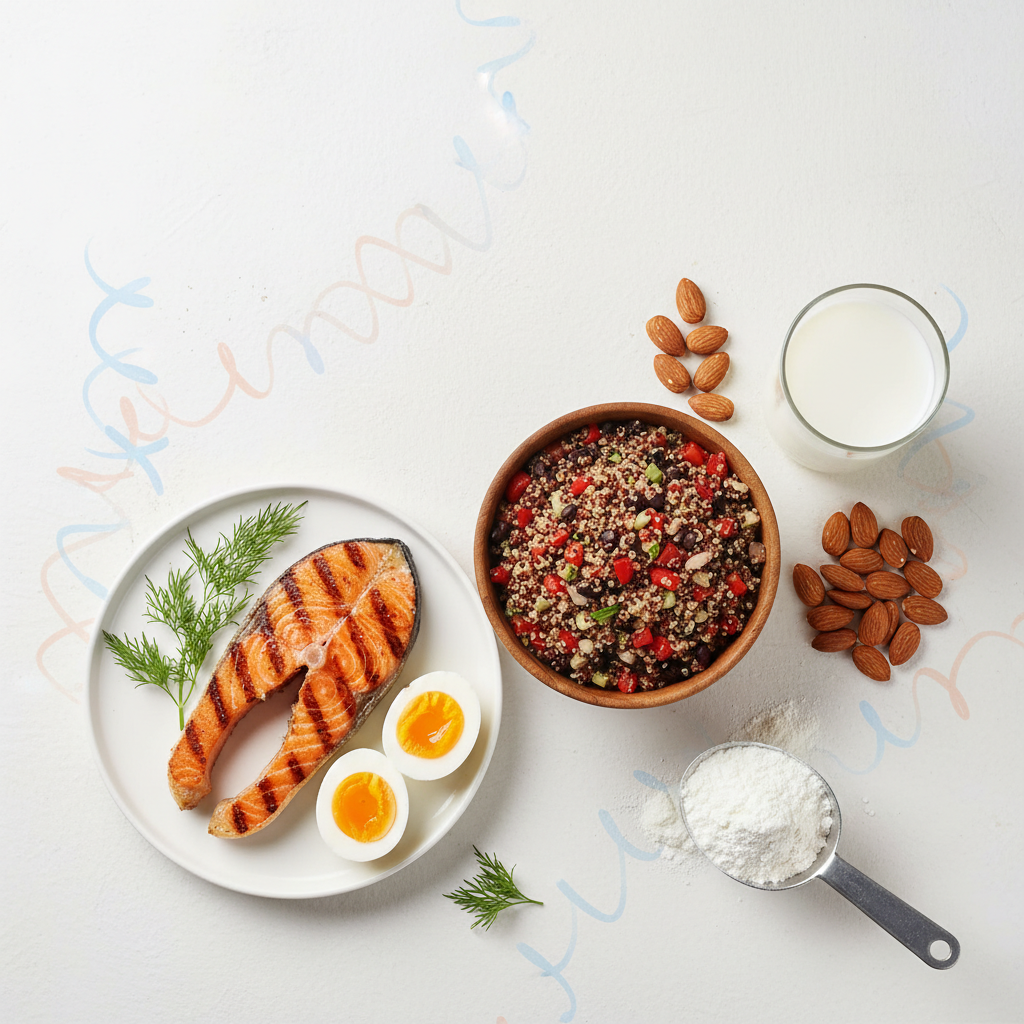
Protein quality refers to how well a protein source provides the essential amino acids (EAAs) needed by the human body and how efficiently those amino acids can be digested and absorbed. It's not just about the total amount of protein consumed, but also its biological value and usability. Understanding protein quality is fundamental for optimizing muscle growth, repair, satiety, and numerous other physiological functions, making it a critical consideration for anyone looking to support their health through diet, from athletes to the general population.
What is Protein Quality?
Protein quality is a measure of a protein's ability to provide the necessary amino acids for human health and growth. Not all proteins are created equal; some contain a more favorable balance of essential amino acids and are more readily digested and absorbed than others. The concept of protein quality helps us differentiate between protein sources that are highly effective in supporting bodily functions and those that might be less so, especially when consumed as a sole protein source. High-quality proteins are often referred to as 'complete' proteins because they contain all nine essential amino acids in sufficient quantities. These essential amino acids cannot be synthesized by the body and must be obtained through diet. Conversely, 'incomplete' proteins lack one or more of these essential amino acids, or have them in insufficient amounts, which can limit their overall utility if not complemented by other protein sources.
Beyond the amino acid profile, digestibility is a crucial component of protein quality. A protein might have an excellent amino acid composition, but if it's poorly digested, the body won't be able to access and utilize those amino acids effectively. Factors like the food matrix, processing methods, and the presence of anti-nutritional factors can all influence protein digestibility. Therefore, a truly high-quality protein is one that offers a complete set of essential amino acids and is highly digestible, ensuring maximum bioavailability for the body's needs.
The Building Blocks: Essential Amino Acids
Amino acids are the fundamental building blocks of proteins, and proteins, in turn, are vital for virtually every biological process in the body. There are 20 different amino acids commonly found in proteins, but they are categorized into two main groups: essential and non-essential.
- Essential Amino Acids (EAAs): There are nine essential amino acids: histidine, isoleucine, leucine, lysine, methionine, phenylalanine, threonine, tryptophan, and valine. These are termed 'essential' because the human body cannot synthesize them on its own, or cannot synthesize them in sufficient quantities to meet physiological demands. Therefore, they must be obtained through the diet. A deficiency in even one EAA can impair protein synthesis and various metabolic pathways.
- Non-Essential Amino Acids (NEAAs): These are amino acids that the body can synthesize from other compounds, meaning they don't necessarily need to be consumed directly through the diet. Examples include alanine, asparagine, aspartic acid, and glutamic acid.
- Conditionally Essential Amino Acids: Some non-essential amino acids can become 'conditionally essential' under certain physiological conditions, such as illness, stress, or rapid growth. For instance, arginine, cysteine, glutamine, glycine, proline, and tyrosine may become essential when the body's demand exceeds its production capacity.
The concept of a 'limiting amino acid' is central to understanding protein quality. If a protein source is deficient in even one EAA, that EAA becomes the 'limiting' factor, restricting the body's ability to synthesize new proteins, even if other amino acids are abundant. For example, many plant proteins are low in lysine or methionine. To ensure complete protein synthesis, it's important to consume a balance of amino acids, either from a single complete protein source or by combining different incomplete protein sources throughout the day.
Measuring Protein Quality: PDCAAS, DIAAS, and BV
To quantify protein quality, several scoring systems have been developed over the years. Each method attempts to assess a protein's nutritional value based on its amino acid profile and digestibility, though with varying degrees of accuracy and complexity.
Protein Digestibility-Corrected Amino Acid Score (PDCAAS)
Introduced by the World Health Organization (WHO) and the Food and Agriculture Organization (FAO) in 1991, PDCAAS was the gold standard for many years. It compares the amino acid profile of a protein to a reference amino acid pattern (based on the needs of a 2-5 year old child, considered to have the highest EAA requirements) and then corrects for protein digestibility. Scores range from 0 to 1, with 1 being the highest quality. However, PDCAAS has limitations: it truncates scores at 1, meaning proteins with higher quality than the reference are still scored as 1, and it uses fecal digestibility, which may overestimate the amount of amino acids actually absorbed and utilized by the body.
Digestible Indispensable Amino Acid Score (DIAAS)
Recognizing the limitations of PDCAAS, the FAO introduced DIAAS in 2013 as a more accurate method. DIAAS measures the digestibility of individual indispensable (essential) amino acids at the end of the small intestine, providing a more precise reflection of the amino acids available for absorption and utilization. This method also allows for scores greater than 100%, better differentiating between very high-quality proteins. DIAAS is now considered the preferred method for assessing protein quality for human nutrition. For example, whey protein typically scores very high on the DIAAS scale due to its excellent amino acid profile and high digestibility.
Biological Value (BV)
BV measures the proportion of absorbed protein from food that is incorporated into the body's proteins. It essentially assesses how efficiently the body can utilize the protein once it has been absorbed. While BV was an early and influential measure, it has largely been superseded by PDCAAS and DIAAS due to its complexity and the fact that it doesn't directly account for the specific amino acid profile in relation to human needs.
In summary, while PDCAAS and BV have historical significance, DIAAS is currently the most robust and accurate method for evaluating protein quality, providing a more nuanced understanding of how dietary proteins contribute to human nutritional requirements.
Animal vs. Plant Proteins: A Quality Comparison
The debate between animal and plant proteins regarding quality is ongoing, with each offering distinct advantages and considerations. Generally, animal proteins are often considered 'complete' proteins, while many individual plant proteins are 'incomplete.'
Animal Proteins
Sources like meat, poultry, fish, eggs, and dairy products (e.g., milk, yogurt, cheese) are typically rich in all nine essential amino acids in proportions that closely match human needs. They also tend to be highly digestible. This makes them excellent sources of high-quality protein that can efficiently support muscle synthesis, repair, and other bodily functions. For instance, eggs have a DIAAS score close to 100%, and casein protein, derived from milk, also boasts a high quality score.
Plant Proteins
Many plant-based protein sources, such as legumes (beans, lentils), grains (rice, wheat), nuts, and seeds, are often 'incomplete,' meaning they are low in one or more essential amino acids. For example, legumes are typically low in methionine, while grains are often low in lysine. However, this doesn't mean a plant-based diet cannot provide high-quality protein. The key lies in 'protein complementarity' – combining different plant protein sources throughout the day to ensure all essential amino acids are consumed. For example, pairing rice (low in lysine) with beans (low in methionine) creates a complete protein profile. Other excellent plant-based protein sources include soy (which is a complete protein), quinoa, chia seeds, and hemp seeds. Many plant-based protein powders, such as those made from pea, rice, or a blend of both, are formulated to provide a complete amino acid profile, making them a convenient option for those following plant-based diets.
Ultimately, both animal and plant proteins can contribute to a high-quality protein intake. For those consuming animal products, ensuring a varied intake of lean meats, dairy, and eggs is generally sufficient. For vegetarians and vegans, careful meal planning and combining diverse plant protein sources are essential to meet all EAA requirements. The overall dietary pattern, rather than reliance on a single protein source, is what truly determines long-term protein adequacy.
Optimizing Protein Intake for Different Needs
The optimal amount and quality of protein can vary significantly based on an individual's age, activity level, health status, and specific goals. Understanding these nuances is key to tailoring protein intake effectively.
General Population
For most healthy, sedentary adults, the Recommended Dietary Allowance (RDA) for protein is 0.8 grams per kilogram of body weight per day (g/kg/day). This is the minimum intake required to prevent deficiency, but it may not be optimal for all aspects of health, such as muscle maintenance in older adults or satiety for weight management.
Athletes and Active Individuals
Individuals engaged in regular physical activity, especially strength training or endurance sports, have higher protein needs to support muscle repair, growth, and recovery. Recommendations for athletes typically range from 1.2 to 2.0 g/kg/day, and sometimes even higher for specific phases of training or body composition goals. Consuming high-quality protein sources post-exercise is particularly beneficial for maximizing muscle protein synthesis.
Older Adults
As people age, they experience anabolic resistance, meaning their muscles become less responsive to protein intake and exercise. To counteract age-related muscle loss (sarcopenia), older adults may benefit from higher protein intakes, often recommended at 1.0 to 1.2 g/kg/day, and ensuring each meal contains a significant amount of high-quality protein (e.g., 25-30 grams). This helps preserve muscle mass and strength, contributing to better mobility and quality of life.
Weight Management
For individuals aiming for weight loss or maintenance, a higher protein intake can be advantageous. Protein is known for its satiety-inducing effects, helping to reduce overall calorie intake. It also has a higher thermic effect of food (TEF) compared to carbohydrates and fats, meaning the body expends more energy to digest and metabolize protein. Recommendations for weight management often fall in the range of 1.2 to 1.6 g/kg/day, prioritizing lean, high-quality sources.
Regardless of the specific need, distributing protein intake evenly throughout the day, rather than consuming the majority in one large meal, may be more effective for optimizing muscle protein synthesis and satiety.
Practical Tips for Improving Dietary Protein Quality
Incorporating high-quality protein into your diet doesn't have to be complicated. By making informed food choices and adopting smart eating habits, you can easily meet your protein needs and enhance overall nutritional intake.
- Prioritize Whole Food Sources: Focus on whole, unprocessed protein sources. These often come with a host of other beneficial nutrients, including vitamins, minerals, and fiber. Examples include lean meats, poultry, fish, eggs, dairy products, legumes, nuts, seeds, and whole grains.
- Combine Plant Proteins: If you follow a vegetarian or vegan diet, practice protein complementarity. Pair legumes (e.g., beans, lentils) with grains (e.g., rice, quinoa) or nuts/seeds to ensure you get all essential amino acids. This doesn't necessarily mean combining them in the same meal; a varied intake throughout the day is generally sufficient.
- Include a Protein Source at Every Meal: Distribute your protein intake throughout the day rather than front-loading it into one meal. Aim for 20-40 grams of protein per meal, depending on your total daily needs. This strategy can help optimize muscle protein synthesis and maintain satiety.
- Choose Lean Cuts: Opt for lean cuts of meat and poultry to minimize saturated fat intake while maximizing protein. Remove skin from poultry and trim visible fat from meat.
- Incorporate Dairy and Eggs: If tolerated, dairy products like Greek yogurt, cottage cheese, and milk are excellent sources of high-quality protein. Eggs are also a complete and highly bioavailable protein source.
- Snack Smart: Choose protein-rich snacks like a handful of almonds, a hard-boiled egg, Greek yogurt, or a small portion of cottage cheese to keep hunger at bay and support consistent protein intake.
- Consider Cooking Methods: Gentle cooking methods like baking, grilling, steaming, or poaching can help preserve the nutritional integrity of proteins. Overcooking or charring can sometimes reduce protein quality or create undesirable compounds.
By implementing these practical tips, you can ensure a consistent intake of high-quality protein, supporting your health, fitness, and well-being.
When to Consider Protein Supplements
While whole foods should always be the foundation of a healthy diet, protein supplements can play a valuable role for certain individuals and circumstances. They offer convenience, concentrated protein, and specific amino acid profiles that can be beneficial.
Increased Protein Needs
Athletes, bodybuilders, and individuals with very active lifestyles often have protein requirements that are challenging to meet through whole foods alone without significantly increasing overall calorie intake. Protein powders provide a convenient way to boost protein intake without adding excessive fats or carbohydrates.
Dietary Restrictions or Preferences
For vegetarians, vegans, or individuals with allergies (e.g., to dairy or eggs), finding complete and high-quality protein sources can sometimes be difficult. Plant-based protein powders (like pea, rice, or soy protein) can help fill nutritional gaps and ensure adequate intake of essential amino acids. Similarly, lactose-intolerant individuals might opt for lactose-free whey protein isolate.
Convenience and Time Savings
In today's busy world, preparing protein-rich meals can be time-consuming. Protein shakes offer a quick and easy way to consume a high-quality protein source, especially post-workout when rapid nutrient delivery is desired, or as a convenient meal replacement component when on the go.
Weight Management
Protein supplements can be a useful tool for weight management. Their high satiety value can help reduce overall calorie intake, and they can support the preservation of lean muscle mass during periods of calorie restriction. A protein shake can serve as a satisfying snack or a component of a balanced meal.
Recovery and Muscle Repair
After intense exercise, muscles undergo damage and require amino acids for repair and growth. Fast-digesting proteins like whey can quickly deliver these amino acids to the muscles, aiding in recovery. Slower-digesting proteins like casein can provide a sustained release of amino acids, which may be beneficial before bed.
It's important to choose high-quality protein supplements from reputable brands and to consider your individual needs and dietary goals. Always consult with a healthcare professional or registered dietitian before making significant changes to your diet or supplement regimen, especially if you have underlying health conditions.