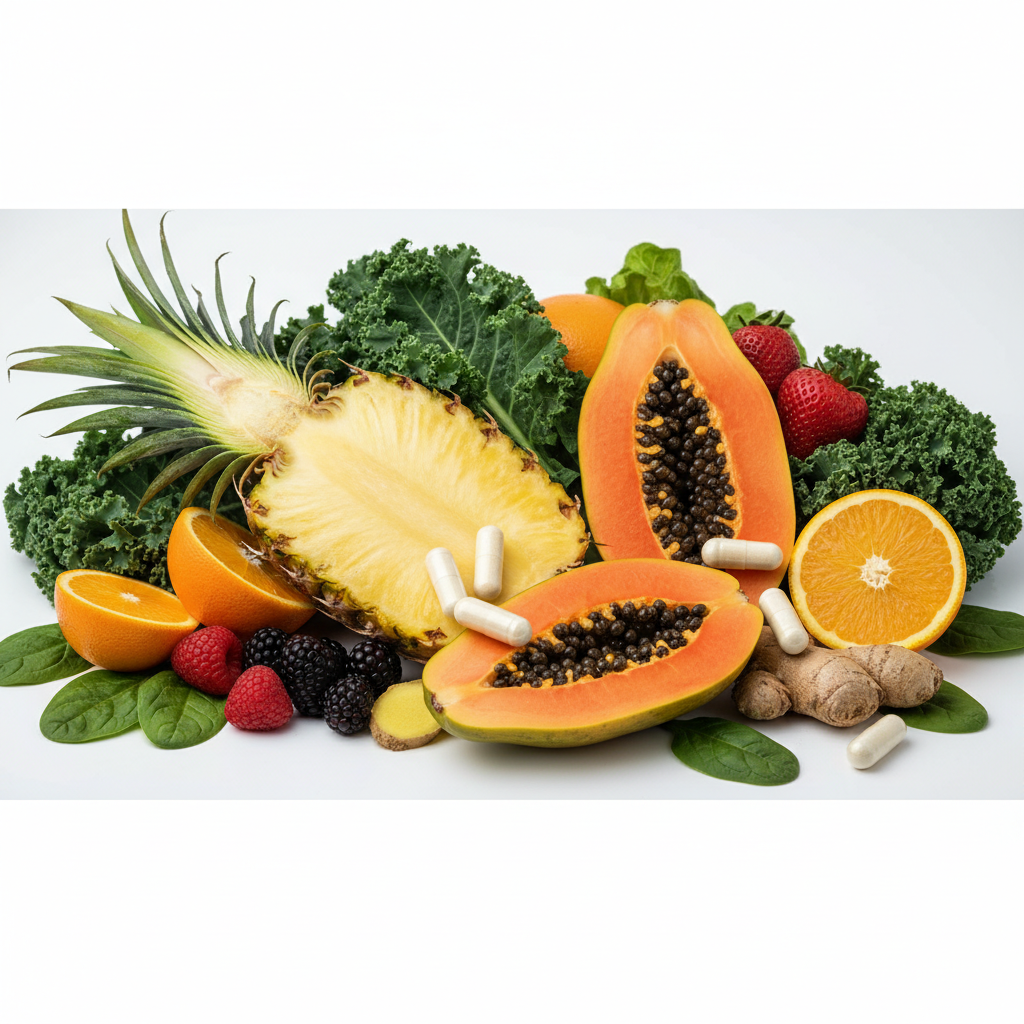
Digestive enzyme supplements are designed to assist your body in breaking down the foods you eat, facilitating better nutrient absorption and potentially easing digestive discomforts such as bloating, gas, and indigestion. For many, these supplements can be a valuable tool in supporting overall gut health, especially for those with natural enzyme deficiencies, certain medical conditions, or simply as a way to optimize digestion of a varied diet. This article delves into what digestive enzymes are, who can benefit from them, how to choose the best options, and practical advice for their use.
Understanding Digestive Enzymes: What They Are and How They Work
Digestive enzymes are proteins that act as catalysts, speeding up the chemical reactions that break down complex food molecules into smaller, absorbable units. Your body naturally produces a wide array of these enzymes in organs like the salivary glands, stomach, pancreas, and small intestine. For instance, carbohydrates are broken down into simple sugars, proteins into amino acids, and fats into fatty acids and glycerol. Without sufficient enzymes, food can remain undigested, leading to fermentation in the gut, which often results in gas, bloating, and discomfort. Supplementing with digestive enzymes introduces these crucial catalysts externally, helping to ensure that food is properly processed before it reaches the lower digestive tract.
Who Can Benefit from Digestive Enzyme Supplements?
While many people produce enough digestive enzymes naturally, certain individuals may experience a deficiency or benefit from supplemental support. Those with conditions affecting the pancreas, such as pancreatitis or cystic fibrosis, often have impaired enzyme production. Similarly, individuals with celiac disease, Crohn's disease, or irritable bowel syndrome (IBS) may find relief from digestive symptoms. Even healthy individuals can sometimes struggle with digesting specific foods, like lactose or certain plant fibers. Symptoms such as chronic indigestion, heartburn, excessive gas, bloating, and undigested food in stool can all be indicators that digestive enzyme support might be beneficial. Consulting with a healthcare provider can help determine if a deficiency is present and if supplementation is appropriate for your specific needs.
Key Types of Digestive Enzymes and Their Roles
Different enzymes target different types of food molecules. Understanding these can help you choose the right supplement.
Proteases (for Proteins)
Proteases, including pepsin, trypsin, and chymotrypsin, are responsible for breaking down proteins into smaller peptides and amino acids. These are crucial for muscle repair, immune function, and numerous other bodily processes. Supplements often contain bromelain (from pineapple) and papain (from papaya), which are plant-derived proteases known for their broad activity.
Amylases (for Carbohydrates)
Amylases break down complex carbohydrates and starches into simpler sugars. Salivary amylase begins this process in the mouth, and pancreatic amylase continues it in the small intestine. Insufficient amylase can lead to discomfort after consuming starchy foods like bread, pasta, or potatoes.
Lipases (for Fats)
Lipases are essential for breaking down dietary fats (triglycerides) into fatty acids and glycerol, which are then absorbed. Pancreatic lipase is the primary enzyme for fat digestion. Individuals with fat malabsorption may experience greasy stools or deficiencies in fat-soluble vitamins (A, D, E, K).
Lactase (for Lactose)
Lactase specifically breaks down lactose, the sugar found in milk and dairy products, into glucose and galactose. Many adults experience a decline in natural lactase production, leading to lactose intolerance symptoms like bloating, gas, and diarrhea after consuming dairy. Lactase supplements are highly effective for managing these symptoms.
Cellulase (for Plant Fibers)
Humans do not naturally produce cellulase, an enzyme that breaks down cellulose, the primary component of plant cell walls. Supplemental cellulase can help digest fibrous vegetables, fruits, and grains, potentially reducing gas and bloating associated with high-fiber diets and improving nutrient release from plant foods.
How to Choose the Best Digestive Enzyme Supplement
Selecting the right digestive enzyme supplement involves considering several factors to match your specific needs.
Broad-Spectrum vs. Targeted Formulas
Broad-spectrum formulas contain a wide range of enzymes (protease, amylase, lipase, lactase, cellulase, etc.) and are suitable for general digestive support or when the specific cause of discomfort is unknown. Targeted formulas, like those primarily containing lactase or specific proteases, are best for addressing known intolerances or deficiencies.
Enzyme Activity Units
Unlike vitamins, enzymes are measured by their activity units, not by weight (mg). Look for supplements that list specific units like FCC (Food Chemical Codex) for each enzyme (e.g., DU for amylase, HUT for protease, FIP for lipase, ALU for lactase). Higher activity units generally indicate a more potent supplement.
Ingredient Quality and Purity
Opt for supplements from reputable brands that provide third-party testing for purity and potency. Check for unnecessary fillers, artificial colors, or common allergens if you have sensitivities. Plant-derived enzymes (like bromelain, papain, fungal amylase/lipase) are often preferred for their stability across a wider pH range in the digestive tract.
Our Methodology for Selecting Top Digestive Enzyme Supplements
Our selection process for identifying the best digestive enzyme supplements focuses on several key criteria to ensure efficacy, safety, and value. We prioritize formulas that offer comprehensive enzyme profiles, utilizing high-activity units as measured by the Food Chemical Codex (FCC) standards. Emphasis is placed on products that clearly list all active enzymes and their specific activity levels, allowing for transparency and informed decision-making. We also consider the source of enzymes, favoring plant-derived or microbial enzymes for their broad pH stability, which enhances their effectiveness throughout the varied environments of the digestive tract. Furthermore, we evaluate ingredient purity, avoiding unnecessary fillers, artificial additives, and common allergens, and look for brands that demonstrate a commitment to quality through third-party testing and good manufacturing practices (GMP) certifications.
Top Picks: Best Digestive Enzyme Supplements for Various Needs
Based on our methodology, here are categories of digestive enzyme supplements that stand out for different digestive support requirements.
Best Overall Broad-Spectrum Digestive Enzyme
For general digestive support and addressing a wide range of food types, a high-potency broad-spectrum blend is ideal. These formulas typically feature a robust combination of proteases, amylases, and lipases, often supplemented with lactase and cellulase. They are suitable for individuals experiencing general indigestion, bloating, or gas after meals, regardless of specific food triggers. Dosing usually involves taking one or two capsules just before or with your largest meals. These blends are generally well-tolerated, with minimal side effects.
Best for Lactose Intolerance
Individuals specifically struggling with dairy digestion will benefit most from a targeted lactase enzyme supplement. These products contain high units of lactase (measured in ALU) to effectively break down lactose into simpler sugars, preventing the common symptoms of lactose intolerance. They are best taken immediately before consuming dairy products. While highly effective, they only address lactose digestion and may not alleviate other digestive issues. Safety is high, with virtually no reported side effects beyond rare allergic reactions.
Best for Plant-Based Diets and Fiber Digestion
For those following plant-rich or vegetarian/vegan diets, or anyone who finds high-fiber foods challenging to digest, a supplement emphasizing enzymes like cellulase, hemicellulase, xylanase, and pectinase can be highly beneficial. These enzymes help break down complex plant fibers and carbohydrates that the human body cannot naturally digest, reducing gas and bloating associated with fibrous foods. They can also aid in nutrient extraction from plant matter. Dosing is typically with meals containing significant plant fiber. These are generally safe and can significantly improve comfort for those with sensitive digestion to plant foods.
How We Chose Our Top Recommendations
Our recommendations are derived from a comprehensive analysis of product formulations, scientific evidence supporting enzyme efficacy, and consumer feedback. We prioritize supplements that demonstrate a commitment to quality and transparency, ensuring that the listed enzyme activities are verifiable and that products are free from contaminants. While we do not endorse specific brands, our categories represent the types of formulations that consistently deliver effective digestive support based on their enzyme profiles and activity levels. Our goal is to guide you toward making an informed choice that aligns with your individual digestive health goals.
Dosing and Timing for Optimal Results
For most digestive enzyme supplements, the general recommendation is to take them just before or with your first bite of a meal. This timing ensures the enzymes are present in your digestive tract when food arrives, allowing them to begin breaking down nutrients immediately. The specific dosage will vary depending on the product's potency and your individual needs. Always start with the lowest recommended dose and observe your body's response. You may increase the dose gradually if needed, but never exceed the manufacturer's maximum recommended amount. Consistency is key; regular use with meals tends to yield the best results for ongoing digestive support.
Potential Side Effects and Safety Considerations
Digestive enzyme supplements are generally considered safe for most people when taken as directed. However, some individuals may experience mild side effects, particularly when first starting supplementation or taking higher doses. These can include nausea, diarrhea, abdominal cramps, or allergic reactions (especially if allergic to the source material, such as pineapple for bromelain). If you experience severe or persistent side effects, discontinue use and consult a healthcare professional. Individuals with specific medical conditions, such as bleeding disorders or those taking blood-thinning medications, should exercise caution and seek medical advice before using enzyme supplements, as some enzymes (like bromelain) may have anticoagulant properties. Always inform your doctor about any supplements you are taking.
When to Consult a Healthcare Professional
While digestive enzyme supplements can offer significant relief for many, they are not a substitute for professional medical advice. If you experience persistent or severe digestive symptoms, unexplained weight loss, blood in your stool, chronic diarrhea, or any other concerning symptoms, it is crucial to consult a doctor. These symptoms could indicate an underlying medical condition that requires diagnosis and treatment. A healthcare provider can help determine the root cause of your digestive issues, advise on the appropriateness of enzyme supplementation, and ensure it doesn't interact with other medications or conditions you may have. For comprehensive overall gut health, a holistic approach including diet, lifestyle, and professional guidance is often most effective.