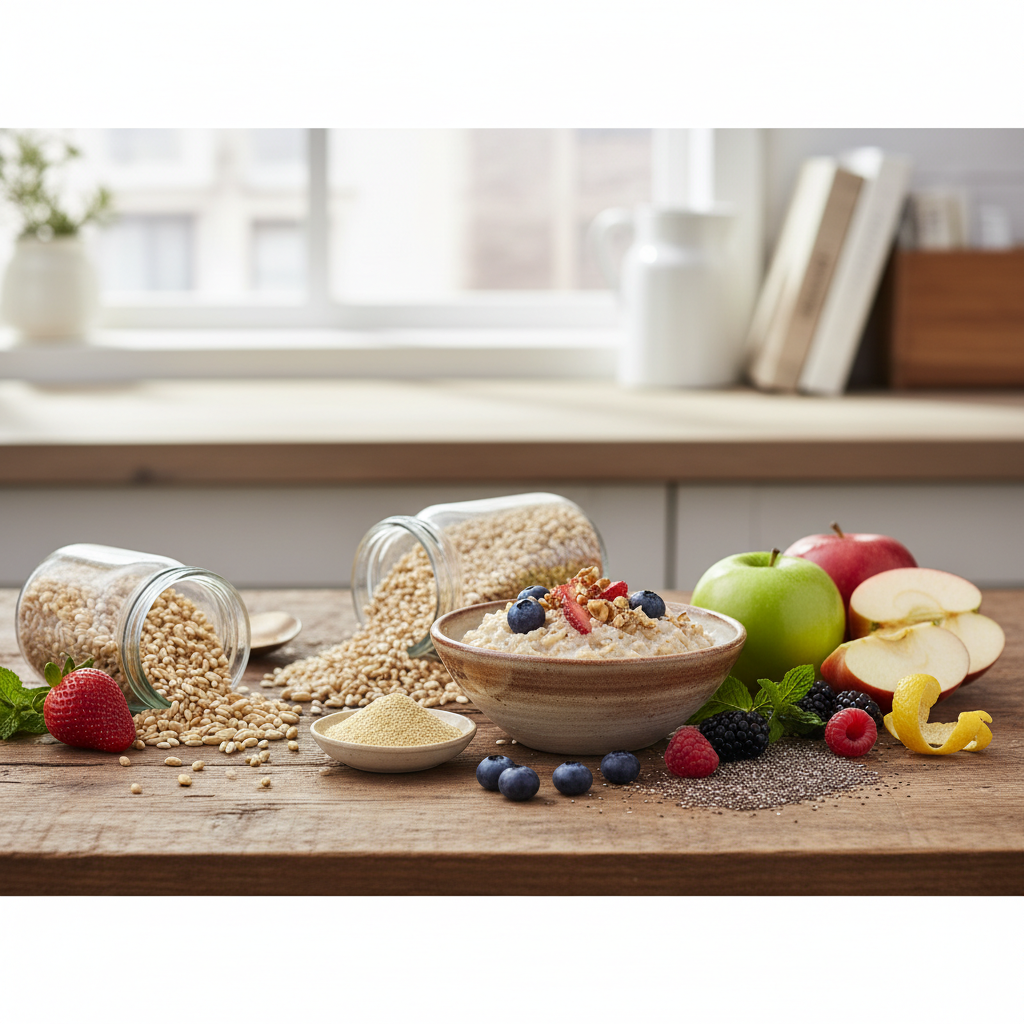
Incorporating the right types of fiber into your diet is a highly effective strategy for managing cholesterol levels and supporting overall cardiovascular health. Soluble fibers, in particular, play a crucial role by interfering with cholesterol absorption and promoting its excretion from the body. Understanding which fibers are most beneficial, their mechanisms of action, and appropriate dosing can empower individuals to make informed choices to optimize their cholesterol profile.
Understanding Cholesterol and Fiber
Cholesterol is a waxy, fat-like substance found in all cells of your body. It's essential for making hormones, vitamin D, and substances that help you digest food. However, high levels of certain types of cholesterol can increase your risk of heart disease. We primarily talk about two types: low-density lipoprotein (LDL) cholesterol, often called "bad" cholesterol, which contributes to plaque buildup in arteries, and high-density lipoprotein (HDL) cholesterol, or "good" cholesterol, which helps remove excess cholesterol from the body.
Dietary fiber is a type of carbohydrate that the body cannot digest. It passes through the digestive system relatively intact, offering numerous health benefits. Fiber is broadly categorized into two main types: soluble fiber and insoluble fiber. While both are important for health, soluble fiber is the primary player when it comes to cholesterol management.
- Soluble Fiber: This type of fiber dissolves in water to form a gel-like substance. It's found in oats, barley, nuts, seeds, beans, lentils, peas, and some fruits and vegetables. Soluble fiber is particularly effective at lowering LDL cholesterol.
- Insoluble Fiber: This type of fiber does not dissolve in water. It adds bulk to stool and helps food pass more quickly through the stomach and intestines. It's found in whole wheat flour, wheat bran, nuts, beans, and vegetables like cauliflower, green beans, and potatoes. While crucial for digestive health, its direct impact on cholesterol is less pronounced than soluble fiber.
How Fiber Lowers Cholesterol: The Mechanisms
The cholesterol-lowering effects of soluble fiber are primarily attributed to several key mechanisms within the digestive system:
- Bile Acid Binding: The liver uses cholesterol to produce bile acids, which are essential for fat digestion. Soluble fiber binds to these bile acids in the small intestine, preventing their reabsorption into the bloodstream. Because these bound bile acids are then excreted in the feces, the liver must draw more cholesterol from the blood to produce new bile acids, thereby lowering circulating LDL cholesterol levels.
- Reduced Cholesterol Absorption: When soluble fiber forms a viscous gel in the digestive tract, it can trap dietary cholesterol and fats, reducing their absorption into the bloodstream. This physical barrier helps to prevent cholesterol from entering the body from food.
- Short-Chain Fatty Acid (SCFA) Production: In the large intestine, gut bacteria ferment soluble fibers, producing short-chain fatty acids (SCFAs) like acetate, propionate, and butyrate. Propionate, in particular, has been studied for its potential to inhibit cholesterol synthesis in the liver, further contributing to lower LDL levels. These SCFAs also have broader benefits for gut health and inflammation.
The Best Fibers for Cholesterol Management
While many fibers offer health benefits, certain soluble fibers stand out for their proven efficacy in lowering cholesterol. Here are some of the best fibers for cholesterol, along with their mechanisms, typical doses, and considerations:
Psyllium Husk
What it is and how it works: Psyllium is a soluble fiber derived from the seeds of the Plantago ovata plant. It is highly hydrophilic, meaning it readily absorbs water to form a thick, viscous gel. This gel is particularly effective at binding to bile acids and dietary cholesterol in the gut, facilitating their excretion and prompting the liver to use more circulating cholesterol to synthesize new bile acids.
Evidence: Psyllium is one of the most well-researched fibers for cholesterol reduction, with numerous studies demonstrating its ability to significantly lower total and LDL cholesterol levels. It's often recommended by healthcare professionals for this purpose.
Dosing and who it suits: A typical effective dose ranges from 5 to 10 grams per day, often split into two doses. It's crucial to consume psyllium with plenty of water to prevent constipation and ensure the gel forms properly. Psyllium is suitable for most individuals looking for a reliable and potent fiber supplement to support cholesterol management.
Beta-Glucan (from Oats and Barley)
What it is and how it works: Beta-glucan is a type of soluble fiber found abundantly in oats and barley. Similar to psyllium, it forms a viscous gel in the digestive tract, which binds to bile acids and reduces the absorption of dietary cholesterol. The viscosity of beta-glucan is key to its cholesterol-lowering action.
Evidence: The cholesterol-lowering effects of beta-glucan are well-established, leading to an FDA-approved health claim for its role in reducing the risk of heart disease. Regular consumption of oats and barley has been consistently linked to improved lipid profiles.
Dosing and who it suits: To achieve significant cholesterol benefits, a daily intake of at least 3 grams of beta-glucan is recommended. This can be easily obtained by consuming foods like oatmeal (one bowl can provide 1-2 grams), oat bran, or barley. Beta-glucan is an excellent choice for individuals who prefer to increase their fiber intake through whole foods as part of a balanced diet.
Glucomannan (from Konjac Root)
What it is and how it works: Glucomannan is a natural, water-soluble dietary fiber extracted from the konjac plant. It is renowned for its exceptional ability to absorb water, expanding up to 50 times its weight to form an extremely viscous gel. This gel effectively traps cholesterol and bile acids, reducing their absorption and promoting their excretion.
Evidence: Studies have shown glucomannan to be effective in lowering total cholesterol, LDL cholesterol, and triglycerides, while also potentially aiding in weight management by promoting satiety.
Dosing and who it suits: Doses typically range from 2 to 4 grams per day, often taken before meals. Due to its high water absorption capacity, it is absolutely essential to take glucomannan with a large glass of water to prevent choking or esophageal blockage. It suits individuals looking for a potent soluble fiber, particularly those also interested in appetite control.
Pectin (from Fruits)
What it is and how it works: Pectin is a soluble fiber found in many fruits (especially apples, citrus fruits, and berries) and some vegetables. It forms a gel in the digestive tract, which can bind to cholesterol and bile acids, similar to other soluble fibers. The specific structure of pectin can vary, influencing its viscosity and cholesterol-lowering potential.
Evidence: While not as extensively studied as psyllium or beta-glucan for isolated cholesterol effects, numerous studies support the general benefits of fruit and vegetable consumption, with pectin contributing to these effects. Moderate evidence suggests pectin can lower LDL cholesterol.
Dosing and who it suits: Pectin is primarily consumed through diet. Increasing intake of pectin-rich foods is a safe and healthy way to boost fiber. If supplementing, doses can range from 5 to 15 grams per day. It's suitable for anyone looking to enhance their diet with more fruits and vegetables, thereby naturally increasing their soluble fiber intake.
Inulin and Fructooligosaccharides (FOS)
What it is and how it works: Inulin and FOS are prebiotic fibers, meaning they selectively feed beneficial gut bacteria. While their primary role is gut health, the fermentation of these fibers by gut microbes produces short-chain fatty acids (SCFAs), which may indirectly influence cholesterol metabolism by inhibiting liver cholesterol synthesis.
Evidence: The evidence for direct, significant LDL cholesterol lowering from inulin and FOS is less robust compared to psyllium or beta-glucan. Their benefits are more strongly linked to gut microbiome modulation and general digestive health.
Dosing and who it suits: Doses vary, but typically 5-10 grams per day. Found in foods like chicory root, garlic, onions, and asparagus, or as fiber supplements. These fibers are best suited for individuals prioritizing gut health with a secondary, less direct benefit for cholesterol, but sensitive individuals may experience more gas and bloating.
Dosing and Practical Considerations
When incorporating fiber for cholesterol management, consistency and proper technique are key:
- Start Low, Go Slow: If you're new to high-fiber intake, begin with a small dose (e.g., 2-3 grams of soluble fiber per day) and gradually increase it over several weeks. This allows your digestive system to adjust and minimizes side effects like gas and bloating.
- Hydration is Crucial: Soluble fibers absorb water. To prevent constipation and ensure they work effectively, drink plenty of fluids throughout the day, especially when taking fiber supplements. Aim for at least 8 glasses of water daily.
- Timing: If taking fiber supplements, consider taking them with meals or as directed on the product label. Some people prefer to take them between meals. If you are taking medications, it's generally advisable to take fiber supplements at least 1-2 hours before or after your medications to avoid potential interference with drug absorption.
- Food vs. Supplements: While supplements offer a concentrated dose of soluble fiber, prioritizing fiber-rich whole foods (oats, barley, fruits, vegetables, legumes) provides a broader spectrum of nutrients, vitamins, and antioxidants that contribute to overall health. A combination of both can be an effective strategy.
Safety, Side Effects, and Interactions
Fiber is generally safe for most people, but certain considerations are important:
- Common Side Effects: The most common side effects of increasing fiber intake are gas, bloating, and abdominal discomfort. These usually subside as your body adjusts and can be minimized by starting with a low dose and increasing gradually, along with adequate hydration.
- Constipation: Paradoxically, if you don't drink enough water with fiber, especially soluble fiber, it can lead to constipation or even bowel obstruction. Always ensure sufficient fluid intake.
- Medication Interactions: Fiber, particularly viscous soluble fiber, can bind to certain medications in the digestive tract, potentially reducing their absorption and effectiveness. This is especially true for medications like tricyclic antidepressants, digoxin, carbamazepine, and oral hypoglycemics. Always take fiber supplements at least 1-2 hours apart from any prescribed medications.
- Specific Concerns: Individuals with dysphagia (difficulty swallowing) or a history of esophageal strictures should be particularly cautious with highly expansive fibers like glucomannan, ensuring it's taken with ample water.
When to Talk to a Clinician
While increasing fiber intake is a safe and beneficial strategy for many, it's always wise to consult a healthcare professional in certain situations:
- Before Starting New Supplements: If you have underlying health conditions, are pregnant or breastfeeding, or are taking any medications, discuss any new fiber supplement regimen with your doctor or a registered dietitian.
- Persistent Side Effects: If you experience severe or persistent gastrointestinal side effects despite gradual introduction and adequate hydration, seek medical advice.
- No Improvement in Cholesterol: If your cholesterol levels are not improving despite consistent and appropriate fiber intake, your doctor can help evaluate other potential causes and adjust your treatment plan.
- As Part of a Broader Strategy: Fiber is one component of heart health. Your clinician can help integrate fiber into a comprehensive plan that may include diet, exercise, and potentially other medications to manage cholesterol effectively.