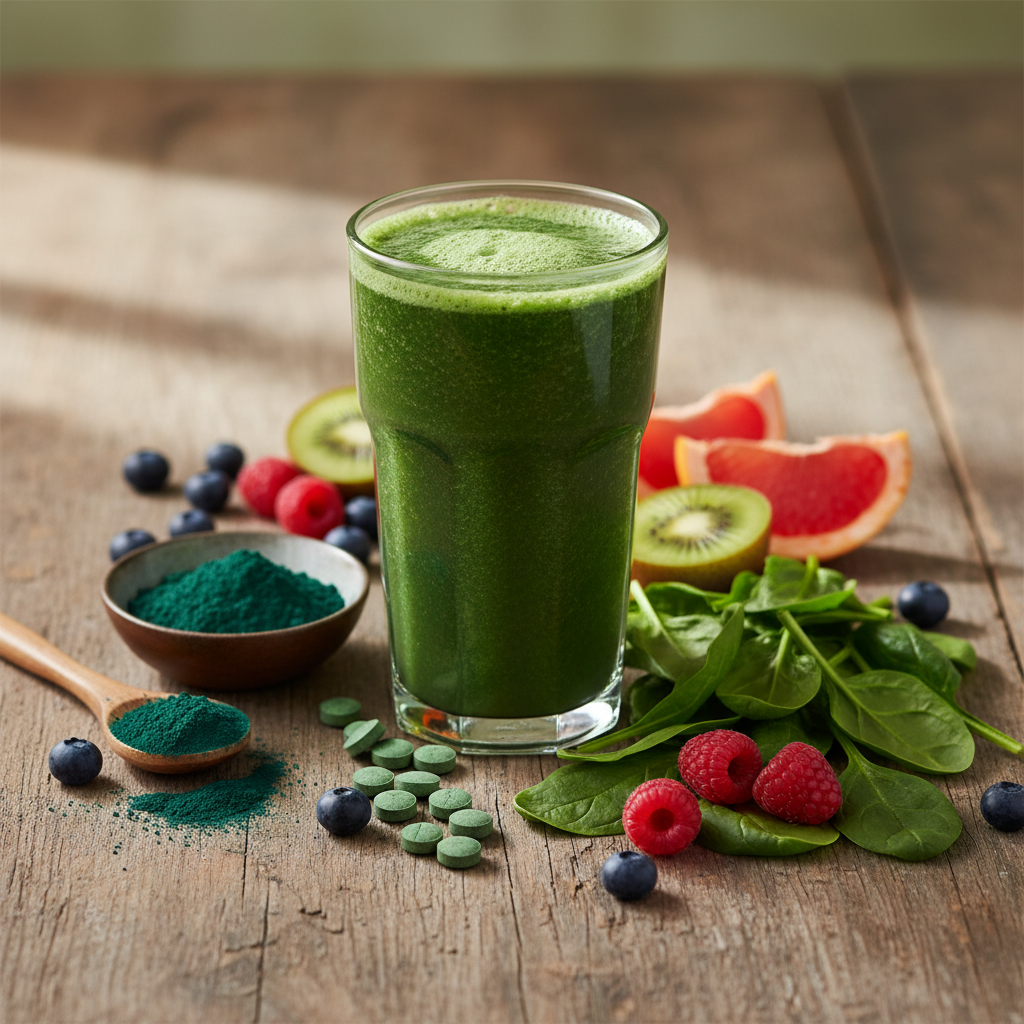
Green supplements, often referred to as 'greens powders' or 'superfood blends,' are dietary supplements made from a concentrated mix of nutrient-dense ingredients like vegetables, fruits, algae, grasses, and probiotics. They are designed to provide a convenient way to boost your daily intake of essential vitamins, minerals, antioxidants, and other beneficial plant compounds that might be missing from a typical diet. This article will explore what makes the best green supplements stand out, detailing their potential benefits, key ingredients, and practical advice on how to choose and use them effectively to support your overall health and vitality.
What Are Green Supplements and Why Consider Them?
Green supplements are typically powdered formulations derived from a wide array of dehydrated plant-based ingredients. Common components include leafy greens such as spinach and kale, cereal grasses like wheatgrass and barley grass, nutrient-rich algae such as spirulina and chlorella, and various other fruits, vegetables, herbs, and digestive aids. The primary appeal of these supplements lies in their ability to deliver a broad spectrum of micronutrients and phytonutrients in a single, easy-to-consume serving. Many individuals turn to green supplements to complement a diet that may lack sufficient fresh produce, aiming to enhance energy levels, support immune function, improve digestion, and provide antioxidant protection against cellular damage.
The rationale behind incorporating green supplements into one's routine often stems from the understanding that modern diets, even seemingly healthy ones, can sometimes fall short in providing the optimal diversity and quantity of plant-based nutrients. Factors like soil depletion, food processing, and busy lifestyles can contribute to this gap. Green powders offer a concentrated dose of these vital compounds, potentially contributing to better overall health outcomes. While they are not a substitute for whole foods, they can act as a powerful nutritional insurance policy, ensuring a consistent intake of beneficial plant compounds.
Our Methodology for Selecting the Best Green Supplements
Identifying the best green supplements requires a rigorous approach, focusing on several critical criteria to ensure efficacy, safety, and value. Our selection methodology prioritizes products that demonstrate transparency, quality, and a commitment to delivering genuine health benefits. We evaluate supplements based on:
- Ingredient Quality and Sourcing: Top-tier green supplements utilize organic, non-GMO ingredients whenever possible. We look for products that clearly state the origin of their ingredients and avoid synthetic additives, artificial sweeteners, or fillers. The presence of whole-food-derived nutrients is paramount.
- Nutrient Density and Diversity: A superior green supplement offers a wide array of greens, fruits, vegetables, and often includes digestive enzymes, probiotics, and adaptogens. The goal is a comprehensive blend that provides a broad spectrum of vitamins, minerals, antioxidants, and phytonutrients.
- Third-Party Testing and Certifications: Independent third-party testing is crucial for verifying a product's purity, potency, and absence of contaminants like heavy metals, pesticides, and microbes. Certifications (e.g., USDA Organic, NSF Certified) provide an additional layer of assurance regarding quality and safety.
- Transparency and Labeling: The best brands are transparent about their ingredient list, including the specific amounts of key active ingredients (not just proprietary blends). Clear labeling helps consumers understand exactly what they are consuming.
- Absence of Artificial Additives: We favor supplements free from artificial colors, flavors, sweeteners, and unnecessary binders or fillers that can detract from the product's nutritional value and potentially cause adverse reactions.
- Taste and Mixability: While taste is subjective, a good green supplement should be reasonably palatable and mix easily into water, juice, or smoothies without clumping, making daily consumption more enjoyable and sustainable.
- Brand Reputation and Customer Reviews: A consistent track record of positive customer feedback and a strong brand reputation for quality and integrity are also important considerations in our evaluation process.
Top Picks: A Deep Dive into Leading Green Supplements
Based on our rigorous methodology, the best green supplements often fall into categories that cater to different needs and preferences. Here, we highlight the characteristics of leading types of green supplements that excel in delivering comprehensive nutritional support.
Comprehensive Superfood Blends
These blends are designed to offer a broad spectrum of nutrients from a diverse range of plant sources. They typically combine a variety of leafy greens, cereal grasses, algae, fruits, vegetables, and often include additional components like digestive enzymes, probiotics, and adaptogenic herbs. The mechanism of action for these blends is synergistic; the wide array of compounds works together to support overall bodily functions, from immune health to energy production and cellular protection. For instance, the combination of antioxidants from berries and greens can provide enhanced protection against oxidative stress. These blends are ideal for individuals seeking a convenient daily nutritional boost to complement their diet and support general wellness. Dosing usually involves one scoop mixed with water or a smoothie daily, as per label instructions. They are generally safe for most healthy adults, though individuals with specific allergies or sensitivities should review the ingredient list carefully.
Targeted Detox & Gut Health Formulas
Some green supplements are specifically formulated with ingredients known for their roles in supporting detoxification pathways and promoting gut health. These often feature higher concentrations of ingredients like chlorella, known for its potential to bind to heavy metals and toxins, and dandelion root or milk thistle, which are traditionally used to support liver function. Additionally, robust blends of prebiotics and probiotics are included to foster a healthy gut microbiome, which is crucial for nutrient absorption, immune function, and overall well-being. The mechanism here is focused on enhancing the body's natural cleansing processes and optimizing digestive efficiency. These formulas are best suited for individuals looking to specifically support their digestive system, alleviate occasional bloating, or aid in the body's natural detoxification processes. Dosing should strictly follow product guidelines, as some detox-specific ingredients may have more potent effects. While generally safe, individuals with liver conditions or those on specific medications should consult a healthcare provider.
Single-Ingredient Powerhouses (e.g., Spirulina or Wheatgrass)
For those who prefer a more focused approach or have specific nutritional needs, single-ingredient green supplements can be an excellent choice. Examples include pure spirulina powder, chlorella tablets, or concentrated wheatgrass juice powder. Spirulina, for instance, is a blue-green algae renowned for its exceptionally high protein content, B vitamins, iron, and the powerful antioxidant phycocyanin. Wheatgrass is celebrated for its chlorophyll content, vitamins, and minerals. The mechanism of these single-ingredient options is straightforward: they deliver a concentrated dose of the specific nutrients and bioactive compounds inherent to that particular plant. These are ideal for individuals who want to target a particular nutritional gap or benefit, such as boosting protein intake with spirulina or increasing chlorophyll intake with wheatgrass. Dosing can often be higher than multi-ingredient blends, but it's essential to start with a lower dose and gradually increase to assess tolerance. Purity and sourcing are especially critical for these products to avoid contaminants, particularly for algae grown in water.
Key Ingredients in Green Supplements and Their Benefits
The efficacy of green supplements largely stems from the potent combination of their diverse ingredients. Here's a look at some of the most common and beneficial components:
- Spirulina: A blue-green algae packed with protein, B vitamins, iron, and antioxidants like phycocyanin, which may support immune function and have anti-inflammatory properties.
- Chlorella: Another algae, rich in chlorophyll, vitamins, and minerals. It's often studied for its potential role in detoxification, particularly its ability to bind to heavy metals.
- Wheatgrass and Barley Grass: Young cereal grasses known for their high chlorophyll content, vitamins (A, C, E, K), minerals (iron, calcium, magnesium), and amino acids. They are often associated with antioxidant support and alkalinity.
- Alfalfa: A nutrient-dense legume rich in vitamins K, C, copper, manganese, and folate. It's traditionally used for its overall nutritive value.
- Kale and Spinach: Common leafy greens providing vitamins A, C, K, folate, and a host of antioxidants and fiber, supporting eye health, bone health, and digestion.
- Broccoli and Brussels Sprouts: Cruciferous vegetables containing compounds like sulforaphane, which are studied for their potential roles in cellular health and detoxification.
- Probiotics and Prebiotics: Often included to support gut health. Probiotics introduce beneficial bacteria, while prebiotics feed these bacteria, fostering a balanced microbiome essential for digestion and immunity.
- Digestive Enzymes: Such as amylase, lipase, and protease, these enzymes aid in the breakdown and absorption of nutrients from food and the supplement itself, enhancing bioavailability.
- Adaptogens: Herbs like Ashwagandha, Rhodiola, or Ginseng are sometimes added to help the body adapt to stress and support overall vitality and balance. Evidence for their efficacy in green blends is preliminary but promising.
How to Choose the Right Green Supplement for You
With a multitude of options available, selecting the best green supplement can feel overwhelming. Consider these factors to make an informed decision tailored to your individual needs:
- Define Your Health Goals: Are you looking for general wellness, improved digestion, enhanced energy, or immune support? Your primary goal will help narrow down formulations that emphasize certain ingredients.
- Scrutinize the Ingredient List: Look for whole-food-derived ingredients, organic certifications, and a transparent label that lists specific ingredient amounts rather than just proprietary blends. Avoid products with excessive fillers, artificial sweeteners, or synthetic ingredients.
- Check for Third-Party Testing: This is paramount for ensuring purity and potency. Certifications from organizations like NSF International, USP, or ConsumerLab indicate that the product has been independently verified for quality and absence of contaminants.
- Consider Taste and Mixability: While health benefits are key, a supplement you enjoy consuming regularly is one you'll stick with. Many brands offer sample sizes or money-back guarantees. Read reviews regarding taste and how well the powder dissolves.
- Assess Price vs. Quality: Higher price doesn't always equate to higher quality, but extremely cheap options might cut corners on ingredient sourcing or testing. Look for a balance that offers good value for a high-quality product.
- Allergies and Dietary Restrictions: If you have allergies (e.g., to gluten, soy, nuts) or follow a specific diet (e.g., vegan), ensure the supplement aligns with your requirements.
Dosing, Safety, and Potential Side Effects
Green supplements are generally considered safe for most healthy individuals when taken as directed. However, like any dietary supplement, it's crucial to adhere to recommended dosages and be aware of potential side effects or interactions.
- Dosing: Always follow the dosage instructions provided on the product label. Most green powders suggest one scoop (typically 5-10 grams) mixed with water or a beverage daily. It's often advisable to start with a smaller dose to assess tolerance and gradually increase to the recommended amount.
- Potential Side Effects: Some individuals may experience mild digestive upset, such as bloating, gas, or changes in bowel movements, especially when first introducing green supplements. This is often temporary as the body adjusts to the increased fiber and nutrient load. Starting with a lower dose can help mitigate these effects.
- Interactions: Certain ingredients in green supplements can interact with medications. For example, ingredients high in Vitamin K (like kale and spinach) can interfere with blood-thinning medications such as warfarin. Individuals on immunosuppressants should be cautious with supplements containing immune-boosting herbs. Probiotics can also interact with antibiotics.
- When to Consult a Clinician: It is always recommended to consult a healthcare professional before starting any new supplement, especially if you have pre-existing medical conditions, are pregnant or breastfeeding, or are taking prescription medications. They can provide personalized advice and ensure the supplement is appropriate for your specific health profile. For more general guidance on supplement use, you can refer to resources on supplement safety guidelines.
Integrating Green Supplements into Your Daily Routine
Making green supplements a consistent part of your daily routine is key to experiencing their potential benefits. Here are some practical tips:
- Mix with Your Favorite Beverage: The most common way to consume green powders is by mixing them into water, juice, or a smoothie. Blending them with fruits like bananas or berries can help mask the earthy taste that some greens powders have.
- Consistency is Key: For optimal results, aim to take your green supplement daily. Choose a time that works best for you – whether it's first thing in the morning, with breakfast, or as an afternoon pick-me-up.
- Experiment with Recipes: Don't limit yourself to just drinks. Green powders can be added to oatmeal, yogurt, salad dressings, or even baked goods (though heat may reduce the potency of some heat-sensitive nutrients like certain vitamins and enzymes).
- Not a Meal Replacement: Remember that green supplements are designed to complement, not replace, a balanced diet. Continue to prioritize whole, unprocessed foods, including plenty of fresh fruits and vegetables.
- Listen to Your Body: Pay attention to how your body responds to the supplement. If you experience persistent discomfort, adjust your dosage or consult with a healthcare professional.