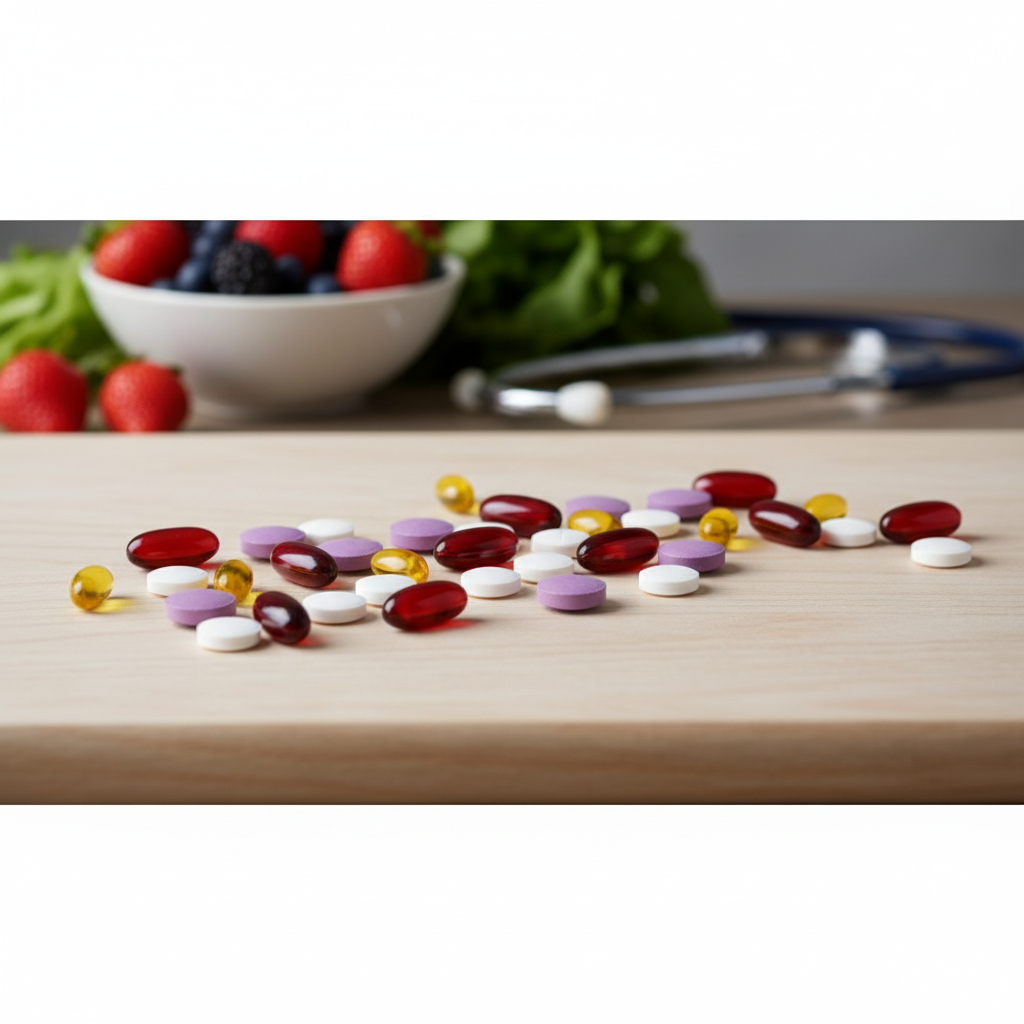
Navigating the vast world of dietary supplements for heart health can be overwhelming. Many products promise miraculous results, but only a select few are backed by robust scientific evidence. This article cuts through the noise to highlight the best heart supplements, focusing on those with established mechanisms of action, demonstrated efficacy in human trials, and favorable safety profiles. Our goal is to provide you with evidence-led information to help you make informed choices that complement a healthy lifestyle and, where necessary, medical guidance.
Our Approach to Identifying the Best Heart Supplements
When evaluating supplements for cardiovascular health, we prioritize several key criteria. First, the supplement must have a clear and plausible mechanism of action related to heart function. Second, there must be a significant body of human clinical trials supporting its benefits, not just animal or in vitro studies. Third, we consider the safety profile, potential side effects, and known interactions with medications. Finally, practical aspects like bioavailability and common dosing are also taken into account. It's crucial to remember that supplements are intended to support health, not to treat, cure, or prevent disease. Always consult your doctor before adding any new supplement to your routine, especially if you have existing health conditions or are on medication.
Omega-3 Fatty Acids (Fish Oil)
Omega-3 fatty acids, specifically eicosapentaenoic acid (EPA) and docosahexaenoic acid (DHA), are perhaps the most well-researched omega-3 fatty acids for heart health. They are polyunsaturated fats found abundantly in fatty fish like salmon, mackerel, and sardines. Their primary mechanism of action involves reducing inflammation, which is a key contributor to cardiovascular disease. Omega-3s can also help lower triglyceride levels, a type of fat in the blood that, when elevated, increases the risk of heart disease. Furthermore, they may contribute to maintaining healthy blood pressure and supporting normal heart rhythm.
Evidence and Efficacy
Numerous large-scale studies and meta-analyses have investigated the role of omega-3s. High-dose prescription omega-3s (typically 2-4 grams of EPA/DHA daily) have been shown to significantly reduce triglyceride levels and may lower the risk of major adverse cardiovascular events in certain high-risk populations. For general heart health support, lower doses (around 1 gram combined EPA/DHA daily) are commonly recommended and are associated with modest benefits.
Dosing and Safety
For general cardiovascular support, a typical dose ranges from 500 mg to 1000 mg of combined EPA and DHA per day. For triglyceride reduction, higher doses (2-4 grams) under medical supervision may be prescribed. Side effects are generally mild and can include a fishy aftertaste, indigestion, or loose stools. High doses may increase the risk of bleeding, so individuals on blood-thinning medications should exercise caution and consult their physician. Always look for supplements that are third-party tested for purity and contaminants like mercury.
Coenzyme Q10 (CoQ10)
Coenzyme Q10, or CoQ10, is a vitamin-like compound naturally produced in the body and found in every cell. It plays a critical role in cellular energy production, particularly in the mitochondria, which are often called the 'powerhouses' of the cell. Organs with high energy demands, such as the heart, have higher concentrations of CoQ10. Beyond its role in energy metabolism, CoQ10 is also a potent antioxidant, helping to neutralize harmful free radicals that can damage cells and contribute to cardiovascular issues.
Evidence and Efficacy
Research suggests CoQ10 supplementation may be beneficial for individuals with certain heart conditions. It is particularly noted for its potential to alleviate muscle pain (myalgia) associated with statin medications, which can deplete natural CoQ10 levels. Some studies indicate that CoQ10 may support heart function in individuals with heart failure, though more robust evidence is needed to establish it as a primary treatment. For healthy individuals, CoQ10 may offer general antioxidant support for cardiovascular tissues.
Dosing and Safety
Typical doses for CoQ10 range from 100 mg to 200 mg per day, often taken with food to enhance absorption. For statin-induced myalgia, doses up to 200 mg daily are commonly used. CoQ10 is generally well-tolerated, with few reported side effects, which can include mild stomach upset or insomnia. It may interact with blood-thinning medications like warfarin, potentially reducing their effectiveness, so medical consultation is essential if you are on such medications.
Magnesium
Magnesium is an essential mineral involved in over 300 enzymatic reactions in the body, many of which are crucial for cardiovascular health. It plays a vital role in muscle contraction and relaxation, nerve function, blood glucose control, and blood pressure regulation. Adequate magnesium levels are necessary for maintaining a steady heart rhythm and supporting healthy blood vessel function. Many people do not get enough magnesium from their diet, making supplementation a common consideration.
Evidence and Efficacy
Studies have linked higher dietary magnesium intake with a reduced risk of hypertension (high blood pressure) and improved blood sugar control. Magnesium supplementation has been shown in some trials to modestly lower blood pressure, particularly in individuals who are deficient. It may also help reduce the frequency and severity of certain arrhythmias. Evidence is preliminary regarding its direct impact on major cardiovascular events, but its foundational role in numerous bodily processes makes it a key nutrient for overall heart health.
Dosing and Safety
Recommended daily allowances for magnesium vary by age and sex, typically ranging from 310 mg to 420 mg for adults. Supplement doses often fall within this range or slightly higher, up to 400 mg-500 mg, depending on individual needs and deficiency status. Common forms include magnesium citrate, glycinate, and oxide. Magnesium oxide has lower bioavailability but is often used for its laxative effect. Side effects at appropriate doses are rare but can include diarrhea. Very high doses can lead to magnesium toxicity, especially in individuals with kidney impairment, so always adhere to recommended dosages and consult a healthcare provider.
L-Carnitine
L-Carnitine is an amino acid derivative that plays a crucial role in energy production by transporting fatty acids into the mitochondria, where they are burned for fuel. While the body can produce L-carnitine, it is also found in red meat and dairy products. Its role in fatty acid metabolism has led to interest in its potential benefits for heart health, particularly in conditions where the heart's energy demands are high or its ability to utilize fatty acids is compromised.
Evidence and Efficacy
Research on L-carnitine for heart health has yielded mixed results. Some studies suggest that L-carnitine supplementation may improve exercise capacity and reduce symptoms in individuals with certain types of heart failure or angina. It is also studied for its potential to support recovery after a heart attack, though more robust and consistent evidence is needed to draw definitive conclusions. For healthy individuals, the evidence for direct cardiovascular benefits from supplementation is limited, as the body typically produces sufficient amounts.
Dosing and Safety
Doses of L-carnitine used in studies for heart conditions typically range from 1 gram to 3 grams per day, often divided into multiple doses. It is generally well-tolerated, with potential side effects including mild gastrointestinal upset, body odor, and nausea. Individuals with kidney disease or seizure disorders should use L-carnitine with caution and under medical supervision. It may also interact with thyroid hormones and blood thinners.
Plant Sterols and Stanols
Plant sterols and stanols are compounds found naturally in small amounts in plant foods like fruits, vegetables, nuts, seeds, and grains. They are structurally similar to cholesterol and work by competing with dietary cholesterol for absorption in the digestive tract. By blocking the absorption of cholesterol, plant sterols and stanols can help lower LDL ('bad') cholesterol levels.
Evidence and Efficacy
Numerous clinical trials have consistently demonstrated that consuming 2-3 grams of plant sterols/stanols daily can reduce LDL cholesterol by 5-15%. This effect is well-established and recognized by health organizations worldwide. They are particularly effective when incorporated into a diet low in saturated and trans fats. While they primarily impact cholesterol levels, their role in reducing LDL cholesterol is a significant factor in overall cardiovascular risk reduction.
Dosing and Safety
To achieve cholesterol-lowering benefits, a daily intake of 2-3 grams of plant sterols or stanols is typically recommended. They are often found fortified in foods like margarines, yogurts, and orange juice, or available as standalone supplements. Side effects are rare and generally mild, such as constipation or mild digestive upset. They may slightly reduce the absorption of fat-soluble vitamins (A, D, E, K), so it's advisable to consume them with meals containing these vitamins or consider a multivitamin if intake is consistently high.
How We Chose the Best Heart Supplements
Our selection of the best heart supplements is based on a rigorous, evidence-led methodology. We prioritize compounds with a strong foundation of scientific research, including randomized controlled trials and meta-analyses, demonstrating a clear benefit to cardiovascular health. We assess the biological plausibility of their mechanisms of action and consider the consistency of findings across multiple studies. Supplements with preliminary or inconclusive evidence, or those primarily supported by animal studies, are noted as such. Safety, potential side effects, and interactions with medications are also critical factors in our evaluation. We aim to provide information that is both scientifically accurate and practically useful, empowering you to make informed decisions in consultation with your healthcare provider.
When to Talk to a Clinician
While dietary supplements can play a supportive role in maintaining cardiovascular health, they are not a substitute for professional medical advice, diagnosis, or treatment. It is crucial to consult with a healthcare professional before starting any new supplement, especially if you have a pre-existing heart condition, are taking prescription medications (including blood thinners, statins, or blood pressure medications), or are pregnant or breastfeeding. Your doctor can help determine if a supplement is appropriate for your individual health needs, assess potential interactions, and monitor your progress. If you experience any adverse effects or have concerns about your heart health, seek immediate medical attention.