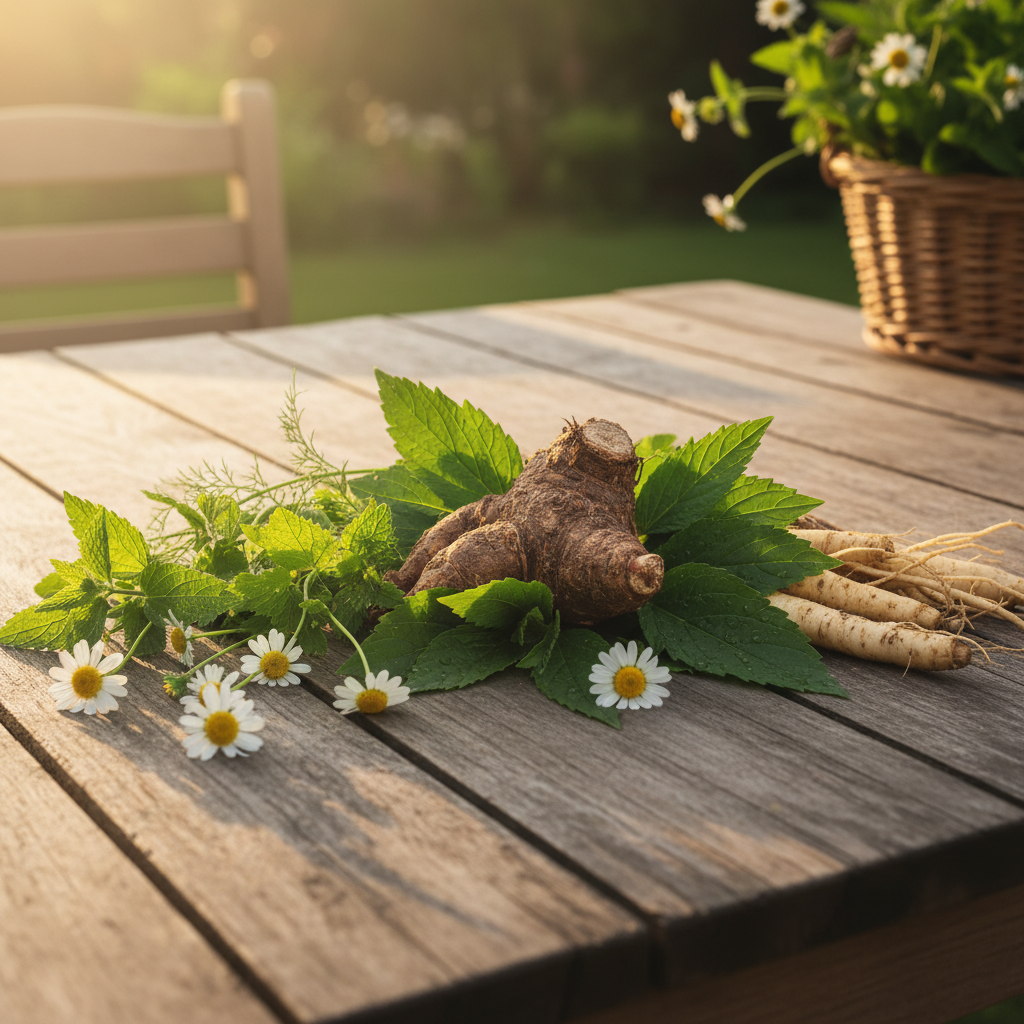
For those seeking natural ways to manage feelings of anxiousness, exploring the best herbs for anxiety can offer a promising avenue. Many botanical remedies have been traditionally used for centuries to promote relaxation, reduce stress, and support a calmer state of mind. While not a substitute for professional medical advice or treatment for severe anxiety disorders, certain herbs are backed by scientific research for their potential to alleviate mild to moderate symptoms, working through various mechanisms to influence neurotransmitters and stress responses in the body.
Understanding Herbal Approaches to Anxiety
Herbal supplements for anxiety work through diverse pathways, often interacting with the body's neurochemical systems, particularly those involving neurotransmitters like GABA (gamma-aminobutyric acid), serotonin, and dopamine. Some herbs act as adaptogens, helping the body adapt to stress and maintain homeostasis, while others have more direct sedative or anxiolytic effects. The efficacy of these herbs can depend on the specific compound, its concentration, the individual's unique biochemistry, and the nature of their anxiety. It's crucial to understand that 'natural' does not always mean 'safe' for everyone, and interactions with medications or pre-existing conditions are possible.
Kava: Traditional Relief for Acute Anxiety
Kava (Piper methysticum) is a traditional South Pacific herb well-known for its anxiolytic properties. Its active compounds, called kavalactones, are believed to interact with GABA receptors in the brain, producing a calming effect similar to some pharmaceutical anti-anxiety medications, but without significantly impairing mental clarity at typical doses. Evidence suggests kava can be effective for generalized anxiety disorder and acute stress. Dosing typically involves standardized extracts, often aiming for 60-120 mg of kavalactones per dose. While effective, concerns about liver toxicity have been raised, primarily linked to improper preparation methods or use of non-traditional plant parts. Therefore, it's vital to choose reputable brands that use noble kava root and follow recommended dosages. For more detailed information, consider exploring our Kava ingredient page.
Ashwagandha: An Adaptogen for Chronic Stress
Ashwagandha (Withania somnifera) is an adaptogenic herb widely used in Ayurvedic medicine. It's renowned for its ability to help the body manage stress by modulating the hypothalamic-pituitary-adrenal (HPA) axis, which controls the body's stress response. Studies indicate that ashwagandha may significantly reduce cortisol levels, a primary stress hormone, leading to decreased symptoms of chronic stress and anxiety. Its active compounds, withanolides, are thought to contribute to its calming and stress-reducing effects. Typical dosages range from 300-600 mg of a standardized extract (e.g., 5% withanolides) taken once or twice daily. Ashwagandha is generally well-tolerated, with mild side effects like gastrointestinal upset being rare. It's particularly suited for individuals experiencing chronic stress or generalized anxiety.
Lemon Balm: Gentle Calm for Mild Anxiety
Lemon Balm (Melissa officinalis) is a member of the mint family, cherished for its pleasant citrusy aroma and calming properties. It's believed to work by inhibiting GABA transaminase, an enzyme that breaks down GABA, thereby increasing GABA availability in the brain. This can lead to a mild sedative and anxiolytic effect. Research suggests lemon balm can improve mood, reduce stress, and enhance cognitive performance, particularly in situations of mild to moderate anxiety. It's often consumed as a tea, but standardized extracts are also available, with doses typically ranging from 300-600 mg. Lemon balm is generally considered safe for most people, with few reported side effects, making it a good option for those seeking gentle support for everyday stress or occasional anxiousness.
Passionflower: A Natural Sedative for Restlessness
Passionflower (Passiflora incarnata) is a beautiful vine with a long history of use as a traditional sedative and anxiolytic. Its calming effects are thought to stem from its ability to increase levels of GABA in the brain, similar to how some pharmaceutical anti-anxiety medications work. Preliminary studies suggest passionflower may be effective for generalized anxiety disorder and for reducing pre-operative anxiety. It's also often used to alleviate insomnia and restlessness associated with anxiety. Doses vary, but extracts standardized to contain certain flavonoids are common. While generally safe, passionflower can cause drowsiness, so caution is advised when driving or operating machinery. It's best suited for individuals experiencing anxiety accompanied by restlessness or difficulty sleeping.
Chamomile: The Soothing Everyday Herb
Chamomile (Matricaria recutita or Chamaemelum nobile) is one of the most widely consumed herbal teas globally, celebrated for its mild sedative and anti-inflammatory properties. Its primary active compound, apigenin, is believed to bind to benzodiazepine receptors in the brain, leading to a calming effect. While often used for mild anxiety, stress, and to promote sleep, robust human evidence for severe anxiety is still developing. However, small trials suggest it can be beneficial for mild to moderate generalized anxiety symptoms. Chamomile can be consumed as a tea (several cups daily) or as a standardized extract. It is generally very safe, though individuals with allergies to ragweed or other plants in the daisy family should use it with caution.
Valerian Root: For Sleep-Related Anxiety
Valerian root (Valeriana officinalis) is primarily known for its sedative qualities and its use as a sleep aid, but it can also be beneficial for anxiety, especially when anxiety contributes to sleep disturbances. Its mechanism of action is complex, involving interactions with GABA receptors, adenosine, and serotonin systems. Evidence suggests valerian can improve sleep quality and reduce the time it takes to fall asleep, and by extension, may alleviate anxiety symptoms that are exacerbated by lack of sleep. Typical dosages range from 300-600 mg of extract, often taken 30 minutes to 2 hours before bedtime. Valerian is generally safe for short-term use, but some individuals may experience drowsiness, dizziness, or mild gastrointestinal upset. It's not recommended for long-term use without professional guidance due to potential withdrawal symptoms.
Choosing the Right Herb and Safe Usage
Selecting the best herb for anxiety is a personal journey, as individual responses can vary significantly. Consider the type of anxiety you experience (acute vs. chronic, with or without sleep issues), your overall health, and any medications you are currently taking. Always prioritize high-quality supplements from reputable brands that provide standardized extracts, ensuring consistent potency. Start with the lowest effective dose and monitor your body's response. Combining herbs can sometimes be effective, but it's crucial to do so under the guidance of a healthcare professional to avoid potential interactions or excessive sedation. Remember that herbal remedies are complementary tools; foundational stress management techniques like mindfulness, exercise, and a balanced diet remain paramount.
When to Consult a Healthcare Professional
While herbs can offer valuable support for anxiety, they are not a substitute for professional medical care. It is essential to consult a doctor or a qualified healthcare provider before starting any new herbal supplement, especially if you have a diagnosed anxiety disorder, are taking prescription medications (including antidepressants or anti-anxiety drugs), or have underlying health conditions such as liver disease, kidney disease, or thyroid issues. Seek immediate medical attention if your anxiety symptoms worsen, become debilitating, or if you experience severe side effects from any herbal remedy. A healthcare professional can help determine the root cause of your anxiety, rule out other conditions, and guide you toward the safest and most effective treatment plan, which may include a combination of conventional and complementary therapies.