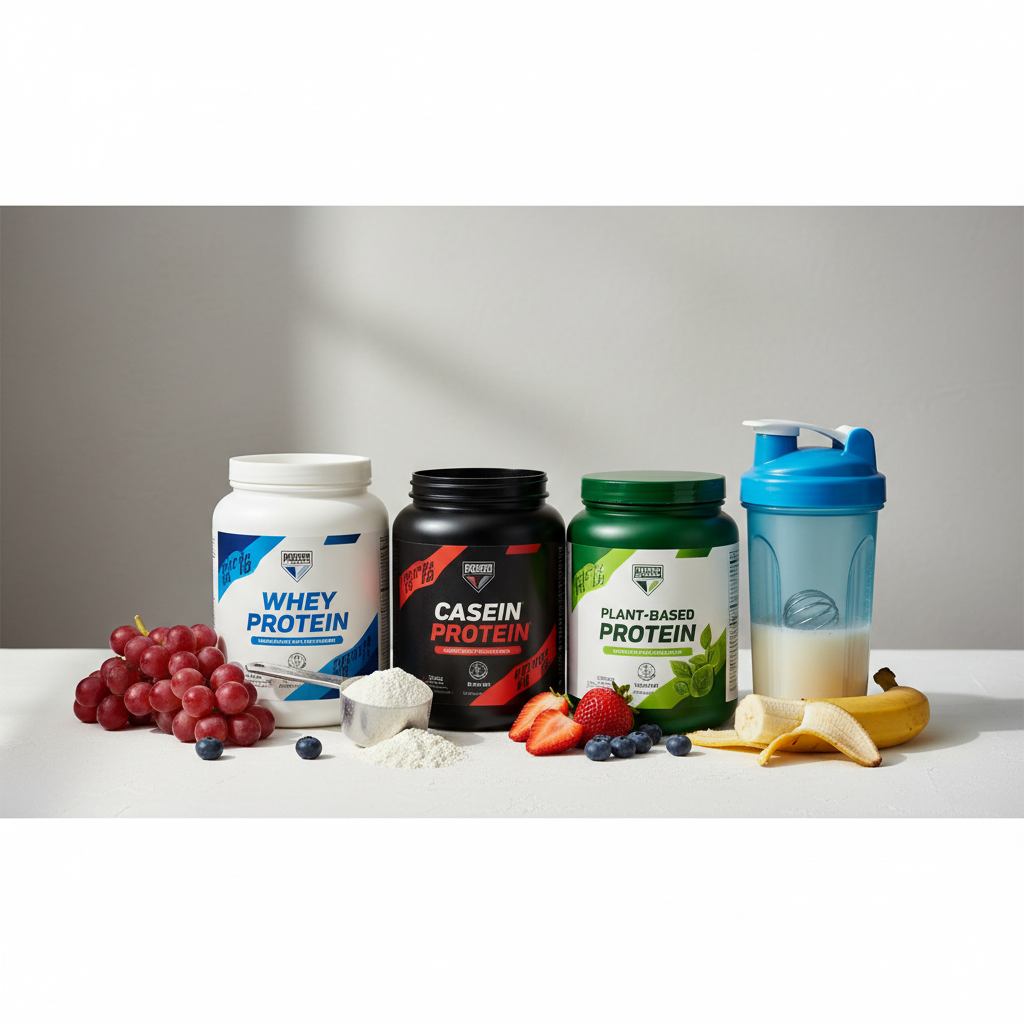
Protein powders are concentrated sources of protein derived from various sources, designed to supplement dietary intake. They are widely used by athletes, fitness enthusiasts, and individuals looking to increase their protein consumption for muscle growth, repair, weight management, and overall health. With a vast array of options available, choosing the best protein powders can seem daunting, but understanding the different types and their specific benefits can guide you to the ideal choice for your personal goals.
Understanding Protein Powders: Types and Benefits
Whey Protein: The Fast Absorber
Whey protein is one of the most popular protein supplements, derived from milk during the cheese-making process. It is a complete protein, meaning it contains all nine essential amino acids necessary for human dietary needs. Whey is known for its rapid digestion and absorption rate, making it an excellent choice for post-workout recovery. Its high concentration of branched-chain amino acids (BCAAs), particularly leucine, is crucial for stimulating muscle protein synthesis (MPS), the process by which muscles repair and grow. Leucine acts as a powerful signaling molecule, effectively "turning on" the machinery for muscle building. There are three main forms: concentrate, isolate, and hydrolysate. Whey concentrate typically contains 70-80% protein, with some lactose and fat. Whey isolate undergoes further processing to remove most of the fat and lactose, resulting in a product that is usually 90% or more protein. Whey hydrolysate is pre-digested, meaning the protein has been broken down into smaller peptides, allowing for even faster absorption and potentially reducing digestive discomfort for some individuals, making it a premium choice for rapid nutrient delivery.
Casein Protein: The Slow Releaser
Also derived from milk, casein protein differs significantly from whey in its digestion rate. Casein forms a gel-like substance in the stomach, leading to a slower and more sustained release of amino acids into the bloodstream. This makes it ideal for periods when you won't be eating for several hours, such as before bed, to support overnight muscle repair and prevent muscle breakdown. The sustained release of amino acids helps maintain a positive nitrogen balance, which is crucial for muscle preservation. Like whey, casein is a complete protein, providing all essential amino acids, and its slow digestion also contributes to increased satiety, which can be beneficial for weight management. Micellar casein is the most common form, known for its slow-digesting properties and excellent amino acid profile.
Plant-Based Proteins: Vegan-Friendly Options
For individuals following plant-based diets, or those with dairy allergies or sensitivities, a variety of plant-based protein powders are available, offering diverse nutritional profiles.
Pea Protein
Derived from yellow split peas, pea protein is rich in branched-chain amino acids (BCAAs) and is generally well-digested. It's a good source of iron and is often considered a complete protein, though some sources suggest it may be slightly lower in methionine compared to animal proteins. Its amino acid profile is particularly beneficial for muscle growth and repair.
Rice Protein
Typically made from brown rice, rice protein is hypoallergenic and easily digestible, making it a gentle option for sensitive stomachs. While it's a good source of protein, it can be lower in lysine, an essential amino acid. For this reason, it's often combined with other plant proteins, such as pea protein, to create a more complete and balanced amino acid profile.
Soy Protein
A complete protein derived from soybeans, soy protein is a popular plant-based option that contains all essential amino acids. It has been studied for its potential benefits in muscle growth, bone health, and cardiovascular health. While some individuals have concerns about phytoestrogens in soy, current scientific evidence suggests that moderate consumption of soy protein is safe for most healthy individuals and does not negatively impact hormone levels.
Hemp Protein
Made from hemp seeds, this protein powder is not only a good source of protein but also provides essential fatty acids (omega-3 and omega-6) in a beneficial ratio, along with dietary fiber. It's a complete protein, though its protein content per serving is often lower than other options, making it a good choice for those seeking broader nutritional benefits beyond just protein. Often, the best plant-based protein powders are intelligently formulated blends of several sources (e.g., pea and rice) to ensure a comprehensive and optimal amino acid profile, maximizing their effectiveness for muscle synthesis and overall health.
Egg Protein: A Complete Alternative
Egg white protein powder is another excellent option, especially for those avoiding dairy. It is a complete protein, highly bioavailable, and free from lactose. It provides a steady release of amino acids, making it suitable for various times of the day, though its absorption rate is slower than whey but faster than casein.
How We Chose the Best Protein Powders
Our selection methodology for identifying the best protein powders focuses on several critical factors to ensure quality, efficacy, and suitability for a wide range of users. We prioritize products that offer a complete amino acid profile, ensuring they provide all essential building blocks for muscle repair and growth. Digestibility is another key consideration; a protein powder should be easily absorbed to maximize its benefits and minimize digestive discomfort. Purity and transparency are paramount; we look for products that undergo third-party testing for contaminants like heavy metals, pesticides, and banned substances, and that clearly list their ingredients and nutritional information. Taste and mixability, while subjective, are also important for consistent use, as a palatable supplement is more likely to be incorporated into a daily routine. Finally, we consider the overall value, balancing cost with quality and serving size. This comprehensive approach helps us recommend options that are not only effective but also safe and enjoyable to consume.
The Best Protein Powders: Our Top Recommendations by Type
While specific brand recommendations are beyond the scope of an evergreen reference article, we can highlight the types of protein powders that excel in different scenarios, based on the evidence and user needs.
Best for Rapid Post-Workout Recovery: Hydrolyzed Whey Protein
For those prioritizing immediate muscle repair and growth after intense exercise, hydrolyzed whey protein is often the top choice. Its pre-digested nature means amino acids are absorbed exceptionally quickly, rapidly initiating muscle protein synthesis. This makes it ideal for athletes seeking to minimize recovery time and maximize anabolic response.
Best for Sustained Muscle Support: Micellar Casein
When a slow, steady drip of amino acids is desired, particularly during prolonged fasting periods or overnight, micellar casein stands out. Its unique structure allows for gradual digestion, providing a sustained release of amino acids that can help prevent muscle breakdown and support recovery over many hours. This is especially beneficial for those looking to optimize muscle maintenance during sleep.
Best for Plant-Based Diets: Blended Plant Proteins
For vegans, vegetarians, or individuals with dairy sensitivities, a well-formulated blend of plant proteins (e.g., pea and rice protein) offers a complete amino acid profile comparable to animal-based proteins. These blends ensure all essential amino acids are supplied, supporting muscle growth and repair without relying on animal products. Look for blends that specifically mention a complete amino acid profile.
Best for Calorie-Controlled Diets: Whey Protein Isolate
Whey protein isolate is an excellent choice for those focused on maximizing protein intake while minimizing calories from fat and carbohydrates. Its high protein purity (typically over 90%) means it delivers a significant protein punch with very little lactose or fat, making it suitable for individuals on strict diets or those with mild lactose intolerance. It's highly effective for satiety and muscle preservation during weight loss.
Dosing and Timing for Optimal Results
The optimal dosage of protein powder varies based on individual factors such as body weight, activity level, and fitness goals. General recommendations for active individuals range from 1.6 to 2.2 grams of protein per kilogram of body weight per day, distributed across meals and snacks. For most protein powders, a typical serving size is 20-30 grams of protein. Timing can also play a role. Consuming protein within a "post-workout anabolic window" (generally 30 minutes to 2 hours after exercise) is often recommended to maximize muscle protein synthesis. However, research suggests that total daily protein intake is more critical than precise timing for long-term muscle growth. Nonetheless, a post-workout shake can be a convenient and effective way to meet protein needs. For sustained release, casein protein is often consumed before bed. For general health and satiety, protein powder can be incorporated into any meal or snack to boost protein content.
Safety, Side Effects, and Considerations
Protein powders are generally safe for most healthy individuals when consumed within recommended dosages. However, excessive intake can lead to digestive issues such as bloating, gas, and cramps, particularly with whey concentrate due to its lactose content. Individuals with pre-existing kidney conditions should consult a healthcare professional before significantly increasing their protein intake, as high protein diets may place additional strain on the kidneys, though this is primarily a concern for those with impaired kidney function, not healthy individuals. It's crucial to choose high-quality protein powders that have been third-party tested. This ensures the product is free from contaminants like heavy metals, pesticides, and undisclosed ingredients, and that the protein content matches what is stated on the label. Look for certifications from organizations like NSF Certified for Sport or Informed-Sport. Always check the ingredient list for potential allergens or artificial sweeteners if you have sensitivities. For more information on ingredient safety, refer to our protein ingredients guide. Pregnant or breastfeeding individuals, children, and those with chronic health conditions should consult a doctor before using protein supplements.
Who Should Consider Protein Powders?
Protein powders are not strictly necessary for everyone, as adequate protein can be obtained through a balanced diet. However, they can be highly beneficial for several groups looking to optimize their nutritional intake and support specific health or fitness goals:
- Athletes and Bodybuilders: For individuals engaged in intense physical training, protein powders are invaluable for supporting muscle growth, accelerating repair processes, and enhancing recovery from strenuous workouts. The increased protein demand from exercise makes supplementation a practical way to meet needs.
- Individuals Aiming for Weight Management: Protein is highly satiating, meaning it helps you feel fuller for longer, which can reduce overall calorie intake and aid in weight loss. Furthermore, a higher protein intake helps preserve lean muscle mass during periods of caloric restriction, which is crucial for maintaining a healthy metabolism.
- Older Adults: As people age, they are at an increased risk of sarcopenia, the age-related loss of muscle mass and strength. Protein powders can help older adults meet their elevated protein requirements, supporting muscle maintenance and overall functional independence.
- Those with Increased Protein Needs or Dietary Restrictions: This includes individuals recovering from injury or surgery, or those with certain medical conditions that increase protein requirements. Vegetarians and vegans often find protein powders helpful in consistently meeting their daily protein targets, especially if their dietary sources are limited or varied.
- Busy Individuals: For those with demanding schedules, protein shakes offer a convenient, quick, and efficient way to consume a high-quality protein meal or snack when whole food options are unavailable or impractical. They provide a portable solution to maintain consistent protein intake throughout the day. For guidance on other supplements that might complement your fitness journey, explore our fitness supplements article.