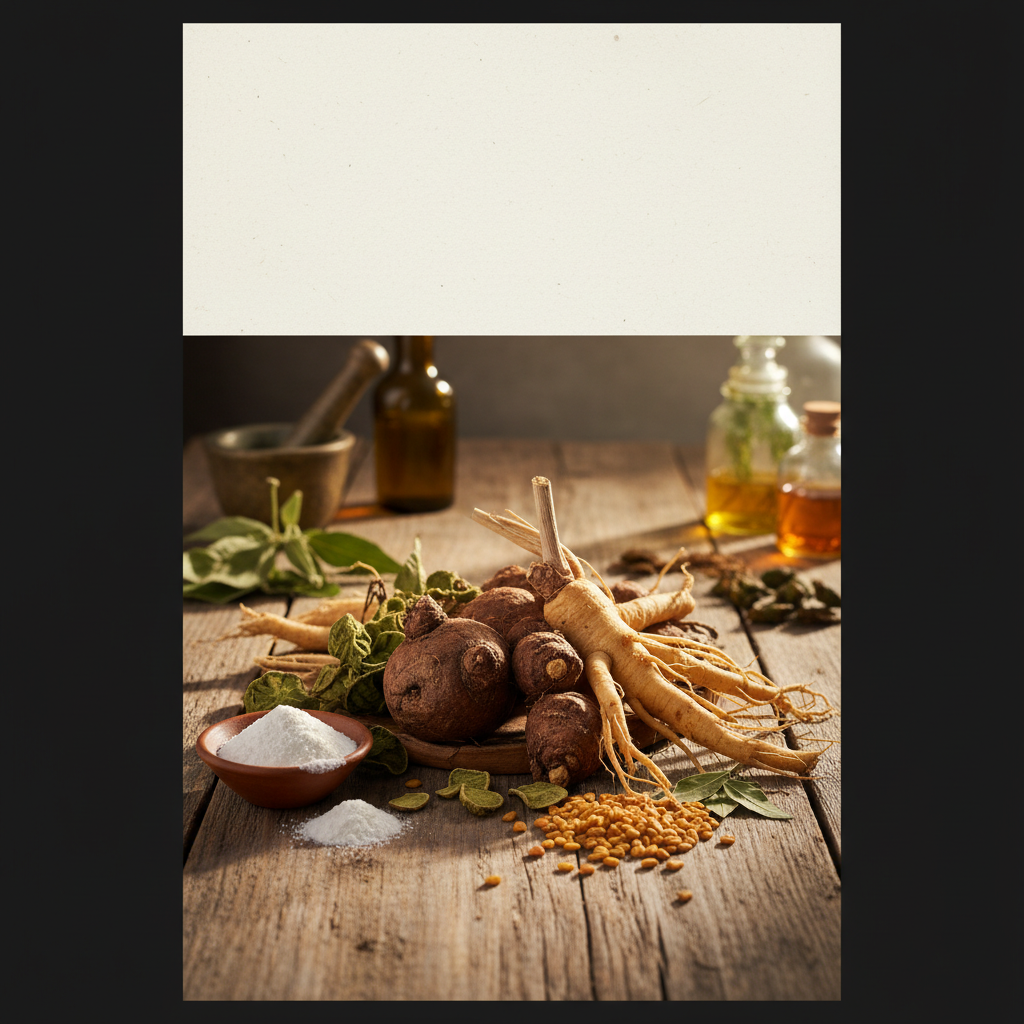
Many individuals seek natural ways to support and enhance their libido, or sexual desire. While a healthy lifestyle forms the bedrock of sexual well-being, certain dietary supplements have garnered attention for their potential to influence hormonal balance, improve blood flow, and modulate neurological pathways associated with sexual function. This article delves into the evidence behind some of the most popular and promising supplements for libido, offering insights into their mechanisms, typical dosages, and safety considerations.
Understanding Libido and Its Influencers
Libido is a complex interplay of biological, psychological, and social factors. Biologically, it's influenced by hormones like testosterone and estrogen, neurotransmitters such as dopamine and serotonin, and overall cardiovascular health. Psychologically, stress, mood, body image, and relationship dynamics play significant roles. Lifestyle factors like diet, exercise, sleep, and alcohol consumption can also profoundly impact sexual desire.
A dip in libido can be a normal part of life, often linked to stress, fatigue, or life changes. However, persistent low libido can be a source of distress and may indicate underlying health issues, including hormonal imbalances, chronic diseases, or medication side effects. Understanding these multifaceted influences is crucial when considering supplements, as they often work by addressing one or more of these contributing factors.
How Supplements May Support Sexual Desire and Function
Dietary supplements studied for libido support typically exert their effects through several key mechanisms:
- Nitric Oxide Production: Compounds that increase nitric oxide (NO) synthesis can relax blood vessels, improving blood flow to the genitals. This is particularly relevant for erectile function in men and clitoral engorgement in women, which are crucial for sexual response.
- Hormonal Modulation: Some supplements may influence the production or activity of sex hormones, such as testosterone. While direct hormonal replacement is a medical intervention, certain botanicals are thought to support healthy endogenous hormone levels or their utilization.
- Adaptogenic Effects: Adaptogens are herbs that help the body adapt to stress. By reducing physiological and psychological stress, these supplements can indirectly improve libido, as stress is a known libido suppressor.
- Neurotransmitter Support: Certain ingredients may affect neurotransmitters like dopamine, which is closely linked to pleasure and motivation, including sexual desire.
- Energy and Stamina: By boosting overall energy levels and reducing fatigue, some supplements can indirectly enhance sexual stamina and desire.
Top Evidence-Backed Supplements for Libido
Here, we explore several supplements that have been studied for their potential to support libido and sexual function.
L-Arginine: Enhancing Blood Flow
L-arginine is an amino acid that serves as a precursor to nitric oxide (NO) in the body. As mentioned, NO is a vasodilator, meaning it helps relax and widen blood vessels, thereby improving blood flow. This mechanism is particularly relevant for sexual function, as adequate blood flow is essential for arousal and response in both men and women.
Mechanism: L-arginine is converted into nitric oxide by the enzyme nitric oxide synthase. Increased NO leads to vasodilation, which can enhance blood flow to the genital area. This has been most extensively studied in men with erectile dysfunction, where L-arginine supplementation has shown promise in improving erectile function, particularly when combined with other compounds like pycnogenol. For women, improved blood flow may contribute to enhanced clitoral sensitivity and overall arousal.
Evidence: While research on L-arginine for general libido enhancement is less robust than for erectile dysfunction, the underlying mechanism of improved blood flow is fundamental to sexual response. Some studies suggest it may improve sexual satisfaction and arousal in women. For more detailed information, visit our L-arginine ingredient page.
Typical Dosing: Doses typically range from 2,500 mg to 5,000 mg per day, often split into multiple doses. It's best taken on an empty stomach for optimal absorption.
Safety and Who It Suits: L-arginine is generally well-tolerated. Potential side effects include mild gastrointestinal upset (nausea, diarrhea, abdominal pain). Individuals with herpes simplex virus should be cautious, as L-arginine can potentially trigger outbreaks. It should also be used with caution by those on blood pressure medications or nitrates, as it can further lower blood pressure.
Maca (Lepidium meyenii): An Adaptogenic Approach
Maca, a root vegetable native to the Andes, has been traditionally used for its purported benefits in energy, stamina, and sexual function. It is often classified as an adaptogen.
Mechanism: Unlike some other supplements, maca does not appear to directly affect hormone levels like testosterone or estrogen. Instead, its mechanisms are thought to involve its unique nutritional profile, including amino acids, fatty acids, and various plant compounds (macamides, macaenes). It may exert its effects by supporting the endocrine system, enhancing energy, and reducing stress, thereby indirectly improving libido and sexual well-being.
Evidence: Several human studies have investigated maca's impact on sexual desire. Research suggests that maca may improve self-reported sexual desire in both men and women, independent of changes in sex hormone levels. It has also shown promise in alleviating sexual dysfunction induced by antidepressant use. For further reading, explore our Maca ingredient page.
Typical Dosing: Common doses range from 1,500 mg to 3,000 mg per day, often taken in divided doses. It's available in various forms, including powder, capsules, and extracts.
Safety and Who It Suits: Maca is generally considered safe for most people. Side effects are rare but can include mild gastrointestinal upset or sleep disturbances if taken too close to bedtime. Pregnant or breastfeeding women, and individuals with hormone-sensitive conditions, should consult a healthcare provider before use.
Panax Ginseng: The "Herbal Viagra"
Panax ginseng, also known as Korean ginseng, is a well-known adaptogenic herb with a long history of use in traditional medicine for enhancing vitality and sexual function.
Mechanism: Panax ginseng's active compounds, called ginsenosides, are believed to contribute to its effects. These compounds may influence nitric oxide synthesis, similar to L-arginine, thereby improving blood flow. Ginseng also has adaptogenic properties, helping the body cope with stress, which can indirectly support libido. Furthermore, it may modulate neurotransmitters and have antioxidant effects, contributing to overall sexual health.
Evidence: Panax ginseng has been studied for its potential to improve erectile dysfunction and general sexual function in men. Some research indicates it can enhance sexual arousal and satisfaction. While often dubbed "herbal Viagra," its effects are typically more gradual and less potent than pharmaceutical options. Evidence for direct libido enhancement in women is less extensive but promising in some contexts.
Typical Dosing: Doses typically range from 200 mg to 1,000 mg of standardized extract (containing 4-7% ginsenosides) per day, often taken in cycles (e.g., 3 weeks on, 1 week off).
Safety and Who It Suits: Panax ginseng is generally safe, but it can interact with certain medications, including blood thinners, antidiabetic drugs, and antidepressants. Common side effects can include insomnia, headache, and gastrointestinal upset. Individuals with autoimmune conditions, high blood pressure, or those taking medications should consult a doctor.
Fenugreek (Trigonella foenum-graecum): Hormonal Support
Fenugreek is an herb commonly used in cooking and traditional medicine. It has gained attention for its potential role in supporting healthy testosterone levels, particularly in men.
Mechanism: Fenugreek contains compounds called furostanolic saponins, which are thought to interact with enzymes involved in testosterone metabolism. By potentially inhibiting the conversion of testosterone into other compounds or by supporting its production, fenugreek may help maintain healthy levels of free testosterone, which is crucial for male libido. Some research also suggests it may have effects on estrogen metabolism in women, though this is less studied for libido specifically.
Evidence: Several studies in men have shown that fenugreek supplementation can lead to improvements in libido, sexual performance, and overall sexual satisfaction, often alongside modest increases in free testosterone. While the evidence is more focused on men, some preliminary research suggests it may also benefit female libido, potentially by improving arousal and desire.
Typical Dosing: Standardized extracts, often containing 50% furostanolic saponins, are typically dosed at 300-600 mg per day.
Safety and Who It Suits: Fenugreek is generally safe. Common side effects include mild gastrointestinal upset, diarrhea, and a maple syrup odor in urine and sweat. It can interact with blood-thinning medications and antidiabetic drugs. Pregnant women should avoid fenugreek due to its potential to stimulate uterine contractions.
Tribulus Terrestris: Traditional Use and Modern Research
Tribulus Terrestris is a plant that has been used for centuries in traditional Ayurvedic and Chinese medicine to enhance fertility and sexual function.
Mechanism: Historically, Tribulus was believed to increase testosterone levels, but modern research has largely refuted this direct effect in healthy individuals. Instead, its potential benefits for libido may stem from its ability to influence androgen receptors in the brain, potentially increasing their sensitivity to existing testosterone. It may also have nitric oxide-boosting properties, contributing to improved blood flow and erectile function.
Evidence: The scientific evidence for Tribulus Terrestris's efficacy in boosting libido is mixed. Some studies, particularly in individuals with reduced sexual function, have reported improvements in sexual desire, arousal, and satisfaction in both men and women. However, other studies, especially in healthy young men, have found no significant impact on testosterone levels or athletic performance. More robust, large-scale human trials are needed to confirm its benefits for general libido enhancement.
Typical Dosing: Doses typically range from 250 mg to 750 mg of standardized extract (often standardized for saponins) per day, taken in divided doses.
Safety and Who It Suits: Tribulus Terrestris is generally well-tolerated. Side effects are usually mild and can include stomach upset. Individuals with prostate conditions should consult a healthcare provider due to theoretical concerns about prostate growth, although human studies have not consistently shown this effect.
Important Considerations: Dosing, Safety, and Interactions
When considering any supplement for libido, several factors are paramount:
- Quality and Purity: The supplement market is not uniformly regulated. Choose reputable brands that provide third-party testing for purity and potency. Look for products standardized to active compounds where applicable.
- Dosing: Adhere to recommended dosages. More is not always better and can increase the risk of side effects. Start with the lowest effective dose and gradually increase if needed, under professional guidance.
- Side Effects: Even natural supplements can have side effects. Common ones include gastrointestinal upset, headaches, or sleep disturbances. Discontinue use if adverse reactions occur.
- Drug Interactions: Supplements can interact with prescription medications. For example, L-arginine and Panax ginseng can interact with blood thinners or blood pressure medications. Always inform your doctor about all supplements you are taking.
- Underlying Conditions: If you have pre-existing health conditions (e.g., heart disease, diabetes, hormone-sensitive cancers), consult your doctor before taking any new supplement.
Beyond Supplements: Lifestyle and When to Seek Professional Advice
While supplements can play a supportive role, they are not a magic bullet. A holistic approach to sexual health is always most effective:
- Stress Management: Chronic stress is a major libido killer. Incorporate stress-reducing practices like meditation, yoga, or spending time in nature.
- Regular Exercise: Physical activity improves cardiovascular health, boosts mood, and can enhance body image, all contributing to better libido.
- Balanced Diet: A nutrient-rich diet supports overall health and hormonal balance.
- Adequate Sleep: Poor sleep can disrupt hormone levels and increase fatigue, negatively impacting sexual desire.
- Open Communication: For those in relationships, open and honest communication with a partner about sexual desires and concerns is vital.
It's crucial to consult a healthcare professional if you experience persistent low libido, especially if it's accompanied by other symptoms, or if you suspect an underlying medical condition or medication is the cause. A doctor can rule out serious issues, assess hormonal levels, and provide personalized advice, which may include lifestyle changes, therapy, or prescription treatments.
Making an Informed Choice for Your Sexual Health
The best supplements for libido are those that align with your individual needs, health status, and are supported by credible evidence. While supplements like L-arginine, maca, Panax ginseng, fenugreek, and Tribulus Terrestris show promise, their effectiveness can vary significantly from person to person. Prioritize quality, understand potential risks, and always consider supplements as part of a broader strategy for sexual well-being that includes a healthy lifestyle and, when necessary, professional medical guidance.