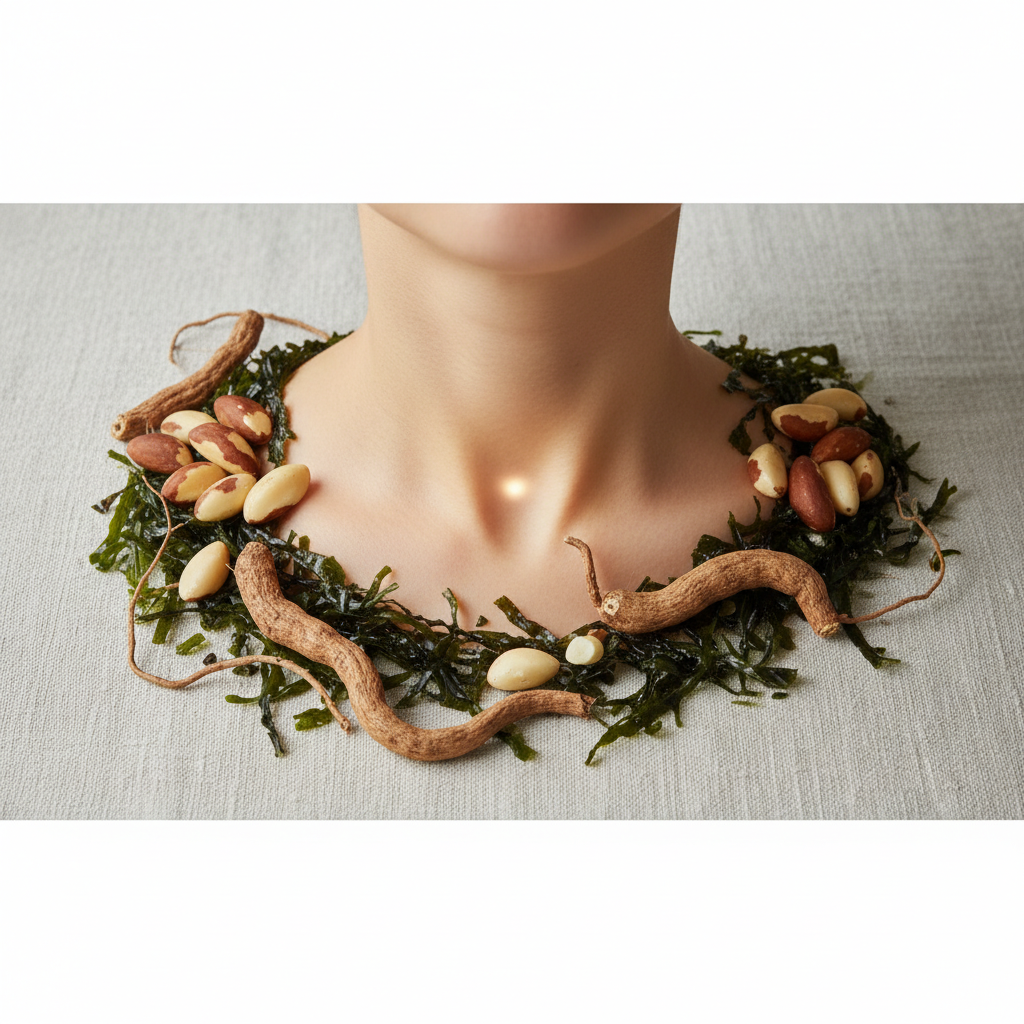
When seeking to support thyroid health, many individuals turn to dietary supplements as an adjunctive measure. The best thyroid supplements typically contain a combination of essential micronutrients and botanical extracts known to play roles in thyroid hormone synthesis, conversion, and overall gland function. While supplements are not a substitute for medical treatment for diagnosed thyroid conditions, certain ingredients may help optimize thyroid activity, particularly in cases of nutritional deficiencies or subclinical imbalances. This guide will explore the most evidence-backed supplements, their mechanisms, and important considerations for safe and effective use.
Understanding Thyroid Health and Supplements
The thyroid gland, a small butterfly-shaped organ located at the base of your neck, is a master regulator of metabolism. It produces two primary hormones, triiodothyronine (T3) and thyroxine (T4), which influence nearly every cell in the body, affecting energy levels, weight, body temperature, heart rate, and more. Optimal thyroid function is crucial for overall well-being.
Thyroid dysfunction, such as hypothyroidism (underactive thyroid) or hyperthyroidism (overactive thyroid), can lead to a wide range of symptoms. While prescription medications are often necessary for managing diagnosed thyroid conditions, certain dietary supplements are studied for their potential to support healthy thyroid function, especially when nutritional gaps exist. These supplements aim to provide the raw materials for hormone production, support conversion processes, or help protect the gland from oxidative stress.
Key Nutrients for Thyroid Support
Several micronutrients are absolutely essential for the thyroid gland to function optimally. Deficiencies in these nutrients can impair hormone production and conversion.
Iodine
Iodine is perhaps the most well-known nutrient for thyroid health, as it is a fundamental component of both T3 and T4 hormones. Without sufficient iodine, the thyroid cannot produce enough hormones, leading to hypothyroidism. However, both too little and too much iodine can be problematic. Excessive iodine intake, particularly in individuals with pre-existing thyroid conditions or autoimmune thyroiditis, can sometimes exacerbate or even induce thyroid dysfunction. Therefore, iodine supplementation should be approached with caution and ideally under professional guidance.
Selenium
Selenium is a trace mineral that plays a critical role in thyroid function. It is a key component of selenoproteins, including the deiodinase enzymes responsible for converting inactive T4 into active T3, and glutathione peroxidase enzymes that protect the thyroid gland from oxidative damage during hormone synthesis. Studies suggest that adequate selenium intake may be associated with improved thyroid antibody levels in individuals with autoimmune thyroiditis. Brazil nuts are a rich dietary source of selenium.
Zinc
Zinc is another vital trace mineral involved in numerous aspects of thyroid metabolism. It is required for the synthesis of TSH (thyroid-stimulating hormone), which signals the thyroid to produce hormones. Zinc also plays a role in the conversion of T4 to T3 and is important for the proper functioning of thyroid hormone receptors. Deficiency in zinc has been linked to lower T3 levels and impaired thyroid function.
Vitamin D
Often referred to as the 'sunshine vitamin,' vitamin D is more accurately a hormone that plays a significant role in immune system regulation. Given that many thyroid conditions, such as Hashimoto's thyroiditis, are autoimmune in nature, vitamin D's immune-modulating effects are particularly relevant. Low vitamin D levels are frequently observed in individuals with autoimmune thyroid diseases, and supplementation may be considered to support overall immune health.
Iron
Iron is essential for the activity of thyroid peroxidase, an enzyme crucial for the synthesis of thyroid hormones. Iron deficiency anemia can impair thyroid hormone metabolism and reduce the effectiveness of thyroid hormone replacement therapy. Ensuring adequate iron status is important for overall thyroid health, especially for individuals who may be prone to anemia.
Herbal Supplements for Thyroid Health
Beyond essential nutrients, certain herbal compounds are studied for their potential to support thyroid function, often through adaptogenic or anti-inflammatory mechanisms.
Ashwagandha (Withania somnifera)
Ashwagandha is a popular adaptogenic herb in Ayurvedic medicine, known for its ability to help the body manage stress. Chronic stress can negatively impact thyroid function by affecting the hypothalamic-pituitary-adrenal (HPA) axis, which in turn influences the HPT (hypothalamic-pituitary-thyroid) axis. Preliminary research suggests that ashwagandha may help improve thyroid hormone levels, particularly T4, in individuals with subclinical hypothyroidism, possibly by reducing stress and supporting adrenal function. Learn more about ashwagandha and its benefits.
Guggul (Commiphora mukul)
Guggul is a resin from the guggul tree, traditionally used in Ayurvedic medicine for various health concerns, including weight management and lipid support. Some animal and preliminary human studies have explored its potential role in thyroid function, suggesting it might influence the conversion of T4 to T3. However, more robust human clinical trials are needed to confirm these effects and establish appropriate dosing.
L-Tyrosine
L-Tyrosine is an amino acid that serves as a direct precursor to thyroid hormones (T3 and T4) and several neurotransmitters. While the body can typically produce enough L-tyrosine, supplementation is sometimes considered, especially in cases of severe protein deficiency. However, for most individuals with adequate protein intake, L-tyrosine supplementation is unlikely to significantly boost thyroid hormone production unless there's a specific metabolic issue preventing its synthesis.
Important Considerations: Autoimmune Thyroid Conditions
It is crucial to differentiate between general thyroid support and managing autoimmune thyroid conditions like Hashimoto's thyroiditis (the most common cause of hypothyroidism) or Graves' disease (the most common cause of hyperthyroidism). In autoimmune conditions, the immune system mistakenly attacks the thyroid gland. While certain supplements like selenium and vitamin D may play a role in modulating immune responses, specific care must be taken with others, particularly iodine. High doses of iodine can sometimes trigger or worsen autoimmune thyroid conditions in susceptible individuals. Therefore, anyone with an autoimmune thyroid diagnosis should exercise extreme caution and consult their endocrinologist before taking any thyroid-related supplements.
How to Choose the Best Thyroid Supplement for You
Selecting the right thyroid supplement involves careful consideration of several factors:
- Individual Needs: Your specific nutritional deficiencies, existing thyroid conditions, and overall health goals should guide your choice. A healthcare professional can help assess these.
- Ingredient Quality: Look for supplements from reputable brands that use high-quality, pure ingredients.
- Third-Party Testing: Opt for products that have undergone third-party testing for purity, potency, and absence of contaminants. This ensures what's on the label is in the bottle.
- Formulation: Some supplements combine multiple thyroid-supporting nutrients, which can be convenient. Ensure the dosages of individual components are appropriate.
- Avoid Proprietary Blends: Whenever possible, choose supplements that clearly list the amounts of each ingredient rather than hiding them in proprietary blends, so you know exactly what you're taking.
Safety, Dosing, and Interactions
Even natural supplements can have side effects or interact with medications. Always start with the lowest effective dose and monitor your body's response. If you are taking prescription thyroid hormones (e.g., levothyroxine), many supplements can interfere with their absorption or effectiveness. For example, calcium, iron, and fiber supplements should be taken several hours apart from thyroid medication. Discuss all supplements with your doctor or pharmacist to avoid potential interactions.
Excessive intake of certain nutrients, such as iodine or selenium, can also be harmful. For instance, very high doses of selenium can lead to selenosis, characterized by hair loss, nail brittleness, and neurological symptoms. Always adhere to the recommended daily allowances and upper intake limits for all micronutrients.
When to Consult a Healthcare Professional
Dietary supplements are intended to complement, not replace, conventional medical treatment. If you suspect you have a thyroid condition, are experiencing symptoms of thyroid dysfunction, or have a diagnosed thyroid disorder, it is imperative to consult a healthcare professional, such as an endocrinologist. They can provide an accurate diagnosis, recommend appropriate treatment, and advise on whether specific supplements are safe and beneficial for your individual situation. Regular monitoring of thyroid hormone levels is essential, especially when introducing new supplements into your regimen.