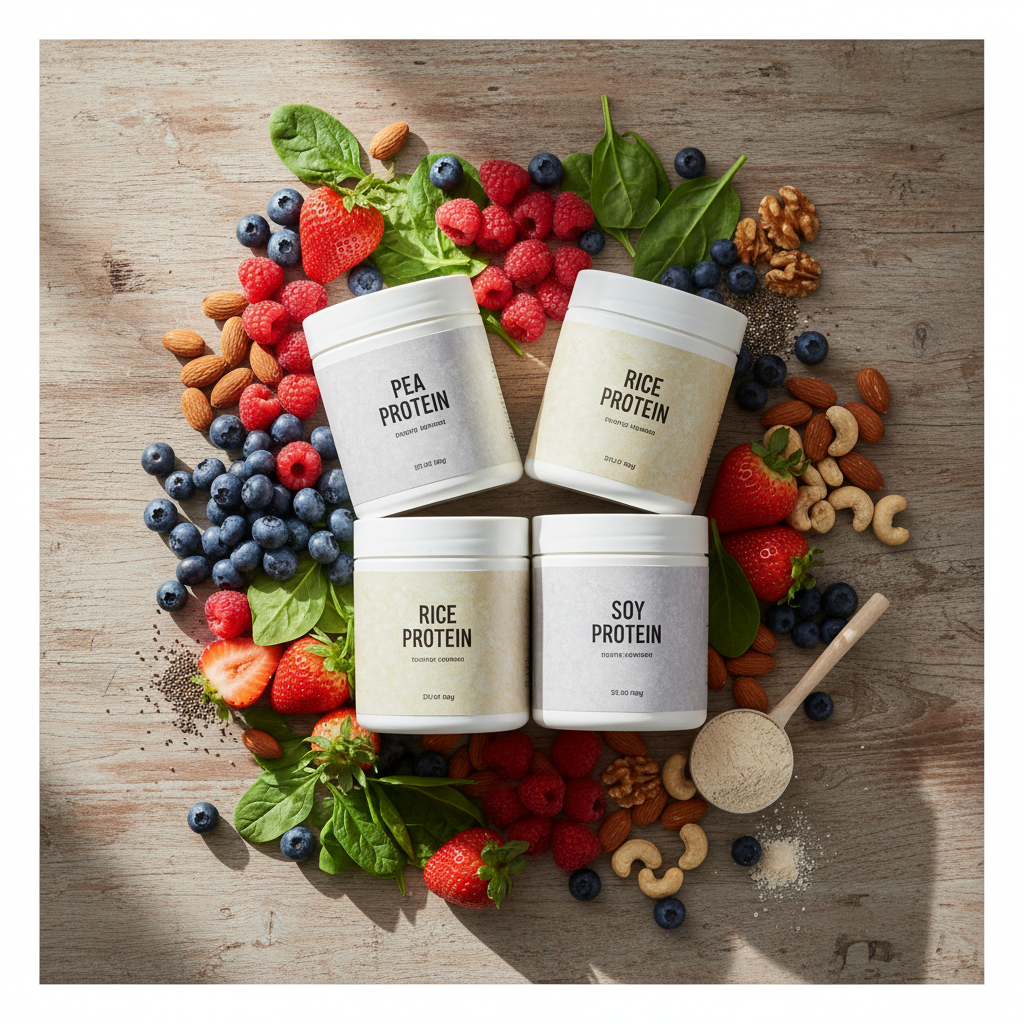
In the evolving landscape of health and nutrition, vegan protein powders have emerged as a powerful and popular option for individuals seeking plant-based alternatives to traditional dairy-based supplements. Whether you're a dedicated vegan, someone with dairy sensitivities, or simply looking to diversify your protein sources, finding the best vegan protein powders can significantly support your fitness goals, muscle recovery, and overall well-being. This guide delves into the world of plant-based proteins, exploring their sources, benefits, and crucial factors to consider when making your selection, ensuring you make an informed choice that aligns with your dietary preferences and health objectives.
The Rise of Vegan Protein Powders: Why Choose Plant-Based?
The shift towards plant-based diets is more than just a trend; it's a movement driven by ethical, environmental, and health considerations. Vegan protein powders offer a compelling solution for meeting increased protein demands without relying on animal products. They are often chosen by athletes, bodybuilders, and health-conscious individuals who want to build muscle, aid recovery, or simply ensure adequate protein intake.
Beyond ethical and environmental advantages, many people find plant-based proteins easier to digest, particularly those with lactose intolerance or dairy allergies. They typically come with a lower saturated fat content and often include beneficial fiber, which is absent in animal-derived proteins. However, the term 'best' is subjective and depends heavily on individual needs, taste preferences, and specific health goals. Understanding the various sources and their unique profiles is the first step in identifying your ideal vegan protein powder.
Decoding Vegan Protein Sources: A Deep Dive
Vegan protein powders are derived from a variety of plant sources, each bringing its own set of nutritional benefits and characteristics. Often, the most effective vegan protein powders are blends of these sources, designed to create a complete amino acid profile.
Pea Protein
Derived from yellow split peas, pea protein is one of the most popular vegan protein sources due to its high protein content and favorable amino acid profile. It is particularly rich in branched-chain amino acids (BCAAs) like leucine, isoleucine, and valine, which are crucial for muscle protein synthesis. Pea protein is generally well-tolerated and considered hypoallergenic, making it a good option for those with common allergies to soy or dairy. It has a relatively neutral taste, though some note a slightly earthy or savory undertone, and can have a somewhat gritty texture if not blended well.
Rice Protein
Typically made from brown rice, rice protein is another hypoallergenic option. While brown rice protein alone is lower in lysine compared to other protein sources, it is often combined with pea protein to create a more complete amino acid profile. Sprouted brown rice protein can enhance digestibility and nutrient absorption. It has a milder taste than pea protein and a smoother texture, making it a good base for blends.
Hemp Protein
Hemp protein is derived from the seeds of the hemp plant. It's not only a good source of protein but also rich in fiber, omega-3 and omega-6 fatty acids in a beneficial ratio, and various minerals. While its protein concentration is typically lower than pea or rice protein (often around 50% protein by weight), its comprehensive nutritional profile makes it a valuable addition. Hemp protein has a distinct earthy, nutty flavor and a coarser texture, which some find appealing.
Soy Protein
Soy protein is one of the most extensively studied plant proteins and is considered a complete protein, containing all nine essential amino acids. It's highly effective for muscle growth and recovery, comparable to whey protein in many studies. However, soy is a common allergen, and some individuals have concerns about its phytoestrogen content, though current scientific consensus suggests moderate consumption is safe for most healthy individuals. Soy protein isolate is a highly refined form that removes most of the fat and carbohydrates.
Protein Blends
Many of the best vegan protein powders are actually blends of two or more plant proteins. This strategy is employed to create a more complete and balanced amino acid profile, compensating for the limitations of individual plant sources. For example, combining pea protein (high in lysine) with rice protein (high in methionine) results in a protein that rivals animal proteins in terms of amino acid completeness. Blends can also improve taste and texture, offering a more palatable and versatile product.
What Makes a Vegan Protein Powder "The Best"? Key Selection Criteria
Choosing the best vegan protein powder goes beyond just the protein source. Several factors contribute to a product's overall quality, effectiveness, and user experience.
Amino Acid Profile
For muscle building and repair, a complete amino acid profile is paramount. While individual plant proteins may be deficient in one or two essential amino acids, well-formulated blends ensure you're getting all the necessary building blocks. Look for products that explicitly state they offer a complete amino acid profile, often achieved through combinations like pea and rice protein.
Taste and Texture
This is highly subjective but crucial for consistent use. Some vegan proteins can have an earthy, gritty, or chalky taste/texture. Brands have made significant strides in improving palatability. Experiment with different flavors (vanilla, chocolate are common) and consider how you plan to use the powder (e.g., in smoothies, baked goods, or just mixed with water). Natural sweeteners like stevia, monk fruit, or erythritol are often preferred over artificial ones.
Ingredient Purity and Additives
The best vegan protein powders typically have a short, recognizable ingredient list. Avoid products with excessive fillers, artificial flavors, colors, or preservatives. Look for organic, non-GMO ingredients if that's important to you. Some powders include digestive enzymes or probiotics, which can be beneficial for those prone to bloating or digestive discomfort.
Third-Party Testing
Given the supplement industry's varying regulations, third-party testing is a gold standard for quality assurance. Certifications from organizations like NSF Certified for Sport, Informed-Sport, or USP verify that the product contains what it claims, is free from harmful contaminants (like heavy metals or pesticides), and is safe for athletes. This is particularly important for plant-based nutrition products, as plants can absorb elements from the soil.
Digestibility
While generally easier on the stomach than dairy proteins, some individuals may still experience bloating or gas with certain vegan proteins. Factors like fiber content, specific protein sources, and the presence of digestive enzymes can influence digestibility. If you have a sensitive stomach, start with smaller doses and observe your body's reaction.
Maximizing Your Vegan Protein Intake: Dosing and Timing
The optimal dosage and timing for vegan protein powder are similar to those for other protein types, largely depending on your activity level and goals.
Dosing: For most active adults, a serving of 20-30 grams of protein per day is effective for muscle maintenance and growth. This can be achieved through one or two scoops of protein powder. Individuals with higher activity levels or specific bodybuilding goals may require more, often spreading their intake throughout the day.
Timing: While the concept of an 'anabolic window' immediately post-workout has been refined, consuming protein within a few hours after exercise is still beneficial for muscle repair and recovery. Vegan protein powder can also be used as a convenient way to boost protein intake at other times, such as with breakfast, as a snack between meals to promote satiety, or before bed to support overnight muscle repair.
Incorporation: Vegan protein powders are incredibly versatile. They can be mixed with water or plant-based milk for a quick shake, blended into smoothies with fruits and vegetables, or even incorporated into recipes like oatmeal, pancakes, or energy balls to enhance their protein content.
Beyond Muscle: Other Benefits and Considerations
While often associated with muscle building, vegan protein powders offer a range of other health benefits and considerations.
Weight Management
Protein is known for its satiating effect, helping you feel fuller for longer and potentially reducing overall calorie intake. Incorporating vegan protein powder into your diet can be a useful tool for weight management by curbing cravings and supporting a healthy metabolism.
Heart Health
Many plant-based protein sources are naturally lower in saturated fat and cholesterol compared to animal proteins. They may also contain beneficial compounds like fiber and antioxidants, which are associated with improved cardiovascular health. Substituting some animal protein with plant-based options may contribute to a healthier heart profile.
Environmental Impact
Choosing vegan protein powders often aligns with a desire to reduce one's environmental footprint. The production of plant proteins generally requires fewer resources (land, water) and generates fewer greenhouse gas emissions compared to animal agriculture.
Potential for Allergies and Sensitivities
While many vegan proteins are chosen for their hypoallergenic properties, it's important to be aware of common plant-based allergens like soy. Some individuals may also experience sensitivities to specific ingredients or sweeteners. Always check the ingredient list carefully, especially if you have known allergies or digestive issues.
Common Myths and Misconceptions About Vegan Protein
Despite their growing popularity, vegan protein powders are still subject to several myths.
Myth: Vegan protein isn't a complete protein. This is largely untrue, especially for well-formulated blends. While some individual plant sources may be lower in one or two essential amino acids, combining different plant proteins (e.g., pea and rice) creates a complete amino acid profile that is just as effective as animal proteins for muscle synthesis.
Myth: You can't build muscle on vegan protein. This has been thoroughly debunked by numerous athletes and scientific studies. With adequate total protein intake from diverse plant sources, including high-quality vegan protein powders, individuals can effectively build and maintain muscle mass.
Myth: Vegan protein tastes bad or is gritty. While early versions of vegan protein powders sometimes suffered from poor taste and texture, advancements in processing and flavoring have led to a wide array of delicious and smooth options available today. Many brands now offer flavors that rival their dairy counterparts.
Conclusion
The journey to finding the best vegan protein powders is a personal one, influenced by your dietary needs, taste preferences, and health goals. By understanding the diverse sources like pea, rice, hemp, and soy, and prioritizing factors such as a complete amino acid profile, ingredient purity, and third-party testing, you can confidently select a product that not only supports your physical aspirations but also aligns with your ethical and environmental values. With continuous innovation in the plant-based market, there's never been a better time to integrate these powerful supplements into your healthy lifestyle.