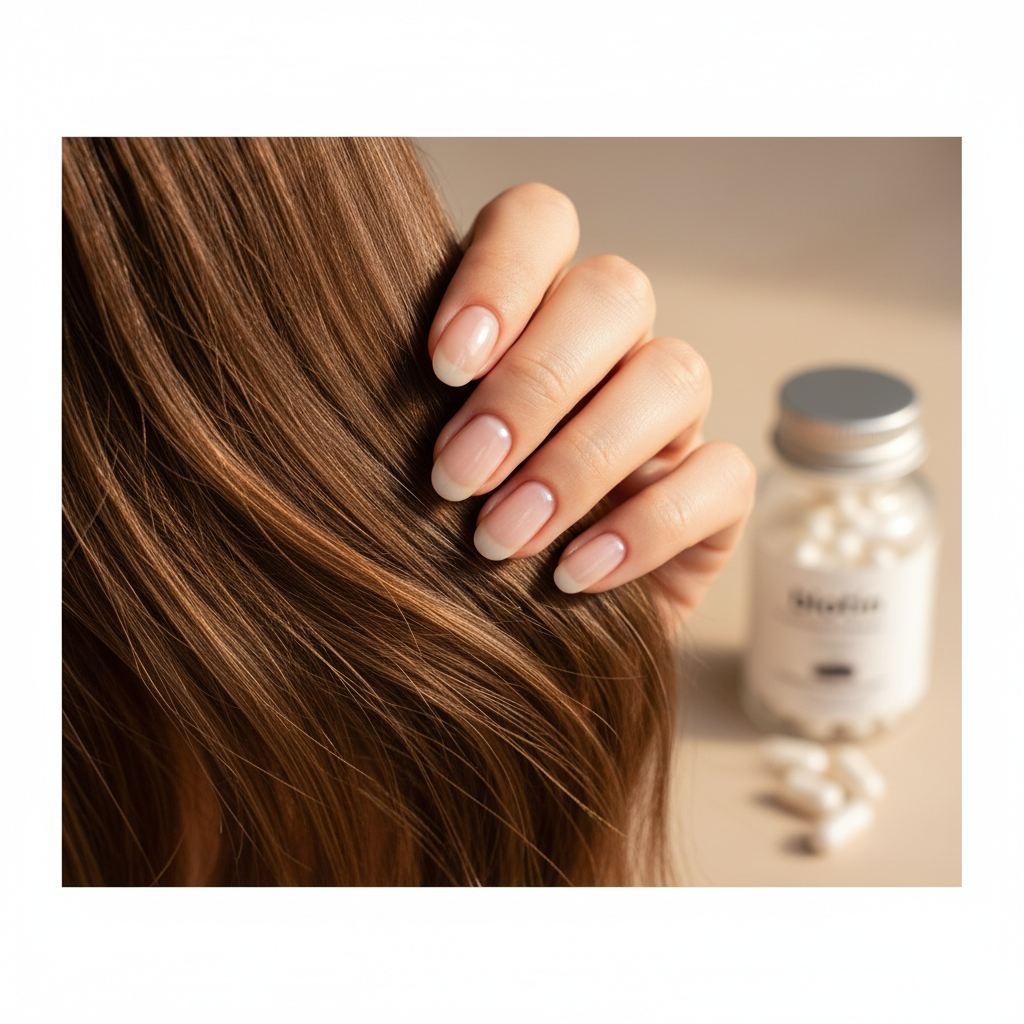
Biotin, often touted as a miracle supplement for luscious hair and strong nails, is a B-vitamin (B7) crucial for various metabolic processes in the body. While its popularity in beauty circles is undeniable, the scientific biotin hair nails evidence suggests a more nuanced picture. For most healthy individuals, the benefits of biotin supplementation for hair and nail growth are not as robust as marketing claims often imply. Its most significant impact is typically observed in individuals who have a genuine biotin deficiency, where supplementation can indeed lead to noticeable improvements.
What is Biotin and How Does It Work?
Biotin is a water-soluble vitamin that plays a vital role as a coenzyme in the metabolism of carbohydrates, fats, and amino acids. It is essential for converting food into energy and for various cellular functions. As one of the B vitamins, it is not stored in the body for long periods, meaning a consistent intake is necessary. In the context of hair and nails, biotin is particularly important for the synthesis of keratin, a primary protein that makes up hair, skin, and nails. It contributes to the infrastructure of keratin, supporting its strength and structure. Without adequate biotin, the body's ability to produce healthy keratin can be compromised, potentially leading to weaker hair and brittle nails.
Biotin Deficiency: When Supplementation is Crucial
While rare, a true biotin deficiency can occur due to various factors. Genetic disorders, such as biotinidase deficiency, impair the body's ability to recycle biotin. Certain medical conditions, prolonged antibiotic use disrupting gut flora, excessive consumption of raw egg whites (which contain avidin, a protein that binds to biotin), and pregnancy can also increase the risk of deficiency. Symptoms of biotin deficiency often include hair loss (alopecia), brittle nails, a red scaly rash around the eyes, nose, and mouth, neurological symptoms like depression and lethargy, and muscle pain. In these specific cases, biotin supplementation is not just beneficial but crucial for restoring normal physiological function and alleviating these symptoms, including improvements in hair and nail health.
The Evidence for Biotin and Hair Growth
The research on biotin's effectiveness for hair growth, particularly in healthy individuals, is often limited and mixed. Many studies that show positive results are either small, uncontrolled, or conducted on populations with underlying conditions causing hair loss, such as biotin deficiency, uncombable hair syndrome, or alopecia areata. For instance, some case reports and small trials have indicated that high-dose biotin supplementation can improve hair density and reduce hair shedding in individuals with diagnosed biotin deficiency or specific hair disorders. However, for the general population experiencing typical age-related thinning or non-deficiency related hair loss, robust, large-scale, placebo-controlled trials demonstrating significant benefits are largely lacking. Anecdotal evidence abounds, but scientific rigor demands more conclusive data before widespread recommendations can be made for healthy individuals.
The Evidence for Biotin and Nail Health
Similar to hair, the evidence for biotin's impact on nail health is more compelling in specific populations. Several studies have investigated biotin's effect on brittle nails, a common complaint. Some research, including a review of studies, suggests that biotin supplementation may improve nail thickness and reduce splitting and breakage in individuals with brittle nail syndrome. For example, one study found that 2.5 mg of biotin daily for 6-15 months led to a 25% increase in nail thickness and reduced splitting in patients with brittle nails. Another small study reported improvements in nail firmness and hardness. While these findings are promising for those with specific nail issues, the evidence for healthy individuals without pre-existing nail conditions is less clear. It is important to note that even in these studies, results often took several months to become apparent, indicating that consistency and patience are key.
Dosing and Forms of Biotin Supplements
For individuals with a diagnosed biotin deficiency, a healthcare professional will recommend an appropriate dose, which can range significantly. For those considering biotin for hair and nail health without a diagnosed deficiency, typical supplemental doses range from 2.5 mg (2,500 mcg) to 10 mg (10,000 mcg) daily. These doses are considerably higher than the Adequate Intake (AI) for biotin, which is 30 mcg for adults. Biotin supplements are widely available in various forms, including capsules, tablets, soft gels, and gummies. The bioavailability of orally administered biotin is generally considered good, meaning it is well-absorbed by the body. When choosing a supplement, look for reputable brands that provide third-party testing for purity and potency to ensure you are getting a quality product.
Safety, Side Effects, and Interactions
Biotin is generally considered safe, even at high doses, due to its water-soluble nature; excess amounts are typically excreted in urine. Serious side effects are rare. Some individuals may experience mild digestive upset, nausea, or skin rashes, particularly with very high doses. However, the most significant concern regarding high-dose biotin supplementation is its potential to interfere with certain laboratory tests. Biotin is used in many immunoassay tests, including those for thyroid function (TSH, free T4), cardiac markers (troponin), and hormone levels. High levels of biotin in the blood can lead to falsely high or falsely low results, potentially leading to misdiagnosis or inappropriate treatment. It is crucial to inform your doctor and any laboratory personnel about all supplements you are taking, especially biotin, before undergoing any blood tests.
Who Should Consider Biotin Supplementation?
Given the current body of evidence, biotin supplementation is most strongly recommended for individuals with a confirmed biotin deficiency. For those experiencing hair loss or brittle nails without a diagnosed deficiency, it's essential to first consult a healthcare professional to rule out other underlying causes such as thyroid issues, iron deficiency, hormonal imbalances, or other nutritional deficiencies. If these have been ruled out, and you still wish to try biotin, it may be considered as a complementary approach. However, it's important to manage expectations, as the benefits for healthy individuals may be modest or non-existent. Pregnant and breastfeeding women should also consult their doctor before taking any supplements, including biotin.
Practical Considerations and Managing Expectations
If you decide to incorporate biotin into your regimen for hair and nail health, consistency is key. Results are not immediate and typically take several months to become noticeable, as hair and nails grow slowly. Patience is therefore essential. Remember that a holistic approach to health, including a balanced diet rich in vitamins and minerals, adequate protein intake, stress management, and proper hair and nail care, often contributes more significantly to overall hair and nail health than any single supplement. While biotin is a vital nutrient, it is not a magic bullet. Always prioritize a healthy lifestyle and consult with a healthcare provider for personalized advice, especially if you have underlying health conditions or are taking other medications.