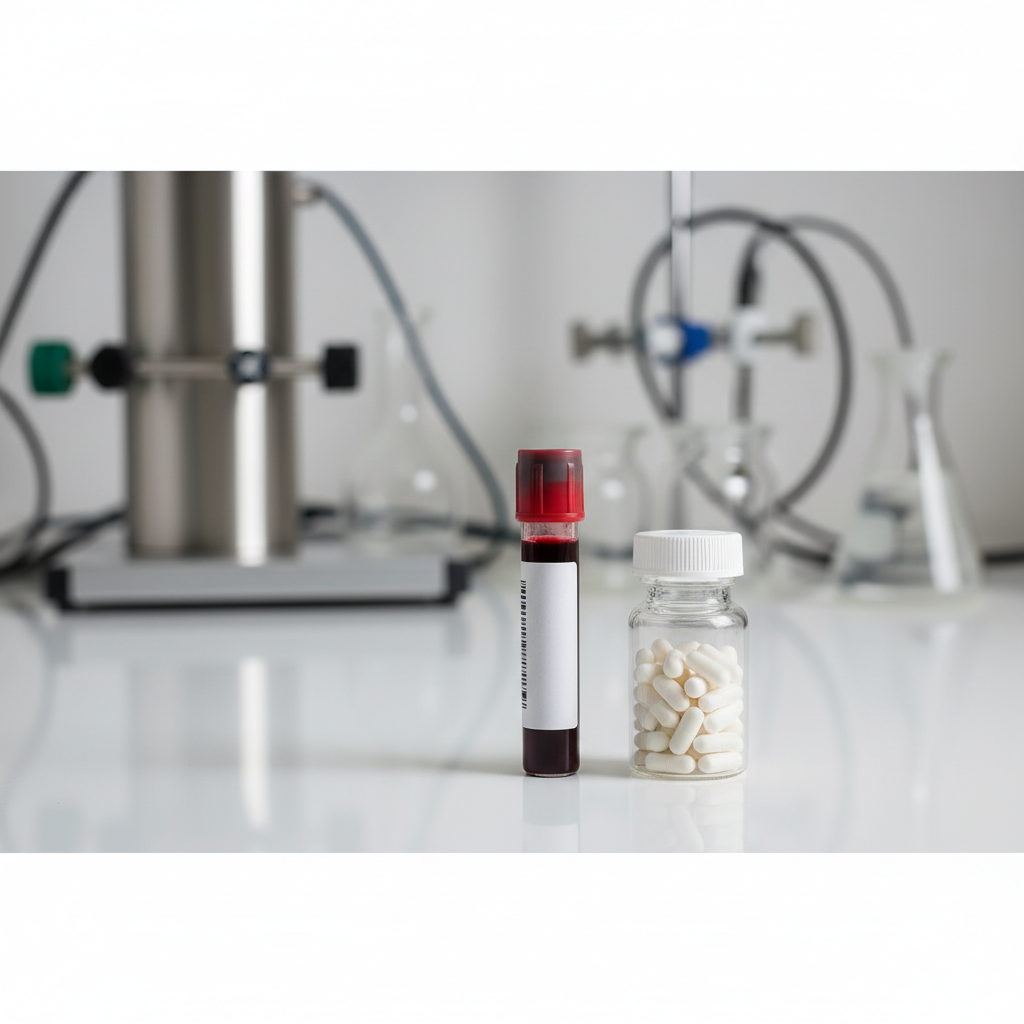
Biotin, a popular B vitamin often taken for hair, skin, and nail health, can significantly interfere with the accuracy of many common laboratory tests. This phenomenon, known as biotin lab interference, can lead to falsely high or falsely low test results, potentially causing misdiagnosis, unnecessary medical procedures, or delayed appropriate treatment. Understanding how biotin impacts these tests and taking preventative measures, such as temporarily discontinuing supplementation before blood draws, is crucial for ensuring accurate diagnostic outcomes and patient safety.
What is Biotin and Why Does It Cause Lab Interference?
Biotin, also known as vitamin B7, is a water-soluble vitamin that plays a vital role as a coenzyme in several metabolic processes. It is essential for the metabolism of carbohydrates, fats, and proteins, acting as a cofactor for carboxylase enzymes involved in gluconeogenesis, fatty acid synthesis, and amino acid catabolism. While biotin deficiency is rare in healthy individuals, high-dose biotin supplements have become popular, often marketed for their purported benefits to hair, skin, and nail health. For more detailed information on its general uses and benefits, you can refer to our Biotin ingredient guide.
The mechanism behind biotin lab interference stems from the widespread use of streptavidin-biotin technology in modern immunoassay diagnostic tests. This technology leverages the extraordinarily strong and specific non-covalent bond between streptavidin, a protein isolated from Streptomyces avidinii, and biotin. Many laboratory tests are designed to detect various analytes (e.g., hormones, cardiac markers, vitamins) by incorporating biotinylated antibodies or antigens, which then bind to streptavidin-coated surfaces or particles.
When a patient takes high doses of biotin supplements, the excess biotin circulates in the bloodstream. In competitive immunoassays, where biotinylated analyte competes with the patient's analyte for a limited number of binding sites on streptavidin, high levels of exogenous biotin can outcompete the biotinylated reagent, leading to falsely high results. Conversely, in sandwich immunoassays, where biotinylated capture antibodies and streptavidin-labeled detection antibodies are used to 'sandwich' the analyte, excess biotin in the sample can block the streptavidin-biotin binding sites. This prevents the formation of the complete sandwich complex, resulting in falsely low test results. The specific impact (falsely high or low) depends entirely on the assay's design and format.
Common Laboratory Tests Affected by Biotin
The range of laboratory tests susceptible to biotin interference is extensive and continues to grow as more assays adopt streptavidin-biotin technology. Awareness of these affected tests is paramount for both patients and healthcare providers.
- Thyroid Function Tests: This is perhaps the most widely reported category of interference. Biotin can cause falsely low levels of Thyroid-Stimulating Hormone (TSH) and falsely high levels of free thyroxine (fT4) and free triiodothyronine (fT3). This pattern mimics hyperthyroidism (overactive thyroid) or can mask true hypothyroidism, leading to unnecessary investigations, inappropriate anti-thyroid medication, or delayed diagnosis of a genuine thyroid disorder.
- Cardiac Biomarkers: Assays for cardiac troponins (Troponin I and T) are critical for diagnosing acute myocardial infarction (heart attack). Biotin interference can lead to dangerously falsely low troponin levels, potentially causing a missed or delayed diagnosis of a life-threatening cardiac event.
- Hormone Tests: A broad spectrum of hormone assays can be affected, including those for parathyroid hormone (PTH), cortisol, reproductive hormones (e.g., luteinizing hormone (LH), follicle-stimulating hormone (FSH), estradiol, testosterone), and vitamin D. Misinterpretation of these results can lead to incorrect diagnoses of endocrine disorders, impacting treatment decisions for conditions like hyperparathyroidism, adrenal insufficiency, or infertility.
- Other Tests: Certain tumor markers, ferritin levels, and some infectious disease markers (e.g., hepatitis B surface antigen) have also been reported to be affected. The specific impact varies depending on the assay manufacturer and design.
It is important to note that not all assays for a particular analyte are equally susceptible to biotin interference. Different manufacturers use different assay designs, and some may have developed biotin-resistant assays. However, without specific knowledge of the assay used by a particular laboratory, it is safest to assume potential interference.
Identifying and Preventing Biotin Interference
Preventing biotin lab interference relies heavily on proactive communication and awareness from both patients and healthcare providers. Given the potential for serious clinical consequences, a systematic approach is necessary.
Patient Responsibility:
- Disclose All Supplements: It is absolutely crucial for patients to inform their healthcare providers, including doctors, nurses, and laboratory personnel, about all dietary supplements they are taking, not just prescription medications. This includes biotin, multivitamins containing biotin, and any