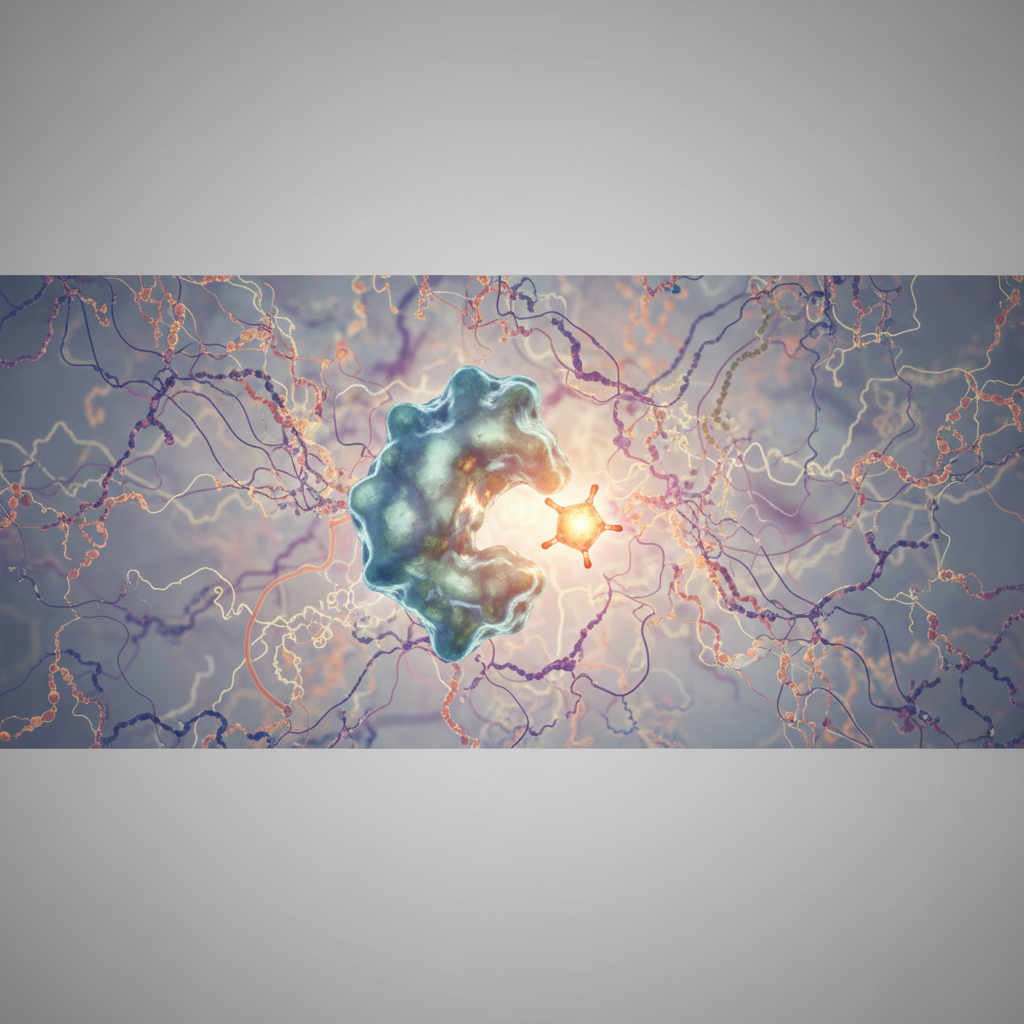
Biotinidase deficiency is a rare, inherited metabolic disorder characterized by the body's inability to properly recycle the B vitamin biotin, which is essential for numerous metabolic processes. Without adequate biotinidase enzyme activity, free biotin cannot be released from biocytin and biotinyl peptides, leading to a functional biotin deficiency that can cause severe neurological, dermatological, and developmental problems if left untreated. Fortunately, this condition is treatable with lifelong oral biotin supplementation, making early diagnosis critical for preventing irreversible damage and ensuring affected individuals can lead full, healthy lives.
What is Biotinidase Deficiency?
Biotinidase deficiency (BTD) is an autosomal recessive genetic disorder, meaning an individual must inherit two copies of the defective gene (one from each parent) to develop the condition. The gene responsible, BTD, provides instructions for making the enzyme biotinidase. This enzyme plays a crucial role in the metabolism of biotin, a water-soluble B vitamin also known as vitamin B7 or vitamin H. Specifically, biotinidase is responsible for cleaving biocytin and biotinyl peptides, compounds formed during the breakdown of biotin-dependent carboxylases, to release free biotin. This recycling process is vital because it allows the body to reuse biotin, ensuring its availability for various metabolic functions.
There are two main forms: profound and partial. Profound biotinidase deficiency is characterized by less than 10% of normal biotinidase enzyme activity, while partial deficiency involves 10-30% of normal activity. The severity of symptoms often correlates with the level of residual enzyme activity; profound deficiency typically leads to more severe and earlier onset symptoms if untreated. Partial deficiency may have milder symptoms, or symptoms that only appear under metabolic stress, sometimes not manifesting until later childhood or adulthood.
The prevalence of profound biotinidase deficiency is estimated to be approximately 1 in 60,000 to 1 in 110,000 live births, while partial deficiency is more common, affecting about 1 in 30,000 to 1 in 40,000 newborns.
The Role of Biotin and Biotinidase
Biotin serves as an essential coenzyme for five crucial carboxylase enzymes in humans: pyruvate carboxylase, propionyl-CoA carboxylase, methylcrotonyl-CoA carboxylase, and acetyl-CoA carboxylase 1 and 2. These enzymes are indispensable for several fundamental metabolic pathways, including gluconeogenesis, fatty acid synthesis, and the catabolism of branched-chain amino acids. Without sufficient free biotin, these carboxylases cannot function properly, leading to an accumulation of harmful metabolic byproducts such as lactic acid, organic acids, and ammonia, as well as impaired energy production and neurotransmitter synthesis.
In a healthy individual, dietary biotin is absorbed and then covalently attached to apo-carboxylases to form active holo-carboxylases. When these biotin-dependent enzymes are degraded, biotin remains covalently bound to them, forming biocytin or biotinyl peptides. Biotinidase acts as a "recycling enzyme," hydrolyzing the amide bond between biotin and lysine in biocytin and biotinyl peptides to release free biotin back into the metabolic pool. This efficient recycling mechanism is crucial because it significantly extends the functional lifespan of biotin within the body. In individuals with biotinidase deficiency, this recycling mechanism is impaired, leading to a progressive depletion of functional biotin despite adequate dietary intake. This functional deficiency ultimately compromises the activity of the biotin-dependent carboxylases, triggering the cascade of metabolic and clinical symptoms. For more information on the broader roles of biotin in human health and metabolism, you can refer to our article on Biotin.
Symptoms and Clinical Presentation
The symptoms of untreated biotinidase deficiency can vary widely in onset and severity, depending on whether the deficiency is profound or partial. Symptoms typically begin in infancy or early childhood, often between 3 weeks and 6 months of age for profound deficiency, but can manifest later in life in some cases, particularly with partial deficiency or under conditions of metabolic stress. The clinical presentation often involves a combination of neurological, dermatological, and metabolic issues, which can be progressive and debilitating if not addressed.
- Neurological Symptoms: These are often the most severe and include a spectrum of issues. Seizures are common, presenting as myoclonic, tonic-clonic, or atypical absence seizures. Hypotonia, or poor muscle tone, can lead to feeding difficulties and delayed motor development. Developmental delay is frequently observed, affecting cognitive and motor milestones. Ataxia, a lack of muscle coordination, can impair walking and fine motor skills. Sensorineural hearing loss, which can range from mild to profound, is a significant long-term complication. Vision problems, such as optic atrophy, can lead to impaired vision or blindness. In severe, untreated cases, lethargy, coma, and even death can occur. If left untreated for extended periods, neurological damage can become irreversible, even with subsequent biotin therapy.
- Dermatological Symptoms: Skin rashes are a hallmark feature, often described as eczematous, psoriasiform, or seborrheic dermatitis-like, appearing around the eyes, nose, mouth, and genital area. These rashes can be red, scaly, and itchy. Hair loss (alopecia) is also common, ranging from thinning hair to complete baldness of the scalp, eyebrows, and eyelashes.
- Other Symptoms: These may include recurrent fungal or bacterial infections due to immune system dysfunction, particularly candidiasis. Breathing difficulties, such as laryngeal stridor, can be life-threatening. Metabolic acidosis and ketolactic acidosis are common biochemical findings. In rare severe cases, sudden infant death syndrome (SIDS) has been tragically linked to undiagnosed profound biotinidase deficiency, underscoring the urgency of early detection.
It is important to note that some individuals with partial biotinidase deficiency may remain asymptomatic for many years, or even their entire lives, only developing symptoms under specific stressors such as severe illness, fever, prolonged fasting, or increased metabolic demands. However, the risk of developing symptoms remains, making treatment advisable even in asymptomatic cases of partial deficiency to prevent potential future complications.
Diagnosis: The Importance of Newborn Screening
The widespread implementation of newborn screening programs has profoundly impacted the diagnosis and management of biotinidase deficiency, transforming it from a devastating condition into a largely preventable one. In many countries, biotinidase deficiency is part of routine newborn screening panels, typically performed within the first few days of life. A small blood sample, usually collected by a heel prick and blotted onto filter paper, is tested for biotinidase enzyme activity. A low or absent activity level indicates a presumptive diagnosis of biotinidase deficiency.
If the newborn screen is positive, confirmatory testing is immediately performed. This typically involves a quantitative assay of biotinidase activity in serum or plasma, which provides a precise measurement of the enzyme's function. Genetic testing for mutations in the BTD gene can also confirm the diagnosis and identify specific mutations, which can sometimes correlate with the severity of the enzyme deficiency. Early diagnosis through newborn screening is paramount because it allows for the initiation of treatment with biotin supplementation before the onset of irreversible symptoms. Without newborn screening, diagnosis often occurs only after symptoms appear, by which time some neurological damage may have already occurred and may not be fully reversible.
For individuals who were not screened at birth and present with symptoms suggestive of biotinidase deficiency, diagnostic testing can still be performed at any age. This involves measuring biotinidase activity in a blood sample. Additionally, biochemical tests such as organic acid analysis in urine can detect characteristic metabolic abnormalities that are consistent with biotin deficiency and impaired carboxylase function, further supporting the diagnosis.
Treatment: Lifelong Biotin Supplementation
The treatment for biotinidase deficiency is remarkably simple, highly effective, and life-saving: daily oral supplementation with pharmacological doses of free biotin. This therapeutic approach directly addresses the underlying functional biotin deficiency by providing the body with an ample supply of the coenzyme that it cannot efficiently recycle. The free biotin can then be directly utilized by the biotin-dependent carboxylases, bypassing the need for the deficient biotinidase enzyme.
The typical dose for individuals with profound biotinidase deficiency ranges from 5 to 10 mg of biotin per day, while those with partial deficiency may require lower doses, often 5 mg daily. However, specific dosing should always be determined by a healthcare professional, ideally a metabolic specialist, based on the individual's enzyme activity, clinical presentation, and response to treatment. The goal is to maintain normal biotin levels and prevent any biochemical or clinical manifestations of the deficiency. Biotin is typically administered as a single daily dose, often in a liquid form for infants and young children, or as tablets for older children and adults.
Biotin supplementation is usually lifelong. When initiated early, especially through widespread newborn screening programs, it can completely prevent the development of symptoms and allow affected individuals to lead normal, healthy lives with typical intellectual and physical development. Even in cases where symptoms have already appeared prior to diagnosis, biotin therapy can often reverse many of the neurological and dermatological manifestations, such as seizures, hypotonia, skin rashes, and hair loss. However, some long-standing neurological damage, particularly severe developmental delay or profound hearing loss, may not be fully reversible, underscoring the critical importance of early intervention.
Biotin is generally considered very safe, even at high doses, with a low risk of significant side effects. It is a water-soluble vitamin, and excess amounts are typically excreted by the kidneys. However, it's important to be aware that high doses of biotin can interfere with certain laboratory tests, particularly those that use biotin-streptavidin technology. This interference can lead to falsely high or low results for various assays, including thyroid function tests, cardiac biomarkers, and hormone assays. Patients and their healthcare providers should be mindful of this potential interference when interpreting lab results and should inform the laboratory if high-dose biotin is being taken. For more details on this specific issue and strategies to mitigate it, consider reading our article on the potential interactions of Biotin and Lab Tests.
Prognosis and Long-Term Management
The prognosis for individuals with biotinidase deficiency is overwhelmingly excellent when diagnosed early through newborn screening and treated consistently with lifelong biotin supplementation. Most individuals treated from infancy will develop normally, achieve typical developmental milestones, and experience no symptoms of the disorder. They can lead full, productive lives without significant health complications directly attributable to their biotinidase deficiency.
Regular follow-up with a metabolic specialist is crucial for ongoing management. These appointments typically involve monitoring biotin levels, assessing neurological development, and ensuring adherence to the treatment regimen. Periodic hearing and vision screenings are also recommended, particularly for those diagnosed later in life or with profound deficiency, to detect and address any potential residual impairments.
Even with treatment, some individuals, especially those diagnosed after symptom onset, may experience residual effects such as mild developmental delays, learning difficulties, or hearing loss. However, the severity of these outcomes is significantly reduced compared to untreated cases, and early intervention can often mitigate their impact. Adherence to daily biotin supplementation is absolutely critical; missing doses can lead to a recurrence of symptoms, although typically not as rapidly or severely as in untreated individuals.
Genetic counseling is often recommended for families affected by biotinidase deficiency to understand the autosomal recessive inheritance pattern and the risk of future children being affected. Carrier testing for parents and other family members can also be performed to identify individuals who carry one copy of the defective gene but do not have the condition themselves.
When to Talk to a Clinician
If you or your child has been diagnosed with biotinidase deficiency, regular consultation with a metabolic specialist is essential for ongoing management and to ensure optimal health outcomes. You should also contact your clinician promptly if you notice any new or worsening symptoms, even while on treatment, as this may indicate a need for dose adjustment, a change in biotin formulation, or further investigation into other potential health issues. For parents of newborns, if your baby's newborn screening results indicate a potential biotinidase deficiency, it is critical to follow up immediately with the recommended diagnostic tests and specialist consultations to confirm the diagnosis and initiate treatment without delay.
If you were not screened at birth and experience a constellation of symptoms such as unexplained seizures, significant developmental delay, persistent hair loss, or chronic skin rashes, especially if there is a family history of metabolic disorders or unexplained infant deaths, discussing the possibility of biotinidase deficiency with your doctor is highly advisable. Early diagnosis and treatment, regardless of age, are key to preventing long-term complications and ensuring the best possible health outcomes for affected individuals. Do not attempt to self-diagnose or self-treat; always seek professional medical advice.