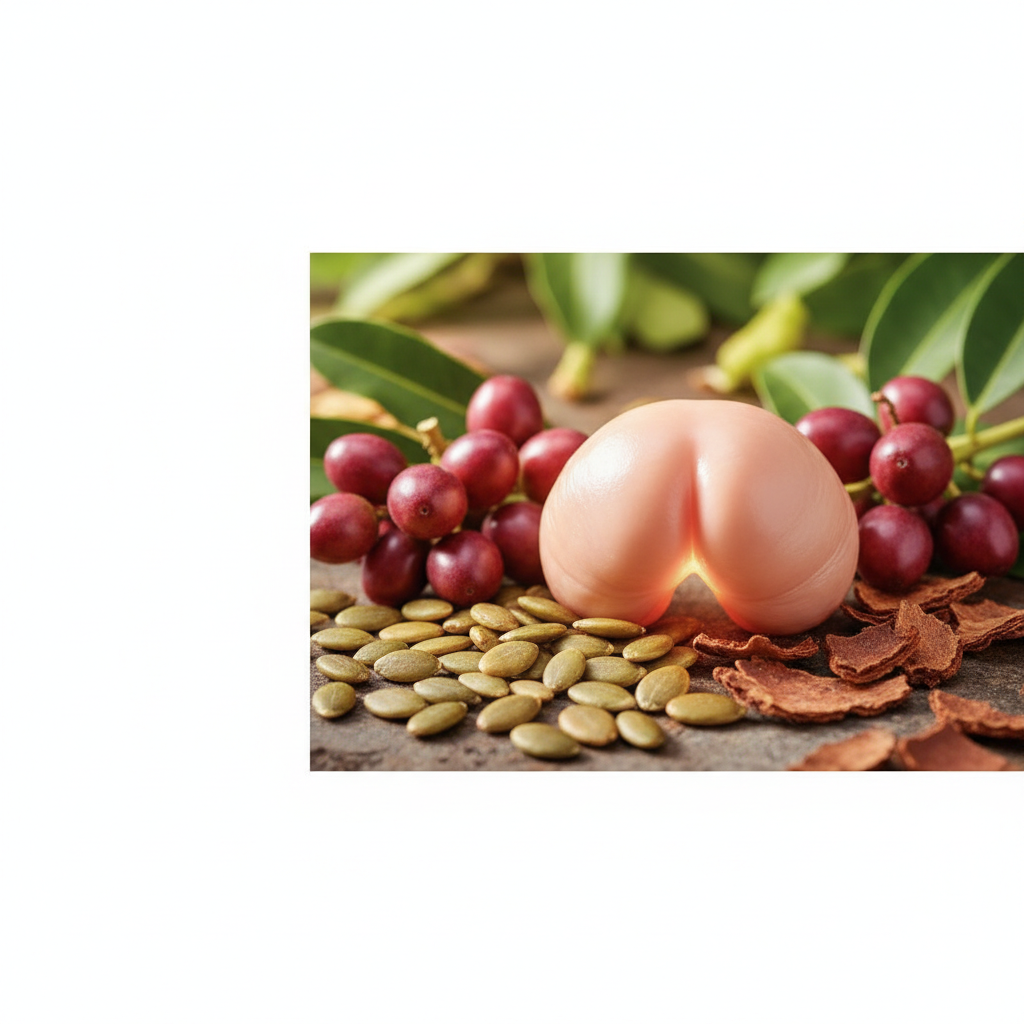
Benign Prostatic Hyperplasia (BPH), a common condition affecting men as they age, involves the non-cancerous enlargement of the prostate gland, leading to bothersome urinary symptoms. While conventional medical treatments are available, many individuals seek complementary approaches, including BPH natural treatments, to manage their symptoms. This article delves into the most researched natural compounds, their proposed mechanisms, the scientific evidence supporting their use, and important considerations for safety and integration into a comprehensive health plan.
Understanding Benign Prostatic Hyperplasia (BPH)
Benign Prostatic Hyperplasia (BPH) is a condition characterized by the non-malignant growth of the prostate gland, a small gland located just below the bladder in men. As the prostate enlarges, it can press on the urethra, the tube that carries urine from the bladder out of the body, leading to a variety of lower urinary tract symptoms (LUTS). These symptoms commonly include increased urinary frequency, urgency, a weak or interrupted urine stream, incomplete bladder emptying, and nocturia (waking up at night to urinate). BPH is a progressive condition, and its prevalence increases significantly with age, affecting about half of men in their 50s and up to 90% of men in their 80s.
While BPH is not prostate cancer and does not increase the risk of developing prostate cancer, its symptoms can significantly impact a man's quality of life. Understanding the condition is the first step in exploring effective management strategies, which may include watchful waiting, lifestyle modifications, medications, surgical interventions, or complementary natural treatments.
Key Natural Compounds Studied for BPH
Several natural compounds have been investigated for their potential to alleviate BPH symptoms. The mechanisms often involve anti-inflammatory effects, hormone modulation, or direct relaxation of smooth muscle in the prostate and bladder neck.
Saw Palmetto (Serenoa repens)
Perhaps the most well-known natural treatment for BPH, Saw Palmetto extract is derived from the berries of a dwarf palm tree. Its proposed mechanisms include inhibiting 5-alpha reductase, an enzyme that converts testosterone to dihydrotestosterone (DHT), a hormone implicated in prostate growth. It also exhibits anti-inflammatory properties and may reduce the proliferation of prostate cells. While early studies showed promise, more recent, larger trials have yielded mixed results, with some suggesting only modest or no significant improvement in urinary flow or prostate size compared to placebo. However, some individuals still report symptomatic relief, particularly with standardized liposterolic extracts.
Beta-sitosterol
Beta-sitosterol is a plant sterol found in various plant foods, including fruits, vegetables, nuts, and seeds. Research suggests that beta-sitosterol may improve urinary flow and reduce residual urine volume by reducing inflammation and potentially affecting prostate cell membrane function. Several clinical trials have indicated that beta-sitosterol can significantly improve BPH symptoms and urinary flow rates, often with fewer side effects than some conventional medications. The evidence for beta-sitosterol tends to be more consistent than for saw palmetto in terms of symptom relief.
Pygeum africanum
Extracted from the bark of the African plum tree, Pygeum africanum contains a variety of fatty acids, sterols, and triterpenes. Its proposed actions include anti-inflammatory effects, reduction of prostate cell proliferation, and improved bladder elasticity. Studies have shown that Pygeum may help reduce nocturia and improve urinary flow and other BPH symptoms. The evidence, while not as extensive as for some other compounds, suggests it can be a beneficial option for some men, particularly for improving subjective symptom scores.
Rye Pollen Extract (Secale cereale)
Rye pollen extract is a blend of water-soluble and fat-soluble fractions from rye grass pollen. It is thought to work by relaxing the smooth muscles of the urethra and bladder neck, and by exhibiting anti-inflammatory effects. It may also inhibit the growth of prostate cells. Clinical trials have indicated that rye pollen extract can improve urinary flow, reduce nocturia, and alleviate other BPH symptoms, particularly in men with mild to moderate symptoms.
Nettle Root (Urtica dioica)
Nettle root extract is often used in combination with other BPH natural treatments, such as saw palmetto. Its mechanisms are believed to involve anti-inflammatory actions and potential interactions with sex hormone-binding globulin (SHBG), which could influence testosterone availability. While less studied as a standalone treatment, some research suggests that nettle root can help alleviate BPH symptoms, particularly when combined with other beneficial compounds.
Pumpkin Seed Oil
Pumpkin seed oil is rich in phytosterols, antioxidants, and fatty acids. It is thought to exert its effects through anti-inflammatory properties and by potentially modulating hormone levels, similar to saw palmetto. Preliminary studies and traditional use suggest that pumpkin seed oil may help improve urinary symptoms associated with BPH, such as urinary flow and frequency. More robust human trials are needed to confirm its efficacy.
Scientific Evidence and Efficacy
The scientific evidence supporting BPH natural treatments varies significantly among compounds and across different studies. While many natural remedies have a history of traditional use, modern research aims to validate their efficacy and safety through rigorous clinical trials.
For compounds like beta-sitosterol, several meta-analyses and systematic reviews have concluded that it can significantly improve urinary flow rates and reduce BPH symptoms compared to placebo. The evidence for Pygeum africanum also suggests modest but significant improvements in urinary symptoms, particularly nocturia and overall quality of life scores.
Saw palmetto, despite its popularity, has presented a more complex picture. Early studies and some smaller trials showed positive results, but larger, well-designed, placebo-controlled trials have often failed to demonstrate significant improvements over placebo for objective measures like prostate size or peak urinary flow. However, some individuals still report subjective symptom relief, suggesting that individual responses may vary, or that specific extract formulations might be more effective than others. The quality and standardization of saw palmetto extracts are critical factors that may influence outcomes.
For other compounds like rye pollen extract, nettle root, and pumpkin seed oil, the evidence is generally more preliminary, often relying on smaller trials or studies where they are used in combination with other ingredients. While these studies show promise for symptom improvement, more large-scale, independent research is needed to establish definitive efficacy and optimal dosing.
It is crucial to understand that natural treatments for BPH primarily aim to alleviate symptoms and improve quality of life, rather than to shrink the prostate gland itself. They are generally considered complementary approaches and should not replace conventional medical advice or prescribed treatments without consulting a healthcare professional.
Dosing and Administration of BPH Natural Treatments
Proper dosing and administration are crucial for maximizing the potential benefits and minimizing risks associated with BPH natural treatments. It's important to note that dosages can vary based on the specific extract, its standardization, and the individual's response.
- Saw Palmetto: A common dosage for standardized liposterolic extracts is 320 mg per day, often taken as a single dose or divided into two doses. Look for extracts standardized to contain 85-95% fatty acids and sterols.
- Beta-sitosterol: Typical dosages range from 60 mg to 180 mg per day, often divided into two or three doses with meals.
- Pygeum africanum: Dosages commonly range from 50 mg to 200 mg per day, usually taken in divided doses. Ensure the product is standardized for total sterols (e.g., 13% total sterols).
- Rye Pollen Extract: A common dosage is around 126 mg taken two or three times daily.
- Nettle Root: When used alone, dosages can range from 300 mg to 600 mg daily, often in combination with other ingredients.
- Pumpkin Seed Oil: Dosages vary widely, but typically range from 500 mg to 1000 mg daily, sometimes higher in specific formulations.
It is vital to follow the specific instructions on the product label, as formulations and concentrations can differ between brands. Natural treatments for BPH often require consistent use over several weeks or even months before noticeable improvements in symptoms occur. Patience and adherence to the recommended regimen are key.
Safety, Side Effects, and Interactions
Most BPH natural treatments are generally well-tolerated, with a low incidence of serious side effects. However, like any active compound, they can cause adverse reactions and interact with medications.
- Saw Palmetto: Side effects are usually mild and may include digestive upset (nausea, diarrhea, constipation), headache, and dizziness. It may have anti-androgenic effects and could potentially interact with hormone therapies. There is also a theoretical risk of interaction with blood-thinning medications, though robust evidence is limited.
- Beta-sitosterol: Generally considered safe, with few reported side effects. Mild gastrointestinal issues are the most common, such as indigestion or constipation.
- Pygeum africanum: Side effects are rare but can include mild stomach upset, nausea, and diarrhea. It may also have a theoretical interaction with blood thinners.
- Rye Pollen Extract: Typically well-tolerated, with very few reported side effects.
- Nettle Root: Can cause mild gastrointestinal upset, skin rash, or allergic reactions in sensitive individuals. It may interact with blood thinners, diuretics, and medications for high blood pressure or diabetes.
- Pumpkin Seed Oil: Generally safe, with rare reports of mild stomach upset or allergic reactions.
It is critically important to inform your healthcare provider about all supplements you are taking, especially if you are on prescription medications for BPH (e.g., alpha-blockers, 5-alpha reductase inhibitors) or other conditions. Some natural treatments may potentiate or interfere with the action of conventional drugs, leading to increased side effects or reduced efficacy. For instance, compounds with anti-platelet activity could increase the risk of bleeding when combined with blood thinners. Always consult a doctor before starting any new supplement, particularly if you have pre-existing health conditions or are undergoing medical treatment.
Integrating Natural Treatments with Lifestyle and Medical Care
Managing BPH effectively often involves a multi-faceted approach that combines natural treatments with healthy lifestyle choices and regular medical oversight. Natural treatments are best viewed as complementary tools within a broader strategy.
Lifestyle Modifications:
- Diet: Adopting a diet rich in fruits, vegetables, and healthy fats, while reducing red meat and processed foods, may support prostate health. Some evidence suggests that a diet high in lycopene (found in tomatoes) and omega-3 fatty acids may be beneficial.
- Fluid Management: Limit fluid intake in the hours before bedtime to reduce nocturia. Avoid excessive consumption of caffeine and alcohol, which can irritate the bladder and increase urine production.
- Exercise: Regular physical activity can help manage weight and improve overall health, which indirectly benefits BPH symptoms.
- Bladder Training: Practicing timed voiding and double voiding techniques can help improve bladder control and emptying.
Medical Care Integration:
It is essential to maintain regular communication with your doctor. They can accurately diagnose BPH, rule out other serious conditions like prostate cancer, and monitor the progression of your symptoms and prostate health. If you choose to explore natural treatments, discuss them with your physician to ensure they are appropriate for your specific condition and will not interfere with any existing medications or health issues. Your doctor can help you make informed decisions about integrating natural options safely into your treatment plan.
When to Consult a Clinician
While BPH natural treatments can be a valuable part of managing symptoms, they are not a substitute for professional medical advice, diagnosis, or treatment. It is crucial to consult a clinician in several situations:
- Before Starting Any New Treatment: Always discuss any natural supplements you are considering with your doctor, especially if you have a diagnosis of BPH or are experiencing urinary symptoms. This ensures safety and avoids potential interactions with other medications or underlying health conditions.
- For Diagnosis and Monitoring: Urinary symptoms can be indicative of various conditions, including prostate cancer or urinary tract infections. A proper diagnosis from a urologist or general practitioner is essential to rule out more serious issues and to establish the severity of your BPH. Regular check-ups are necessary to monitor prostate health and symptom progression.
- If Symptoms Worsen or Don't Improve: If your BPH symptoms persist, worsen, or significantly impact your quality of life despite using natural treatments, it's time to revisit your doctor. They may recommend conventional medications or other interventions.
- Experiencing Severe Side Effects: Although natural treatments are generally well-tolerated, if you experience any severe or persistent side effects, discontinue use and seek medical advice immediately.
- Acute Urinary Retention: If you suddenly find yourself unable to urinate, this is a medical emergency requiring immediate attention.
- Blood in Urine: The presence of blood in your urine (hematuria) should always prompt an immediate medical evaluation, as it can indicate a serious underlying condition.
Your doctor can provide personalized guidance based on your individual health profile, ensuring that your approach to BPH management is both safe and effective.