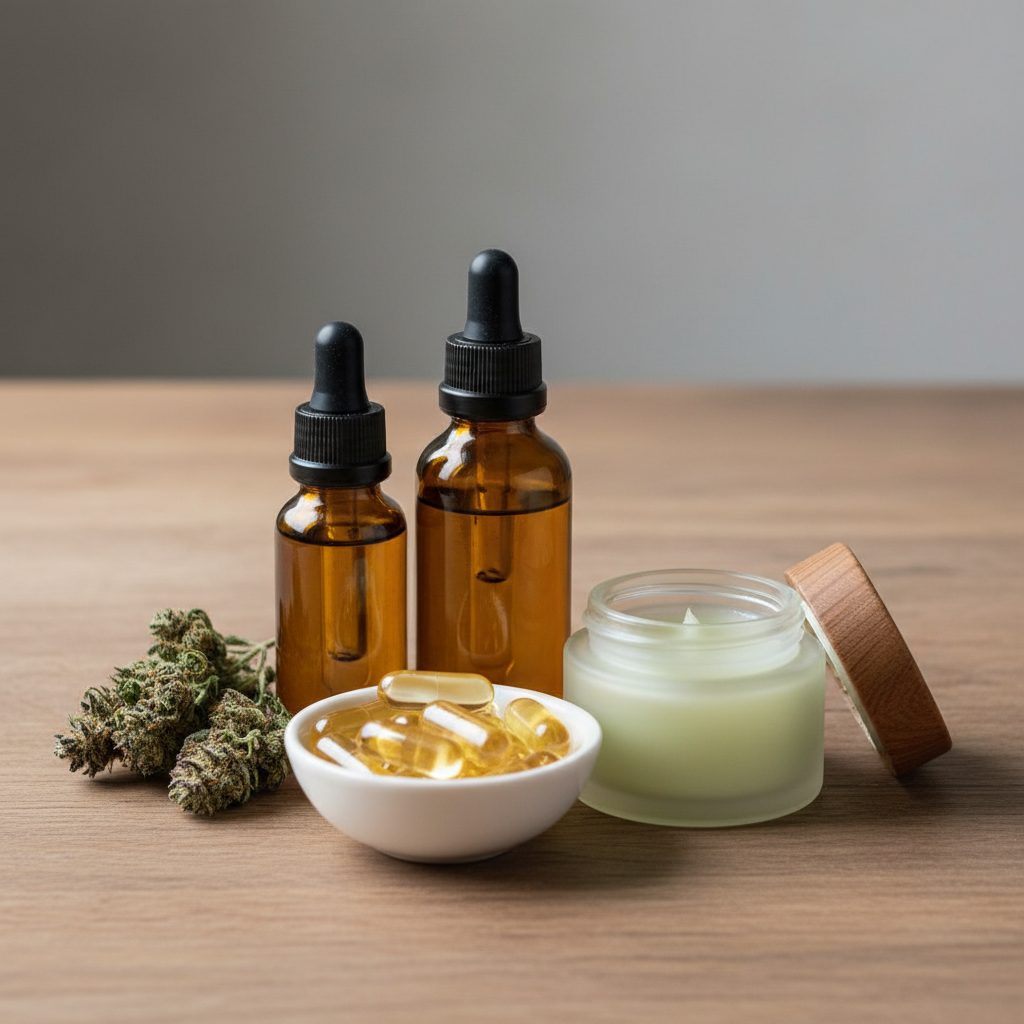
Navigating the burgeoning market for Cannabidiol (CBD) can be overwhelming, with countless products promising various benefits. This CBD buyers guide is designed to cut through the noise, providing you with the essential knowledge needed to make informed and confident purchasing decisions. Whether you're new to CBD or looking to refine your selection, understanding key factors like product types, potency, third-party testing, and legal considerations is paramount to finding a high-quality product that aligns with your wellness goals.
What is CBD and How Does it Work?
Cannabidiol (CBD) is one of over a hundred cannabinoids found in the cannabis plant. Unlike its well-known counterpart, tetrahydrocannabinol (THC), CBD is non-intoxicating, meaning it does not produce the 'high' associated with marijuana. CBD's popularity stems from its potential to interact with the body's endocannabinoid system (ECS), a complex cell-signaling system that plays a crucial role in regulating a wide range of functions and processes, including sleep, mood, appetite, memory, and immune response.
The ECS consists of endocannabinoids (cannabinoids produced by the body), receptors (CB1 and CB2, found throughout the body), and enzymes that break down endocannabinoids. While CBD does not bind directly to CB1 or CB2 receptors in the same way THC does, it is thought to influence them indirectly. It may also interact with other non-cannabinoid receptors, such as serotonin receptors (5-HT1A), which are involved in mood regulation, and vanilloid receptors (TRPV1), which play a role in pain perception and inflammation. This broad interaction profile is why CBD is studied for such a diverse range of potential applications.
When considering CBD products, you'll often encounter three main types:
- Full-Spectrum CBD: Contains all the naturally occurring compounds of the hemp plant, including cannabinoids (like CBD, CBG, CBN), terpenes, flavonoids, and trace amounts of THC (up to 0.3%). The presence of multiple compounds is believed to create an 'entourage effect,' where they work synergistically to enhance therapeutic benefits.
- Broad-Spectrum CBD: Similar to full-spectrum but has undergone an additional process to remove all detectable THC. It still contains other beneficial cannabinoids and terpenes, offering a compromise for those who want the entourage effect without any THC.
- CBD Isolate: This is the purest form of CBD, containing 99% pure cannabidiol with all other plant compounds removed. It's ideal for individuals who want to avoid THC entirely or who may be sensitive to other cannabinoids.
Understanding CBD Product Types and Forms
CBD is available in a wide array of product forms, each offering different absorption rates, onset times, and durations of effect. Your choice of product form will largely depend on your personal preferences and desired outcomes.
- CBD Oils and Tinctures: These are typically taken sublingually (under the tongue), where CBD is absorbed directly into the bloodstream through capillaries. They offer relatively fast absorption (15-45 minutes) and allow for flexible dosing. Tinctures usually consist of CBD extract dissolved in a carrier oil, such as MCT oil or hemp seed oil.
- CBD Capsules and Softgels: These provide a convenient and precise way to dose CBD, as each capsule contains a pre-measured amount. They are swallowed and digested, leading to a slower onset of effects (30-90 minutes) but potentially longer-lasting relief.
- CBD Topicals (Creams, Balms, Lotions): Applied directly to the skin, topicals are designed for localized relief. They interact with cannabinoid receptors in the skin but typically do not enter the bloodstream, making them suitable for muscle soreness, joint discomfort, or skin issues.
- CBD Edibles (Gummies, Chocolates): Edibles offer a tasty and discreet way to consume CBD. Like capsules, they are digested, resulting in a slower onset but prolonged effects. Dosing can be less precise if not carefully manufactured.
- CBD Vapes: Vaping CBD allows for the fastest absorption, with effects often felt within minutes, as CBD enters the bloodstream directly through the lungs. However, the long-term health implications of vaping are still being studied, and it may not be suitable for everyone.
Key Factors for Evaluating CBD Quality
The quality of CBD products can vary significantly. To ensure you're getting a safe and effective product, pay close attention to these critical factors:
Source of Hemp
High-quality CBD starts with high-quality hemp. Look for products made from organically grown hemp, ideally sourced from reputable farms in the United States or Europe. Hemp grown in nutrient-rich soil without pesticides, herbicides, or heavy metals is crucial, as the plant is known to absorb contaminants from its environment.
Extraction Method
The method used to extract CBD from the hemp plant impacts the purity and safety of the final product. CO2 extraction is widely considered the gold standard. It uses pressurized carbon dioxide to pull CBD and other beneficial compounds from the plant material, resulting in a clean, potent, and solvent-free extract. Other methods, like ethanol extraction, can also be effective but may leave behind solvent residues if not properly purged.
Third-Party Lab Testing and Certificate of Analysis (COA)
This is perhaps the most important factor in a CBD buyers guide. Reputable CBD brands will always provide a Certificate of Analysis (COA) from an independent, third-party laboratory. A COA verifies several key aspects:
- Cannabinoid Profile and Potency: Confirms the exact amounts of CBD, THC, and other cannabinoids present in the product. This ensures the product contains the advertised amount of CBD and that THC levels are within legal limits (below 0.3% for hemp-derived products).
- Purity and Contaminant Screening: Tests for harmful substances such as heavy metals (lead, mercury), pesticides, herbicides, mold, mildew, and residual solvents. A clean COA indicates a safe product.
Always check that the COA is recent and matches the batch number of the product you are purchasing. If a brand doesn't provide a COA or it's difficult to find, consider it a red flag.
Potency and Concentration
CBD product labels typically list the total CBD content in milligrams (mg) per bottle or package. For oils and tinctures, you'll also see the concentration per serving (e.g., mg per dropper). Understanding these numbers is crucial for accurate dosing. A product with 1000mg of CBD in a 30ml bottle will have approximately 33mg of CBD per 1ml dropper. Higher potency products may offer better value for money but require careful dosing.
Ingredients List
Beyond the CBD extract itself, examine the other ingredients. For tinctures, look for natural carrier oils like MCT oil (coconut oil) or hemp seed oil. Avoid products with artificial flavors, colors, or unnecessary additives. Simpler ingredient lists are often better.
Navigating Dosing and Administration
One of the most common questions for new CBD users is,