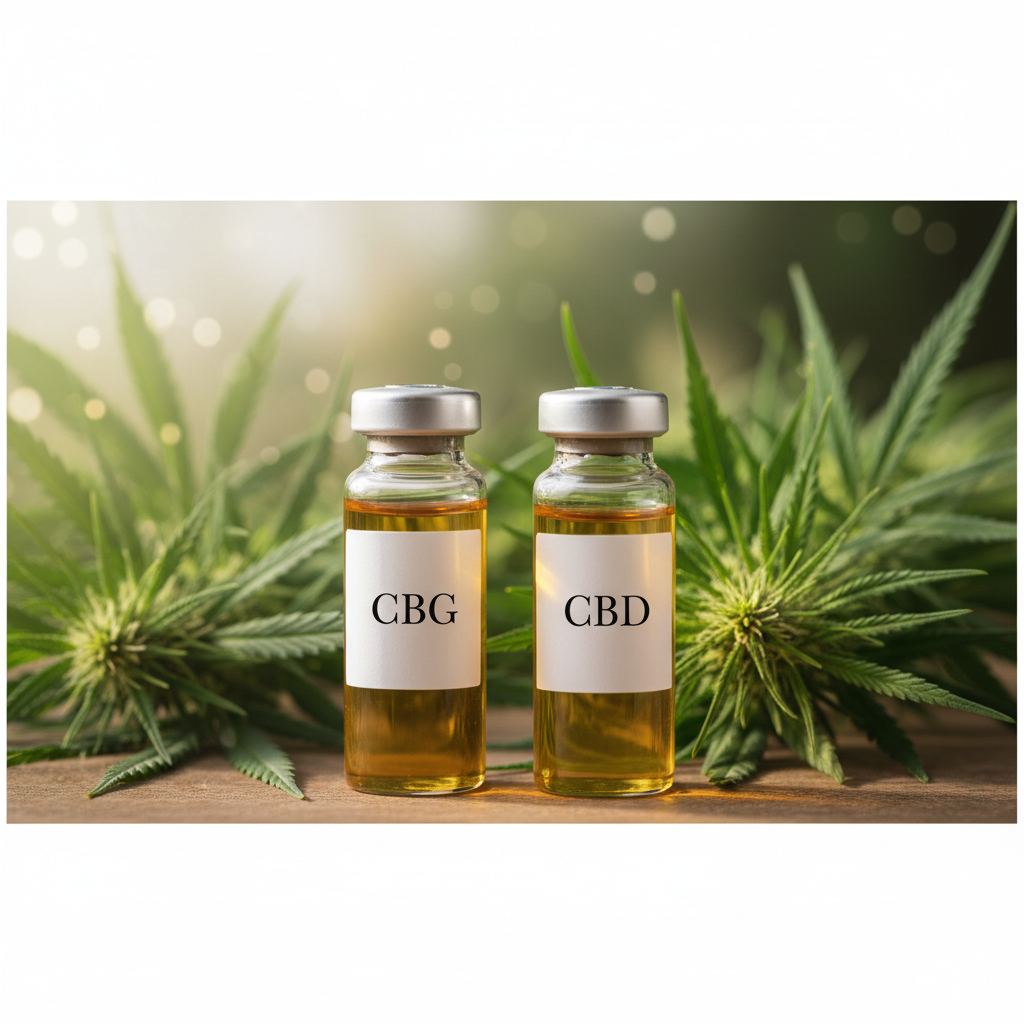
Cannabigerol (CBG) and Cannabidiol (CBD) are two of the most prominent non-intoxicating cannabinoids found in the cannabis plant, each garnering significant attention for their distinct properties and potential wellness applications. While both interact with the body's complex endocannabinoid system (ECS), they do so through different pathways, leading to unique physiological effects. Understanding the nuances of CBG vs CBD is crucial for consumers seeking to make informed decisions about which cannabinoid, or combination thereof, might best support their individual health and wellness goals. This article delves into their mechanisms of action, current scientific evidence, practical considerations for use, and safety profiles to provide a comprehensive comparison.
CBG vs CBD: Understanding the Basics of Cannabinoids
The cannabis plant is a rich source of various compounds, among which cannabinoids stand out for their interaction with the human body. The endocannabinoid system (ECS) is a complex cell-signaling system that plays a crucial role in regulating a wide range of functions and processes, including sleep, mood, appetite, memory, and reproduction. Cannabinoids like CBD and CBG interact with this system, but in different ways.
Cannabidiol (CBD) is perhaps the most well-known non-intoxicating cannabinoid. It is abundant in hemp and has been extensively studied for its potential to support relaxation, manage everyday stress, and promote a sense of calm. CBD is not psychoactive, meaning it does not produce the "high" associated with THC. Its mechanism of action is largely indirect, influencing the ECS by interacting with various receptors throughout the body and inhibiting the enzyme fatty acid amide hydrolase (FAAH), which breaks down anandamide, an endocannabinoid.
Cannabigerol (CBG), often referred to as the "mother of all cannabinoids," is the precursor from which other cannabinoids, including CBD and THC, are synthesized. In most cannabis strains, CBG is present in much smaller quantities than CBD or THC, making it a "minor cannabinoid." However, specialized breeding has led to strains with higher CBG content. Like CBD, CBG is non-intoxicating. Preliminary research suggests CBG may have distinct effects due to its more direct interaction with cannabinoid receptors, as well as other non-cannabinoid receptors.
Distinct Mechanisms of Action and Potential Effects
The primary difference between CBG and CBD lies in their unique ways of interacting with the endocannabinoid system and other physiological targets. These distinct mechanisms contribute to their varying potential effects.
CBD's Mechanism: CBD primarily works by indirectly influencing the ECS. Instead of binding strongly to the CB1 and CB2 cannabinoid receptors, it modulates their activity and interacts with other non-cannabinoid receptors, such as serotonin 5-HT1A receptors, which are involved in mood regulation. It also inhibits the reuptake of anandamide, an endocannabinoid, thereby increasing its levels in the body. This indirect action is thought to contribute to CBD's potential to support a balanced mood, reduce feelings of anxiety, and help manage discomfort.
CBG's Mechanism: In contrast, CBG exhibits a more direct interaction with the ECS. It acts as a partial agonist at both CB1 and CB2 receptors, meaning it binds to them and elicits a response, though not as strongly as full agonists like THC. This direct binding is a key differentiator from CBD. Furthermore, CBG has been shown to interact with alpha-2 adrenergic receptors, which are involved in blood pressure regulation and pain perception, and serotonin 5-HT1A receptors, similar to CBD. It also appears to block GABA uptake, which could lead to muscle relaxation and anti-anxiety effects. These diverse interactions suggest a broader range of potential applications for CBG, particularly in areas like neuroprotection and gut health.
Evidence by Outcome: What the Research Suggests
While both cannabinoids show promise, the body of scientific evidence supporting their potential benefits differs significantly, with CBD having a more extensive research history.
CBD Evidence: CBD has been studied for a wide array of potential applications. Robust human evidence supports its use in managing certain rare forms of epilepsy. Beyond this, preliminary human and animal studies suggest CBD may offer support for:
- Stress and Anxiety: Many users report a calming effect, and some studies indicate CBD's potential to reduce anxiety in various contexts.
- Sleep Support: By addressing underlying factors like anxiety or discomfort, CBD may indirectly contribute to improved sleep quality.
- Pain and Inflammation: Animal studies and anecdotal reports suggest CBD may help manage discomfort and reduce inflammation, though robust human trials are still emerging.
- Neuroprotection: Early research indicates CBD's antioxidant and neuroprotective properties.
CBG Evidence: Research on CBG is less extensive than CBD but is rapidly growing. Most studies are preclinical (in vitro or animal models), with human trials being limited. Preliminary findings suggest CBG may have potential in areas such as:
- Neuroprotection: Animal studies have shown CBG's potential to protect neurons and improve motor deficits in neurodegenerative conditions.
- Anti-inflammatory Properties: CBG has demonstrated anti-inflammatory effects in models of inflammatory bowel disease and other inflammatory conditions.
- Antibacterial Properties: Research indicates CBG may have potent antibacterial activity, including against methicillin-resistant Staphylococcus aureus (MRSA).
- Appetite Stimulation: Unlike CBD, CBG has shown potential to stimulate appetite in animal models.
- Glaucoma: Early studies suggest CBG may reduce intraocular pressure, which is beneficial for glaucoma.
Bioavailability, Dose Forms, and Administration
The way CBG and CBD are consumed significantly impacts their bioavailability—the proportion of the cannabinoid that enters the circulation and can have an active effect. Both cannabinoids are available in similar forms, but individual responses to dosing can vary.
Common Dose Forms: Both CBG and CBD are typically available as oils/tinctures (taken sublingually), capsules/softgels (ingested orally), edibles (gummies, chocolates), topicals (creams, balms), and vapes. Each form offers different onset times and durations of effect:
- Sublingual (oils/tinctures): Placed under the tongue, cannabinoids are absorbed directly into the bloodstream, bypassing the digestive system. This offers relatively fast onset (15-45 minutes) and good bioavailability.
- Oral (capsules, edibles): Ingested, cannabinoids pass through the digestive system and liver, where they are metabolized. This results in a slower onset (1-2 hours) and lower bioavailability, but longer-lasting effects.
- Topical (creams, balms): Applied to the skin, these products interact with local cannabinoid receptors and are generally not absorbed into the bloodstream. They are used for localized relief.
- Inhalation (vaping): Offers the fastest onset (minutes) and highest bioavailability, as cannabinoids enter the bloodstream directly through the lungs. However, the long-term health effects of vaping are still under investigation.
Dosing Considerations: There is no universally recommended dose for either CBG or CBD, as optimal dosing depends on individual factors such as body weight, metabolism, the specific condition being addressed, and product potency. A common recommendation is to "start low and go slow," beginning with a small dose and gradually increasing it until the desired effects are achieved. It's also important to note that many products combine CBG and CBD, often alongside other minor cannabinoids and terpenes, to leverage the "entourage effect," where these compounds work synergistically to enhance overall benefits.
Safety Profiles and Potential Interactions
Both CBG and CBD are generally considered well-tolerated in humans, with relatively few and mild side effects reported. However, like all supplements, they are not without potential risks, and interactions with medications are a significant consideration.
General Safety: Studies and widespread use suggest that both CBD and CBG have good safety profiles. Potential side effects, when they occur, are typically mild and may include:
- Drowsiness or sedation
- Dry mouth
- Diarrhea or changes in appetite
- Lightheadedness
These side effects are often dose-dependent and may be more pronounced with higher doses. It's always advisable to start with a low dose to assess individual tolerance.
Drug Interactions: A crucial safety consideration for both CBG and CBD, particularly CBD, is their potential to interact with certain medications. Both cannabinoids can inhibit cytochrome P450 (CYP450) enzymes in the liver, which are responsible for metabolizing a large percentage of prescription drugs. By inhibiting these enzymes, cannabinoids can increase the concentration of other medications in the bloodstream, potentially leading to increased side effects or toxicity. Medications commonly affected include:
- Blood thinners (e.g., warfarin)
- Antidepressants and anti-anxiety medications
- Seizure medications
- Immunosuppressants
- Certain heart medications
It is imperative to consult a healthcare professional before combining CBG or CBD with any prescription medications to avoid adverse interactions. This is especially true if you are on medications with a narrow therapeutic window, where small changes in blood levels can have significant consequences.
Who Should Consider CBG, Who Should Consider CBD?
The choice between CBG and CBD, or using them together, often comes down to individual health goals and the specific effects one is seeking. While there's overlap in their potential benefits, their distinct mechanisms suggest different primary applications.
Consider CBD if you are looking for:
- General Wellness and Balance: CBD is widely used to support overall well-being, promoting a sense of calm and homeostasis within the body.
- Stress and Anxiety Management: Many users find CBD helpful in managing everyday stress and reducing feelings of anxiety, contributing to a more relaxed state.
- Sleep Support: By helping to calm the mind and body, CBD may indirectly support healthier sleep patterns.
- Mild Discomfort: CBD is often chosen for its potential to help manage general aches and discomfort, particularly those related to inflammation.
Consider CBG if you are interested in:
- Neuroprotective Potential: Early research suggests CBG may be particularly relevant for brain health and neuroprotection.
- Gut Health Support: Its anti-inflammatory properties have shown promise in preclinical models of inflammatory bowel conditions.
- Specific Anti-inflammatory Needs: While CBD also has anti-inflammatory properties, CBG's direct receptor interactions may offer a different pathway for addressing inflammation.
- Appetite Stimulation: Unlike CBD, CBG has shown potential to increase appetite, which could be beneficial in certain situations.
Combining CBG and CBD (The Entourage Effect): Many individuals choose to use products that contain both CBG and CBD, along with other minor cannabinoids and terpenes. This approach is based on the "entourage effect" theory, which posits that these compounds work synergistically to enhance each other's therapeutic benefits and mitigate potential side effects, leading to a more comprehensive and potent effect than any single cannabinoid alone. For example, some users report that CBG's more stimulating properties can be balanced by CBD's calming effects, creating a more focused yet relaxed state.
Practical Buying Notes and Quality Considerations
When purchasing CBG or CBD products, quality and transparency are paramount. The unregulated nature of the supplement market means that product quality can vary significantly. Here are key factors to consider to ensure you are buying a safe and effective product:
- Third-Party Lab Testing (COA): Always look for products that provide a Certificate of Analysis (COA) from an independent, third-party laboratory. This document verifies the cannabinoid content (ensuring it matches the label claims), confirms the absence of heavy metals, pesticides, residual solvents, and mold, and ensures THC levels are within legal limits (typically less than 0.3% for hemp-derived products).
- Hemp Source and Extraction Method: Choose products made from organically grown hemp, preferably from reputable farms in the USA or Europe, to minimize exposure to pesticides and other contaminants. Common extraction methods include CO2 extraction (considered clean and efficient) and ethanol extraction.
- Full-Spectrum, Broad-Spectrum, or Isolate:
- Full-Spectrum: Contains all cannabinoids naturally found in the hemp plant, including trace amounts of THC (under 0.3%), terpenes, and flavonoids. This is believed to offer the strongest entourage effect.
- Broad-Spectrum: Contains a range of cannabinoids and terpenes but has had all detectable THC removed. It offers some entourage effect without the concern of THC.
- Isolate: Pure CBD or CBG, with all other plant compounds removed. It's ideal for those who want to avoid THC entirely or are sensitive to other cannabinoids.
- Ingredient List: Check for a clear and concise ingredient list. Avoid products with excessive additives, artificial flavors, or unnecessary fillers. For tinctures, a simple carrier oil (like MCT oil) and the cannabinoid extract are ideal.
- Reputable Brands: Stick to well-established brands with positive customer reviews and a history of transparency and quality control. A brand that openly shares its manufacturing processes and lab results is a good indicator of trustworthiness.
- Potency: Pay attention to the total milligrams of CBG or CBD per bottle and per serving. This helps you accurately dose and compare product value.
By carefully evaluating these factors, consumers can navigate the market more effectively and select high-quality CBG and CBD products that align with their wellness goals.