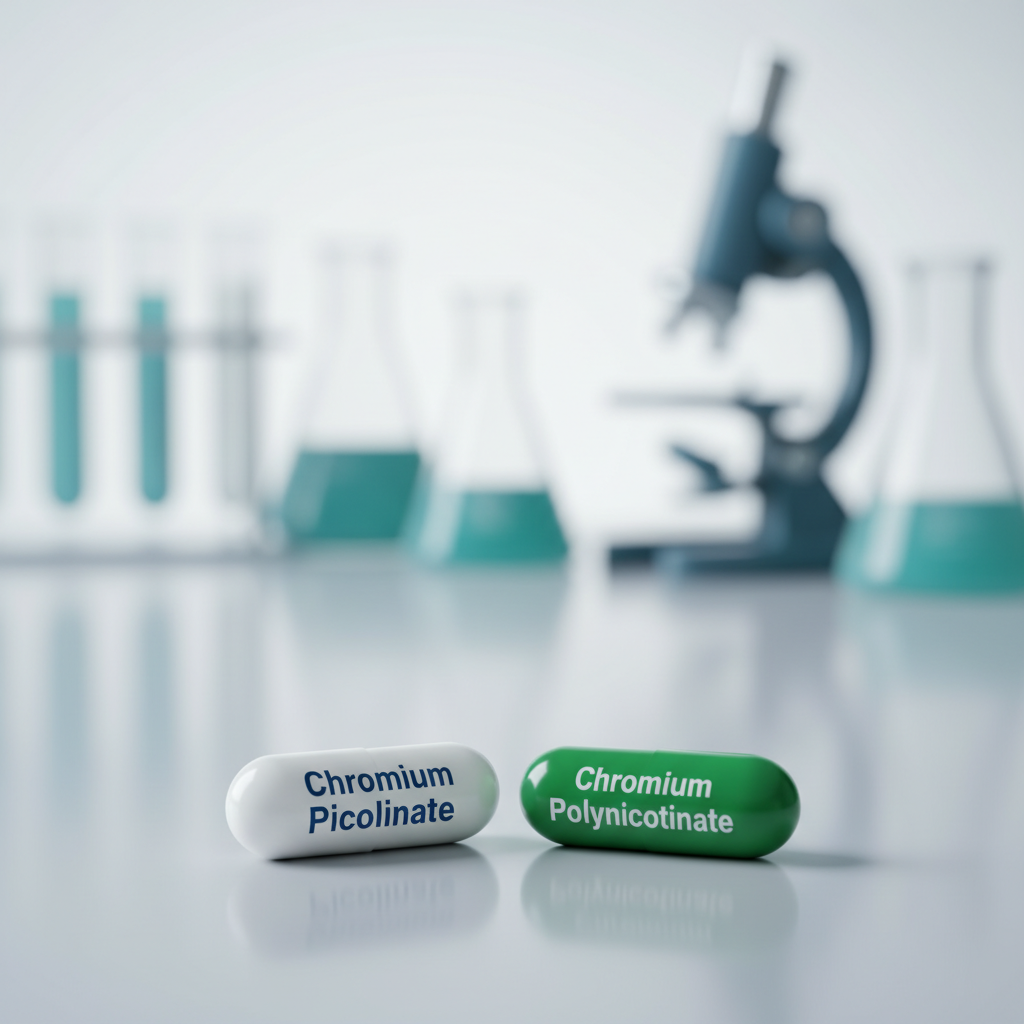
When considering chromium supplementation, two forms frequently emerge as popular choices: chromium picolinate and chromium polynicotinate. Both are chelated forms of the essential trace mineral chromium, designed to enhance its absorption and utilization in the body, primarily for supporting healthy glucose metabolism and insulin sensitivity. While they share a common goal, their fundamental difference lies in the organic compound to which chromium is bound – picolinic acid in one case, and niacin (vitamin B3) in the other. This distinction can lead to subtle variations in bioavailability, metabolic pathways, and the extent of scientific research available for each. However, for most individuals, the clinical differences in efficacy between chromium picolinate vs polynicotinate are not definitively established, and the choice often comes down to individual preference, specific formulation, and professional guidance.
What Each Is and How It Works
Chromium is an essential trace mineral that plays a vital role in various metabolic processes, particularly in the metabolism of carbohydrates, fats, and proteins. Its most recognized function is its involvement in enhancing the action of insulin, a hormone critical for regulating blood sugar levels. Without adequate chromium, insulin's effectiveness can be diminished, potentially leading to impaired glucose tolerance.
Chromium Picolinate
Chromium picolinate is a compound where chromium is bound to three molecules of picolinic acid. Picolinic acid is a natural metabolite of tryptophan, an amino acid, and is known for its chelating properties, meaning it can bind to minerals like chromium and facilitate their transport across cell membranes. This chelation is believed to significantly improve the absorption of chromium compared to its inorganic forms.
The primary mechanism by which chromium picolinate is thought to work involves its interaction with insulin. It is believed to enhance insulin signaling by increasing the number of insulin receptors, improving the binding of insulin to its receptors, or augmenting the activity of intracellular signaling pathways that respond to insulin. This can lead to more efficient glucose uptake by cells, thus helping to maintain healthy blood sugar levels. Some theories suggest chromium is a component of a molecule called chromodulin, which potentiates insulin receptor activity.
Chromium Polynicotinate
Chromium polynicotinate, also known as chromium nicotinate or niacin-bound chromium, is a complex where chromium is bound to niacin (vitamin B3). Niacin is an essential vitamin involved in numerous metabolic reactions, including energy production and DNA repair. The binding of chromium to niacin is intended to create a highly bioavailable form of the mineral.
Similar to chromium picolinate, chromium polynicotinate is proposed to support insulin function and glucose metabolism. The niacin component itself has roles in lipid metabolism and energy production, and some researchers speculate that this combination might offer synergistic benefits, though robust evidence specifically for chromium polynicotinate's unique advantages over other forms is still emerging. The mechanism is largely centered on enhancing insulin sensitivity, much like picolinate, by facilitating glucose transport into cells and improving the body's response to insulin.
Evidence by Outcome
Both chromium picolinate and chromium polynicotinate have been subjects of scientific inquiry regarding their potential health benefits. While chromium is crucial for health, the efficacy of supplemental forms, especially in healthy individuals, is often debated.
Glucose Metabolism and Insulin Sensitivity
This is the most extensively researched area for both forms of chromium. Numerous studies have investigated chromium picolinate's role in individuals with impaired glucose tolerance or type 2 diabetes. Some trials suggest that chromium picolinate supplementation may improve fasting blood glucose, HbA1c levels (a marker of long-term blood sugar control), and insulin sensitivity in these populations. However, results are not universally consistent, with some studies showing no significant benefit, particularly in individuals with well-controlled diabetes or those who are otherwise healthy. The evidence for chromium polynicotinate in this area is less extensive than for picolinate, but preliminary studies suggest similar potential benefits in supporting glucose metabolism. Again, results can be mixed, and more robust, large-scale human trials are needed to draw definitive conclusions about its comparative efficacy.
Weight Management
Chromium supplements, including both picolinate and polynicotinate, have been marketed for weight loss. The theory is that by improving insulin sensitivity and glucose metabolism, chromium might help reduce cravings, particularly for carbohydrates, and support fat metabolism. However, the scientific evidence supporting chromium's effectiveness for significant weight loss in humans is generally weak and inconsistent. While some small studies have shown modest reductions in body fat or increases in lean body mass, many larger, well-designed trials have found no significant effect on body weight or composition.
Cholesterol and Lipid Profile
Some research has explored whether chromium supplementation can impact cholesterol and triglyceride levels. A few studies have indicated minor improvements in lipid profiles, such as a slight reduction in total cholesterol or triglycerides, particularly in individuals with existing metabolic issues. However, these effects are generally not considered substantial enough for chromium to be recommended as a primary intervention for dyslipidemia, and more robust evidence is needed to confirm these findings for both picolinate and polynicotinate.
Mood and Cravings
There is limited, preliminary evidence suggesting that chromium, particularly chromium picolinate, might have a role in modulating mood and reducing cravings, especially in individuals with atypical depression or carbohydrate cravings. This effect is hypothesized to be linked to its influence on blood sugar stability and potentially neurotransmitter function. However, these findings are considered very preliminary, and chromium is not a recognized treatment for mood disorders.
Bioavailability and Dose-Form
Bioavailability refers to the proportion of a nutrient that is absorbed from the diet and utilized for metabolic functions. For trace minerals like chromium, bioavailability is a critical factor in determining a supplement's effectiveness.
Chromium Picolinate Bioavailability
Chromium picolinate is widely recognized for its enhanced bioavailability compared to inorganic chromium salts. The picolinic acid acts as a chelating agent, forming a stable complex with chromium that is thought to be more readily absorbed through the intestinal wall. Studies comparing different forms of chromium have often shown picolinate to have superior absorption rates. Once absorbed, it is transported to various tissues where it can exert its metabolic effects.
Chromium Polynicotinate Bioavailability
Chromium polynicotinate is also considered a highly bioavailable form of chromium. The niacin component is believed to facilitate absorption, potentially through different pathways than picolinic acid. Some research suggests that chromium polynicotinate might have comparable or even slightly superior absorption to chromium picolinate in certain experimental models, while other studies show no significant difference. It's important to note that both forms are generally considered significantly more bioavailable than simple chromium chloride or other inorganic forms. The typical dosage for both forms ranges from 200 to 1000 micrograms (mcg) of elemental chromium per day, often taken in capsule or tablet form.
Safety and Interactions
Both chromium picolinate and chromium polynicotinate are generally considered safe for most healthy adults when taken at recommended doses. However, like all supplements, they can have potential side effects and interactions.
General Safety and Side Effects
Mild side effects, though rare, can include stomach upset, headaches, dizziness, or nausea. These are usually transient and resolve with continued use or a reduction in dose. There have been isolated case reports of more serious adverse effects, such as kidney or liver damage, but these are extremely rare and often associated with very high doses or pre-existing conditions. For individuals with kidney health concerns, chromium supplementation should be approached with extreme caution and under strict medical supervision.
Drug Interactions
- Diabetes Medications: This is the most significant interaction. Chromium can enhance the effects of insulin and oral hypoglycemic agents, potentially leading to hypoglycemia ( dangerously low blood sugar). Individuals on diabetes medication must consult their doctor before taking chromium supplements and monitor blood sugar levels closely.
- Thyroid Medications: Chromium may interfere with the absorption of thyroid hormones. It's advisable to take chromium supplements several hours apart from thyroid medication.
- Antacids and H2 Blockers: Medications that reduce stomach acid, such as antacids or proton pump inhibitors, may decrease chromium absorption.
- Non-Steroidal Anti-Inflammatory Drugs (NSAIDs): There's some theoretical concern about chromium interacting with NSAIDs, but robust clinical evidence is limited.
Pregnant or breastfeeding women, and individuals with pre-existing medical conditions (especially kidney or liver disease), should always consult a healthcare professional before starting chromium supplementation.
Who Should Pick Which
Given the similarities in their proposed mechanisms and the often inconclusive evidence for one being definitively superior, the choice between chromium picolinate vs polynicotinate can be nuanced.
Consider Chromium Picolinate If:
- You are looking for the most extensively researched form of chromium, particularly concerning its role in supporting insulin sensitivity and glucose metabolism. Many clinical trials have focused on this specific compound.
- You are seeking a supplement that has been widely available and used for a longer period, offering a more established track record in the supplement market.
Consider Chromium Polynicotinate If:
- You are interested in an alternative bioavailable form, perhaps if you experience mild digestive upset with picolinate, or if a particular brand offers polynicotinate with a formulation you prefer.
- You are intrigued by the theoretical synergistic benefits of chromium bound to niacin, although these benefits are often minor at typical supplement doses and not definitively proven to be superior to picolinate.
Ultimately, for most individuals, the decision between chromium picolinate and chromium polynicotinate may not yield dramatically different clinical outcomes. Both are designed to deliver chromium effectively. The most critical factor is ensuring you are taking a high-quality supplement from a reputable brand and, crucially, consulting with a healthcare professional before starting any new supplement, especially if you have underlying health conditions or are taking other medications. They can help determine if chromium supplementation is appropriate for your specific needs and guide you on the most suitable form and dosage.
Practical Buying Notes
When purchasing either chromium picolinate or chromium polynicotinate, several practical considerations can help ensure you select a safe and effective product.
- Reputable Brands: Always opt for supplements from well-known and reputable manufacturers. These companies are more likely to adhere to good manufacturing practices (GMP) and conduct quality control testing.
- Third-Party Testing: Look for products that have been independently tested by third-party organizations (e.g., NSF International, USP, ConsumerLab.com). This certification indicates that the product contains the ingredients listed on the label in the stated amounts and is free from harmful contaminants.
- Elemental Chromium Content: Pay close attention to the label to understand the amount of elemental chromium per serving, not just the total weight of the chromium compound. Dosages are typically expressed in micrograms (mcg) of elemental chromium.
- Other Ingredients: Review the list of other ingredients to identify any potential allergens, unnecessary fillers, or artificial additives you wish to avoid.
- Cost-Effectiveness: Compare prices per serving across different brands and forms. While cost shouldn't be the sole determinant, it's a practical factor. Sometimes, a slightly higher price reflects better quality control or a more bioavailable formulation.
- Consult a Professional: Before adding any chromium supplement to your regimen, it is highly recommended to discuss it with a doctor or a registered dietitian. They can provide personalized advice based on your health status, dietary intake, and any medications you are currently taking. This is especially important for individuals managing conditions like diabetes or those taking blood sugar management strategies.