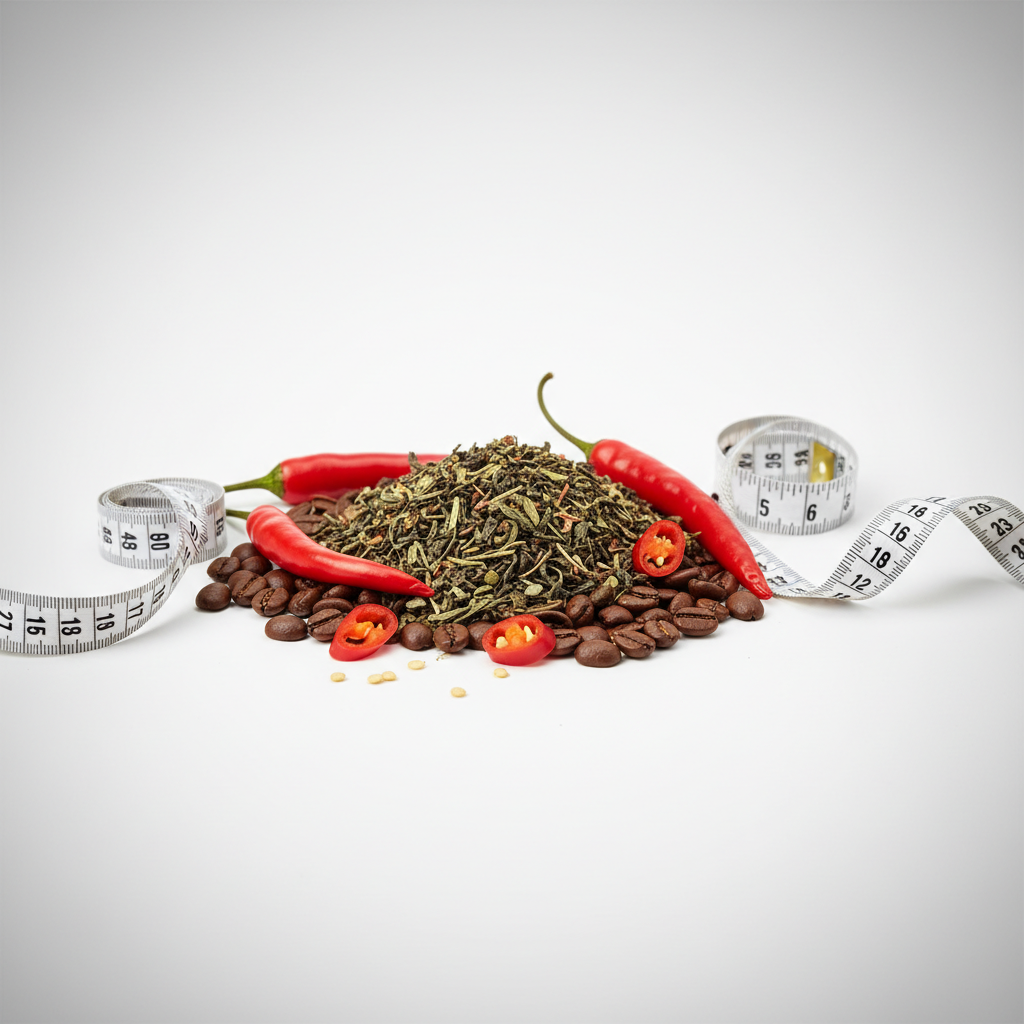
The quest for effective weight loss solutions often leads individuals to explore fat burning supplements, marketed to enhance metabolism, reduce appetite, or increase fat oxidation. However, the scientific fat burning supplements evidence is often mixed, with many products lacking robust clinical backing. This article provides an evidence-led review of common ingredients found in these supplements, detailing their proposed mechanisms, the strength of the scientific support, and important safety considerations.
Understanding Fat Burning and Metabolism
Before diving into supplements, it's crucial to understand how the body burns fat. Fat loss primarily occurs when the body is in a caloric deficit, meaning it expends more energy than it consumes. This deficit forces the body to tap into stored fat reserves for energy. Metabolism is the sum of all chemical processes that occur in the body to maintain life, including converting food into energy. A higher metabolic rate means more calories are burned, even at rest.
Fat burning supplements typically aim to influence one or more of these processes:
- Thermogenesis: Increasing heat production in the body, which burns more calories.
- Lipolysis: The breakdown of stored fats into fatty acids, making them available for energy.
- Appetite Suppression: Reducing hunger and caloric intake.
- Fat Absorption Inhibition: Preventing the body from absorbing dietary fat.
- Energy Expenditure: Directly increasing the number of calories burned during activity or at rest.
Key Ingredients and Their Evidence
Caffeine
Caffeine is perhaps the most widely used stimulant and a common ingredient in fat burning supplements. Its mechanism involves blocking adenosine receptors, leading to increased release of neurotransmitters like norepinephrine and dopamine. This can enhance alertness, reduce perceived effort during exercise, and stimulate the central nervous system.
- Mechanism: Caffeine increases thermogenesis and fat oxidation, particularly during exercise. It can also temporarily suppress appetite.
- Evidence: Numerous studies show caffeine's ability to modestly increase metabolic rate and enhance fat burning during acute exercise sessions. However, its long-term effects on significant weight loss are less clear, and individuals can develop tolerance, diminishing its impact.
- Dosing: Typically 100-400 mg per day, often split into multiple doses.
- Safety: Common side effects include jitters, anxiety, insomnia, increased heart rate, and gastrointestinal upset. High doses can be dangerous, especially for individuals sensitive to stimulants or with pre-existing heart conditions. For more detailed information, see our article on Caffeine.
Green Tea Extract (EGCG)
Green tea extract, particularly its active compound epigallocatechin gallate (EGCG), is another popular ingredient. It's often touted for its antioxidant properties and potential role in weight management.
- Mechanism: EGCG is believed to inhibit an enzyme that breaks down norepinephrine, a neurotransmitter that signals fat cells to release fat. This can prolong the thermogenic effects of norepinephrine.
- Evidence: Some studies suggest that EGCG, especially when combined with caffeine, can modestly increase energy expenditure and fat oxidation. However, the effects are often small and more pronounced in individuals who are not regular caffeine consumers. The impact on significant weight loss is generally considered minor.
- Dosing: Typically 200-500 mg of EGCG per day, often standardized to a certain percentage.
- Safety: Generally safe at recommended doses. High doses, particularly on an empty stomach, have been linked to liver toxicity in rare cases.
L-Carnitine
L-Carnitine is an amino acid derivative that plays a crucial role in the transport of fatty acids into the mitochondria, where they are burned for energy.
- Mechanism: It facilitates the transport of long-chain fatty acids across the mitochondrial membrane, theoretically enhancing fat utilization.
- Evidence: While its role in fat metabolism is clear, human studies on L-carnitine supplementation for weight loss in healthy individuals have largely shown inconsistent or negligible results. It may be more beneficial for individuals with L-carnitine deficiencies or certain medical conditions.
- Dosing: Typically 1-3 grams per day.
- Safety: Generally well-tolerated, with mild gastrointestinal upset being the most common side effect at higher doses.
Conjugated Linoleic Acid (CLA)
CLA is a group of fatty acids found naturally in meat and dairy products. It's marketed as a supplement to reduce body fat and increase lean muscle mass.
- Mechanism: Proposed mechanisms include increasing fat breakdown, reducing fat cell size, and promoting apoptosis (programmed cell death) of fat cells.
- Evidence: Human studies on CLA for weight loss have yielded mixed results. Some small studies suggest a modest reduction in body fat over several months, but the effects are often clinically insignificant (e.g., a few pounds over a year). Other studies show no significant benefit.
- Dosing: Typically 3-6 grams per day.
- Safety: Generally safe, but some individuals may experience gastrointestinal issues, insulin resistance, or increased markers of inflammation at higher doses.
Garcinia Cambogia (Hydroxycitric Acid - HCA)
Garcinia Cambogia is a tropical fruit containing hydroxycitric acid (HCA), which is believed to be the active ingredient.
- Mechanism: HCA is thought to inhibit citrate lyase, an enzyme involved in fat synthesis, and potentially increase serotonin levels, leading to reduced appetite.
- Evidence: Early animal studies showed promising results, but human trials have been largely disappointing. While some studies suggest a small, short-term effect on weight loss, many well-designed trials show no significant difference compared to placebo.
- Dosing: Typically 500-1500 mg of HCA, taken before meals.
- Safety: Generally considered safe for short-term use, but some reports of liver toxicity exist, though rare. Common side effects include digestive upset and headaches.
Yohimbine
Yohimbine is an alpha-2 adrenergic receptor antagonist derived from the bark of the Pausinystalia yohimbe tree. It's often found in stimulant-based fat burners.
- Mechanism: It works by blocking alpha-2 receptors, which normally inhibit fat release from fat cells. By blocking these receptors, yohimbine can theoretically enhance fat mobilization, especially from stubborn fat areas.
- Evidence: Some evidence suggests yohimbine can increase fat oxidation, particularly during fasted exercise. However, its effects on overall weight loss are modest and often overshadowed by its stimulant properties.
- Dosing: Typically 0.2 mg/kg body weight, divided into multiple doses.
- Safety: Yohimbine can have significant side effects, including increased heart rate, elevated blood pressure, anxiety, panic attacks, and gastrointestinal distress. It can interact with various medications and is not recommended for individuals with heart conditions, anxiety disorders, or high blood pressure.
Capsaicin/Cayenne Pepper
Capsaicin is the active component in chili peppers that gives them their heat. It's included in supplements for its thermogenic properties.
- Mechanism: Capsaicin activates TRPV1 receptors, leading to an increase in body temperature and energy expenditure. It may also reduce appetite.
- Evidence: Small studies suggest that capsaicin can modestly increase thermogenesis and fat oxidation, and potentially reduce appetite. However, the effects are generally small and may not translate to significant long-term weight loss.
- Dosing: Varies widely, often standardized to capsaicinoids.
- Safety: Generally safe, but can cause gastrointestinal upset, heartburn, and irritation.
Dosing and Administration Considerations
Effective dosing for fat burning supplements is highly variable and often depends on the specific ingredient, individual tolerance, and desired outcome. It is crucial to follow manufacturer recommendations or consult a healthcare professional. Many supplements are designed to be taken before meals or exercise to maximize their effects on metabolism or appetite. However, timing can also influence side effects, particularly with stimulants like caffeine, which should be avoided close to bedtime.
It's also important to note that the quality and purity of supplements can vary significantly. Look for products that have been third-party tested for purity and potency to ensure you are getting what is stated on the label. Our guide to choosing quality supplements can provide more insights.
Safety, Side Effects, and Interactions
While many fat burning supplements are marketed as natural, they are not without potential risks. Side effects can range from mild discomfort to serious health issues. Common side effects include:
- Gastrointestinal Issues: Nausea, stomach cramps, diarrhea (e.g., Garcinia Cambogia, CLA).
- Cardiovascular Effects: Increased heart rate, elevated blood pressure, palpitations (e.g., caffeine, yohimbine).
- Nervous System Effects: Jitters, anxiety, insomnia, headaches (e.g., caffeine, yohimbine).
- Liver Toxicity: Rare but reported with some ingredients, particularly high doses of green tea extract.
Furthermore, fat burning supplements can interact with prescription medications, over-the-counter drugs, and other supplements. For example, stimulants can exacerbate the effects of blood pressure medications or interact with antidepressants. Individuals with pre-existing health conditions, such as heart disease, high blood pressure, diabetes, or anxiety disorders, should be particularly cautious and always consult a healthcare provider before taking any fat burning supplement.
When to Talk to a Clinician
Given the potential for side effects and interactions, it is always advisable to speak with a healthcare professional before starting any new supplement regimen, especially if you:
- Have any pre-existing medical conditions.
- Are taking any prescription medications or other supplements.
- Are pregnant or breastfeeding.
- Experience any adverse reactions after taking a supplement.
- Are unsure about the appropriate dosage or safety of a particular ingredient.
A clinician can help assess your individual health status, potential risks, and determine if a fat burning supplement is appropriate for your specific needs and goals. They can also provide guidance on evidence-based strategies for weight management that prioritize your overall health.
Conclusion
The evidence for most fat burning supplements suggests that their effects are often modest, temporary, and highly variable among individuals. While ingredients like caffeine and green tea extract show some potential for minor increases in metabolism and fat oxidation, they are not magic bullets for weight loss. Sustainable and healthy weight management is best achieved through a combination of a balanced diet, regular physical activity, adequate sleep, and stress management. Supplements should be viewed as potential adjuncts to these foundational lifestyle changes, used cautiously and under professional guidance.