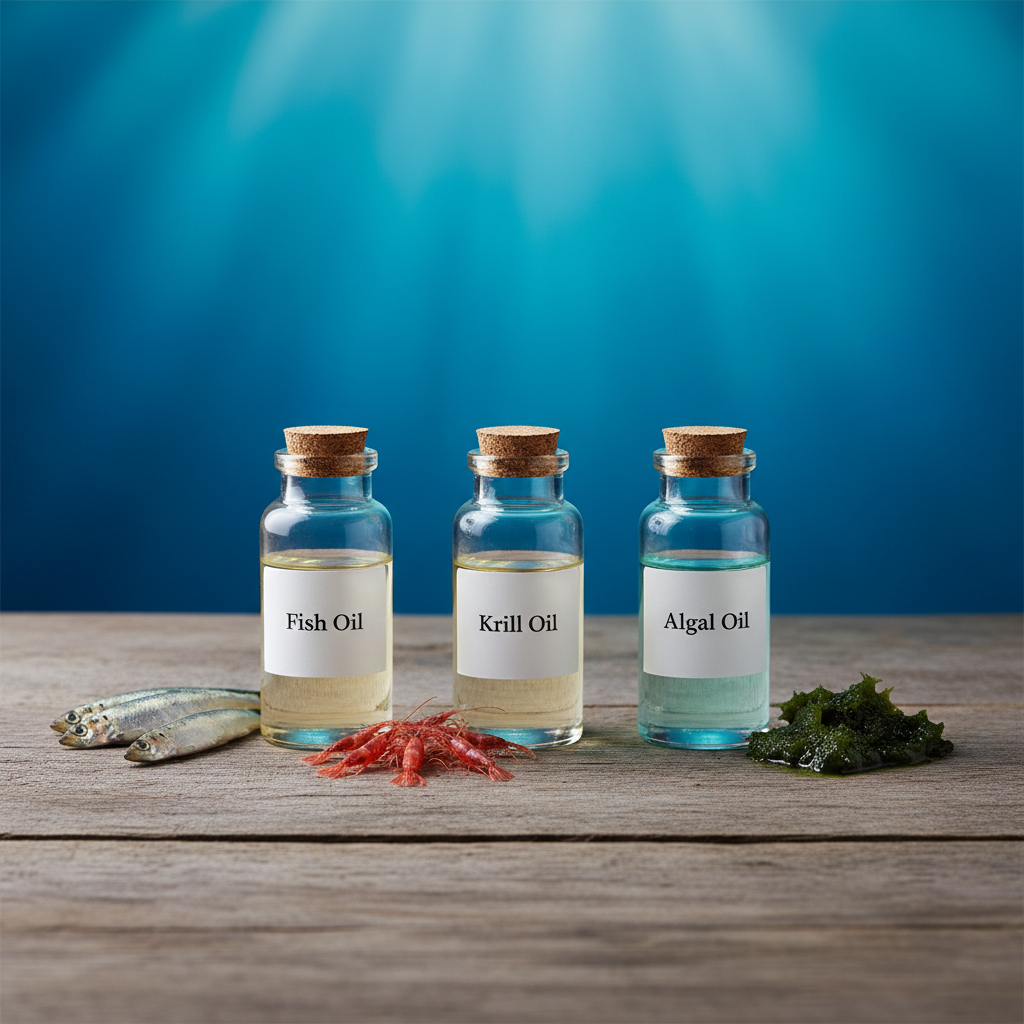
When seeking to supplement omega-3 fatty acids, particularly EPA and DHA, consumers often face a choice between fish oil, krill oil, and algal oil. While all three aim to deliver these essential nutrients, they differ significantly in their source, chemical structure, additional compounds, and suitability for various dietary needs. This article will delve into the nuances of fish oil vs krill oil vs algal oil, helping you understand their distinct profiles and make an informed decision for your health goals.
What Each Is and How It Works
The primary goal of taking an omega-3 supplement is to increase your intake of eicosapentaenoic acid (EPA) and docosahexaenoic acid (DHA), two long-chain polyunsaturated fatty acids vital for numerous bodily functions. While alpha-linolenic acid (ALA) is also an omega-3, the body's conversion of ALA to EPA and DHA is often inefficient, making direct sources more beneficial.
Fish Oil
Fish oil is derived from the tissues of oily fish such as salmon, mackerel, sardines, and anchovies. It is the most common and widely studied source of EPA and DHA. Historically, fish oil has been a staple in nutritional supplementation due to its rich concentration of these essential fatty acids. The omega-3 fatty acids in fish oil are typically found in triglyceride form, which is the natural form found in fish, or as ethyl esters, a concentrated form created during processing. Once consumed, these fatty acids are incorporated into cell membranes throughout the body, where they play roles in modulating inflammation, supporting cardiovascular function, and contributing to brain health.
Krill Oil
Krill oil is extracted from Antarctic krill, small, shrimp-like crustaceans that are a primary food source for many marine animals. What sets krill oil apart is the chemical form of its omega-3s; a significant portion of EPA and DHA in krill oil is bound to phospholipids, rather than triglycerides. This phospholipid structure is similar to the fats found in human cell membranes, which some research suggests may lead to enhanced absorption and bioavailability. Additionally, krill oil naturally contains astaxanthin, a powerful antioxidant that gives krill its reddish hue and may offer additional health benefits, including protection against oxidative stress.
Algal Oil
Algal oil is a plant-based omega-3 supplement derived from microalgae, such as Schizochytrium sp. These microalgae are the original producers of DHA (and sometimes EPA) in the marine food chain; fish and krill accumulate omega-3s by consuming these algae. Algal oil is a crucial alternative for vegetarians, vegans, and individuals with fish or shellfish allergies, as it provides a direct, sustainable source of DHA without animal products. Most algal oil supplements are rich in DHA, with some newer formulations also containing EPA. The omega-3s in algal oil are typically in triglyceride form, similar to natural fish oil, ensuring good absorption.
Evidence by Outcome
While all three oils deliver beneficial omega-3s, the specific forms and additional compounds might influence their efficacy for certain health outcomes.
Cardiovascular Health
Fish Oil: Extensive research supports fish oil's role in cardiovascular health. It is well-documented for its ability to significantly lower elevated triglyceride levels, modestly reduce blood pressure, and support overall heart function. The EPA component is particularly noted for its anti-inflammatory effects and potential to improve endothelial function.
Krill Oil: Studies on krill oil also show benefits for cardiovascular markers, including reductions in triglycerides and LDL (bad) cholesterol, and increases in HDL (good) cholesterol. Some preliminary research suggests that krill oil may achieve similar benefits at lower doses compared to fish oil, possibly due to its phospholipid-bound omega-3s and astaxanthin content. However, more large-scale human trials are needed to confirm these findings definitively.
Algal Oil: Primarily a source of DHA, algal oil contributes to cardiovascular health by supporting healthy blood lipid profiles and maintaining arterial flexibility. For individuals who cannot consume fish, algal oil ensures adequate DHA intake, which is vital for heart health.
Brain and Cognitive Function
Fish Oil: DHA is a major structural component of the brain, and adequate intake is crucial for cognitive function, memory, and mood regulation. Fish oil, with its balanced EPA and DHA, has been widely studied for its potential to support cognitive health across the lifespan, from fetal development to aging.
Krill Oil: The DHA in krill oil supports brain health, and its phospholipid form may facilitate more efficient transport across the blood-brain barrier. Additionally, astaxanthin's antioxidant properties may offer neuroprotective benefits, potentially reducing oxidative stress in brain tissues, though robust human evidence for cognitive improvement specific to krill oil's unique compounds is still emerging.
Algal Oil: As a direct source of DHA, algal oil is particularly important for brain development in infants and children, and for maintaining cognitive function in adults. It is an excellent option for pregnant and lactating individuals who need to ensure sufficient DHA for their child's neurological development without consuming fish.
Inflammation and Joint Health
Fish Oil: Both EPA and DHA are precursors to anti-inflammatory molecules, making fish oil a popular supplement for managing inflammatory conditions and supporting joint comfort. Regular intake may help reduce markers of inflammation throughout the body.
Krill Oil: Krill oil's phospholipid-bound omega-3s and astaxanthin may offer enhanced anti-inflammatory effects. The phospholipids could improve the delivery of omega-3s to inflammatory sites, while astaxanthin acts as a powerful free radical scavenger, potentially reducing inflammation and oxidative damage in joints and other tissues. Small trials suggest benefits for joint stiffness and pain.
Algal Oil: While primarily a DHA source, algal oil still contributes to the body's overall omega-3 status, which is essential for maintaining a healthy inflammatory response. Some algal oil products now also contain EPA, further enhancing their anti-inflammatory potential.
Bioavailability and Dose-Form
The form in which omega-3s are delivered can influence how well they are absorbed and utilized by the body.
- Triglycerides (TG): This is the natural form of omega-3s found in fish and some algal oils. Triglyceride-form omega-3s are generally considered to be highly bioavailable, as they are easily recognized and processed by the digestive system.
- Ethyl Esters (EE): Many concentrated fish oil supplements are processed into ethyl esters to increase the EPA and DHA content per capsule. While effective, ethyl esters may be slightly less bioavailable than triglycerides and can sometimes lead to more 'fishy burps.'
- Phospholipids: Unique to krill oil, omega-3s bound to phospholipids are thought to be more efficiently absorbed into the bloodstream and integrated into cell membranes. This is because phospholipids are amphipathic (have both water-loving and fat-loving properties), allowing them to form micelles more readily in the gut and potentially bypass some digestive steps. This enhanced bioavailability may mean that lower doses of krill oil could achieve similar effects to higher doses of triglyceride-form fish oil, though more comparative research is needed.
When comparing doses, it's crucial to look at the total amount of EPA and DHA per serving, not just the total oil content. Different forms and concentrations mean that a 1000mg capsule of one oil might deliver a very different amount of active omega-3s than another.
Safety and Interactions
All three types of omega-3 supplements are generally well-tolerated, but there are some important safety considerations and potential interactions.
- Common Side Effects: The most common side effects include gastrointestinal upset, such as nausea, diarrhea, and a 'fishy aftertaste' or 'fishy burps.' These can often be mitigated by taking the supplement with food or choosing enteric-coated capsules. Krill oil is sometimes associated with fewer fishy burps due to its phospholipid structure.
- Blood Thinning: Omega-3 fatty acids can have mild anticoagulant effects, meaning they may slightly thin the blood. Individuals taking anticoagulant medications (blood thinners) like warfarin or aspirin, or those with bleeding disorders, should consult their clinician before starting any omega-3 supplement to avoid potential interactions or increased bleeding risk.
- Allergies: Fish oil is derived from fish, so individuals with fish allergies should avoid it. Krill oil comes from shellfish, making it unsuitable for those with shellfish allergies. Algal oil, being plant-based, is generally hypoallergenic and a safe option for individuals with both fish and shellfish allergies.
- Contaminants: Reputable manufacturers of fish and krill oil employ purification processes to remove environmental toxins such as mercury, PCBs, and dioxins. Always look for third-party certifications (e.g., IFOS, USP) that verify purity and potency. Algal oil, grown in controlled environments, typically has a lower risk of environmental contaminants.
As with any supplement, it's advisable to discuss your omega-3 intake with a healthcare professional, especially if you have pre-existing health conditions or are taking other medications.
Who Should Pick Which
Choosing between fish oil, krill oil, and algal oil ultimately depends on individual needs, dietary preferences, health goals, and budget.
- Choose Fish Oil If: You are looking for a cost-effective and well-researched source of both EPA and DHA. It's an excellent general-purpose omega-3 supplement for supporting cardiovascular health, brain function, and reducing inflammation. It's widely available and comes in various concentrations.
- Choose Krill Oil If: You are seeking potentially enhanced absorption due to phospholipid-bound omega-3s and want the added antioxidant benefits of astaxanthin. You are willing to pay a premium for these potential advantages and do not have a shellfish allergy. Some individuals report fewer gastrointestinal side effects with krill oil.
- Choose Algal Oil If: You are vegetarian, vegan, or have allergies to fish or shellfish. It's the only direct plant-based source of DHA (and increasingly EPA) and is an environmentally sustainable option. It's particularly important for pregnant and lactating individuals who require DHA but avoid animal products.
Consider your specific health objectives. If your primary goal is triglyceride reduction, high-dose EPA fish oil might be most appropriate. If you're focused on brain health or pregnancy, a supplement with a higher DHA content, such as algal oil, could be beneficial. For general wellness and antioxidant support, krill oil's unique profile might appeal.
Practical Buying Notes
Regardless of which type of omega-3 supplement you choose, several factors are critical to ensure you're getting a high-quality product.
- Purity and Third-Party Testing: Always look for supplements that have been tested by independent third parties for purity, potency, and absence of contaminants like heavy metals, PCBs, and dioxins. Certifications from organizations like IFOS (International Fish Oil Standards), USP (United States Pharmacopeia), or NSF International are strong indicators of quality.
- EPA and DHA Content: Don't just look at the total oil content per capsule. The most important metric is the actual amount of EPA and DHA per serving. Some products may contain a high total oil amount but low active omega-3s.
- Form of Omega-3s: As discussed, triglyceride forms (TG) are generally preferred for bioavailability over ethyl esters (EE) in fish oil. Krill oil's phospholipid form is also highly regarded for absorption. This information should be clearly stated on the label.
- Freshness and Stability: Omega-3 fatty acids are susceptible to oxidation, which can reduce their effectiveness and create unpleasant odors and tastes. Choose products that are stored in dark bottles, ideally refrigerated after opening, and have added antioxidants like vitamin E. Check the expiration date.
- Sustainability: For fish and krill oil, look for certifications like the Marine Stewardship Council (MSC) to ensure the product is sourced from sustainable fisheries. For algal oil, sourcing from controlled environments generally implies a lower environmental impact. You can learn more about choosing the right omega-3 for your needs.