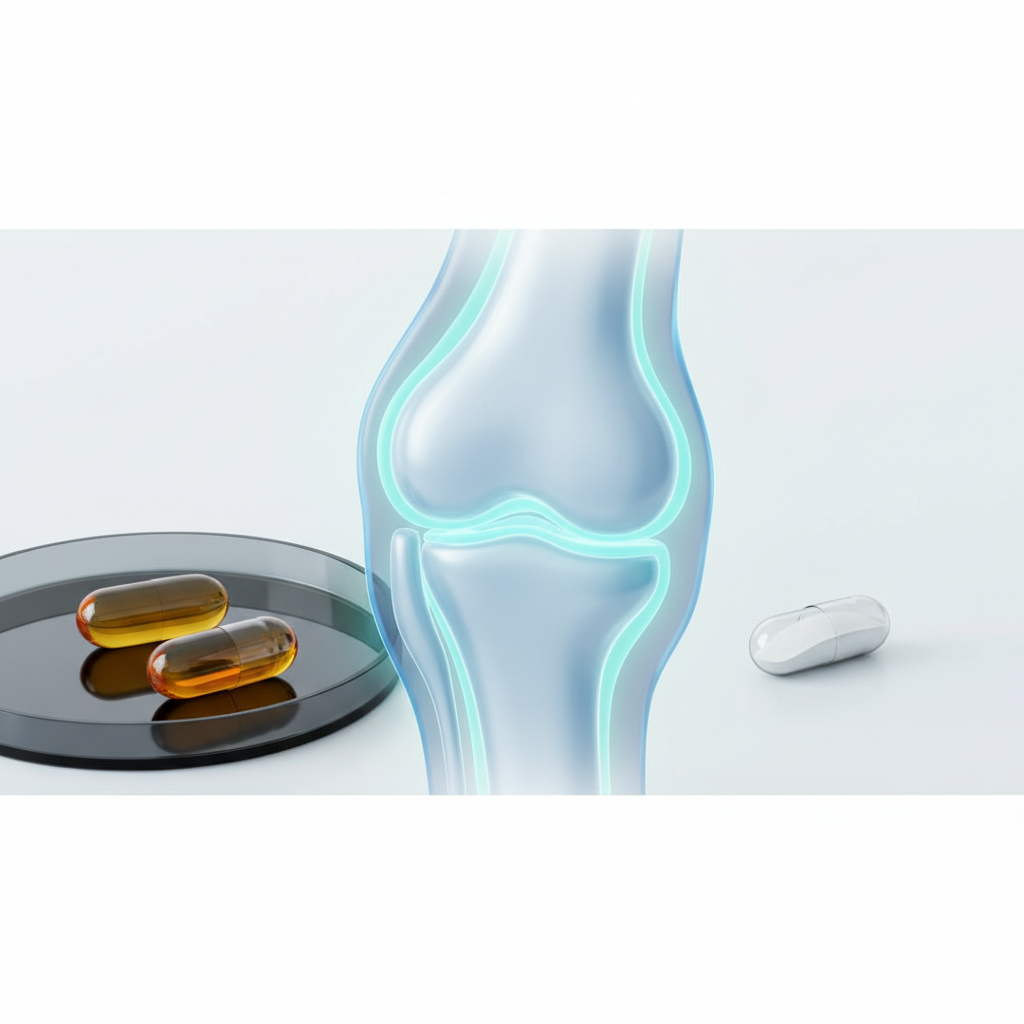
Glucosamine and chondroitin are two of the most widely recognized dietary supplements for supporting joint health, particularly for individuals experiencing age-related joint discomfort or osteoarthritis. Often discussed together, these compounds are natural components of healthy cartilage, the flexible connective tissue that cushions joints. While both aim to support cartilage structure and function, their exact biochemical roles, mechanisms of action, and the strength of their scientific evidence differ significantly. Understanding these distinctions is key to making an informed choice about which supplement, if any, might be beneficial for your specific needs.
What Each Is and How It Works
To understand the debate of glucosamine vs chondroitin, it's essential to first grasp what each compound is and how it theoretically contributes to joint health.
Glucosamine
Glucosamine is an amino sugar that occurs naturally in the body. It is a fundamental building block for several critical molecules, including glycosaminoglycans (GAGs) and proteoglycans, which are the main components of cartilage. In cartilage, these molecules form a mesh-like structure that provides elasticity and shock-absorbing properties to the joint.
- Mechanism of Action: Glucosamine is thought to work by providing the raw materials necessary for cartilage repair and maintenance. It may stimulate chondrocytes (cartilage cells) to produce more collagen and proteoglycans. Furthermore, some research suggests that glucosamine may possess mild anti-inflammatory properties, potentially reducing the breakdown of cartilage by inhibiting certain enzymes involved in cartilage degradation.
- Forms: The most common forms found in supplements are glucosamine sulfate, glucosamine hydrochloride (HCl), and N-acetylglucosamine. Glucosamine sulfate is the most extensively studied form and is generally considered to have the most consistent evidence for efficacy. The sulfate component itself is believed to be important, as sulfur is also a crucial element for cartilage synthesis.
Chondroitin
Chondroitin sulfate is a large, complex carbohydrate molecule, specifically a glycosaminoglycan, that is also a major component of cartilage. It is responsible for much of cartilage's resistance to compression.
- Mechanism of Action: Chondroitin works primarily by attracting water into the cartilage matrix, which helps maintain its elasticity and shock-absorbing capacity. It is also believed to inhibit the activity of enzymes that degrade cartilage, such as metalloproteinases and aggrecanases. Additionally, chondroitin may promote the synthesis of new cartilage components and reduce inflammation within the joint.
- Forms: Chondroitin is almost always found in supplement form as chondroitin sulfate, typically derived from bovine (cow) or shark cartilage. The quality and molecular weight of chondroitin sulfate can vary between products, which may influence its absorption and effectiveness.
Evidence by Outcome
The scientific evidence supporting the use of glucosamine and chondroitin for joint health is extensive but also complex and sometimes contradictory. It's crucial to look at the specific forms studied and the outcomes measured.
Glucosamine Evidence
Most positive research on glucosamine has focused on glucosamine sulfate, particularly for knee osteoarthritis (OA).
- Osteoarthritis Pain and Function: Several meta-analyses and large trials have suggested that glucosamine sulfate, taken consistently over several months, may help reduce joint discomfort and improve physical function in individuals with mild to moderate knee OA. Some studies have even indicated a potential to slow the progression of joint space narrowing, a marker of cartilage degradation. However, results are not universally positive, and some large, well-designed trials, particularly those using glucosamine HCl, have shown no significant benefit over placebo. The Glucosamine/Chondroitin Arthritis Intervention Trial (GAIT), a large NIH-funded study, found that the combination of glucosamine and chondroitin was effective for a subset of patients with moderate-to-severe knee pain, but glucosamine alone was not significantly better than placebo for the overall group.
- Other Joints: Evidence for glucosamine's efficacy in other joints, such as the hip, spine, or hands, is less robust and more mixed.
Chondroitin Evidence
Similar to glucosamine, the evidence for chondroitin sulfate is varied.
- Osteoarthritis Pain and Function: Some studies suggest that chondroitin sulfate can reduce joint discomfort and improve function, particularly in knee and hand OA. It has been observed to have a modest effect, often comparable to or slightly less than that of glucosamine sulfate. Like glucosamine, its effects are not immediate and require long-term use. Some European countries recognize chondroitin sulfate as a prescription drug for OA, reflecting a stronger belief in its efficacy in certain regions. However, other large trials, including parts of the GAIT study, have found chondroitin alone to be no more effective than placebo for overall OA pain.
- Cartilage Structure: There is some preliminary evidence suggesting chondroitin may help reduce cartilage loss, but more robust human evidence is needed to confirm this effect consistently.
Combination Evidence
Given that both compounds are natural components of cartilage, it's often hypothesized that taking them together might offer synergistic benefits. The GAIT trial specifically investigated this combination.
- GAIT Trial Findings: The GAIT trial found that the combination of glucosamine HCl and chondroitin sulfate was effective in reducing moderate-to-severe knee pain in a subset of patients, outperforming celecoxib (a prescription NSAID) in this group. However, for the entire study population, the combination did not show a statistically significant benefit over placebo. This suggests that while some individuals may benefit from the combination, it is not a universal solution.
- Other Combination Studies: Other studies on combined therapy have also yielded mixed results, with some showing benefits for pain and function, and others finding no significant advantage over individual supplements or placebo. The rationale for combination therapy remains strong from a biological perspective, as they address different aspects of cartilage health, but clinical outcomes are not always clear-cut.
Bioavailability and Dose-Form
The effectiveness of any supplement is heavily dependent on how well it is absorbed and utilized by the body. Bioavailability, the proportion of a substance that enters the circulation when introduced into the body and so is able to have an active effect, varies for glucosamine and chondroitin.
Glucosamine
- Absorption: Glucosamine sulfate is relatively well-absorbed from the digestive tract, with an estimated bioavailability of 25-30% in humans. Once absorbed, it is distributed to various tissues, including cartilage, where it can be incorporated into proteoglycans.
- Dosing: The typical recommended dose for glucosamine sulfate is 1500 mg per day, often taken as a single dose or divided into two or three doses. It's important to note that the 1500 mg refers to the active glucosamine sulfate, not necessarily the total weight of the salt form (e.g., glucosamine sulfate potassium chloride).
- Forms: Available as capsules, tablets, and powders. The sulfate form is generally preferred due to its stronger evidence base.
Chondroitin
- Absorption: Chondroitin sulfate has lower bioavailability compared to glucosamine, estimated to be around 10-20%. Its large molecular size and negative charge make it more challenging for the body to absorb intact. Research suggests that smaller molecular weight chondroitin may be better absorbed.
- Dosing: Standard doses typically range from 800 mg to 1200 mg per day, often divided into two or three doses.
- Forms: Primarily available as capsules or tablets. Quality can vary significantly, so looking for pharmaceutical-grade or standardized extracts is important.
Safety and Interactions
Both glucosamine and chondroitin are generally considered safe for most people when taken at recommended doses. However, like all supplements, they can have potential side effects and interactions.
General Side Effects
Mild gastrointestinal upset (nausea, diarrhea, constipation, heartburn) is the most commonly reported side effect for both supplements. These are usually transient and can often be mitigated by taking the supplements with food.
Specific Concerns for Glucosamine
- Shellfish Allergy: Many glucosamine supplements are derived from the chitin of shellfish (shrimp, crab, lobster). Individuals with shellfish allergies should exercise caution. However, highly purified glucosamine may not contain the allergenic proteins, and vegetarian forms (derived from corn fermentation) are also available. Always check the product label carefully.
- Blood Sugar: There has been some concern that glucosamine, being an amino sugar, might affect blood sugar levels, particularly in individuals with diabetes or insulin resistance. While some early studies suggested this, more recent and robust research indicates that glucosamine sulfate at standard doses is unlikely to significantly impact blood glucose control in most people. Diabetics should still monitor their blood sugar closely when starting any new supplement.
Specific Concerns for Chondroitin
- Blood Thinners (Anticoagulants): Chondroitin sulfate has a chemical structure similar to heparin, a prescription anticoagulant. There is a theoretical risk that chondroitin could enhance the effects of blood-thinning medications like warfarin (Coumadin), increasing the risk of bleeding. Individuals taking anticoagulants should consult their doctor before starting chondroitin and may require more frequent monitoring of their International Normalized Ratio (INR).
Other Considerations
- Pregnancy and Breastfeeding: There is insufficient research on the safety of glucosamine and chondroitin during pregnancy and breastfeeding. Therefore, it is generally advised to avoid these supplements during these periods.
- Children: Similarly, due to a lack of safety data, these supplements are not recommended for children.
Who Should Pick Which
Deciding between glucosamine and chondroitin, or a combination, depends on individual factors, including the severity of joint discomfort, specific joint affected, and personal response to treatment.
- For Mild to Moderate Knee Osteoarthritis: If you are experiencing mild to moderate discomfort in your knees, glucosamine sulfate is often the first choice due to its more consistent evidence base for pain reduction and potential to slow progression.
- For Broader Joint Support or Inadequate Response to Glucosamine: If glucosamine alone does not provide sufficient relief, or if you have discomfort in multiple joints (e.g., hands, hips), a combination of glucosamine sulfate and chondroitin sulfate might be considered. The rationale is that they target different aspects of cartilage health and may offer synergistic benefits.
- For Those Avoiding Shellfish: If you have a shellfish allergy, opt for vegetarian-sourced glucosamine or consider chondroitin alone, ensuring it's not cross-contaminated.
- For Those on Blood Thinners: Individuals taking warfarin or other anticoagulants should exercise extreme caution with chondroitin and consult their physician before use. Glucosamine may be a safer initial option, but medical guidance is still paramount.
- Long-Term Use: Both supplements are intended for long-term use, as their benefits accumulate over weeks to months. They are not fast-acting pain relievers.
Ultimately, the choice should be made in consultation with a healthcare professional, especially if you have underlying health conditions, are taking other medications, or have severe joint issues. They can help assess your specific situation and recommend the most appropriate course of action.
Practical Buying Notes
When purchasing glucosamine and chondroitin supplements, quality and formulation are paramount to ensure you are getting a product that is both safe and potentially effective.
- Look for Specific Forms: For glucosamine, prioritize products containing glucosamine sulfate, as this is the form with the most robust scientific backing. For chondroitin, ensure it is chondroitin sulfate. Avoid products that do not specify the form or use less studied variations like glucosamine HCl if your primary goal is to address osteoarthritis.
- Reputable Brands and Third-Party Testing: The supplement industry is not as tightly regulated as pharmaceuticals. Choose brands that are well-established and ideally undergo third-party testing (e.g., by USP, NSF International, ConsumerLab.com). This ensures that the product contains the ingredients listed on the label in the stated amounts and is free from harmful contaminants.
- Dosing: Check the dosage per serving to ensure it aligns with clinically studied amounts (typically 1500 mg for glucosamine sulfate and 800-1200 mg for chondroitin sulfate daily). Some products may require multiple pills to reach the therapeutic dose.
- Source and Allergens: If you have a shellfish allergy, specifically seek out vegetarian-sourced glucosamine. Always check for other potential allergens or fillers.
- Combination Products: Many products combine glucosamine and chondroitin. Ensure that both components are present in their effective forms and doses. Sometimes, other ingredients like MSM, hyaluronic acid, or turmeric are added; research these additional ingredients separately if their benefits are important to you.
- Patience is Key: Remember that these supplements work slowly. Do not expect immediate relief. Consistent daily use for at least 4-12 weeks, and often longer, is necessary to assess their potential benefits. If no improvement is seen after several months, it may be time to reassess with your healthcare provider.