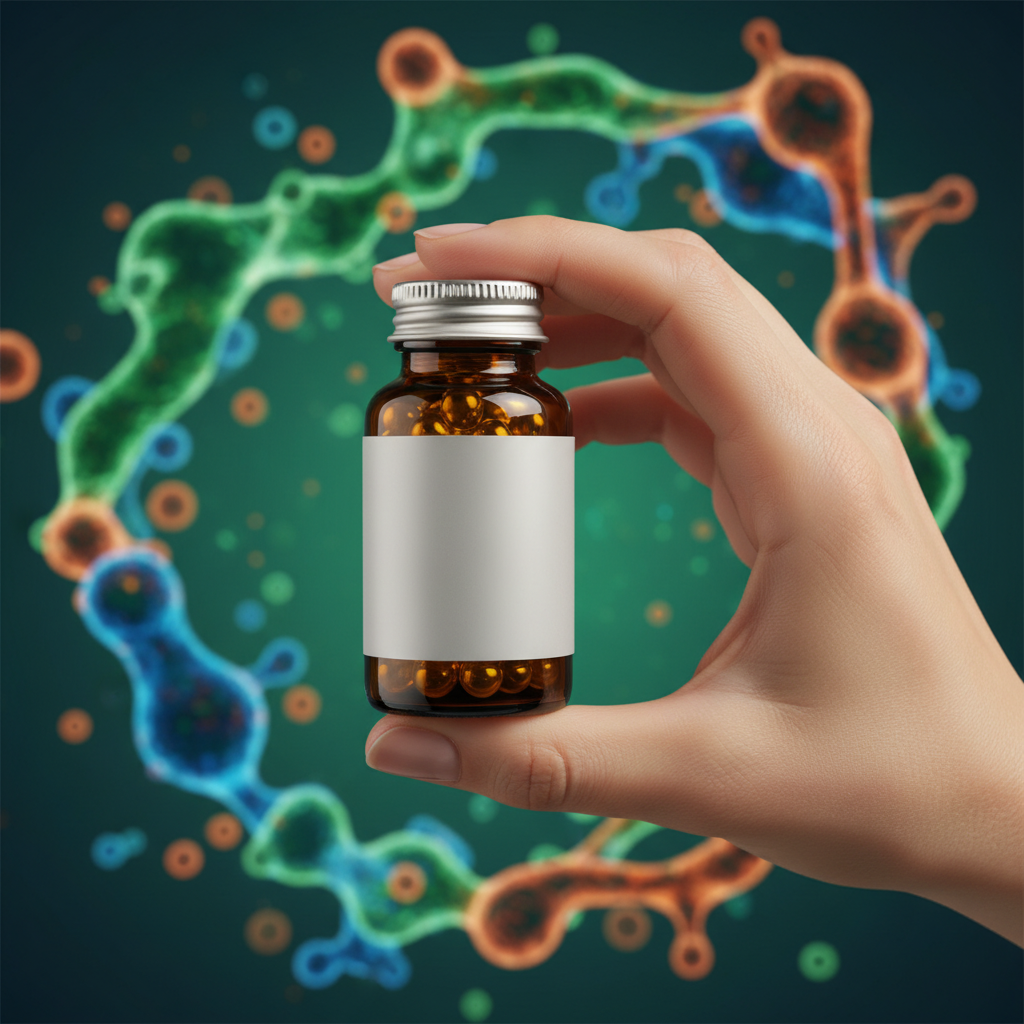
Glutathione is often hailed as the body's 'master antioxidant,' a powerful compound naturally produced in our cells that plays a critical role in maintaining overall health. It is involved in numerous vital processes, including detoxification, immune system support, and protecting cells from oxidative damage caused by free radicals. For those looking to support their body's natural defenses or address specific health concerns, glutathione supplements offer a potential avenue. This guide delves into what glutathione is, how it works, the various forms available, the scientific evidence behind its use, and important considerations for anyone contemplating supplementation.
What is Glutathione and Why is it Important?
Glutathione (GSH) is a tripeptide composed of three amino acids: cysteine, glutamate, and glycine. Unlike many other antioxidants that we obtain through diet, glutathione is endogenously produced in every cell of the body, with particularly high concentrations found in the liver. Its primary function is to neutralize free radicals and reactive oxygen species, which are unstable molecules that can damage cellular components like DNA, proteins, and lipids, leading to oxidative stress. Oxidative stress is implicated in aging and the development of various chronic diseases.
Beyond its antioxidant prowess, glutathione is indispensable for detoxification. It binds to toxins, heavy metals, and xenobiotics (foreign compounds) in the liver, converting them into water-soluble forms that can be easily excreted from the body. This process is crucial for maintaining liver health and overall systemic detoxification. Furthermore, glutathione is vital for immune function, supporting the proliferation of lymphocytes and enhancing the activity of natural killer (NK) cells, which are key components of the innate immune system. Adequate glutathione levels are therefore fundamental for a robust immune response and cellular protection.
Understanding Glutathione's Mechanism of Action
Glutathione exerts its effects through several key mechanisms. As an antioxidant, it directly neutralizes free radicals, but it also plays a crucial role in regenerating other antioxidants, such as vitamin C and vitamin E, allowing them to continue their protective work. This recycling capacity makes glutathione central to the body's entire antioxidant defense systems.
In detoxification, glutathione participates in two main phases. In Phase II detoxification, glutathione S-transferases (GSTs) enzymes conjugate glutathione with various toxic compounds, making them less harmful and easier to excrete. This process is critical for processing environmental pollutants, drugs, and metabolic byproducts. Glutathione also helps regulate cellular processes, including cell proliferation and apoptosis (programmed cell death), and plays a role in gene expression and DNA synthesis and repair. Its ability to maintain cellular redox balance (the balance between oxidation and antioxidation) is fundamental to cellular signaling and overall cellular health, influencing everything from energy production in mitochondria to inflammatory responses.
Forms of Glutathione Supplements and Bioavailability
One of the main challenges with glutathione supplementation is its bioavailability. When taken orally, a significant portion of reduced L-glutathione (GSH) can be broken down by enzymes in the digestive tract before it reaches the bloodstream. This has led to the development of various forms designed to improve absorption:
- Reduced L-Glutathione (GSH): This is the most common form, but its oral bioavailability is often debated. Some studies suggest limited absorption, while others show it can increase intracellular glutathione levels, particularly with higher doses.
- Liposomal Glutathione: Encapsulating glutathione within liposomes (tiny fat-like bubbles) is designed to protect it from degradation in the gut and facilitate its absorption into cells. This form is generally considered to have superior bioavailability compared to standard GSH.
- S-Acetyl-Glutathione (SAG): This acetylated form is believed to be more stable in the digestive tract and capable of crossing cell membranes more effectively, potentially leading to higher intracellular glutathione levels. It is often marketed as a highly bioavailable oral form.
- Glutathione Precursors: Instead of supplementing with glutathione directly, many opt to provide the body with its building blocks. N-acetylcysteine (NAC) is a popular precursor because it supplies cysteine, often the rate-limiting amino acid in glutathione synthesis. Other precursors include alpha-lipoic acid and milk thistle (silymarin), which can help support endogenous glutathione production.
The choice of form often depends on individual needs, budget, and desired efficacy, with many users opting for liposomal or S-acetyl-glutathione for potentially better absorption.
Scientific Evidence for Glutathione Supplementation
Research into glutathione supplementation spans a wide range of health areas, with varying degrees of evidence:
- Oxidative Stress and Aging: As a potent antioxidant, glutathione is central to combating oxidative stress. Studies have explored its potential role in mitigating age-related oxidative damage, with some preliminary human trials suggesting that supplementation, particularly with precursors like NAC, may help improve markers of oxidative stress and enhance antioxidant capacity. However, more robust, long-term human trials are needed to confirm direct anti-aging effects.
- Immune Support: Glutathione plays a critical role in immune cell function. Some research indicates that maintaining optimal glutathione levels may support a healthy immune response, potentially enhancing the function of T-cells and natural killer cells. Small trials suggest that supplementation might improve immune markers, but large-scale clinical evidence for preventing or treating infections is still developing.
- Detoxification: Given its central role in liver detoxification pathways, glutathione supplementation is often explored for supporting liver health. Evidence is preliminary, but some studies on specific liver conditions have shown promise in improving liver enzyme levels and reducing oxidative damage, particularly in conjunction with other therapies.
- Skin Health: Glutathione is sometimes promoted for its potential to improve skin complexion and reduce hyperpigmentation. A few small clinical trials have indicated that oral glutathione may lead to a reduction in melanin index and an improvement in skin elasticity, suggesting a role in skin lightening and anti-aging effects. However, these findings require further confirmation with larger, more diverse studies.
- Other Areas: Research is ongoing in areas such as respiratory health, cognitive function, and metabolic support. For example, some studies suggest a potential benefit in conditions characterized by high oxidative stress or inflammation, but the evidence is largely preliminary or derived from animal models and requires extensive human validation. It's important to note that while mechanisms are clear, translating these to direct clinical benefits from supplementation is still an active area of research.
It is crucial to approach claims about glutathione's benefits with a critical eye, recognizing that while its physiological roles are well-established, the efficacy of supplemental forms in specific health outcomes is still being elucidated by scientific research.
Dosing and Administration Guidelines
Dosing for glutathione supplements can vary significantly depending on the form, the manufacturer's recommendations, and the individual's specific health goals. For standard reduced L-glutathione, doses typically range from 250 mg to 1000 mg per day, often divided into multiple doses to potentially improve absorption. For liposomal or S-acetyl-glutathione, due to their enhanced bioavailability, lower doses (e.g., 100 mg to 500 mg per day) may be suggested to achieve similar effects.
When using precursors like NAC, doses can range from 600 mg to 1800 mg per day. It is generally recommended to take glutathione supplements on an empty stomach to minimize interaction with food, though liposomal forms may be more flexible. Always follow the specific instructions provided on the product label. Given the variability in absorption and individual responses, it is highly advisable to consult with a healthcare professional before starting any glutathione supplementation to determine the appropriate form and dosage for your needs, especially if you have underlying health conditions.
Potential Side Effects and Safety Considerations
Glutathione is generally considered safe for most people when taken orally at recommended doses. Side effects are typically mild and uncommon, but can include:
- Digestive upset, such as abdominal cramps, bloating, or loose stools.
- Allergic reactions, though rare, can manifest as rashes or difficulty breathing.
There are some specific considerations and potential interactions:
- Asthma: Individuals with asthma should exercise caution, as inhaled glutathione has been reported to trigger bronchospasm in some cases. Oral forms are less likely to cause this, but consultation with a doctor is prudent.
- Cysteine Allergy: As glutathione contains cysteine, individuals with a known allergy to cysteine should avoid glutathione supplements.
- Drug Interactions: While generally considered safe, there is limited research on potential interactions with specific medications. Always inform your healthcare provider about all supplements you are taking.
- Long-term Use: The effects of very long-term, high-dose glutathione supplementation are not yet fully understood, and more research is needed in this area.
Pregnant and breastfeeding women should avoid glutathione supplements due to a lack of sufficient safety data. As with any supplement, if you experience any adverse reactions, discontinue use and consult your healthcare provider.
When to Consider Glutathione Supplements and When to Consult a Clinician
Individuals might consider glutathione supplements if they are looking to support their body's natural antioxidant defenses, enhance detoxification processes, or boost immune function. Those with lifestyles involving high exposure to environmental toxins, chronic stress, or certain dietary deficiencies might also explore supplementation. Additionally, some people use glutathione to support skin health or as part of a broader anti-aging regimen, though the evidence for these specific applications is still evolving.
It is crucial to consult with a qualified healthcare professional before starting glutathione supplementation, particularly if you:
- Have any pre-existing medical conditions, such as kidney disease, liver disease, or asthma.
- Are taking any prescription medications, as potential interactions need to be assessed.
- Are pregnant, breastfeeding, or planning to become pregnant.
- Are considering high doses or long-term use.
- Experience any adverse side effects after starting supplementation.
A clinician can help determine if glutathione supplementation is appropriate for your individual health profile, advise on the most suitable form and dosage, and monitor for any potential side effects or interactions, ensuring a safe and effective approach to supporting your health.