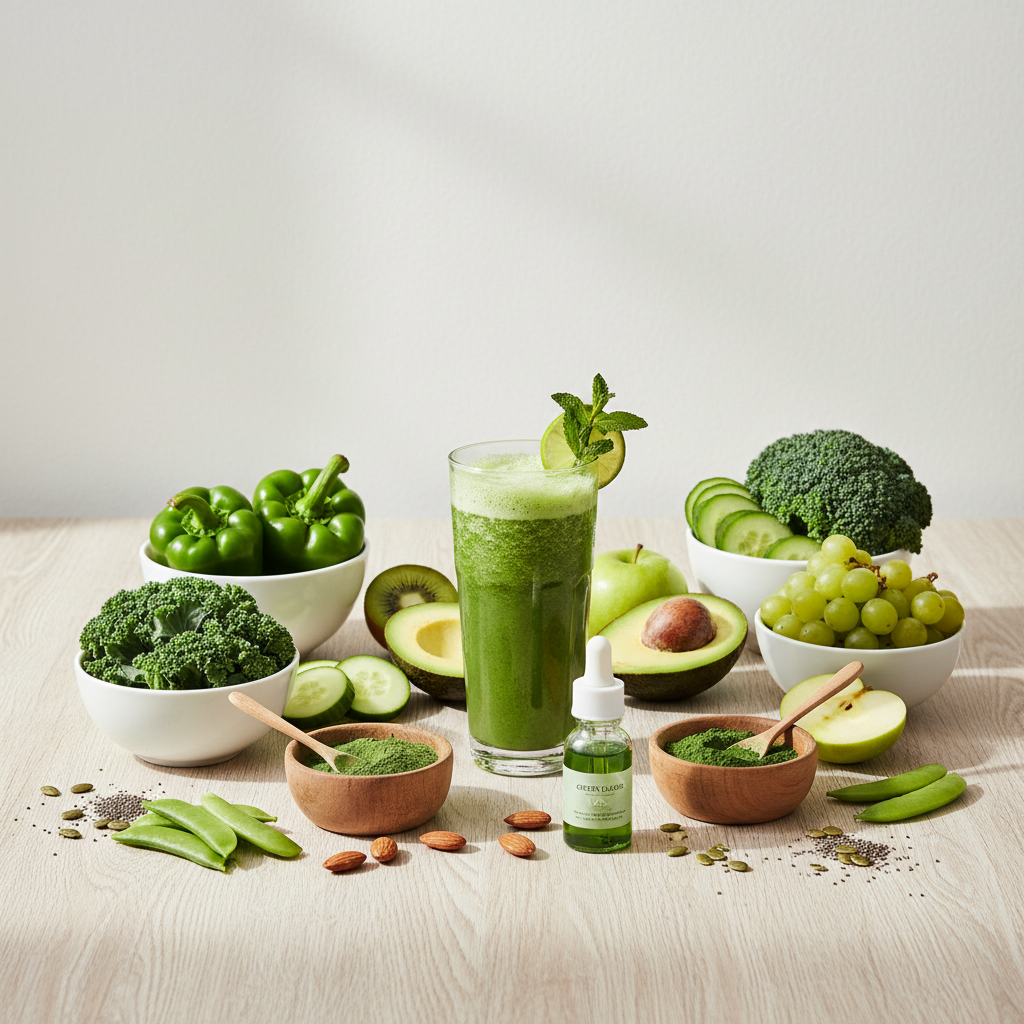
Greens powders have surged in popularity as a convenient way to boost daily nutrient intake, promising everything from increased energy and improved digestion to enhanced immunity and detoxification. These dietary supplements typically combine a wide array of dehydrated fruits, vegetables, grasses, algae, and other plant-based ingredients into a concentrated powder form. While they offer a rich source of vitamins, minerals, and antioxidants, understanding their true efficacy and how they fit into a balanced diet requires a closer look at the available scientific evidence. This comprehensive greens powders review aims to cut through the marketing claims and provide an evidence-led perspective on what these supplements are, how they work, and whether they live up to their health promises.
What Are Greens Powders?
Greens powders are dietary supplements made from a blend of various dehydrated plant-based ingredients. The exact composition can vary significantly between brands, but common components include leafy greens like spinach and kale, cereal grasses such as wheatgrass and barley grass, algae like spirulina and chlorella, and other nutrient-dense fruits and vegetables. Beyond these core ingredients, many formulations also incorporate probiotics, digestive enzymes, adaptogens (like ashwagandha or rhodiola), and herbal extracts to enhance their purported health benefits. The goal is to provide a concentrated dose of micronutrients and beneficial plant compounds that might be lacking in a typical diet, all in a single, easy-to-mix serving.
The processing of these ingredients typically involves drying them at low temperatures to preserve their nutritional integrity, followed by grinding them into a fine powder. This method aims to retain the vitamins, minerals, enzymes, and antioxidants that are naturally present in the fresh produce. While greens powders are designed to supplement a healthy diet, it's crucial to remember they are not a substitute for whole, fresh fruits and vegetables, which provide fiber and a complex matrix of nutrients that powders may not fully replicate.
The Nutritional Profile: What's Inside?
The nutritional content of greens powders is as diverse as their ingredient lists. Generally, they are rich in a spectrum of vitamins, including Vitamin A, C, K, and various B vitamins, as well as minerals such as iron, calcium, magnesium, and potassium. These micronutrients play vital roles in numerous bodily functions, from energy production and immune support to bone health and nerve function.
Beyond basic vitamins and minerals, greens powders are often touted for their high antioxidant content. Ingredients like berries, green tea extract, and various leafy greens contribute polyphenols, flavonoids, and carotenoids, which help combat oxidative stress in the body. Oxidative stress is linked to cellular damage and chronic diseases, so antioxidants are considered beneficial for overall health.
Many greens powders also include digestive aids. This can mean added fiber, which supports gut regularity, or digestive enzymes like amylase, lipase, and protease, which are intended to help break down food and improve nutrient absorption. Probiotic strains, such as Lactobacillus and Bifidobacterium, are frequently added to support a healthy gut microbiome, which is increasingly recognized for its influence on digestion, immunity, and even mood. For more on the benefits of these beneficial bacteria, you can explore articles on probiotics.
Finally, some advanced formulations feature adaptogens, which are herbs believed to help the body adapt to stress, and various herbal extracts known for specific health properties, such as anti-inflammatory effects or liver support. The synergy of these diverse components is what manufacturers claim provides a comprehensive wellness boost.
How Do Greens Powders Work?
The proposed mechanisms of action for greens powders are multifaceted, stemming from the broad range of bioactive compounds they contain. Primarily, their rich antioxidant profile is thought to work by neutralizing free radicals, thereby reducing oxidative stress and inflammation throughout the body. Chronic inflammation and oxidative damage are underlying factors in many chronic diseases, so mitigating these processes is a key pathway to promoting health.
Furthermore, the vitamins and minerals present in greens powders contribute to various metabolic processes. For example, B vitamins are crucial for energy metabolism, while Vitamin C is essential for immune function and collagen synthesis. By providing these essential micronutrients, greens powders may help fill dietary gaps and support optimal cellular function.
The inclusion of fiber, digestive enzymes, and probiotics points to a significant focus on gut health. Fiber acts as a prebiotic, feeding beneficial gut bacteria, while probiotics directly introduce these beneficial microorganisms. A healthy gut microbiome is associated with improved digestion, enhanced nutrient absorption, a stronger immune system, and even positive effects on mental health. Digestive enzymes are intended to further aid in the breakdown of food, potentially reducing digestive discomfort and improving the bioavailability of nutrients.
Some ingredients, like certain types of algae and grasses, are also believed to have detoxifying properties, helping the body eliminate heavy metals and other toxins. While the body has its own robust detoxification systems (primarily the liver and kidneys), proponents suggest that these ingredients may offer additional support. However, robust human evidence for this specific mechanism in greens powders is often limited.
Evidence-Based Benefits: What Does Science Say?
While the theoretical benefits of greens powders are compelling, the scientific evidence supporting broad health claims is often preliminary, mixed, or derived from small trials. It's important to differentiate between the well-established benefits of consuming whole fruits and vegetables and the specific effects of their powdered, concentrated forms.
Energy and Vitality:
Many users report increased energy and vitality after incorporating greens powders. This could be attributed to the influx of B vitamins, iron, and other nutrients essential for energy production, or simply a placebo effect. Some small trials suggest improvements in perceived energy levels and reduced fatigue, particularly in individuals with suboptimal diets, but more robust research is needed to confirm these effects consistently across diverse populations.
Immune Support:
Greens powders are typically rich in Vitamin C, Vitamin A, and other antioxidants known to support immune function. While these nutrients are undoubtedly crucial for a healthy immune system, direct evidence showing that greens powders significantly boost immunity beyond what a balanced diet provides is limited. Preliminary studies have observed modest improvements in markers of immune function, but these findings require larger, long-term clinical trials for confirmation.
Gut Health and Digestion:
With the inclusion of fiber, digestive enzymes, and probiotics, greens powders are often marketed for digestive benefits. Some users experience improved regularity and reduced bloating. The fiber content can certainly aid digestion, and probiotics may contribute to a healthier gut microbiome. Small studies have indicated positive changes in gut flora composition and digestive comfort in some individuals. However, the effectiveness can depend heavily on the specific strains and dosages of probiotics included, and whether they survive the digestive tract.
Antioxidant Capacity and Detoxification:
The high antioxidant content of greens powders is well-established. Studies have shown that consuming greens powders can increase antioxidant levels in the blood and reduce markers of oxidative damage. This suggests a potential role in protecting cells from damage. Regarding detoxification, while certain ingredients like chlorella are studied for their ability to bind to heavy metals, robust human evidence demonstrating that greens powders significantly enhance the body's natural detoxification processes in healthy individuals is largely lacking. The body's liver and kidneys are highly efficient at detoxification.
Overall Wellness:
For individuals who struggle to consume enough fruits and vegetables, greens powders may help bridge nutritional gaps, leading to a general sense of improved well-being. However, they should not be seen as a replacement for a diet rich in whole foods. The complex interplay of nutrients, fiber, and phytochemicals in whole foods offers benefits that a powdered supplement may not fully replicate. Evidence is preliminary, and more research is needed to fully understand the long-term health impacts of consistent greens powder consumption.
Dosing and Usage: How to Incorporate Them
The typical serving size for greens powders usually ranges from one scoop (around 5-10 grams) mixed with water, juice, or a smoothie. It's crucial to follow the specific dosing instructions provided by the manufacturer, as concentrations and ingredient blends vary widely between products. Consistency is key when taking any dietary supplement, and greens powders are no exception. Many users choose to incorporate them into their daily routine, often in the morning, to kickstart their nutrient intake for the day.
Greens powders can be mixed into various liquids. Water is the simplest option, though some find the taste challenging. Fruit juices or plant-based milks can mask the earthy flavor more effectively. Blending them into smoothies with fruits, vegetables, and other supplements is another popular method, as it can significantly improve palatability and integrate them seamlessly into a meal. Some creative uses include stirring them into yogurt, oatmeal, or even using them in salad dressings, though heat can degrade some sensitive nutrients like enzymes and certain vitamins.
While there's no universally