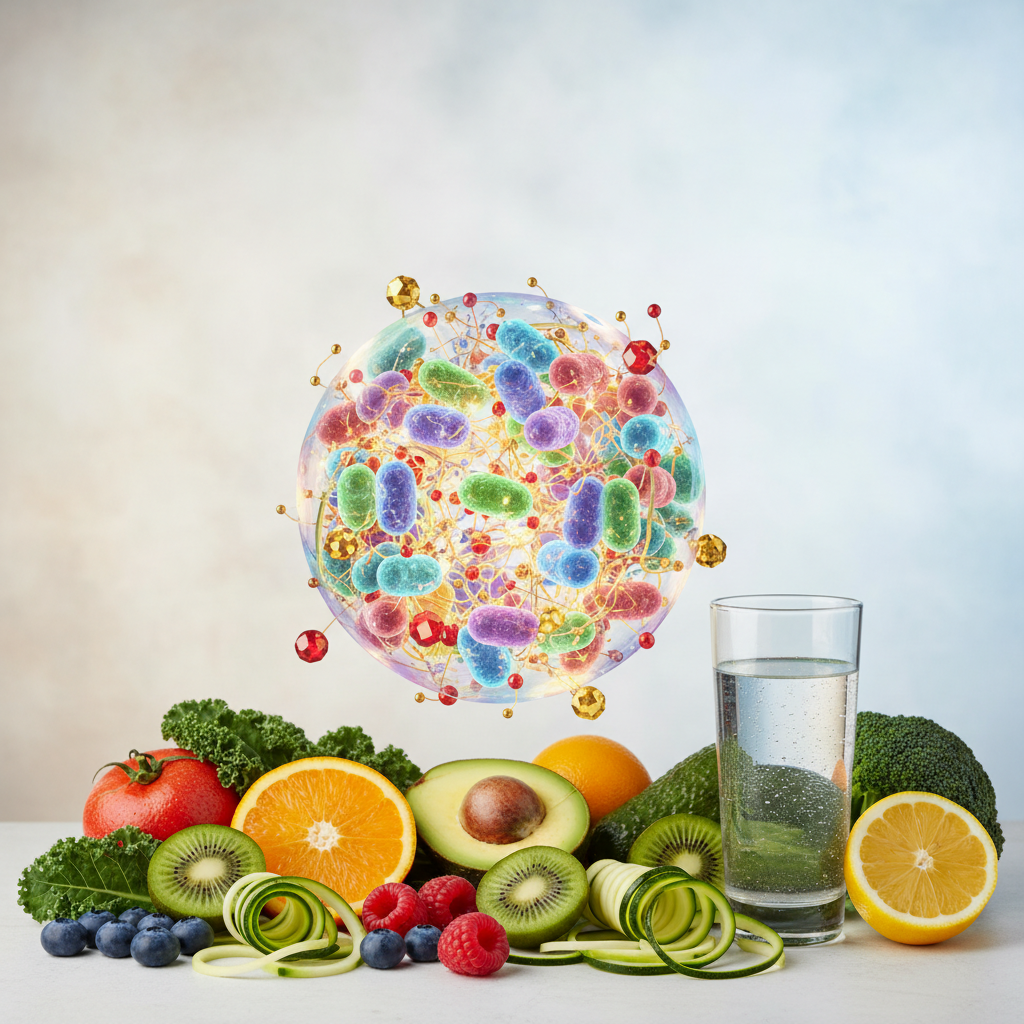
Gut health supplements encompass a broad category of products formulated to support the intricate ecosystem within our gastrointestinal tract, known as the gut microbiome. These supplements typically aim to introduce beneficial microorganisms, provide nourishment for existing healthy bacteria, or assist in the breakdown and absorption of food. By influencing the balance and function of the gut, these supplements are explored for their potential to alleviate digestive discomfort, enhance nutrient absorption, and contribute to overall well-being, including immune function and even mood regulation.
What Are Gut Health Supplements?
The human gut is home to trillions of microorganisms, including bacteria, fungi, and viruses, collectively forming the gut microbiome. This complex community plays a crucial role in digestion, vitamin synthesis, immune system development, and protection against pathogens. When the balance of this microbiome is disrupted—a state known as dysbiosis—it can contribute to various health issues, from digestive upset to broader systemic concerns.
Gut health supplements are designed to restore or maintain this delicate balance. They generally fall into several key categories, each with a distinct mechanism of action:
- Probiotics: Live microorganisms that, when administered in adequate amounts, confer a health benefit on the host.
- Prebiotics: Non-digestible food ingredients that selectively stimulate the growth and/or activity of beneficial bacteria in the colon.
- Digestive Enzymes: Proteins that help break down macronutrients (carbohydrates, proteins, fats) into smaller, absorbable units.
- Other supportive ingredients: Compounds like L-glutamine, butyrate, and certain botanicals that may support gut barrier integrity or reduce inflammation.
Understanding the specific role of each type of supplement is crucial for making informed choices about supporting your digestive health.
Key Categories of Gut Health Supplements and How They Work
Probiotics
Probiotics are live beneficial bacteria and yeasts that are naturally found in fermented foods and increasingly available as dietary supplements. Common probiotic strains include various species of Lactobacillus and Bifidobacterium. Their mechanisms of action are diverse:
- Colonization and Competition: They can colonize the gut, competing with harmful bacteria for nutrients and attachment sites on the intestinal lining.
- Production of Beneficial Compounds: Probiotics produce short-chain fatty acids (SCFAs) like butyrate, which nourish colon cells, and other antimicrobial substances.
- Immune Modulation: They interact with the gut-associated lymphoid tissue (GALT), influencing both local and systemic immune responses.
- Barrier Reinforcement: Some strains may strengthen the intestinal barrier, reducing permeability (leaky gut).
The benefits of probiotics are often strain-specific, meaning a particular strain may be effective for one condition but not another. For example, certain Lactobacillus rhamnosus strains are studied for antibiotic-associated diarrhea, while others may support general digestive comfort.
Prebiotics
Prebiotics are specialized plant fibers that act as food for the beneficial bacteria already residing in your gut. They are non-digestible by human enzymes, passing through the upper digestive tract intact to reach the colon. Common prebiotics include inulin, fructooligosaccharides (FOS), galactooligosaccharides (GOS), and resistant starch. Their primary mechanism is:
- Selective Fermentation: Beneficial gut bacteria ferment prebiotics, leading to their growth and increased activity. This process also produces beneficial SCFAs, which have wide-ranging effects on gut health, metabolism, and immunity.
By fostering a thriving environment for good bacteria, prebiotics indirectly contribute to a balanced microbiome, improved digestion, and enhanced nutrient absorption. They can be found naturally in foods like garlic, onions, leeks, asparagus, bananas, and whole grains, or taken as concentrated supplements.
Digestive Enzymes
Digestive enzymes are proteins produced by the body (primarily in the pancreas, stomach, and small intestine) that break down complex food molecules into simpler ones that can be absorbed. Supplements typically contain a blend of enzymes such as:
- Amylase: Breaks down carbohydrates (starches) into sugars.
- Protease: Breaks down proteins into amino acids.
- Lipase: Breaks down fats into fatty acids and glycerol.
- Lactase: Breaks down lactose (milk sugar).
For individuals with insufficient natural enzyme production (e.g., lactose intolerance, pancreatic insufficiency), or those experiencing digestive difficulties like bloating and gas after meals, supplemental digestive enzymes can significantly aid digestion and nutrient absorption. They work by directly assisting the chemical breakdown of food components in the digestive tract.
Other Notable Gut Health Ingredients
- L-Glutamine: An amino acid that is a primary fuel source for intestinal cells. It is studied for its role in maintaining the integrity of the intestinal lining and supporting gut barrier function.
- Butyrate: A short-chain fatty acid produced by gut bacteria from fiber fermentation. It is a vital energy source for colonocytes and plays a role in reducing inflammation and supporting gut barrier function. Supplements often provide sodium butyrate or tributyrin.
Evidence-Based Benefits and Applications
Research into gut health supplements is ongoing, with varying degrees of evidence supporting their use for different outcomes:
- Digestive Comfort: Many individuals report improved symptoms like bloating, gas, and irregular bowel movements with the use of probiotics and digestive enzymes. Small trials suggest certain probiotic strains may help manage symptoms of Irritable Bowel Syndrome (IBS), though results are mixed and highly strain-dependent.
- Antibiotic-Associated Diarrhea (AAD): Robust human evidence supports the use of specific probiotic strains (e.g., Lactobacillus rhamnosus GG, Saccharomyces boulardii) in reducing the risk and severity of AAD.
- Immune Support: The gut is a major site of immune activity. Probiotics and prebiotics may modulate the immune system, potentially influencing susceptibility to infections and allergic responses. Evidence is preliminary for broad immune enhancement in healthy individuals.
- Nutrient Absorption: Digestive enzymes directly enhance the breakdown of food, which can improve nutrient absorption, particularly for those with malabsorption issues. Prebiotics, by fostering a healthy microbiome, may indirectly support the absorption of certain minerals like calcium.
- Mental Well-being (Gut-Brain Axis): Emerging research highlights the gut-brain axis, a bidirectional communication pathway between the gut and the brain. Some studies suggest certain psychobiotics (probiotics with mental health benefits) may influence mood and stress, but this area requires more robust human evidence.
It is crucial to remember that while many studies show promise, the efficacy of gut health supplements can be highly individual. Always look for products with specific strains or ingredients that have been studied for your particular concern.
Dosing, Forms, and Bioavailability Considerations
The effectiveness of gut health supplements often depends on proper dosing, the form of the supplement, and its bioavailability.
- Probiotics: Dosing is typically measured in Colony Forming Units (CFUs), ranging from billions to hundreds of billions per dose. More isn't always better; the right strain at an effective dose is key. Many probiotics are sensitive to stomach acid, so delayed-release capsules or enteric coatings are often used to ensure they reach the intestines alive. Refrigeration may also be necessary for some strains.
- Prebiotics: Doses vary depending on the type of prebiotic. Starting with a low dose and gradually increasing it is often recommended to minimize potential side effects like gas and bloating. They are available as powders, capsules, or integrated into food products.
- Digestive Enzymes: Dosing is based on enzyme activity units (e.g., FCC units for lactase, USP units for pancreatin) rather than weight. They are typically taken just before or with meals to maximize their effectiveness in breaking down food.
- General Considerations: Look for supplements from reputable brands that provide third-party testing for purity and potency. The label should clearly list all active ingredients and their amounts. Liquid forms, powders, and capsules offer different delivery methods, and personal preference or specific needs may dictate the best choice.
Safety, Side Effects, and Potential Interactions
For most healthy individuals, gut health supplements are generally considered safe when used as directed. However, some people may experience mild side effects, especially when first starting a supplement:
- Common Side Effects: These often include temporary gas, bloating, or changes in bowel habits as the gut microbiome adjusts. These symptoms usually subside within a few days or weeks.
- Probiotics Specific: In rare cases, particularly in individuals with severely compromised immune systems, critical illness, or those with central venous catheters, there's a theoretical risk of probiotic bacteria entering the bloodstream and causing infection. Therefore, immunocompromised individuals should exercise caution and consult a healthcare professional before taking probiotics.
- Prebiotics Specific: High doses of prebiotics can lead to increased gas, bloating, and abdominal discomfort due to fermentation in the gut. Gradual introduction helps mitigate these effects.
- Interactions:
- Medications: Probiotics should ideally be taken a few hours apart from antibiotics to ensure the probiotics are not killed. Individuals on immunosuppressant drugs should consult their doctor before taking probiotics.
- Underlying Conditions: If you have a serious underlying health condition, such as inflammatory bowel disease, short bowel syndrome, or a history of pancreatitis, it is crucial to discuss any gut health supplement use with your doctor.
Always adhere to the recommended dosage and discontinue use if you experience severe or persistent adverse effects.
When to Consider Gut Health Supplements and Consult a Clinician
While gut health supplements can be a valuable tool, they are not a substitute for a healthy lifestyle. A diet rich in fiber, whole foods, and fermented products, along with adequate hydration, regular exercise, and stress management, forms the foundation of good gut health.
You might consider gut health supplements if:
- You experience persistent, mild digestive discomfort (e.g., occasional bloating, gas, or irregular bowel movements).
- You are recovering from a course of antibiotics.
- You have specific dietary intolerances (e.g., lactose intolerance, where lactase enzymes may help).
- You are looking to support general digestive wellness and immune function.
It is always advisable to consult a healthcare professional before starting any new gut health supplement, especially if:
- You have a chronic digestive condition (e.g., IBS, Crohn's disease, ulcerative colitis).
- You are taking prescription medications, as there could be potential interactions.
- You are pregnant or breastfeeding.
- You have a compromised immune system or other serious health conditions.
- Your digestive symptoms are severe, persistent, or accompanied by other concerning signs like unexplained weight loss, blood in stool, or fever.
A clinician can help determine if a supplement is appropriate for your specific needs and guide you toward the most evidence-backed options.