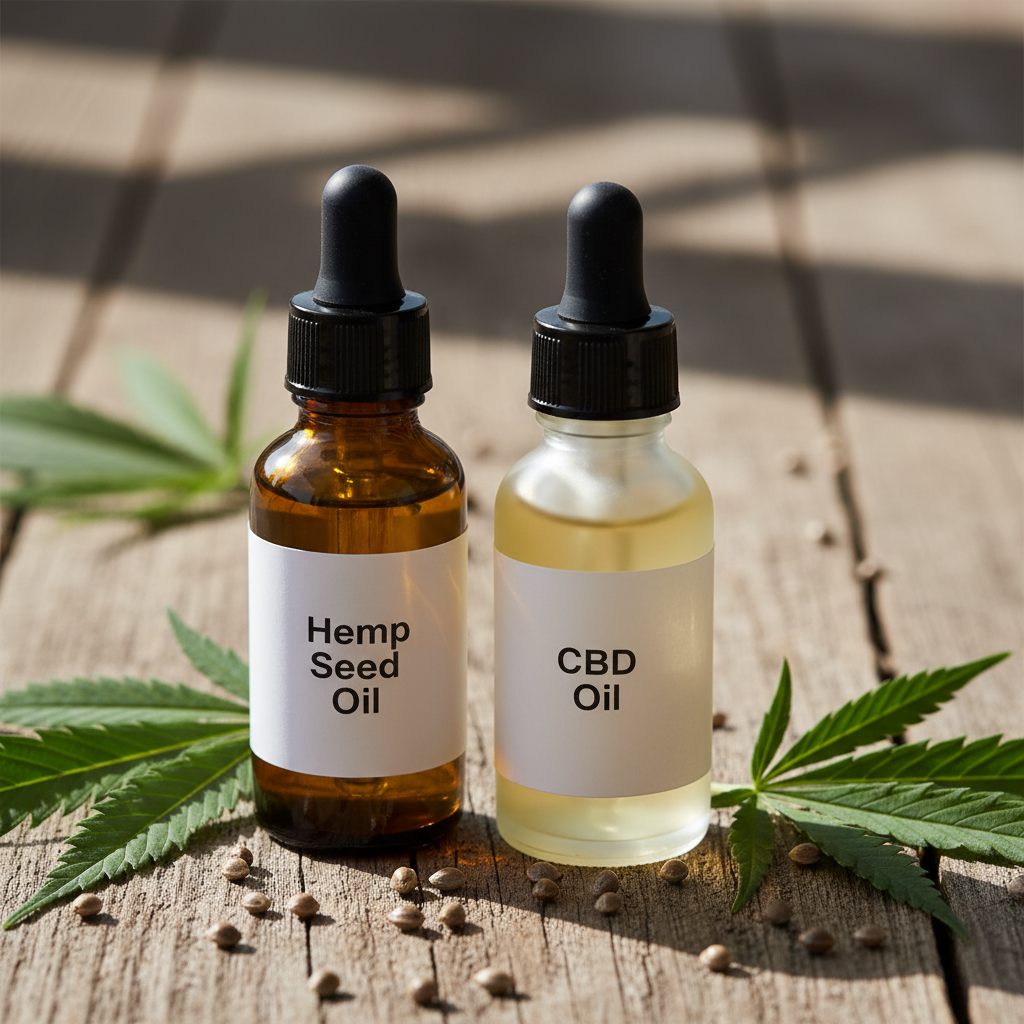
When navigating the world of cannabis-derived products, the terms "hemp seed oil" and "CBD oil" are often used interchangeably, leading to significant confusion. However, these two products are fundamentally different in their origin, chemical composition, and potential benefits. Hemp seed oil is a nutritional supplement extracted from the seeds of the hemp plant, rich in essential fatty acids but devoid of cannabinoids. In contrast, CBD oil is extracted from the leaves, flowers, and stalks of the hemp plant, specifically for its cannabidiol (CBD) content and other beneficial cannabinoids, which interact with the body's endocannabinoid system.
What Each Is and How It Works
Understanding the source and composition of each oil is the first step in differentiating them.
Hemp Seed Oil: A Nutritional Powerhouse
Hemp seed oil is produced by cold-pressing the seeds of the Cannabis sativa plant. These seeds contain negligible amounts of cannabinoids like CBD (cannabidiol) and THC (tetrahydrocannabinol), the psychoactive compound. Instead, hemp seed oil is celebrated for its rich nutritional profile. It is an excellent source of essential fatty acids, particularly omega-6 (linoleic acid) and omega-3 (alpha-linolenic acid), in an optimal ratio often cited as 3:1. It also contains gamma-linolenic acid (GLA), a less common omega-6 fatty acid. Beyond fatty acids, hemp seed oil provides vitamins (like vitamin E), minerals (such as magnesium, potassium, iron, and zinc), and antioxidants.
Its mechanism of action is primarily nutritional. The omega-3 fatty acids contribute to cellular health, support cardiovascular function, and may help modulate inflammatory responses. Omega-6 fatty acids are also crucial for various bodily functions, including brain function and skin health. The antioxidants present help combat oxidative stress, while vitamins and minerals support overall metabolic processes. It acts as a dietary supplement to enhance general wellness rather than targeting specific physiological systems via cannabinoid interaction.
CBD Oil: Harnessing Cannabinoids
CBD oil, on the other hand, is extracted from the stalks, leaves, and flowers of the hemp plant, which are rich in cannabinoids. The most well-known cannabinoid is CBD, but full-spectrum CBD oils also contain other cannabinoids (like CBG, CBN, CBC), terpenes, and flavonoids. These compounds are believed to work synergistically, a phenomenon known as the "entourage effect," potentially enhancing the overall therapeutic benefits.
CBD's mechanism of action is complex and multifaceted. Unlike THC, CBD is not intoxicating. It primarily interacts with the body's endocannabinoid system (ECS), a complex cell-signaling system involved in regulating a wide range of functions and processes, including sleep, mood, appetite, memory, and pain sensation. CBD does not directly bind to the main cannabinoid receptors (CB1 and CB2) in the same way THC does. Instead, it is thought to modulate their activity, enhance the body's natural endocannabinoids, and interact with other non-cannabinoid receptors and ion channels, such as serotonin receptors (5-HT1A) and vanilloid receptors (TRPV1). This broad interaction profile is why CBD is studied for a diverse array of potential applications, from supporting mood balance to managing discomfort.
Evidence by Outcome: What the Research Says
The scientific literature for hemp seed oil and CBD oil points to different areas of potential benefit.
Hemp Seed Oil's Benefits
The benefits of hemp seed oil are largely attributed to its nutritional composition. Research supports its role in:
- Skin Health: The balanced omega-3 and omega-6 fatty acids, along with GLA, are known to nourish the skin, reduce dryness, and may help with conditions like eczema and acne by modulating inflammation and supporting the skin barrier.
- Cardiovascular Support: The omega fatty acids contribute to heart health by potentially helping to maintain healthy cholesterol levels and supporting vascular function.
- General Nutrition: As a source of essential fatty acids, vitamins, and minerals, it supports overall bodily functions and can be a valuable addition to a balanced diet.
While some traditional uses suggest broader benefits, robust human evidence for specific therapeutic claims beyond general nutrition and skin health is preliminary or limited. It is primarily considered a food product or a cosmetic ingredient.
CBD Oil's Potential Applications
CBD oil has garnered significant attention for its potential therapeutic properties, with a growing body of research exploring its effects. While much of the evidence is still preliminary, small trials suggest potential benefits in several areas:
- Anxiety and Stress: Studies indicate CBD may help reduce anxiety in various contexts, possibly by interacting with serotonin receptors.
- Pain and Inflammation: CBD is studied for its potential analgesic and anti-inflammatory properties, which could be beneficial for chronic pain conditions.
- Sleep Support: Some users report improved sleep quality and reduced insomnia symptoms with CBD, possibly due to its anxiolytic effects.
- Neurological Conditions: The most robust evidence for CBD is in the treatment of certain severe forms of epilepsy, leading to the FDA approval of Epidiolex, a prescription CBD medication. Research is ongoing for other neurological disorders.
It's important to note that for many of these applications, more large-scale, placebo-controlled human trials are needed to confirm efficacy and establish optimal dosing. Claims regarding CBD's ability to cure or treat specific diseases should be viewed with skepticism, as it is primarily studied for its ability to support various physiological functions.
Bioavailability and Dose-Form
The way each oil is consumed and absorbed by the body also differs.
Hemp Seed Oil
Hemp seed oil is typically consumed orally as a dietary supplement in liquid form, often added to salads, smoothies, or taken directly. It is also available in softgel capsules. Topically, it's a common ingredient in skincare products. As a food-grade oil, its bioavailability for nutritional components like fatty acids is generally good when consumed orally, as it is readily digested and absorbed through the gastrointestinal tract.
CBD Oil
CBD oil comes in a wider array of forms, each affecting its bioavailability (the proportion of the administered dose that reaches the systemic circulation). Common forms include:
- Tinctures: Taken sublingually (under the tongue), allowing for absorption directly into the bloodstream through mucous membranes, bypassing some first-pass metabolism in the liver. This method generally offers moderate to good bioavailability and a quicker onset of effects.
- Capsules and Edibles: Ingested orally, these forms are subject to first-pass metabolism, which can reduce bioavailability. Onset of effects is slower but often longer-lasting.
- Topicals: Creams, balms, and salves applied to the skin. These are designed for localized effects and typically do not enter the bloodstream in significant amounts.
- Vapes: Inhaling vaporized CBD offers the highest and fastest bioavailability, as CBD enters the bloodstream directly through the lungs. However, the long-term health implications of vaping are still under investigation.
The optimal dose for CBD oil varies significantly depending on the individual, the condition being addressed, and the product's concentration. It is often recommended to start with a low dose and gradually increase until desired effects are achieved.
Safety and Interactions
Both oils are generally considered safe, but have different safety profiles and potential interactions.
Hemp Seed Oil
Hemp seed oil is generally very well-tolerated. Side effects are rare but can include mild digestive upset, such as diarrhea, if consumed in very large quantities. Due to its fatty acid content, it may have a mild blood-thinning effect, though this is generally not considered significant enough to interact with anticoagulant medications at typical dietary doses. However, individuals on blood thinners should always consult their doctor before adding any new supplement to their regimen.
CBD Oil
CBD oil is also generally considered safe, but it can have more pronounced side effects and drug interactions than hemp seed oil. Potential side effects may include:
- Fatigue or drowsiness
- Diarrhea
- Changes in appetite and weight
- Dry mouth
A significant concern with CBD is its potential to interact with certain medications. CBD is metabolized by cytochrome P450 (CYP450) enzymes in the liver, which are responsible for metabolizing a large percentage of prescription drugs. By inhibiting these enzymes, CBD can increase the concentration of other drugs in the body, potentially leading to adverse effects or reduced efficacy. This is particularly relevant for blood thinners (like warfarin), seizure medications, immunosuppressants, and certain antidepressants. It is crucial to consult a healthcare professional before using CBD oil, especially if you are taking any prescription medications.
Who Should Pick Which?
The choice between hemp seed oil and CBD oil depends entirely on your goals and needs.
- Choose Hemp Seed Oil if: You are looking for a nutritional supplement to boost your intake of essential fatty acids, vitamins, and minerals. It's excellent for supporting general wellness, skin health, and cardiovascular health through dietary means. It's a food product that can be incorporated into your diet for its inherent nutritional value.
- Choose CBD Oil if: You are seeking to address specific concerns such as anxiety, chronic pain, sleep disturbances, or inflammation, and you are interested in the potential therapeutic effects of cannabinoids. It's important to approach CBD with realistic expectations and, ideally, under the guidance of a healthcare professional, especially if you have underlying health conditions or are taking other medications.
It's also worth noting that some individuals choose to use both, incorporating hemp seed oil into their diet for its nutritional benefits and using CBD oil separately for its cannabinoid-related effects. There is no contraindication to using both, provided you are mindful of potential CBD drug interactions.
Practical Buying Notes
Navigating the market for these products requires careful attention to labeling and quality.
- Read Labels Carefully: This is perhaps the most critical step. Products labeled simply "hemp oil" can be ambiguous. Look for "hemp seed oil" or "cannabis sativa seed oil" if you want the nutritional oil. For CBD, look for "CBD extract," "cannabidiol," "full-spectrum hemp extract," "broad-spectrum hemp extract," or "CBD isolate," along with a clear indication of CBD content in milligrams.
- Third-Party Testing for CBD Oil: Reputable CBD oil brands will provide Certificates of Analysis (COAs) from independent third-party laboratories. These COAs verify the product's CBD and THC content, ensuring it matches the label claim, and confirm the absence of contaminants like heavy metals, pesticides, and mold. This is a non-negotiable quality indicator for CBD products.
- Extraction Method for CBD Oil: CO2 extraction is generally considered the gold standard for CBD oil, as it is clean and efficient, producing a pure product without harsh chemical residues.
- Source of Hemp: Look for products made from organically grown hemp, ideally from reputable farms in the USA or Europe, to minimize exposure to pesticides and other harmful chemicals.
- Cost Differences: Hemp seed oil is typically much less expensive than CBD oil, reflecting its status as a nutritional food product versus a specialized extract. If a product is labeled "hemp oil" and is unusually cheap, it is almost certainly hemp seed oil, not CBD oil.
In conclusion, while both hemp seed oil and CBD oil originate from the same plant species, their distinct compositions and mechanisms of action mean they serve very different purposes. An informed consumer understands these differences and chooses the product that best aligns with their health and wellness goals.