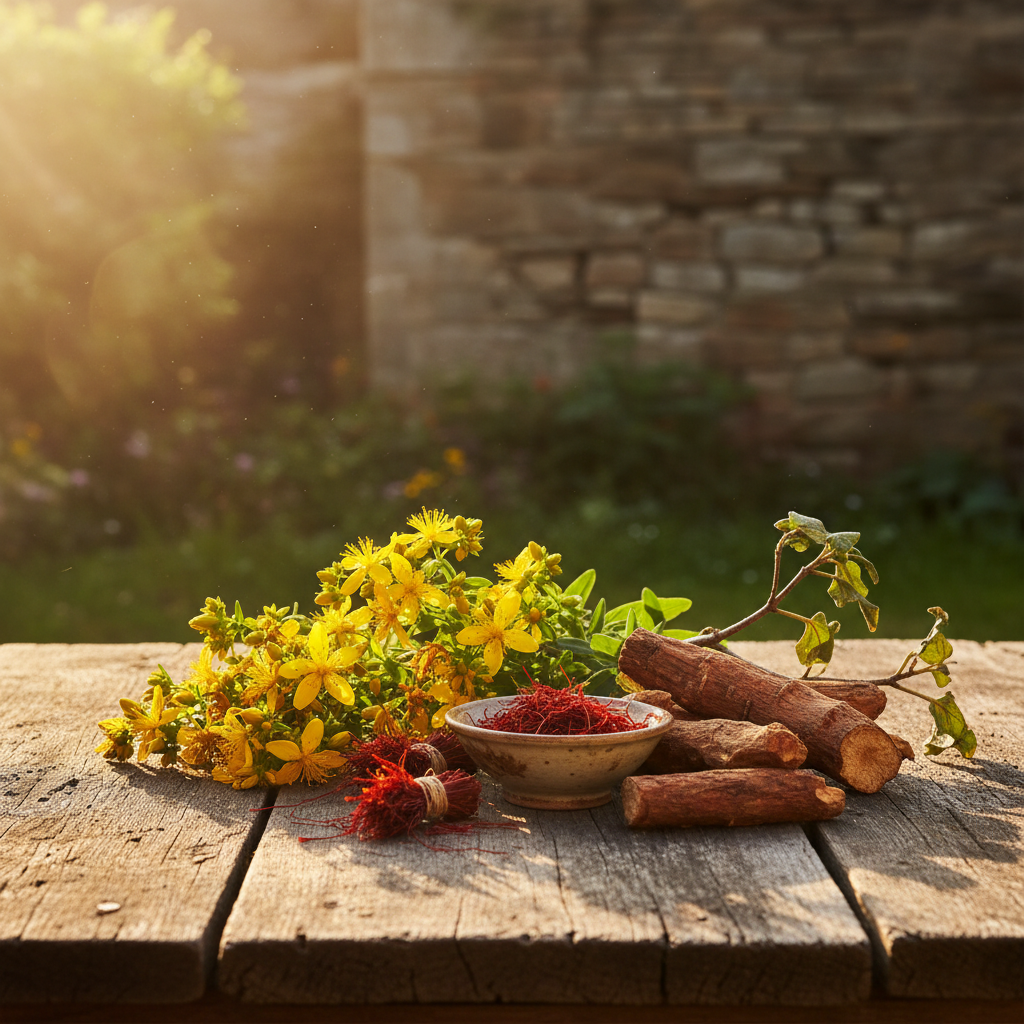
For individuals seeking natural approaches to mood support, herbal antidepressants have garnered considerable interest. While conventional antidepressant medications are often the first line of treatment for clinical depression, many people explore botanical options due to concerns about side effects, personal preference, or a desire for complementary therapies. The evidence supporting these herbal remedies varies significantly, with some, like St. John's Wort, having a substantial body of research, while others are still in the early stages of investigation. Understanding the scientific backing, mechanisms of action, appropriate dosing, and potential safety concerns is crucial for anyone considering these supplements.
Understanding Herbal Antidepressants
Herbal antidepressants refer to plant-derived substances used to alleviate symptoms associated with low mood, stress, and mild to moderate depression. Unlike pharmaceutical drugs that often target specific neurotransmitter pathways, many herbs exert their effects through multiple mechanisms, often involving a broader influence on the nervous system, hormonal balance, and stress response. Common examples include St. John's Wort, Saffron, Rhodiola rosea, and Ashwagandha.
It is important to differentiate between herbs that directly impact mood and those that primarily reduce stress or anxiety, which can indirectly improve mood. While some herbs may directly influence neurotransmitter levels, others act as adaptogens, helping the body adapt to stress and maintain homeostasis. The term 'antidepressant' in this context generally refers to their historical or traditional use and the outcomes observed in studies, rather than implying they are direct equivalents or replacements for prescription medications.
Key Herbal Antidepressants and Their Mechanisms
St. John's Wort (Hypericum perforatum)
St. John's Wort is perhaps the most well-known and extensively studied herbal antidepressant. Its primary active compounds are hypericin and hyperforin. The proposed mechanisms of action are complex and multifaceted, including the inhibition of serotonin, norepinephrine, and dopamine reuptake, similar to some conventional antidepressants. It may also modulate GABA and glutamate receptors and inhibit monoamine oxidase (MAO), leading to increased levels of these neurotransmitters in the synaptic cleft. These combined effects are thought to contribute to its mood-lifting properties.
Saffron (Crocus sativus)
Saffron, derived from the stigma of the saffron crocus flower, has been traditionally used for its mood-enhancing properties. Key active compounds include crocin, crocetin, and safranal. Research suggests saffron may influence neurotransmitter systems, particularly serotonin, by inhibiting its reuptake and modulating its receptors. It also exhibits antioxidant and anti-inflammatory effects, which are increasingly recognized as relevant to mood regulation and brain health. Some studies indicate it may also affect dopamine and norepinephrine pathways.
Rhodiola Rosea
Rhodiola rosea is an adaptogenic herb, meaning it helps the body adapt to physical, chemical, and environmental stress. Its active compounds, primarily rosavins and salidroside, are believed to influence neurotransmitter levels, including serotonin, dopamine, and norepinephrine, by affecting their synthesis, transport, and degradation. By supporting the body's stress response system (hypothalamic-pituitary-adrenal axis), Rhodiola may reduce fatigue, improve mental performance, and alleviate symptoms of stress-induced depression and anxiety.
Ashwagandha (Withania somnifera)
Another prominent adaptogen, Ashwagandha, is revered in Ayurvedic medicine for its ability to reduce stress and promote overall well-being. Its primary active compounds are withanolides. Ashwagandha is thought to modulate the stress response by reducing cortisol levels and influencing neurotransmitter systems, particularly GABAergic activity, which can have calming effects. While not directly an antidepressant in the same vein as St. John's Wort, its significant anxiolytic and stress-reducing properties can indirectly improve mood and alleviate symptoms often co-occurring with depression.
Other Emerging Herbs
Other herbs like Lemon Balm (Melissa officinalis) and Passionflower (Passiflora incarnata) are primarily studied for their anxiolytic and calming effects, which can be beneficial for individuals experiencing anxiety alongside low mood. Lemon Balm is thought to enhance GABA activity, while Passionflower may also modulate GABA and serotonin. While their direct antidepressant effects are less established than St. John's Wort, they can be valuable components of a broader strategy for mood and stress management.
Scientific Evidence for Efficacy
St. John's Wort: The Most Studied
The evidence for St. John's Wort is robust, particularly for mild to moderate depression. Numerous systematic reviews and meta-analyses have concluded that standardized extracts of St. John's Wort are more effective than placebo and similarly effective to standard antidepressant drugs (e.g., SSRIs) in treating mild to moderate major depressive disorder, with fewer side effects. For instance, a comprehensive review published in the Cochrane Database of Systematic Reviews found St. John's Wort extracts to be superior to placebo and as effective as standard antidepressants for mild to moderately severe depression. However, its efficacy for severe depression is not well-established, and it is generally not recommended for such cases.
Saffron: Promising but Preliminary
Research on saffron for depression is promising but still in its earlier stages compared to St. John's Wort. Several small clinical trials have suggested that saffron extracts may be effective in improving symptoms of mild to moderate depression, with some studies comparing its efficacy favorably to fluoxetine or imipramine. A meta-analysis published in the Journal of Affective Disorders concluded that saffron supplementation significantly improved depressive symptoms in adults. While these findings are encouraging, larger, longer-term, and more diverse studies are needed to confirm these effects and establish optimal dosing and safety profiles.
Rhodiola Rosea: Stress and Mood Support
Rhodiola rosea has been studied for its effects on stress, fatigue, and mood. Clinical trials have shown that Rhodiola can reduce symptoms of stress-induced fatigue and improve mood in individuals experiencing mild to moderate depression. Its adaptogenic properties are believed to help the body cope with stressors, thereby indirectly alleviating depressive symptoms. A study published in Phytomedicine found that Rhodiola extract significantly reduced symptoms of depression in patients with mild to moderate depression. While the evidence supports its role in stress management and mild mood disturbances, it is not typically considered a standalone treatment for clinical depression.
Ashwagandha: Anxiety and Stress Reduction
Ashwagandha's primary evidence base lies in its anxiolytic and stress-reducing effects. Numerous studies have demonstrated its ability to significantly reduce cortisol levels and improve self-reported stress and anxiety scores. By mitigating chronic stress, Ashwagandha can indirectly contribute to improved mood and overall mental well-being. For example, a study in the Indian Journal of Psychological Medicine showed that Ashwagandha extract significantly reduced scores on stress-assessment scales. While it can be a valuable component of a regimen for individuals experiencing stress-related mood issues, direct antidepressant effects comparable to St. John's Wort are not as clearly established.
Overall Evidence Landscape
The overall evidence landscape for herbal antidepressants is mixed. While some herbs, particularly St. John's Wort, have considerable scientific backing for mild to moderate depression, others show promising but preliminary results. The quality of research varies, with many studies being small, short-term, or lacking robust methodology. It is crucial to approach these supplements with an evidence-led perspective, recognizing that they are not a panacea and may not be suitable for everyone, especially those with severe conditions or complex medical histories. For those looking for broader mental wellness support, exploring supplements for stress and anxiety might also be beneficial.
Dosing and Administration Considerations
Dosing for herbal antidepressants can vary significantly based on the specific herb, the extract's standardization, and the individual's needs. It is paramount to follow the manufacturer's recommended dosage on reputable products. For St. John's Wort, extracts standardized to contain 0.3% hypericin or 3-5% hyperforin are commonly used, with typical daily doses ranging from 300 mg to 900 mg, often divided throughout the day. For saffron, doses of 30 mg daily, often divided into two doses, have been used in studies. Rhodiola rosea doses typically range from 200 mg to 600 mg of standardized extract daily, while Ashwagandha doses can vary from 300 mg to 600 mg of root extract daily, standardized for withanolides.
Consistency is key with herbal supplements, as their effects often build up over several weeks. It is also important to consider the form of the supplement (e.g., capsules, tinctures) and its bioavailability, which can influence how effectively the body absorbs the active compounds. Always choose products from reputable brands that provide third-party testing for purity and potency.
Safety, Side Effects, and Drug Interactions
While often perceived as 'natural' and therefore harmless, herbal antidepressants can have side effects and significant drug interactions. This is particularly true for St. John's Wort, which is a potent inducer of the cytochrome P450 (CYP450) enzyme system in the liver. This can accelerate the metabolism of many conventional medications, leading to reduced efficacy. Critical interactions include:
- Antidepressants (SSRIs, SNRIs): Can lead to serotonin syndrome, a potentially life-threatening condition.
- Oral Contraceptives: Can reduce their effectiveness, leading to unintended pregnancy.
- Anticoagulants (e.g., Warfarin): Can decrease their efficacy, increasing the risk of blood clots.
- Immunosuppressants (e.g., Cyclosporine): Can reduce drug levels, leading to organ rejection.
- Digoxin, Theophylline, HIV medications: Reduced efficacy of these drugs.
Common side effects of St. John's Wort can include gastrointestinal upset, skin photosensitivity (increased sensitivity to sunlight), fatigue, and restlessness. Saffron is generally well-tolerated, with mild side effects like nausea or dizziness reported in some individuals. Rhodiola rosea and Ashwagandha are also generally considered safe, with occasional reports of insomnia or irritability at higher doses for Rhodiola, and mild gastrointestinal upset for Ashwagandha.
Due to these potential interactions and side effects, it is absolutely essential to consult a healthcare professional before taking any herbal antidepressant, especially if you are on prescription medications, have underlying health conditions, or are pregnant or breastfeeding.
When to Consider Herbal Antidepressants and When to Seek Professional Help
Herbal antidepressants may be a consideration for individuals experiencing mild to moderate depressive symptoms, particularly if they are seeking complementary approaches or have a preference for natural remedies. They are often explored when conventional treatments have not been fully effective or when side effects of prescription drugs are a concern. However, their use should always be under the guidance of a qualified healthcare professional who can assess your specific situation, monitor for interactions, and ensure appropriate care.
It is crucial to understand that herbal antidepressants are NOT a substitute for professional medical diagnosis or treatment for severe depression, bipolar disorder, or any condition involving suicidal ideation. If you are experiencing severe symptoms, persistent low mood, hopelessness, or thoughts of self-harm, seek immediate professional medical attention. A clinician can provide an accurate diagnosis, recommend appropriate treatment options (which may include psychotherapy, medication, or a combination), and ensure your safety and well-being. Self-treating severe mental health conditions with herbs alone can be dangerous and delay effective care.