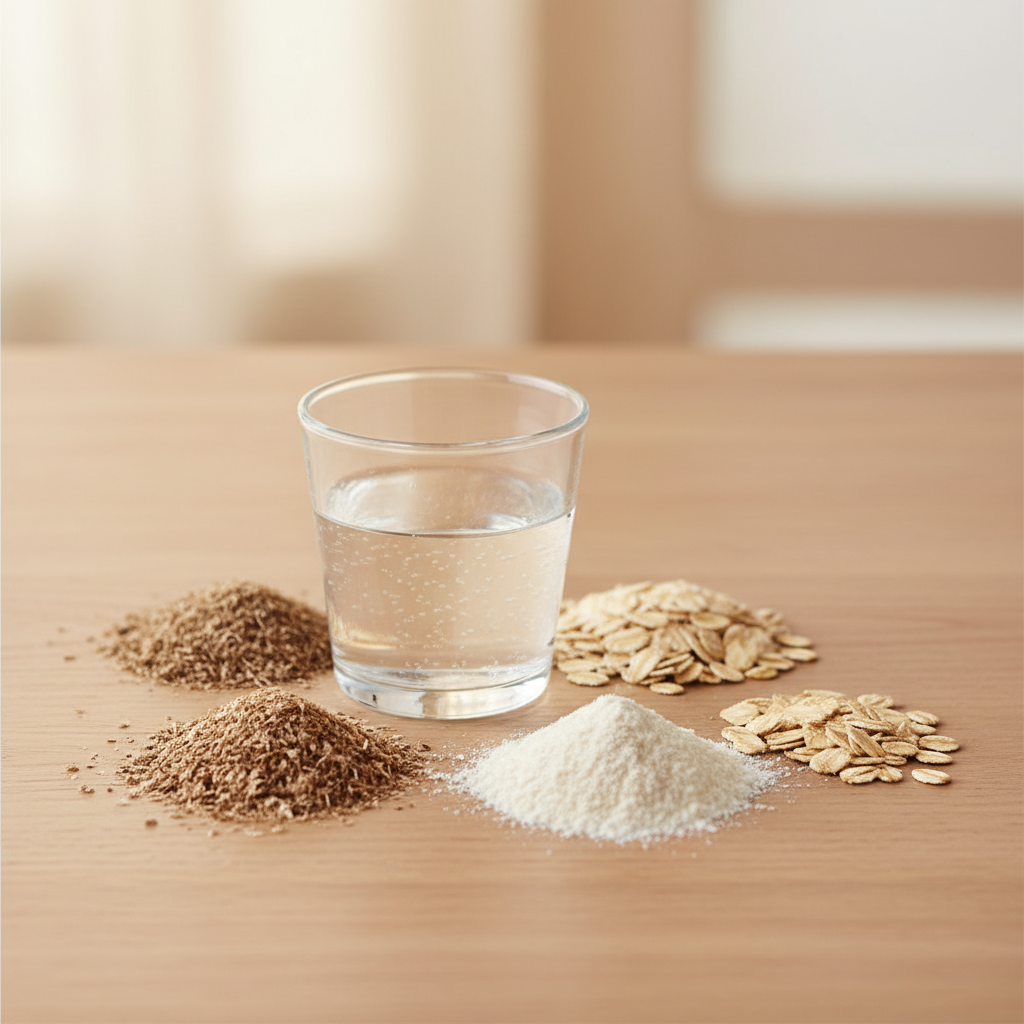
For individuals navigating the complexities of Irritable Bowel Syndrome (IBS), understanding the role of fiber is paramount. Fiber, a crucial component of a healthy diet, can either be a powerful ally in managing IBS symptoms or, if chosen incorrectly, a trigger for discomfort. This comprehensive IBS fiber guide will delve into the different types of fiber, their specific impacts on IBS, and provide evidence-based recommendations to help you make informed choices for better digestive health and symptom management.
Understanding Irritable Bowel Syndrome (IBS) and Fiber
Irritable Bowel Syndrome (IBS) is a prevalent chronic functional gastrointestinal disorder affecting a significant portion of the global population. It is characterized by recurrent abdominal pain, discomfort, and altered bowel habits, including constipation, diarrhea, or a mix of both, without any detectable structural abnormalities in the gut. The exact cause of IBS remains elusive, but it is believed to involve a complex interplay of factors such as gut-brain axis dysfunction, visceral hypersensitivity, altered gut motility, and an imbalance in the gut microbiome. These factors contribute to the unpredictable and often debilitating nature of IBS symptoms.
Fiber, a non-digestible carbohydrate found in plant foods, is widely recognized for its benefits in maintaining digestive health. It adds bulk to stool, influences transit time through the intestines, and serves as a substrate for beneficial gut bacteria. However, for those with IBS, the impact of fiber is highly individualized. While some types of fiber can significantly alleviate symptoms by normalizing bowel function and supporting a healthy gut environment, others can paradoxically worsen bloating, gas, and pain. This dichotomy underscores the importance of a targeted approach to fiber intake for IBS sufferers.
The Different Types of Fiber for IBS
To effectively manage IBS symptoms with fiber, it's crucial to understand the various classifications and their distinct physiological effects. Fiber is primarily categorized by its solubility in water and its fermentability by gut bacteria.
- Soluble Fiber: This type of fiber readily dissolves in water, forming a gel-like substance in the digestive tract. This gel slows down gastric emptying and intestinal transit, which can help regulate blood sugar levels and soften stool consistency. Soluble fibers are often found in oats, barley, apples, citrus fruits, and legumes. For IBS, specific soluble fibers like psyllium and partially hydrolyzed guar gum (PHGG) are particularly beneficial due to their gentle action and minimal fermentability.
- Insoluble Fiber: In contrast, insoluble fiber does not dissolve in water. It acts as a "bulking agent," adding volume to stool and accelerating its passage through the intestines. Common sources include whole grains (wheat bran, brown rice), nuts, seeds, and the skins of many fruits and vegetables. While beneficial for general regularity, insoluble fiber can sometimes be too harsh for a sensitive IBS gut, potentially exacerbating symptoms like abdominal pain and diarrhea.
- Fermentable Fiber: These fibers are broken down by the resident bacteria in the large intestine, a process known as fermentation. This fermentation produces gases (like hydrogen, methane, and carbon dioxide) and beneficial short-chain fatty acids (SCFAs), which nourish colon cells. However, in individuals with IBS, excessive or rapid fermentation can lead to uncomfortable bloating, gas, and abdominal pain. Many high-FODMAP fibers, such as inulin and fructooligosaccharides (FOS), are highly fermentable.
- Non-Fermentable or Minimally Fermentable Fiber: These fibers pass through the digestive system largely intact, undergoing little to no fermentation by gut bacteria. Consequently, they produce minimal gas and are generally better tolerated by IBS sufferers. Psyllium husk and PHGG are excellent examples of soluble fibers that are either non-fermentable or ferment very slowly, making them ideal choices for IBS management.
Soluble Fiber: A Gentle Approach for IBS Symptoms
For many individuals with IBS, soluble, non-fermentable or minimally fermentable fibers represent the most effective and gentle dietary intervention. Their unique properties allow them to modulate bowel function without causing excessive gas or irritation.
Psyllium Husk
Psyllium husk, derived from the seeds of the Plantago ovata plant, is arguably the most well-researched and widely recommended fiber supplement for IBS. It is a highly viscous, soluble fiber that is largely non-fermentable. When mixed with water, psyllium husk forms a thick, gel-like substance. This gel has a dual action: for IBS-C, it adds bulk and moisture to the stool, softening it and making it easier to pass. For IBS-D, it helps to absorb excess water, firming up loose stools and slowing down rapid transit. Numerous clinical trials have demonstrated psyllium's efficacy in improving overall IBS symptoms, including abdominal pain, bloating, and stool consistency, often with a better side effect profile compared to other fiber types. Its gentle, bulking action helps normalize bowel function across different IBS subtypes.
Partially Hydrolyzed Guar Gum (PHGG)
PHGG is another excellent soluble fiber option for IBS. It is derived from the guar bean and undergoes a hydrolysis process that breaks down its complex structure, making it less viscous and easier to mix into liquids. While PHGG is technically a fermentable fiber, its fermentation occurs much more slowly and gradually in the colon compared to other fermentable fibers, resulting in significantly less gas and bloating. PHGG has been shown to improve stool frequency and consistency in IBS-C and reduce abdominal pain and bloating in both IBS-C and IBS-D. Furthermore, PHGG acts as a prebiotic, selectively feeding beneficial gut bacteria and supporting a healthier gut microbiome, which is crucial for overall gut health basics. This prebiotic effect, combined with its low gas production, makes it a highly tolerable and beneficial fiber for many IBS patients.
While other soluble fibers like oat bran can be part of a healthy diet, psyllium and PHGG are often specifically recommended for IBS due to their proven efficacy and favorable tolerability profile.
Insoluble Fiber: When to Be Cautious with IBS
Insoluble fiber, while essential for general digestive health in the broader population, can be problematic for individuals with a sensitive IBS gut. Its primary mechanism is to add significant bulk to stool and accelerate its passage through the digestive tract. For many IBS sufferers, particularly those prone to diarrhea (IBS-D) or visceral hypersensitivity, this increased bulk and rapid transit can exacerbate symptoms such as severe abdominal pain, cramping, and increased frequency of bowel movements.
Common dietary sources of insoluble fiber include wheat bran, whole-wheat products, rye, corn bran, nuts, seeds, and the fibrous skins of fruits and vegetables like apples and potatoes. Due to their potential to irritate the gut lining and stimulate motility, it is generally advisable for individuals with IBS, especially IBS-D or mixed-type IBS, to limit their intake of high-insoluble fiber foods. However, some individuals with constipation-predominant IBS (IBS-C) might find small, carefully introduced amounts of insoluble fiber beneficial, provided they monitor their symptoms closely. If symptoms worsen, reducing or eliminating these types of fiber is usually recommended. The key is individual tolerance and a cautious approach.
Fermentable Oligosaccharides, Disaccharides, Monosaccharides, and Polyols (FODMAPs) and Fiber
A thorough understanding of FODMAPs is indispensable when considering fiber intake for IBS. FODMAPs are a group of short-chain carbohydrates that are poorly absorbed in the small intestine. Once they reach the large intestine, they are rapidly fermented by gut bacteria. This process has two main effects that trigger IBS symptoms:
- Osmotic Effect: Unabsorbed FODMAPs draw water into the intestinal lumen, increasing the fluid content in the bowel.
- Gas Production: Rapid fermentation by gut bacteria produces a significant amount of gas.
The combination of increased fluid and gas leads to abdominal distension, bloating, pain, and altered bowel habits characteristic of IBS. Many fibers, particularly those marketed as prebiotics, are high in FODMAPs. For instance, inulin and fructooligosaccharides (FOS), commonly found in supplements and foods like garlic, onions, wheat, and chicory root, are highly fermentable soluble fibers. While they promote the growth of beneficial gut bacteria, their rapid fermentation often leads to severe symptoms in IBS patients.
Therefore, when selecting a fiber supplement or making dietary fiber choices for IBS, it is critical to prioritize options that are low in FODMAPs. Psyllium husk and PHGG are considered low-FODMAP fibers, making them generally well-tolerated and effective for symptom management without triggering the adverse effects associated with high-FODMAP fibers.
Dosing and Administration of Fiber Supplements for IBS
The successful integration of fiber supplements into an IBS management plan hinges on a "start low, go slow" approach. This strategy minimizes the likelihood of adverse side effects and allows your digestive system to gradually adapt to the increased fiber intake. Adequate hydration is non-negotiable; always mix fiber supplements with plenty of water, and ensure consistent fluid intake throughout the day to prevent constipation or potential blockages.
- Psyllium Husk: Begin with a very conservative dose, typically 2-3 grams (approximately half a teaspoon) once daily. Mix thoroughly with at least 8 ounces (240ml) of water or another non-carbonated beverage, and consume immediately before it gels too much. If tolerated, you can gradually increase the dose by 1-2 grams every few days, monitoring your symptoms closely. The effective dose for many individuals ranges from 5-10 grams two to three times daily, always ensuring each dose is accompanied by a full glass of water.
- Partially Hydrolyzed Guar Gum (PHGG): A common starting dose for PHGG is 3-5 grams once daily. PHGG is generally less viscous than psyllium and mixes easily into beverages, yogurt, or soft foods without forming a thick gel. Similar to psyllium, gradually increase the dose to 5-10 grams two to three times daily, as tolerated, ensuring sufficient fluid intake with each dose.
It is also crucial to consider the timing of fiber supplementation relative to other medications. Fiber can sometimes bind to certain drugs, potentially reducing their absorption and efficacy. As a general rule, take fiber supplements at least 1-2 hours apart from any prescribed medications. Consistency is paramount; daily and consistent use of fiber supplements provides the most sustained benefits for IBS symptom management.
Potential Side Effects and Safety Considerations
While fiber supplements are generally safe and beneficial for many with IBS, it's important to be aware of potential side effects and when to seek medical advice. Even with carefully selected fibers and a gradual introduction, some individuals may experience:
- Bloating and Gas: These are the most common complaints, especially during the initial phase of supplementation or if the dose is increased too rapidly. This is often due to the gut microbiome adjusting to the new fiber source. Choosing low-fermentable fibers helps mitigate this.
- Abdominal Discomfort or Cramping: Mild discomfort can occur as the digestive system adapts to increased bulk and altered transit times.
- Constipation or Blockages: Paradoxically, if fiber supplements are taken without adequate fluid intake, they can worsen constipation or, in rare cases, lead to intestinal blockages. Always prioritize drinking plenty of water throughout the day.
Certain situations warrant caution or immediate medical consultation:
- Pre-existing Medical Conditions: Individuals with a history of bowel obstruction, esophageal narrowing, dysphagia (difficulty swallowing), or other gastrointestinal strictures should avoid bulk-forming fibers due to the risk of obstruction.
- Medication Interactions: Fiber can interfere with the absorption of various medications, including certain antidepressants (e.g., tricyclic antidepressants), heart medications (e.g., digoxin), anti-seizure drugs (e.g., carbamazepine), and diabetes medications. Always consult your doctor or pharmacist about potential interactions before starting a fiber supplement.
- "Red Flag" Symptoms: If your IBS symptoms significantly worsen, or if you develop new and concerning symptoms such as severe, persistent abdominal pain, unexplained weight loss, fever, blood in your stool, persistent vomiting, or difficulty swallowing, discontinue the supplement and seek immediate medical attention. These symptoms may indicate a more serious underlying condition that requires prompt diagnosis and treatment.
Choosing the Right Fiber for Your IBS
Navigating the world of fiber with IBS requires a personalized and patient approach. The ultimate goal is to identify a fiber type and dose that effectively manages your specific IBS symptoms without causing additional discomfort. Based on current evidence and clinical experience, prioritize soluble, non-fermentable, and low-FODMAP fibers such as psyllium husk and partially hydrolyzed guar gum as your primary choices.
Maintaining a detailed symptom diary can be an invaluable tool. Documenting your fiber intake, dosage, and corresponding digestive responses (e.g., stool consistency, bloating, pain levels) can help you identify patterns and determine what works best for your unique digestive system. Remember that dietary changes and supplementation are often most effective when integrated into a broader, holistic management plan for IBS, which may also include stress management techniques, regular physical activity, and other dietary modifications like a low-FODMAP diet if indicated.
Ultimately, consulting with a healthcare professional, such as a gastroenterologist or a registered dietitian specializing in IBS, is highly recommended. They can provide tailored advice based on your specific IBS subtype, medical history, and current medications. A professional can help you safely and effectively integrate fiber into your IBS management strategy, ensuring you reap the benefits without exacerbating symptoms.