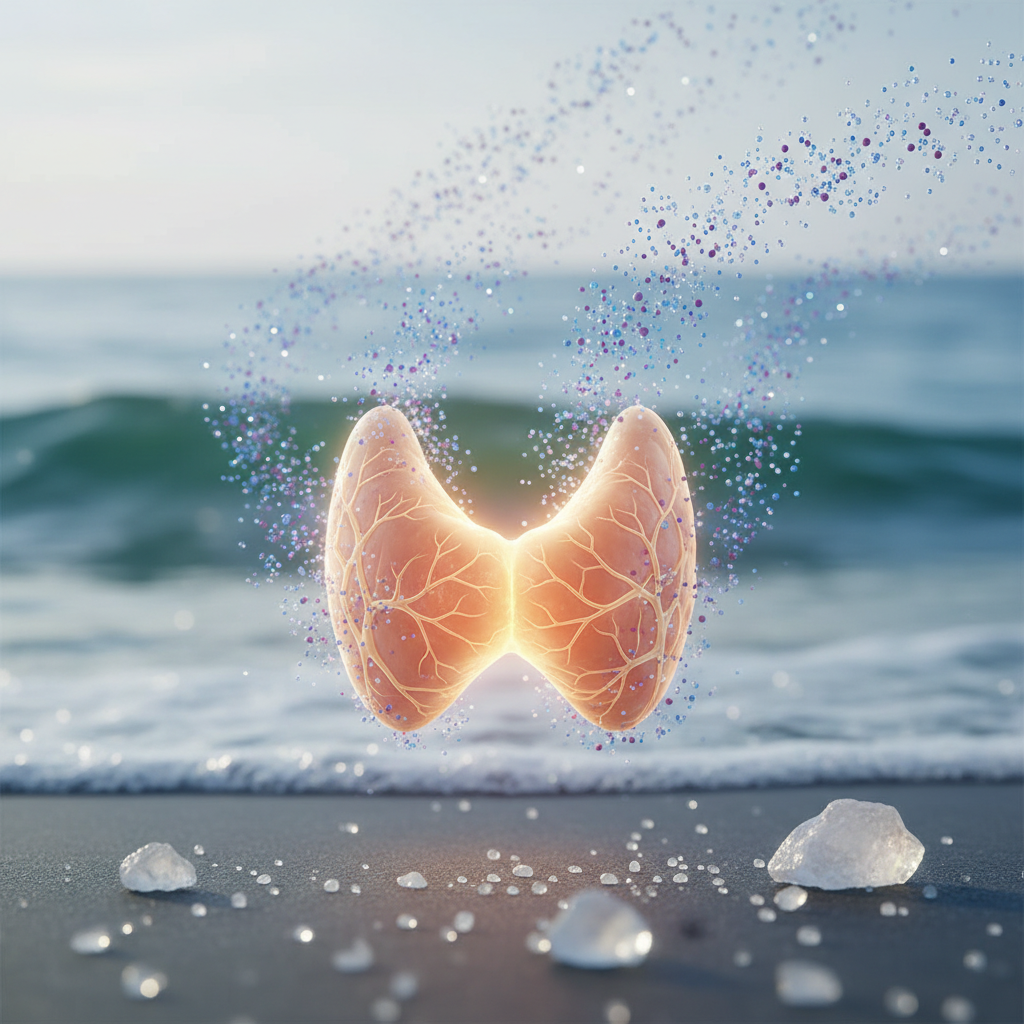
Iodine is a fundamental trace mineral that plays an absolutely critical role in human health, primarily through its involvement with the thyroid gland. Without adequate iodine, the thyroid cannot produce its essential hormones, thyroxine (T4) and triiodothyronine (T3), which are vital regulators of metabolism, growth, and development across all stages of life. Understanding the intricate relationship between iodine and the thyroid is paramount for maintaining overall well-being, as both insufficient and excessive intake can lead to significant health issues that can impact everything from energy levels to cognitive function.
The Indispensable Role of Iodine in Thyroid Function
Iodine is unique among minerals because its primary function is almost exclusively tied to the thyroid gland. The thyroid, a butterfly-shaped gland located at the base of the neck, is responsible for synthesizing and secreting thyroid hormones. These hormones influence nearly every cell in the body, impacting metabolic rate, protein synthesis, body temperature, and the development of the brain and nervous system. From fetal development to adulthood, the proper functioning of the thyroid, and thus sufficient iodine intake, is non-negotiable for optimal health. A deficiency in iodine can lead to a cascade of health problems, collectively known as Iodine Deficiency Disorders (IDDs), which range in severity from goiter to severe intellectual impairment. The thyroid gland is remarkably efficient at absorbing iodine, a testament to its critical need for this specific micronutrient.
Thyroid hormones are essential for normal growth and maturation of all tissues, particularly the central nervous system. During pregnancy and early childhood, even mild iodine deficiency can have profound and irreversible effects on brain development, leading to reduced cognitive abilities and learning disabilities. In adults, suboptimal thyroid function due to iodine deficiency can manifest as sluggishness, difficulty concentrating, and a general decline in metabolic efficiency. This highlights why public health initiatives, such as universal salt iodization, have been so successful in mitigating the widespread impact of iodine deficiency globally.
How Iodine Supports Thyroid Hormone Production
The mechanism by which iodine contributes to thyroid hormone synthesis is fascinating and highly specialized. The thyroid gland actively absorbs iodine from the bloodstream against a concentration gradient, using a protein called the sodium-iodide symporter (NIS). This transporter is highly efficient, ensuring that iodine is concentrated within the thyroid cells, sometimes to levels 20-40 times higher than in the blood. Once inside the thyroid cells, iodine undergoes a series of enzymatic reactions.
Specifically, the iodide is oxidized by the enzyme thyroid peroxidase (TPO) to iodine, which is then incorporated into tyrosine residues on a large glycoprotein called thyroglobulin. This process, known as organification, forms monoiodotyrosine (MIT) and diiodotyrosine (DIT). These iodinated tyrosines then couple to form the active thyroid hormones: two DIT molecules combine to form T4 (thyroxine), and one MIT and one DIT combine to form T3 (triiodothyronine). T4 is the more abundant hormone produced by the thyroid, while T3 is the more biologically active form. The thyroid stores these hormones bound to thyroglobulin within its follicles and releases them into the bloodstream as needed, under the control of Thyroid-Stimulating Hormone (TSH) from the pituitary gland. This intricate biochemical pathway highlights why iodine is not just a cofactor but a fundamental building block for these vital hormones, and why its consistent availability is paramount.
Iodine Deficiency: Causes, Symptoms, and Consequences
Iodine deficiency remains a significant global public health problem, affecting an estimated two billion people worldwide, particularly in landlocked regions and mountainous areas where soil iodine content is low. Historically, it was a widespread issue before the advent of iodized salt in the early 20th century. Despite progress, certain populations remain vulnerable.
Causes of deficiency include:
- Inadequate dietary intake: The most common cause, often due to reliance on foods grown in iodine-poor soil or diets lacking iodine-rich foods like seafood and dairy. Modern agricultural practices can further deplete soil iodine content, making it harder to obtain sufficient amounts from plant-based foods alone.
- Goitrogens: Certain compounds found in foods like cassava, cabbage, broccoli, and kale (when consumed in very large quantities, especially raw, and coupled with low iodine intake) can interfere with iodine utilization or thyroid hormone synthesis. However, for most individuals with adequate iodine intake, the goitrogenic effect of these foods is negligible, and their health benefits far outweigh any potential risk.
- Malabsorption: Rarely, certain gastrointestinal conditions or medications can impair iodine absorption, though this is not a primary driver of widespread deficiency.
- Increased physiological demand: Pregnancy and lactation significantly increase iodine requirements, making these periods particularly vulnerable to deficiency if intake is not adjusted.
Symptoms and consequences of iodine deficiency vary with severity and age:
- Goiter: The most visible sign, an enlargement of the thyroid gland as it attempts to trap more iodine from the blood in an effort to produce enough hormones. This can manifest as a swelling in the neck.
- Hypothyroidism: Underactive thyroid, leading to a slowed metabolism and symptoms like fatigue, unexplained weight gain, cold intolerance, dry skin, hair loss, constipation, and cognitive impairment (brain fog, poor memory).
- Impaired cognitive function: Even mild to moderate deficiency can affect cognitive function and IQ, particularly in children and adolescents, impacting academic performance and overall intellectual development.
- Developmental issues: During pregnancy, severe iodine deficiency can lead to cretinism in infants, characterized by severe intellectual disability, stunted growth, and neurological deficits. This underscores the critical importance of iodine for pregnant women and highlights why prenatal supplements often include iodine.
- Increased risk of certain thyroid disorders: Chronic iodine deficiency can make the thyroid more susceptible to developing nodules or becoming overactive when suddenly exposed to iodine.
Iodine Excess: Risks and Considerations
While deficiency is a major concern, excessive iodine intake also carries risks and can paradoxically lead to thyroid dysfunction. The thyroid gland has a protective mechanism, known as the Wolff-Chaikoff effect, which temporarily inhibits thyroid hormone synthesis in response to high iodine levels. This is a short-term adaptation. However, chronic or extremely high intake can overwhelm this mechanism, leading to adverse effects. The Tolerable Upper Intake Level (UL) for iodine for adults is 1,100 micrograms (mcg) per day. Consuming amounts significantly above this level for extended periods increases the risk of adverse effects.
Potential consequences of iodine excess include:
- Iodine-induced hyperthyroidism: This can occur, particularly in individuals with pre-existing thyroid conditions (like Hashimoto's thyroiditis or Graves' disease in remission) or those with long-standing iodine deficiency who are suddenly exposed to high iodine levels. The sudden influx of iodine can trigger an overproduction of thyroid hormones, leading to symptoms such as rapid heart rate, weight loss, anxiety, and tremors.
- Iodine-induced hypothyroidism: In some susceptible individuals, chronic high iodine intake can lead to a persistent inhibition of thyroid hormone synthesis, resulting in an underactive thyroid. This is more common in individuals with autoimmune thyroid disease or those with a history of thyroid surgery.
- Exacerbation of autoimmune thyroiditis: Excessive iodine may trigger or worsen autoimmune thyroid conditions in genetically predisposed individuals. For example, some evidence suggests high iodine intake can increase the incidence or severity of Hashimoto's thyroiditis.
- Goiter: Similar to deficiency, chronic excess can also cause goiter, as the thyroid attempts to adapt to the overwhelming iodine load.
- Acute iodine poisoning: Extremely high doses (several grams) can cause symptoms like burning in the mouth and throat, abdominal pain, diarrhea, and even coma. This is rare from dietary sources but possible with misuse of concentrated supplements.
It's crucial to understand that more is not always better when it comes to micronutrients, especially one as potent as iodine for thyroid health. The optimal range for iodine intake is relatively narrow, emphasizing the importance of balanced consumption.
Dietary Sources and Recommended Intake of Iodine
Fortunately, iodine is readily available in various foods, particularly those from marine environments and fortified products. Incorporating these into a regular diet is the most natural way to ensure adequate intake.
Key dietary sources include:
- Seafood: Fish (cod, haddock, tuna), seaweed (kelp, nori, kombu, wakame), and shellfish are excellent sources. Seaweed, in particular, can contain very high and variable amounts of iodine, sometimes exceeding the UL in a single serving. For example, a single gram of dried kelp can contain hundreds to thousands of micrograms of iodine.
- Dairy products: Milk, yogurt, and cheese contain iodine, partly due to iodine in animal feed and sanitizing agents used in dairy processing. The iodine content can vary based on region and farming practices.
- Iodized salt: A primary public health strategy to combat iodine deficiency. In many countries, table salt is fortified with potassium iodide or potassium iodate. A quarter teaspoon of iodized salt typically provides about 70 mcg of iodine, making it an accessible and effective way to meet daily needs for most people.
- Eggs: A moderate source, with one large egg providing around 24 mcg of iodine.
- Certain fortified breads and cereals: Less common, but some products may be fortified, especially in regions where iodine deficiency is prevalent.
- Meat and poultry: Contain smaller amounts of iodine, depending on the animal's diet.
The Recommended Dietary Allowance (RDA) for iodine varies by age and life stage, reflecting the body's changing demands:
- Adults (19+ years): 150 mcg per day.
- Pregnant women: 220 mcg per day. This increased need is critical for supporting fetal brain development and the mother's increased thyroid hormone production.
- Lactating women: 290 mcg per day. This higher recommendation ensures sufficient iodine is transferred through breast milk to the infant, who is entirely dependent on this source for thyroid hormone synthesis.
These recommendations are designed to ensure adequate thyroid hormone production and prevent deficiency without risking excess. It's important to note that while some foods like cruciferous vegetables contain goitrogens, their impact on thyroid function is generally negligible in individuals with sufficient iodine intake and when consumed as part of a varied diet. Cooking these vegetables also largely deactivates goitrogenic compounds.
Iodine Supplementation: When and How to Consider It
For most individuals consuming a balanced diet that includes iodized salt or iodine-rich foods, supplementation is not necessary. However, certain groups may benefit from or require iodine supplementation to meet their physiological needs:
- Pregnant and lactating women: Due to significantly increased demands for both mother and child, many prenatal vitamins contain iodine, typically 150 mcg. It is vital for fetal and infant brain development and growth.
- Individuals following restrictive diets: Vegans, those avoiding dairy and seafood, and individuals consuming primarily organic or specialty salts (which are often not iodized) may be at risk of insufficient intake.
- Residents of iodine-deficient regions: Where iodized salt is not widely used or available, or where dietary sources are scarce.
- Individuals with diagnosed iodine deficiency: Under medical supervision, a healthcare provider may recommend specific iodine supplementation to correct a confirmed deficiency.
When considering supplementation, it's crucial to choose appropriate forms and dosages. Potassium iodide is a common and well-absorbed form found in supplements. Doses typically range from 150 mcg to 250 mcg, aligning with RDAs and ensuring a safe margin. It is generally advisable to avoid very high-dose iodine supplements (e.g., those containing several milligrams) unless specifically prescribed and monitored by a healthcare professional for a particular condition, such as before certain medical procedures or in cases of severe deficiency. For more information on various forms of iodine and their benefits, you can explore our iodine ingredient page, which details its chemical forms and common uses.
Before initiating any iodine supplement, especially if you suspect a deficiency or have any underlying health concerns, it is highly recommended to consult with a healthcare provider. They can assess your dietary intake, medical history, and potentially order tests to determine your current iodine status and thyroid function. This personalized approach helps ensure that supplementation is both safe and effective for your individual needs.
Safety, Interactions, and When to Consult a Clinician
Iodine, while essential, is a nutrient where the therapeutic window between deficiency and excess is relatively narrow. Therefore, safety considerations are paramount, particularly given the thyroid's sensitivity to iodine levels. Self-prescribing high doses of iodine can be detrimental.
- Pre-existing thyroid conditions: Individuals with autoimmune thyroid diseases (such as Hashimoto's thyroiditis or Graves' disease), a history of thyroid nodules, or those currently taking thyroid medications (e.g., levothyroxine) should exercise extreme caution with iodine supplementation. Even moderate doses can sometimes trigger or worsen thyroid dysfunction in these sensitive individuals, potentially leading to overt hypothyroidism or hyperthyroidism.
- Medication interactions: Iodine can interact with certain medications. For example, it can affect the efficacy of anti-thyroid drugs (like methimazole or propylthiouracil) used to treat hyperthyroidism. It can also increase the risk of hypothyroidism when taken with amiodarone (an antiarrhythmic drug that contains a significant amount of iodine) or lithium (used for bipolar disorder). Diuretics can also influence iodine excretion.
- Symptoms of excess: Watch for symptoms like a metallic taste in the mouth, nausea, vomiting, diarrhea, skin rash (acne-like lesions), swelling of the salivary glands, and headache, which can indicate excessive intake. Paradoxically, symptoms of iodine-induced hypothyroidism or hyperthyroidism can mimic those of iodine deficiency, making self-diagnosis challenging and highlighting the need for medical evaluation.
- Diagnostic testing: If thyroid issues are suspected, a clinician will typically order blood tests for Thyroid-Stimulating Hormone (TSH), free T4, and potentially free T3. Urinary iodine excretion can also be measured to assess iodine status, although a single spot urine sample may not always reflect long-term intake accurately.
When to consult a clinician:
- Before starting any iodine supplement: This is especially critical if you have a known thyroid condition, are pregnant or breastfeeding, are taking other medications, or have a family history of thyroid disorders.
- If you experience any symptoms of thyroid dysfunction: Whether you are currently supplementing with iodine or not, symptoms like persistent fatigue, unexplained weight changes, changes in mood, or neck swelling warrant medical attention.
- For personalized dosing advice: A healthcare provider can assess your dietary intake, medical history, and potentially order blood tests (e.g., urinary iodine excretion, TSH, free T4) to determine your iodine status and guide safe and appropriate supplementation.
- If you are considering high-dose iodine: Products like Lugol's solution or nascent iodine, which contain significantly higher doses than typical dietary supplements, should only be used under strict medical supervision for specific indications, such as iodine blockade during radiation emergencies, and not for general thyroid support.
Maintaining a healthy thyroid is a cornerstone of overall health, and iodine is its most critical nutrient. By understanding the balance required, individuals can make informed choices to support their thyroid function safely and effectively. For broader insights into supporting thyroid health, consider reading our article on supplements for thyroid health, which covers a range of nutrients and compounds that play a role in thyroid well-being.