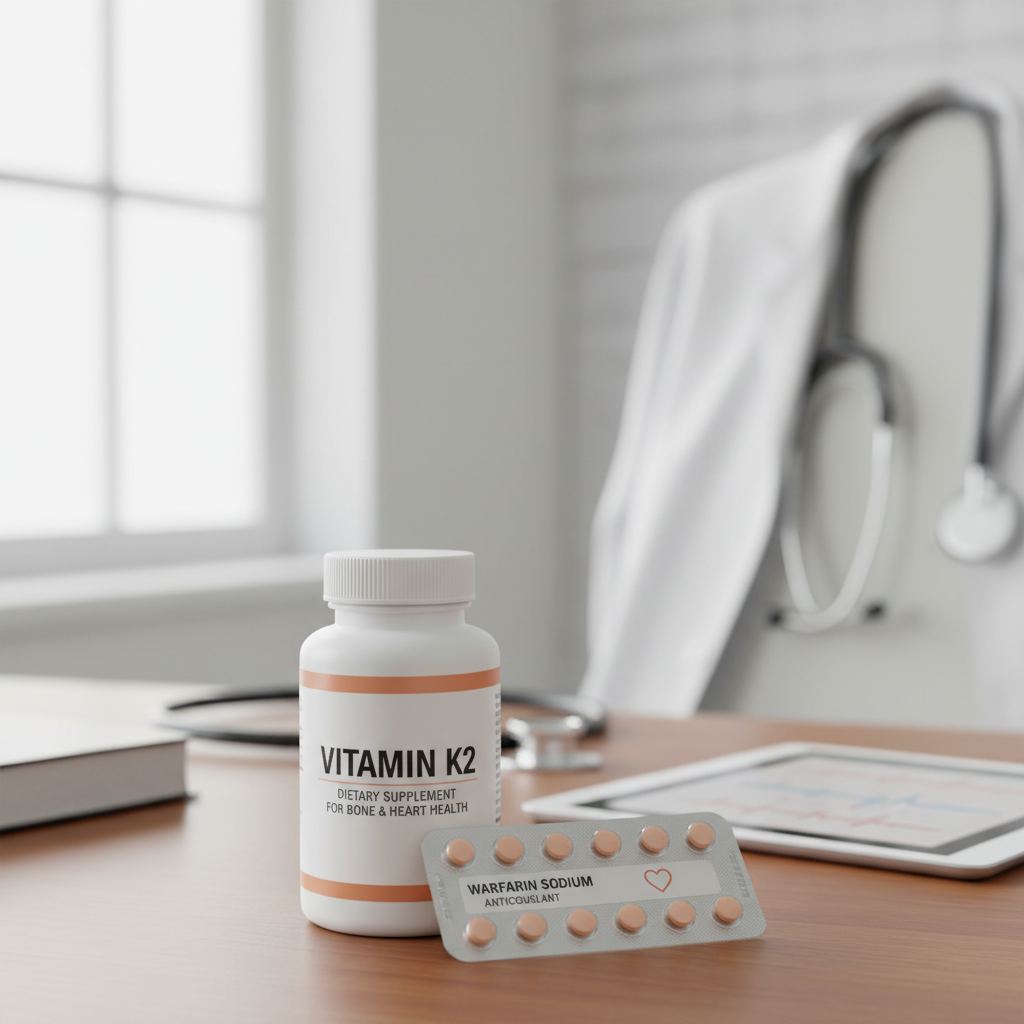
The interaction between vitamin K2 and the anticoagulant medication warfarin is a critical topic for anyone prescribed this blood-thinning drug. Warfarin, a widely used medication, works by interfering with the body's ability to use vitamin K, which is essential for the production of several blood clotting factors. Vitamin K2, a form of vitamin K, directly participates in these processes. Therefore, understanding how K2 intake can affect warfarin's efficacy is paramount to prevent serious complications such as excessive bleeding or dangerous blood clots. This article will delve into the mechanisms of both, explain their interaction, and provide guidance on managing vitamin K intake while on warfarin therapy.
Introduction to Vitamin K2 and Warfarin
Warfarin is an oral anticoagulant prescribed to prevent and treat blood clots in conditions such as atrial fibrillation, deep vein thrombosis, and pulmonary embolism. It is a powerful medication with a narrow therapeutic window, meaning the difference between an effective dose and a dangerous dose is small. Its efficacy is highly sensitive to external factors, particularly dietary intake of vitamin K.
Vitamin K is a fat-soluble vitamin known primarily for its role in blood coagulation. It exists in several forms: vitamin K1 (phylloquinone), found predominantly in green leafy vegetables, and vitamin K2 (menaquinones), found in fermented foods and animal products. While both forms are crucial for health, vitamin K2 has gained significant attention for its additional roles in bone health and cardiovascular well-being, specifically in directing calcium to bones and away from arteries.
The fundamental conflict arises because vitamin K, in all its forms, promotes the synthesis of clotting factors, while warfarin's primary function is to inhibit this very process. This direct antagonism means that any significant change in vitamin K intake, including vitamin K2, can profoundly impact the effectiveness of warfarin, leading to either an increased risk of bleeding or an increased risk of clotting.
How Warfarin Works: Mechanism of Action
To understand the interaction, it's essential to grasp how warfarin functions. Warfarin is classified as a Vitamin K Antagonist (VKA). Its mechanism of action revolves around disrupting the vitamin K cycle in the liver. This cycle is responsible for regenerating active vitamin K from its inactive form, a process crucial for the carboxylation of specific proteins.
Carboxylation is a biochemical modification that enables certain proteins to bind calcium, which is a necessary step for their activation. Among these are several blood clotting factors (specifically factors II, VII, IX, and X) and anticoagulant proteins (Protein C and Protein S). Without proper carboxylation, these proteins remain inactive, and the blood's ability to clot is impaired.
Warfarin specifically inhibits an enzyme called Vitamin K Epoxide Reductase Complex 1 (VKORC1). This enzyme is vital for converting inactive vitamin K epoxide back into its active, reduced form, which can then be used again in the carboxylation process. By blocking VKORC1, warfarin depletes the supply of active vitamin K in the liver. Consequently, the liver produces clotting factors that are functionally deficient, leading to a reduction in the blood's clotting capacity.
The therapeutic effect of warfarin is monitored by a blood test called the International Normalized Ratio (INR). This test measures how long it takes for blood to clot, providing an indication of warfarin's anticoagulant effect. A higher INR means the blood is thinner and takes longer to clot, while a lower INR indicates thicker blood and a higher risk of clotting. Maintaining the INR within a specific therapeutic range is critical for patient safety and efficacy, and this range is highly sensitive to vitamin K availability.
The Role of Vitamin K2 in the Body
Vitamin K2, or menaquinone, is a group of compounds primarily synthesized by bacteria in the gut or found in fermented foods and certain animal products. The most common forms are MK-4 (menaquinone-4), found in animal fats like egg yolks and liver, and MK-7 (menaquinone-7), prevalent in fermented foods such as natto (fermented soybeans) and some cheeses. While K1 is primarily involved in liver-based clotting factor synthesis, K2 has a broader distribution and distinct extrahepatic functions.
Beyond its role in blood coagulation, vitamin K2 is increasingly recognized for its importance in bone and cardiovascular health. It acts as a cofactor for enzymes that activate specific vitamin K-dependent proteins (VKDPs).
- Blood Coagulation: Like K1, K2 is essential for the carboxylation of the same liver-produced clotting factors (II, VII, IX, X). This is the direct point of interaction with warfarin.
- Bone Health: K2 activates osteocalcin, a protein produced by osteoblasts (bone-building cells). Activated osteocalcin helps bind calcium to the bone matrix, contributing to bone mineralization and strength. Preliminary evidence suggests that adequate K2 intake may support bone density and reduce fracture risk, particularly in postmenopausal women.
- Cardiovascular Health: K2 activates Matrix Gla Protein (MGP), which is a potent inhibitor of arterial calcification. MGP helps prevent calcium from depositing in soft tissues like arteries, thereby supporting arterial flexibility and reducing the risk of cardiovascular events. Research in this area is ongoing, with small trials suggesting a potential benefit for arterial health.
It is the dual role of vitamin K2 – its direct involvement in blood clotting and its broader health benefits – that makes its interaction with warfarin particularly complex and critical. While the extrahepatic benefits of K2 are appealing, its pro-coagulant role means that its intake must be carefully managed in individuals on warfarin.
The Interaction Between K2 and Warfarin
The interaction between vitamin K2 and warfarin is a classic example of drug-nutrient antagonism. As discussed, warfarin works by inhibiting the enzyme VKORC1, which recycles vitamin K. When vitamin K2 is introduced into the system, it provides more substrate for the vitamin K cycle, effectively counteracting warfarin's inhibitory action.
The primary concern with this interaction is the destabilization of the INR. If a person on a stable warfarin dose suddenly increases their intake of vitamin K2 (e.g., through a supplement or a significant dietary change), the increased availability of vitamin K2 can overcome warfarin's effect. This leads to a lower INR, meaning the blood becomes thicker and the risk of dangerous blood clots (thrombosis) increases. This can be life-threatening, potentially leading to strokes, heart attacks, or pulmonary embolisms.
Conversely, a sudden decrease in vitamin K2 intake could lead to a higher INR, making the blood too thin and increasing the risk of serious bleeding. This could manifest as excessive bruising, nosebleeds, blood in urine or stool, or even internal hemorrhages.
The challenge with vitamin K2, particularly the long-chain menaquinones like MK-7, is its longer half-life compared to K1. This means it stays in the body for a longer period, and its effects on clotting factors can be more sustained. This prolonged presence can make INR management even more difficult, as fluctuations may not be immediately apparent but can have lasting impacts on warfarin's effectiveness.
Therefore, the interaction is not simply about avoiding vitamin K; it's about maintaining a consistent and stable intake to allow warfarin to exert its effect predictably. Any significant change in vitamin K2 intake, whether from diet or supplements, can throw off this delicate balance, requiring immediate medical attention and dose adjustments to warfarin.
Managing K2 Intake While on Warfarin
For individuals taking warfarin, managing vitamin K intake, including K2, is paramount for maintaining a stable INR and preventing complications. The key principle is consistency, not necessarily complete avoidance.
Dietary Sources of Vitamin K2
While vitamin K1 from leafy greens is often highlighted, vitamin K2 is also present in various foods. MK-4 is found in animal products such as egg yolks, butter, and organ meats (like liver). MK-7 is abundant in fermented foods, most notably natto, a traditional Japanese fermented soybean dish, which contains exceptionally high levels. Smaller amounts of MK-7 can also be found in certain cheeses and other fermented products.
The recommendation for warfarin users regarding dietary vitamin K is to maintain a consistent intake. This means avoiding drastic changes in the consumption of vitamin K-rich foods. For example, if you regularly eat a moderate amount of leafy greens or fermented foods, continue to do so. Do not suddenly eliminate them, as this could cause your INR to rise too high. Similarly, do not suddenly introduce large quantities of these foods, as this could lower your INR.
Vitamin K2 Supplementation
Generally, vitamin K2 supplements are strongly discouraged for individuals on warfarin. The concentrated doses found in supplements can significantly and unpredictably alter INR levels, posing a serious risk of either thrombosis or hemorrhage. Even small doses of K2 supplements can have a profound effect due to their direct involvement in the coagulation cascade.
If a healthcare provider determines there is a compelling reason for a patient on warfarin to take a vitamin K2 supplement (e.g., for severe osteoporosis where other treatments are ineffective), it would only be done under extremely strict medical supervision. This would involve frequent INR monitoring and careful, gradual dose adjustments of both warfarin and the K2 supplement. Such scenarios are rare and require specialized clinical management.
Practical Tips for Consistency
- Maintain a Stable Diet: Try to keep your daily or weekly intake of vitamin K-rich foods relatively consistent.
- Read Food Labels: Be aware of foods fortified with vitamin K or K2.
- Report Changes: Always inform your doctor or pharmacist about any significant changes to your diet, especially if you start or stop consuming foods high in vitamin K.
- Avoid "Health Shots" or "Superfoods": Some trendy health products may contain concentrated amounts of vitamin K from various sources.
The goal is to allow your healthcare provider to find a stable warfarin dose that effectively manages your clotting risk given your usual dietary vitamin K intake. Any deviation from this stable intake can disrupt the balance.
Monitoring and Clinical Guidance
Effective management of warfarin therapy, especially concerning vitamin K intake, relies heavily on consistent monitoring and close collaboration with healthcare professionals. The cornerstone of this monitoring is the International Normalized Ratio (INR) test.
The Importance of INR Monitoring
The INR test measures the time it takes for your blood to clot and is directly influenced by the activity of vitamin K-dependent clotting factors. For most patients on warfarin, the target INR range is typically between 2.0 and 3.0, though this can vary depending on the medical condition being treated. Regular INR testing is crucial to ensure that warfarin's dose is appropriate and that the blood is neither too thin nor too thick.
Fluctuations in vitamin K intake, including K2, are a common reason for INR variability. If your INR is consistently outside your target range, your doctor will adjust your warfarin dose. However, if the fluctuations are due to inconsistent vitamin K intake, dose adjustments alone may not be sufficient, and the underlying dietary inconsistency needs to be addressed.
The Role of Your Healthcare Team
Your healthcare team, including your doctor, pharmacist, and potentially a dietitian, plays a vital role in managing your warfarin therapy:
- Doctor: Prescribes warfarin, determines the target INR range, interprets INR results, and makes dose adjustments. They also assess overall health and potential drug interactions.
- Pharmacist: Provides crucial information on medication interactions, including those with supplements and over-the-counter drugs. They can also offer guidance on specific food interactions.
- Dietitian: Can help you develop a consistent and balanced diet that accounts for your vitamin K intake without compromising your warfarin therapy. They can provide practical advice on food choices and portion control.
Open Communication is Key
It is imperative to maintain open and honest communication with your healthcare providers. Always inform them about:
- Any new medications, including over-the-counter drugs.
- Any dietary supplements, herbal remedies, or vitamins you are taking or considering, even if they seem innocuous.
- Significant changes in your diet, such as starting a new diet plan, increasing or decreasing consumption of vitamin K-rich foods, or changes in your alcohol intake.
- Any symptoms of bleeding (e.g., unusual bruising, blood in urine or stool, prolonged nosebleeds) or clotting (e.g., pain, swelling, redness in a limb, sudden chest pain, shortness of breath).
Given warfarin's narrow therapeutic window and the potential for serious adverse events, professional guidance is not just recommended but absolutely essential for anyone taking this medication.
Alternative Anticoagulants and K2
While warfarin remains an important anticoagulant, newer medications known as Direct Oral Anticoagulants (DOACs) or Novel Oral Anticoagulants (NOACs) have become increasingly common. These include drugs like apixaban (Eliquis), rivaroxaban (Xarelto), dabigatran (Pradaxa), and edoxaban (Savaysa).
A significant advantage of DOACs is their different mechanism of action compared to warfarin. Unlike warfarin, which interferes with the vitamin K cycle, DOACs directly inhibit specific clotting factors (either Factor Xa or Factor IIa/thrombin). Because their action is independent of vitamin K, their efficacy is generally not affected by dietary vitamin K intake, including vitamin K2.
This means that individuals prescribed DOACs typically do not need to adhere to the strict dietary consistency requirements for vitamin K that warfarin users do. This can offer greater dietary freedom and potentially improve quality of life for some patients. For those interested in the potential bone or cardiovascular benefits of vitamin K2, DOACs may present a more compatible anticoagulant option, as the interaction with K2 is not a significant concern.
However, it is crucial to understand that switching anticoagulants is a significant medical decision that must be made by a qualified healthcare provider. The choice between warfarin and a DOAC depends on various factors, including the specific medical condition being treated, kidney function, liver function, other medications, and individual patient characteristics. While the lack of vitamin K interaction is an advantage for DOACs, they also have their own set of considerations, including different bleeding risks and specific contraindications.
Therefore, if you are on warfarin and are interested in vitamin K2 supplementation or exploring alternative anticoagulants, it is imperative to discuss this thoroughly with your doctor. They can assess your individual situation, weigh the risks and benefits of different treatment options, and provide personalized recommendations.
When to Consult Your Doctor
Given the critical nature of warfarin therapy and its interaction with vitamin K2, knowing when to seek medical advice is paramount. Always consult your doctor or pharmacist in the following situations:
- Before starting any new supplement: This includes vitamin K2, other vitamins, herbal remedies, or over-the-counter medications. Even products marketed as 'natural' can interact with warfarin.
- If you are considering significant dietary changes: Planning to start a new diet, drastically increase or decrease your intake of vitamin K-rich foods (including fermented foods or animal products high in K2), or change your alcohol consumption.
- If you experience any signs of bleeding: This could include unusual bruising, prolonged bleeding from cuts, frequent nosebleeds, red or dark urine, black or tarry stools, severe headaches, or unusual joint pain. These could indicate your blood is too thin.
- If you experience any signs of clotting: Symptoms like sudden pain, swelling, or redness in an arm or leg, sudden shortness of breath, chest pain, or sudden vision changes could indicate a blood clot and require immediate medical attention.
- If your INR results are consistently out of your target range: Your doctor will guide you on interpreting your INR, but if it's repeatedly too high or too low, it signals a need for reassessment.
- Before any surgical or dental procedure: You may need to temporarily stop warfarin or adjust its dose, and your doctor will provide specific instructions.
- If you become pregnant or are planning to become pregnant: Warfarin is generally contraindicated during pregnancy, and alternative anticoagulants may be necessary.
- If you have any questions or concerns about your warfarin medication: Never hesitate to ask your healthcare provider for clarification or advice.
Proactive communication and adherence to medical advice are the best ways to ensure the safe and effective use of warfarin while navigating dietary and supplement choices.