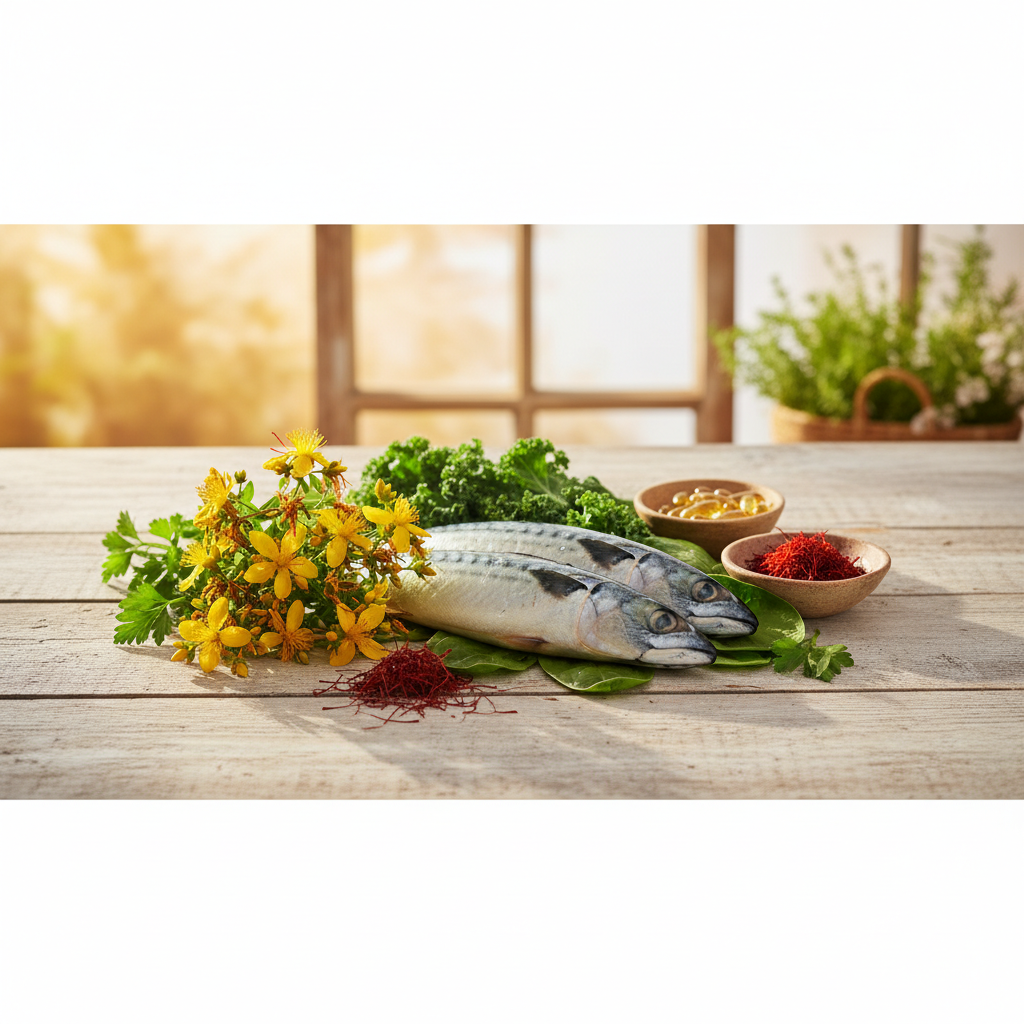
Natural antidepressant supplements are non-prescription substances often derived from plants, amino acids, or other natural compounds, studied for their potential to support mood and emotional well-being. They are often explored by individuals seeking complementary approaches to mental health, particularly for mild to moderate mood concerns. However, it's crucial to approach these supplements with an understanding of their mechanisms, evidence base, and potential interactions with other medications.
Understanding Natural Antidepressant Supplements
The term "natural antidepressant supplements" refers to a broad category of non-pharmaceutical products that are marketed or studied for their potential to influence mood, reduce symptoms of anxiety, or support overall mental health. Unlike prescription antidepressants, these supplements are not regulated as drugs by agencies like the FDA in the United States, meaning their purity, potency, and efficacy can vary significantly between products and brands. People often turn to these options for various reasons, including a desire for fewer side effects, a preference for natural remedies, or as an adjunct to conventional treatments.
It is vital to understand that while some natural compounds show promise in research, they are not intended to diagnose, treat, cure, or prevent any disease. Clinical depression is a serious medical condition that requires professional diagnosis and treatment. Natural supplements should never replace prescribed medications or professional psychological support without explicit guidance from a qualified healthcare provider.
Key Natural Antidepressant Supplements and Their Mechanisms
A variety of natural compounds have been investigated for their potential mood-supporting properties. Here, we delve into some of the most commonly discussed natural antidepressant supplements and their proposed mechanisms of action.
St. John's Wort (Hypericum perforatum)
St. John's Wort is perhaps the most well-known herbal supplement studied for mood support. Its mechanism of action is thought to involve the inhibition of reuptake of several neurotransmitters, including serotonin, dopamine, and norepinephrine, similar to some conventional antidepressants. It may also influence other neurotransmitter systems and reduce inflammatory markers. Evidence suggests it may be effective for mild to moderate depressive symptoms, with some studies indicating comparable efficacy to certain prescription antidepressants for these conditions.
S-Adenosyl-L-Methionine (SAM-e)
SAM-e is a naturally occurring compound in the body involved in numerous biochemical reactions, including the synthesis of neurotransmitters like serotonin, dopamine, and norepinephrine. It acts as a methyl donor, a crucial process for cell function and neurotransmitter production. Research suggests SAM-e may support mood by enhancing these methylation processes, potentially leading to increased availability of mood-regulating neurotransmitters. It has been studied as an adjunctive therapy for depression.
5-Hydroxytryptophan (5-HTP)
5-HTP is a precursor to serotonin, a neurotransmitter strongly associated with mood regulation. When consumed, 5-HTP is converted into serotonin in the brain. The theory is that by increasing the availability of 5-HTP, the body can produce more serotonin, thereby supporting mood. Preliminary studies have explored its use for depressive symptoms, though more robust research is needed. It's important to note that increasing serotonin levels too much can be dangerous.
Omega-3 Fatty Acids
Omega-3 fatty acids, particularly eicosapentaenoic acid (EPA) and docosahexaenoic acid (DHA), are essential fats known for their roles in brain health. They are crucial components of cell membranes and are involved in anti-inflammatory processes and neurotransmitter function. Research suggests that a higher intake of EPA, in particular, may be associated with improved mood and could serve as an adjunctive therapy for depression. You can learn more about these vital fats at dietarysupplement.ai/ingredients/omega-3-fatty-acids.
Rhodiola Rosea
Rhodiola rosea is an adaptogenic herb, meaning it helps the body adapt to stress. Its proposed mechanisms include influencing neurotransmitter levels (serotonin, norepinephrine, dopamine) and reducing the body's stress response. Studies suggest it may help reduce symptoms of stress, fatigue, and mild depressive symptoms, particularly those related to burnout or seasonal affective disorder.
Saffron (Crocus sativus)
Saffron, a spice derived from the Crocus sativus flower, has gained attention for its potential mood-enhancing properties. Its active compounds, such as crocin and safranal, are thought to influence serotonin pathways, act as antioxidants, and possess anti-inflammatory effects. Small clinical trials suggest saffron extracts may be beneficial for mild to moderate depressive symptoms, with a good safety profile.
Magnesium
Magnesium is an essential mineral involved in over 300 biochemical reactions in the body, including nerve function and neurotransmitter regulation. It plays a role in the stress response and may act as an NMDA receptor antagonist, which can have calming effects. Magnesium deficiency has been linked to an increased risk of depression and anxiety, and supplementation may help improve mood, especially in deficient individuals. Explore more about this mineral at dietarysupplement.ai/ingredients/magnesium.
B Vitamins (Folate, B6, B12)
B vitamins, particularly folate (B9), vitamin B6, and vitamin B12, are crucial for neurological function and the synthesis of neurotransmitters. Deficiencies in these vitamins, especially folate and B12, have been associated with depressive symptoms, as they are involved in the methylation cycle and homocysteine metabolism. Supplementation may support mood, particularly in individuals with documented deficiencies.
Evidence and Efficacy: What the Research Says
The scientific evidence supporting natural antidepressant supplements varies significantly. While some compounds have a relatively robust body of research, others are supported by preliminary findings or small-scale trials.
- St. John's Wort: This herb has the most extensive research base among natural options. Numerous studies and meta-analyses suggest it can be as effective as some conventional antidepressants for mild to moderate depression. However, its effectiveness for severe depression is not established.
- SAM-e: Research indicates SAM-e may be effective for depression, particularly as an adjunctive therapy when conventional treatments are insufficient. Some studies suggest it can improve mood symptoms.
- Omega-3 Fatty Acids: Evidence supports the role of omega-3s, especially EPA, as an adjunctive treatment for depression. They appear to be most beneficial when used alongside standard therapies, rather than as a standalone treatment for clinical depression.
- Saffron: Several small, randomized controlled trials have shown saffron extracts to be effective in reducing symptoms of mild to moderate depression, with efficacy comparable to some prescription medications in these specific contexts.
- Rhodiola Rosea: Studies suggest Rhodiola can reduce symptoms of stress, fatigue, and mild to moderate depressive symptoms, particularly those related to chronic stress or burnout. The evidence is promising but often from smaller trials.
- 5-HTP: While logically appealing due to its role as a serotonin precursor, the evidence for 5-HTP's efficacy in depression is less robust than for St. John's Wort or SAM-e. Most studies are small or older, and more large-scale, high-quality research is needed.
- Magnesium and B Vitamins: For these nutrients, the strongest evidence lies in correcting deficiencies. If a person with depressive symptoms is deficient in magnesium, folate, or B12, supplementation can be highly beneficial. Their role in non-deficient individuals as a primary antidepressant is less clear, though they are crucial for overall brain health.
It is important to reiterate that these supplements are generally studied for mild to moderate symptoms or as complementary therapies. They are not a substitute for prescription medication or professional treatment for severe or clinical depression.
Dosing and Administration Guidelines
Appropriate dosing for natural antidepressant supplements can vary widely based on the specific compound, the extract's standardization, and individual factors. Always follow product label instructions and consult a healthcare professional for personalized advice.
- St. John's Wort: Typically, standardized extracts containing 0.3% hypericin are dosed at 300 mg three times daily, or 900 mg once daily.
- SAM-e: Doses range from 400 mg to 1600 mg daily, often divided into two doses. It's usually recommended to start at a lower dose and gradually increase.
- 5-HTP: Common doses range from 50 mg to 300 mg daily, often taken with food to minimize gastrointestinal upset.
- Omega-3 Fatty Acids: For mood support, studies often use doses providing 1-2 grams of EPA (eicosapentaenoic acid) per day, sometimes with a higher EPA to DHA ratio.
- Rhodiola Rosea: Standardized extracts (containing 2-3% rosavins and 1-2% salidroside) are typically dosed at 200-600 mg per day.
- Saffron: Extracts standardized to safranal and crocin are often dosed at 30 mg per day, sometimes divided into two doses.
- Magnesium: Doses typically range from 200-400 mg of elemental magnesium daily, often taken in forms like magnesium glycinate or citrate for better absorption and fewer laxative effects.
- B Vitamins: Doses vary, but for mood support, often higher than the RDA, especially for active forms of folate (L-methylfolate, 400-800 mcg) and B12 (methylcobalamin, 1000 mcg).
Consistency is key when taking these supplements, as their effects are typically not immediate and may take several weeks to become noticeable.
Safety, Side Effects, and Drug Interactions
Despite being