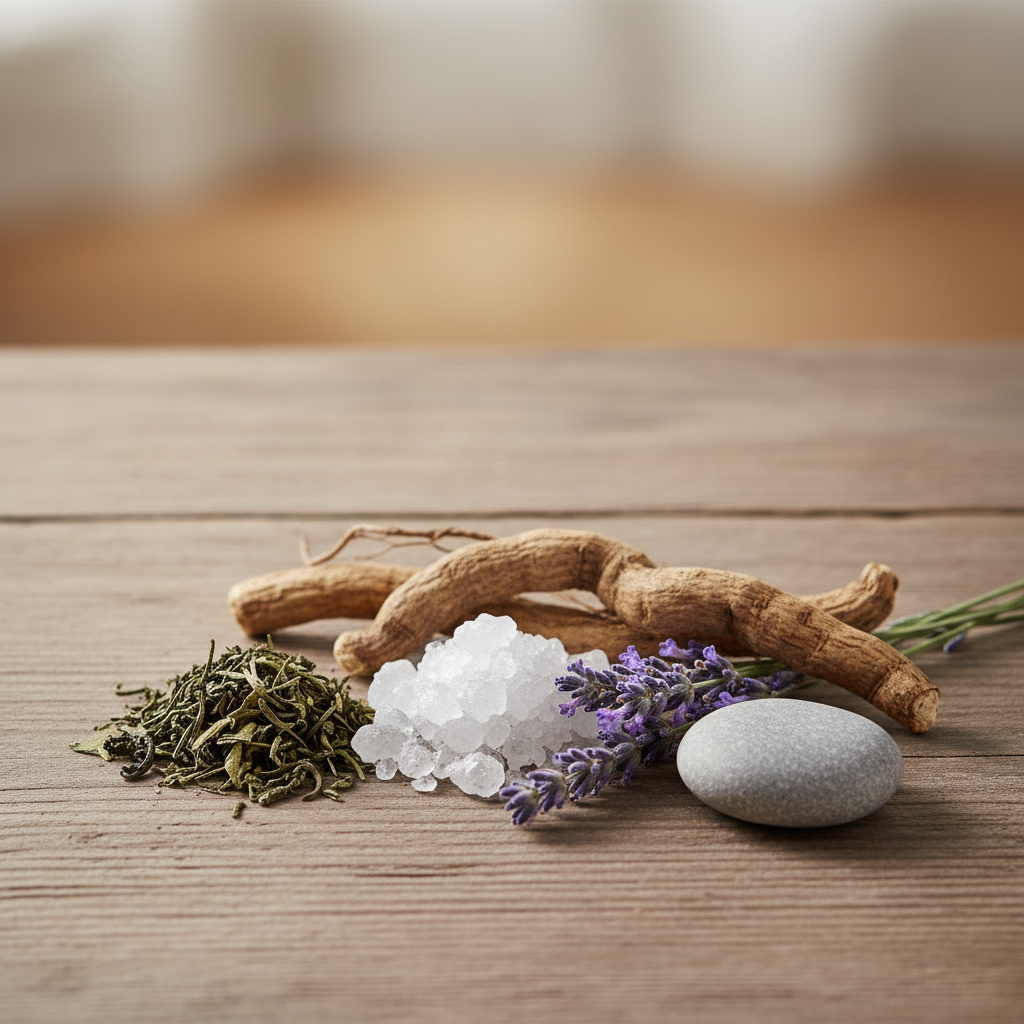
Natural anxiety supplements are gaining attention as complementary options for individuals seeking to manage mild to moderate stress and anxiety symptoms. These products, derived from various botanical sources, amino acids, and minerals, are believed to work through different mechanisms to promote relaxation, improve mood, and support the body's natural stress response. While they are not intended to replace conventional medical treatments for diagnosed anxiety disorders, many people find them helpful in conjunction with lifestyle changes and professional guidance. Understanding the science behind these supplements, their potential benefits, and important safety considerations is crucial for making informed choices.
Understanding Natural Anxiety Supplements
Natural anxiety supplements encompass a broad category of non-prescription products designed to support mental well-being and alleviate symptoms of stress and anxiety. Unlike pharmaceutical anxiolytics, which often target specific neurotransmitter systems with potent effects, natural supplements typically offer a gentler, more holistic approach. They are often used by individuals experiencing situational stress, mild generalized anxiety, or those looking for ways to enhance their resilience to daily pressures. These supplements are not regulated as strictly as drugs, making it essential for consumers to be discerning about product quality and scientific backing. Their role is generally seen as complementary, working best when integrated into a comprehensive wellness strategy that includes diet, exercise, mindfulness, and adequate sleep.
Key Categories and Their Mechanisms
Natural anxiety supplements operate through diverse mechanisms, often interacting with neurotransmitters, hormones, or the body's stress response systems. Understanding these categories can help in choosing the most appropriate supplement.
Adaptogens: Rhodiola, Ashwagandha
Adaptogens are a unique class of herbs that help the body adapt to physical, chemical, and biological stress by normalizing physiological functions. Ashwagandha (Withania somnifera), a popular Ayurvedic herb, is believed to modulate the hypothalamic-pituitary-adrenal (HPA) axis, which is central to the stress response. Studies suggest it can reduce cortisol levels and improve self-reported stress and anxiety. Rhodiola rosea is another adaptogen often used to combat fatigue and improve mental performance under stress, potentially by influencing neurotransmitters like serotonin and dopamine.
Amino Acids: L-Theanine, 5-HTP
Amino acids play vital roles in brain function. L-Theanine, found primarily in green tea, is known for its ability to cross the blood-brain barrier and promote alpha brain wave activity, inducing a state of relaxed alertness without sedation. It may also influence neurotransmitters like GABA, dopamine, and serotonin. 5-HTP (5-hydroxytryptophan) is a precursor to serotonin, a neurotransmitter associated with mood regulation. Supplementing with 5-HTP aims to increase serotonin levels, potentially improving mood and reducing anxiety, though caution is advised due to potential interactions.
Minerals: Magnesium
Magnesium is an essential mineral involved in over 300 enzymatic reactions, including those critical for nerve function, muscle relaxation, and energy production. A deficiency in magnesium has been linked to increased anxiety and stress. Magnesium is thought to regulate neurotransmitters, including GABA, and may help calm the nervous system. Different forms, such as magnesium glycinate, are often favored for their bioavailability and gentler effect on the digestive system, making them suitable for those seeking anxiety support.
Herbal Extracts: Valerian, Chamomile, Kava
Various herbal extracts have been traditionally used for their calming properties. Valerian root is commonly used for sleep and anxiety, with its compounds believed to enhance GABA activity in the brain. Chamomile, particularly its active compound apigenin, may bind to benzodiazepine receptors, contributing to its mild sedative and anxiolytic effects. Kava (Piper methysticum) has robust evidence for anxiety reduction, primarily through its kavalactones which modulate GABA-A receptors. However, Kava use requires significant caution due to potential liver toxicity, making it less commonly recommended for general anxiety support without strict medical supervision.
Evidence and Efficacy: What the Science Says
The scientific evidence supporting natural anxiety supplements varies widely. Some compounds have a stronger research base than others, while many require more robust human trials.
- L-Theanine: Several studies suggest L-theanine can reduce acute stress and anxiety, improve focus, and promote relaxation. Its effects are often noticeable within an hour.
- Ashwagandha: Multiple clinical trials have shown Ashwagandha to be effective in reducing stress and anxiety symptoms, often with significant improvements observed after several weeks of consistent use.
- Magnesium: While robust evidence for magnesium as a primary anxiety treatment is still developing, studies suggest it can be beneficial, especially in individuals with a magnesium deficiency or those experiencing mild anxiety.
- Rhodiola Rosea: Preliminary research indicates Rhodiola may help reduce symptoms of stress-induced fatigue and improve mood in individuals with mild to moderate anxiety.
- Valerian Root: Evidence for Valerian's efficacy in anxiety is mixed, with some studies showing modest benefits for sleep-related anxiety, while others find no significant effect.
- Chamomile: Some small trials suggest chamomile may have mild anxiolytic effects, particularly for generalized anxiety disorder, but more extensive research is needed.
- Kava: Kava has demonstrated efficacy in reducing anxiety in several clinical trials, but concerns regarding liver toxicity mean it is generally not recommended without strict medical guidance and monitoring.
It is important to remember that these supplements are not cures for anxiety disorders. They may offer support for managing symptoms, but individual responses can vary greatly, and evidence is often preliminary or based on small trials.
Dosing and Administration Guidelines
Dosing for natural anxiety supplements can vary significantly based on the specific ingredient, its concentration, and individual factors. Always follow the manufacturer's recommendations or, ideally, the advice of a healthcare professional. Here are general guidelines for some common supplements:
- L-Theanine: Typically 100-200 mg, taken as needed for acute stress or daily. Some individuals may benefit from higher doses up to 400 mg.
- Ashwagandha: Standardized extracts (e.g., KSM-66) are often dosed at 300-600 mg daily, usually split into two doses. Effects are cumulative over several weeks.
- Magnesium: For anxiety, magnesium glycinate or taurate are often recommended, typically 200-400 mg elemental magnesium daily. Start with a lower dose to assess tolerance.
- Rhodiola Rosea: Standardized extracts (3% rosavins, 1% salidrosides) are often dosed at 200-600 mg per day, taken in the morning or early afternoon to avoid sleep disruption.
- Valerian Root: Doses range from 300-600 mg, often taken 30 minutes to 2 hours before bedtime for sleep-related anxiety.
- Chamomile: Often consumed as a tea (several cups daily) or as an extract (200-500 mg, 1-3 times daily).
It's generally advisable to start with the lowest effective dose and gradually increase if needed, while monitoring for any side effects. Consistency is key for many adaptogenic and herbal supplements.
Safety, Side Effects, and Interactions
While natural, these supplements are not without potential side effects or interactions. It is paramount to discuss any supplement regimen with a healthcare provider, especially if you are pregnant, nursing, have pre-existing medical conditions, or are taking prescription medications.
- General Side Effects: Common mild side effects can include gastrointestinal upset (nausea, diarrhea), drowsiness, or headaches.
- L-Theanine: Generally well-tolerated with few reported side effects.
- Ashwagandha: May cause mild drowsiness or stomach upset in some individuals. Rare reports of liver issues, but generally considered safe for most.
- Magnesium: High doses can cause diarrhea. May interact with certain antibiotics, diuretics, and heart medications.
- Rhodiola Rosea: Can cause dizziness, dry mouth, or insomnia if taken too late in the day.
- Valerian Root: May cause drowsiness, dizziness, or vivid dreams. Can potentiate the effects of sedatives, alcohol, and other CNS depressants.
- 5-HTP: Can cause nausea, diarrhea, and drowsiness. There is a risk of serotonin syndrome if combined with antidepressant medications (SSRIs, MAOIs), which can be a serious condition.
- Kava: The most significant concern is potential liver toxicity, particularly with long-term use or high doses, and when combined with alcohol or other liver-damaging substances. Due to these risks, its use should be under strict medical supervision.
Always disclose all supplements you are taking to your doctor to prevent adverse interactions. For more detailed information on specific ingredients, you can explore our ingredients database.
When to Consider Natural Supplements and When to Seek Professional Help
Natural anxiety supplements can be a valuable tool for managing mild to moderate, situational anxiety or stress. They may be considered by individuals looking for complementary approaches to support their mental well-being alongside lifestyle modifications like regular exercise, a balanced diet, and mindfulness practices. They can also be helpful during periods of increased stress, such as major life changes or demanding work projects.
However, it is crucial to recognize the limitations of natural supplements. They are not a substitute for professional medical or psychological treatment for diagnosed anxiety disorders, panic attacks, or severe, debilitating anxiety. If your anxiety is persistent, interferes with your daily life, causes significant distress, or is accompanied by symptoms like panic attacks, suicidal thoughts, or severe depression, it is imperative to seek immediate professional help from a doctor, psychiatrist, or therapist. A healthcare professional can provide an accurate diagnosis, recommend appropriate treatment plans (which may include therapy, medication, or a combination), and guide you on the safe and effective use of any complementary therapies. Understanding the nuances of mental health support is vital, and you can find more resources in our mental wellness articles.
Choosing Quality and Practical Buying Notes
Given the varied quality in the supplement market, choosing reputable products is essential. Look for brands that prioritize transparency and third-party testing. Certifications from organizations like USP (United States Pharmacopeia), NSF International, or ConsumerLab indicate that a product has been tested for purity, potency, and absence of contaminants. Opt for supplements with standardized extracts, especially for herbs like Ashwagandha (e.g., KSM-66, Sensoril) or Rhodiola, as this ensures a consistent amount of active compounds in each dose. Read labels carefully for ingredients, dosages, and any warnings. Consider the form of the supplement (capsules, tinctures, powders) and choose what best fits your lifestyle and preferences. Finally, remember that individual responses to supplements can differ, so what works for one person may not work for another. Be patient, observe your body's response, and adjust your regimen as needed under professional guidance.