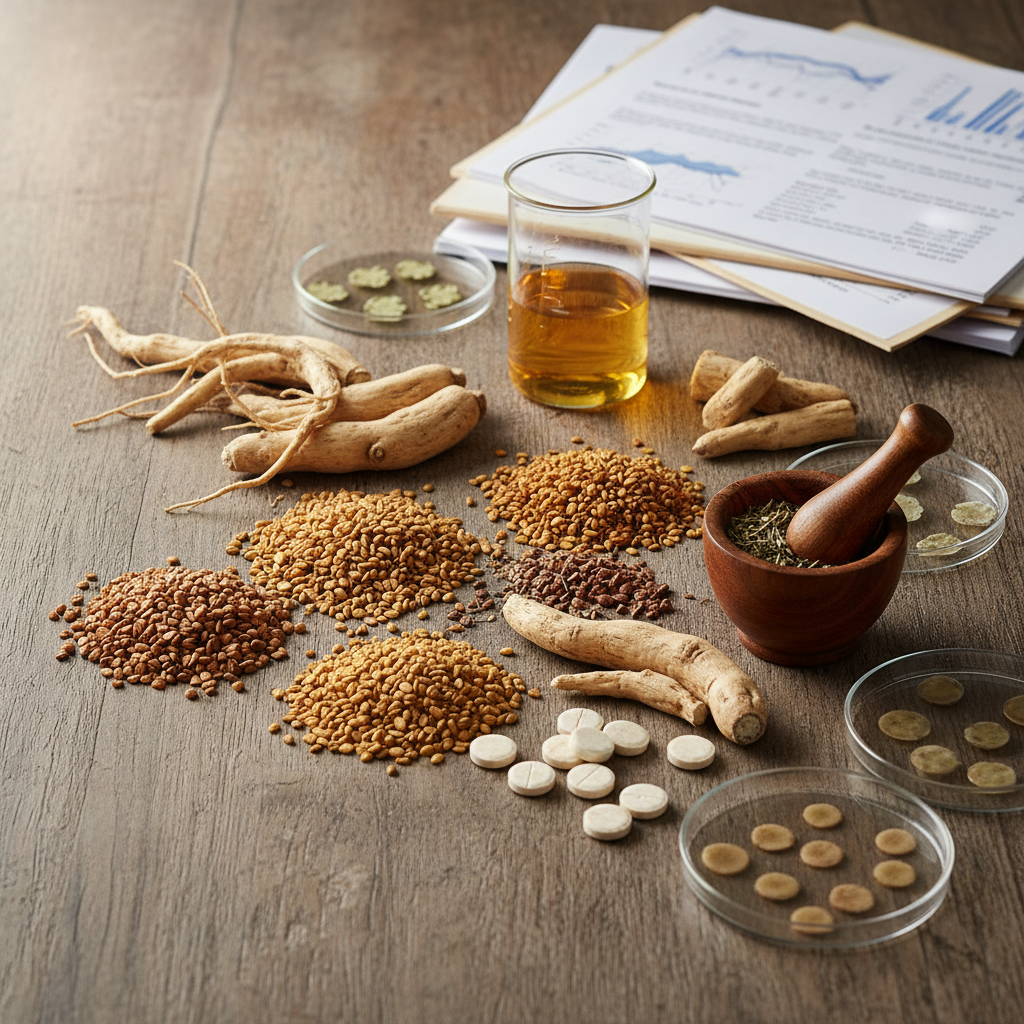
For many men, the idea of naturally boosting testosterone levels is appealing, promising benefits ranging from improved energy and libido to enhanced muscle mass and mood. Natural testosterone boosters are a category of dietary supplements containing various herbs, vitamins, and minerals purported to increase the body's natural production of testosterone. However, the scientific evidence supporting these claims varies significantly among ingredients. This article provides an evidence-based review, sifting through the research to clarify which ingredients have promising natural testosterone boosters evidence and which largely fall short.
Understanding Testosterone and Its Decline
Testosterone is the primary male sex hormone, playing a crucial role in the development of male reproductive tissues, as well as promoting secondary sexual characteristics like increased muscle and bone mass, and the growth of body hair. It also influences mood, energy levels, libido, and cognitive function. Testosterone levels naturally peak in early adulthood and gradually decline with age, typically by about 1% per year after age 30. This age-related decline, often referred to as andropause or late-onset hypogonadism, can lead to symptoms such as decreased libido, fatigue, reduced muscle mass, increased body fat, and mood disturbances.
While a natural decline is normal, various factors can accelerate or exacerbate low testosterone, including obesity, chronic stress, poor sleep, certain medical conditions (like type 2 diabetes), and some medications. Before considering any supplements, it's important to understand the underlying causes of low testosterone and to consult with a healthcare professional to rule out medical conditions that require specific treatment.
What Are Natural Testosterone Boosters?
Natural testosterone boosters are dietary supplements designed to support the body's endogenous testosterone production. Unlike synthetic testosterone replacement therapy, which introduces exogenous hormones, these supplements aim to stimulate the body's own hormonal pathways. They typically contain a blend of ingredients, including vitamins (like Vitamin D), minerals (like Zinc and Magnesium), and herbal extracts (like Fenugreek, Ashwagandha, and Longjack). The proposed mechanisms of action vary widely, from reducing cortisol (a stress hormone that can suppress testosterone) to directly influencing steroidogenesis or inhibiting enzymes that convert testosterone into other hormones.
The appeal of these boosters lies in their promise to restore youthful vigor and alleviate symptoms associated with low testosterone without the potential side effects or regulatory complexities of prescription hormone therapy. However, the effectiveness of these supplements is highly dependent on the specific ingredients, their dosages, and the individual's baseline testosterone levels and overall health status.
Key Ingredients and Their Evidence
D-Aspartic Acid (DAA)
D-Aspartic Acid is an amino acid that plays a role in the synthesis and release of luteinizing hormone (LH) and testosterone in animals. Early research in humans showed some promise, with one study reporting a significant increase in testosterone levels in infertile men. However, subsequent studies in resistance-trained men with normal testosterone levels have largely failed to replicate these results, with some even showing no effect or a decrease in free testosterone. The evidence for DAA as a reliable testosterone booster in healthy, active men is currently mixed and not robust.
Fenugreek (Trigonella foenum-graecum)
Fenugreek is an herb commonly used in cooking and traditional medicine. Its seeds contain compounds called furostanolic saponins, which are thought to influence testosterone production. Several human studies have investigated fenugreek's effects on testosterone, libido, and strength. Some research suggests that fenugreek supplementation may lead to modest increases in free and total testosterone, particularly when combined with resistance training, and may also improve libido and sexual function. However, the magnitude of these increases is often small, and more large-scale, long-term studies are needed to confirm its efficacy.
Ashwagandha (Withania somnifera)
Ashwagandha is an adaptogenic herb widely used in Ayurvedic medicine. It is primarily known for its ability to reduce stress and anxiety by lowering cortisol levels. Since high cortisol can suppress testosterone, ashwagandha's stress-reducing effects may indirectly support healthy testosterone levels. Some studies have also shown more direct effects, with research indicating that ashwagandha supplementation can lead to modest increases in testosterone, particularly in men undergoing resistance training or experiencing stress-related infertility. Its primary benefit may be in optimizing the hormonal environment rather than directly boosting testosterone to supraphysiological levels.
Zinc
Zinc is an essential mineral involved in numerous bodily functions, including immune function, protein synthesis, and hormone production. Zinc deficiency is known to be associated with low testosterone levels. Supplementation with zinc has been shown to increase testosterone in men who are deficient in the mineral. However, in men with adequate zinc status, supplementation does not appear to significantly increase testosterone. Therefore, zinc acts more as a corrective measure for deficiency rather than a direct booster for those with sufficient levels. You can learn more about zinc and its roles in the body.
Vitamin D
Often referred to as the 'sunshine vitamin,' Vitamin D actually functions as a steroid hormone in the body. Receptors for Vitamin D are found in testicular cells, suggesting a role in testosterone production. Like zinc, Vitamin D deficiency is common and has been linked to lower testosterone levels. Supplementation with Vitamin D has been shown to increase total testosterone levels in men who are deficient. For individuals with sufficient Vitamin D levels, the impact of additional supplementation on testosterone is less clear. Regular sun exposure or supplementation may be beneficial for those with insufficient levels.
Boron
Boron is a trace mineral that has been studied for its potential effects on hormone metabolism. Preliminary research suggests that boron supplementation may increase free testosterone and decrease estrogen levels, possibly by reducing the activity of sex hormone-binding globulin (SHBG), which binds to testosterone and makes it unavailable. However, the evidence is still limited, and more robust human trials are needed to confirm these effects and establish optimal dosing.
Tribulus Terrestris
Tribulus Terrestris is a plant widely marketed as a testosterone booster and libido enhancer. While some animal studies have shown positive effects on testosterone, human clinical trials have largely failed to demonstrate a significant increase in testosterone levels in healthy men. Its primary effect appears to be on libido and sexual function rather than directly boosting testosterone. Therefore, the natural testosterone boosters evidence for Tribulus is weak regarding direct hormonal effects.
Eurycoma Longifolia (Longjack / Tongkat Ali)
Eurycoma Longifolia, also known as Longjack or Tongkat Ali, is a Malaysian herb traditionally used as an aphrodisiac and adaptogen. Some studies suggest that supplementation with Longjack may reduce cortisol levels, improve mood, and lead to modest increases in testosterone, particularly in stressed individuals or older men with lower baseline levels. The proposed mechanisms include reducing the conversion of testosterone to estrogen and improving the body's stress response. While promising, more extensive research is needed to fully understand its efficacy and optimal use.
Lifestyle Factors: The Foundation of Healthy Testosterone
Before turning to supplements, it's crucial to recognize that lifestyle factors form the bedrock of healthy testosterone production. These foundational elements often have a more significant and sustained impact than any single supplement. Regular physical activity, particularly strength training and high-intensity interval training, has been consistently linked to higher testosterone levels. A balanced diet rich in whole foods, healthy fats, and adequate protein, while limiting processed foods and excessive sugar, is also vital. Chronic stress, which elevates cortisol, can suppress testosterone; therefore, stress management techniques like meditation, yoga, or spending time in nature are beneficial. Finally, sufficient, high-quality sleep (7-9 hours per night) is paramount, as a significant portion of testosterone production occurs during sleep. Addressing these lifestyle areas can often yield more profound and lasting improvements in testosterone levels than relying solely on supplements.
Safety, Side Effects, and Interactions
While natural testosterone boosters are often perceived as safer than pharmaceutical options, they are not without potential risks. The safety profile varies greatly depending on the specific ingredients, their dosages, and the individual's health status. For example, excessive intake of certain vitamins and minerals like zinc can lead to toxicity, causing symptoms such as nausea, vomiting, and impaired immune function. Herbal ingredients can also have side effects; for instance, fenugreek may cause digestive upset or have a maple syrup odor in urine, while high doses of ashwagandha can lead to drowsiness or stomach upset.
Furthermore, natural testosterone boosters can interact with prescription medications. For example, some herbs may affect blood clotting (interacting with anticoagulants), blood sugar levels (interacting with diabetes medications), or blood pressure. Individuals with pre-existing medical conditions, such as prostate issues, heart disease, or hormone-sensitive cancers, should exercise extreme caution and always consult a healthcare professional before taking any testosterone-boosting supplement. The lack of stringent regulation for dietary supplements means product quality and purity can vary, making it difficult to ascertain the true contents and potential contaminants. For general guidance on supplement safety, you can refer to our supplement safety guide.
When to Consider Natural Boosters and When to Talk to a Clinician
Natural testosterone boosters might be considered by men experiencing mild, age-related declines in testosterone or those looking to optimize their hormonal health through natural means, provided they have already addressed foundational lifestyle factors. They are generally not a substitute for medical treatment in cases of clinically diagnosed hypogonadism, where testosterone levels are significantly low due to underlying medical conditions. In such cases, prescription testosterone replacement therapy may be necessary and should be managed by a doctor.
It is crucial to consult a clinician before starting any natural testosterone booster, especially if you have symptoms of low testosterone, as these could indicate a more serious underlying health issue. A doctor can perform blood tests to accurately measure testosterone levels and identify any deficiencies or medical conditions. They can also provide personalized advice, discuss potential interactions with medications you are taking, and monitor your health to ensure the supplements are safe and appropriate for your individual needs. Self-diagnosing and self-treating low testosterone can be risky and may delay proper medical care.
Navigating the Supplement Market: What to Look For
The market for natural testosterone boosters is saturated with numerous products, many of which make exaggerated claims. When evaluating supplements, prioritize those that are transparent about their ingredients and dosages. Avoid proprietary blends, as these often hide the actual amounts of each ingredient, making it impossible to assess efficacy or safety. Look for products that have undergone third-party testing for purity and potency, indicated by certifications from organizations like NSF International, USP, or ConsumerLab. These certifications provide an extra layer of assurance regarding product quality and that the supplement contains what its label claims.
Research individual ingredients and their scientific backing, focusing on human clinical trials rather than anecdotal evidence or animal studies. Be wary of products promising rapid, dramatic results, as natural approaches typically yield more modest and gradual changes. Always consider the cost-benefit ratio and remember that a healthy lifestyle remains the most powerful and evidence-backed strategy for maintaining optimal testosterone levels.