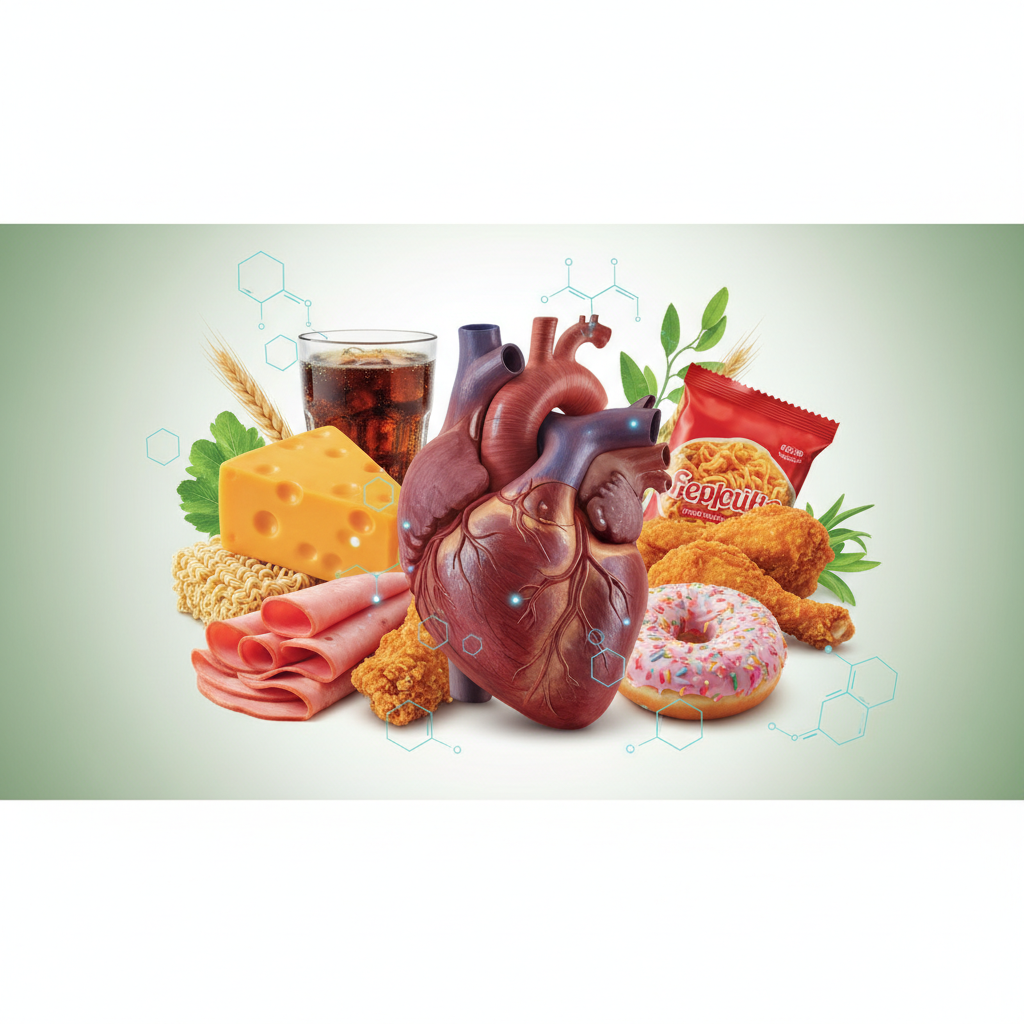
The increasing presence of phosphate additives in processed foods has raised significant concerns regarding their potential impact on cardiovascular health. While phosphate is an essential mineral vital for numerous bodily functions, the form and quantity consumed through modern diets, particularly from inorganic additives, appear to play a crucial role in its effects. Research suggests that excessive intake of these additives, especially in susceptible individuals, may contribute to adverse cardiovascular outcomes, including vascular calcification, endothelial dysfunction, and increased risk of heart disease.
What Are Phosphate Additives and Why Are They Used?
Phosphate additives are inorganic forms of the mineral phosphorus, intentionally added to a wide array of processed foods. Unlike the organic phosphates naturally present in whole foods like nuts, seeds, legumes, and whole grains, these additives are not bound to proteins or other organic molecules. Their primary purpose in food manufacturing is multifaceted: they act as emulsifiers, leavening agents, preservatives, flavor enhancers, and texture stabilizers. Common examples found on ingredient labels include sodium phosphate, calcium phosphate, phosphoric acid, disodium phosphate, and monocalcium phosphate.
These additives are prevalent in many convenience foods that are staples of the Western diet. You can find them in processed meats (like deli meats, sausages, and chicken nuggets), certain cheeses and dairy products, baked goods, sodas and other soft drinks, instant puddings, and fast food items. Their widespread use means that individuals consuming a diet rich in processed foods are likely to have a significantly higher intake of inorganic phosphate compared to those who primarily eat whole, unprocessed foods.
The Mechanism: How Phosphate Additives May Affect Cardiovascular Health
The primary concern with phosphate additives stems from their high bioavailability. While organic phosphates from natural sources are only partially absorbed (typically 20-60%), inorganic phosphate additives are almost completely absorbed by the gut (up to 90%), leading to a rapid and significant increase in blood phosphate levels, a condition known as hyperphosphatemia. This elevation, even within the 'normal' range, can initiate a cascade of events detrimental to cardiovascular health.
One of the most well-studied mechanisms is vascular calcification. Elevated serum phosphate directly promotes the mineralization of blood vessels, transforming vascular smooth muscle cells into osteoblast-like cells that deposit calcium and phosphate crystals within the arterial walls. This hardening of the arteries reduces their elasticity, increases blood pressure, and makes them more susceptible to plaque formation, significantly raising the risk of heart attack and stroke.
Furthermore, high phosphate levels can contribute to endothelial dysfunction. The endothelium, the inner lining of blood vessels, plays a critical role in regulating vascular tone, blood clotting, and inflammation. Phosphate overload can impair the endothelium's ability to produce nitric oxide, a crucial vasodilator, leading to constricted blood vessels and reduced blood flow. It can also promote oxidative stress and inflammation within the vascular system, further damaging arterial health.
The body's intricate system for regulating phosphate involves hormones like parathyroid hormone (PTH) and fibroblast growth factor 23 (FGF23). Chronic high phosphate intake can stimulate the production of FGF23, which helps the kidneys excrete phosphate but also has direct adverse effects on the heart, including promoting left ventricular hypertrophy (enlargement of the heart's main pumping chamber). Elevated FGF23 levels are independently associated with increased cardiovascular mortality, particularly in individuals with chronic kidney disease.
Dietary Sources and Absorption Differences
Understanding the distinction between natural and additive sources of phosphate is crucial for managing dietary intake. Natural sources of phosphorus, such as those found in whole grains, legumes, nuts, seeds, lean meats, and dairy products, are predominantly in organic forms. In these foods, phosphorus is often bound to proteins or phytate, which limits its absorption in the digestive tract. This means that even foods naturally rich in phosphorus contribute less to the immediate serum phosphate load compared to foods with inorganic additives.
Conversely, processed foods are the primary contributors of inorganic phosphate additives. These include:
- Processed Meats: Deli meats, hot dogs, sausages, bacon, and pre-marinated poultry often contain phosphates to retain moisture and enhance texture.
- Dairy Products: Some processed cheeses, cheese spreads, and certain yogurts use phosphates as emulsifiers.
- Baked Goods: Many commercial breads, cakes, and pastries use phosphate-based leavening agents.
- Soft Drinks: Colas and other dark sodas frequently contain phosphoric acid for tartness and preservation.
- Fast Food: A wide range of fast food items, from fried chicken to burgers, can contain phosphate additives.
Current Evidence Linking Phosphate Additives to Cardiovascular Risk
The evidence linking phosphate additives to cardiovascular risk is growing, though it spans various types of studies. Epidemiological studies have consistently shown associations between higher dietary phosphate intake, particularly from processed foods, and an increased risk of cardiovascular events, mortality, and progression of chronic kidney disease. These observational studies suggest a correlation, but cannot definitively prove causation.
Animal studies have provided stronger mechanistic insights, demonstrating that diets high in inorganic phosphate can directly induce vascular calcification, cardiac hypertrophy, and kidney damage. These findings support the biological plausibility of the observed associations in humans.
Human intervention trials specifically targeting phosphate additives are more limited but some preliminary studies suggest that reducing dietary phosphate intake can improve markers of vascular health. For instance, small trials have shown that restricting phosphate additives can lead to reductions in serum FGF23 levels and improvements in endothelial function in certain populations. However, more robust, large-scale randomized controlled trials are needed to establish definitive causal links and to determine the extent of the risk in the general population.
It is important to note that the risk appears to be particularly pronounced in vulnerable populations, such as individuals with chronic kidney disease (CKD). Their impaired ability to excrete phosphate makes them highly susceptible to hyperphosphatemia and its cardiovascular consequences. However, emerging evidence suggests that even in individuals with normal kidney function, chronically high intake of phosphate additives may pose a long-term risk.
Who Should Be Concerned and Practical Dietary Strategies
While everyone can benefit from being mindful of their phosphate intake, certain groups should be particularly concerned. Individuals with chronic kidney disease (CKD) are at the highest risk due to their compromised ability to excrete excess phosphate. Those with existing cardiovascular conditions, diabetes, or the elderly may also be more susceptible to the adverse effects of high phosphate intake. Furthermore, anyone whose diet heavily relies on processed and fast foods is likely consuming elevated levels of phosphate additives.
Practical strategies for reducing dietary phosphate additive intake include:
- Read Food Labels Carefully: Look for ingredients containing the word “phosphate” or “phosphoric acid.” Common examples include sodium phosphate, calcium phosphate, disodium phosphate, and monocalcium phosphate.
- Prioritize Whole, Unprocessed Foods: Base your diet around fresh fruits, vegetables, whole grains, lean proteins, and unprocessed dairy. These foods contain naturally occurring organic phosphate, which is less readily absorbed.
- Cook at Home: Preparing meals from scratch gives you full control over ingredients and helps avoid hidden additives.
- Limit Processed Meats: Choose fresh, unprocessed cuts of meat over deli meats, sausages, and pre-marinated poultry products.
- Reduce Soft Drink Consumption: Especially dark colas, which often contain phosphoric acid. Opt for water, unsweetened tea, or naturally flavored sparkling water instead.
- Be Wary of Fast Food: Many fast food items are laden with phosphate additives.
By making conscious food choices, individuals can significantly reduce their exposure to inorganic phosphate additives and potentially mitigate their associated cardiovascular risks.
When to Talk to a Clinician
While dietary modifications are a proactive step, it's important to know when to seek professional medical advice. If you have a pre-existing condition such as chronic kidney disease, heart disease, or diabetes, discussing your dietary phosphate intake with your doctor or a registered dietitian is crucial. They can provide personalized guidance, monitor your phosphate levels, and help you develop a safe and effective dietary plan.
Even if you are generally healthy but have concerns about your diet or potential risks, a conversation with a healthcare provider can be beneficial. They can assess your overall health, dietary habits, and provide tailored recommendations based on your individual needs and risk factors. Self-managing severe dietary restrictions without professional guidance can sometimes lead to nutritional deficiencies, so always consult an expert for personalized health advice.