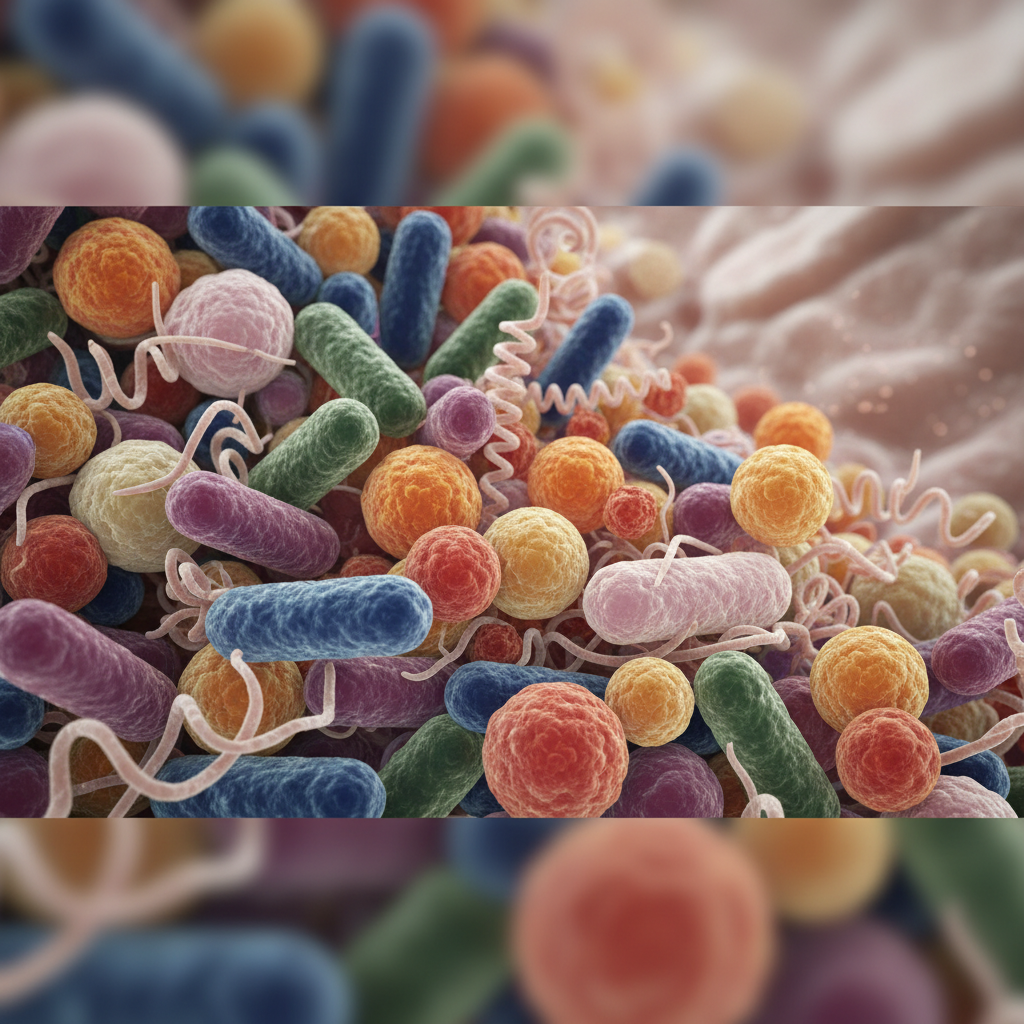
When considering probiotics, it's crucial to understand that not all strains are created equal, and their benefits are often highly condition-specific. The effectiveness of a probiotic depends on the particular strain, its dose, and the individual's health status. This article delves into the science behind specific probiotic strains, outlining which ones have been most studied for various health conditions, from digestive issues to immune support and beyond, to help you make informed choices.
Understanding Probiotics: More Than Just "Good Bacteria"
Probiotics are live microorganisms that, when administered in adequate amounts, confer a health benefit on the host. While the general concept of "good bacteria" is widely understood, the scientific community emphasizes the importance of strain specificity. Just as different breeds of dogs have distinct characteristics and purposes, different probiotic strains, even within the same species, can have unique effects on the human body. For example, while Lactobacillus acidophilus is a well-known species, the specific strain, such as Lactobacillus acidophilus NCFM, will determine its precise actions and the conditions it may support.
The human gut microbiome is a complex ecosystem comprising trillions of microorganisms, including bacteria, viruses, fungi, and archaea. This intricate community plays a pivotal role in digestion, nutrient absorption, immune system development, and even mood regulation. Disruptions to this balance, often termed dysbiosis, are associated with various health issues. Probiotics aim to restore or maintain a healthy microbial balance, but their mechanisms are diverse and often strain-dependent.
How Probiotic Strains Exert Their Effects
The mechanisms by which probiotic strains exert their beneficial effects are multifaceted and continue to be an active area of research. These mechanisms can include:
- Modulation of the Gut Microbiome: Probiotics can compete with harmful bacteria for nutrients and adhesion sites on the gut lining, thereby inhibiting their growth. They can also produce antimicrobial compounds, such as bacteriocins, that directly target pathogens.
- Enhancement of Gut Barrier Function: Many probiotic strains are known to strengthen the intestinal barrier, reducing its permeability (often referred to as "leaky gut"). This is achieved by promoting the production of tight junction proteins, which seal the spaces between intestinal cells, preventing unwanted substances from entering the bloodstream.
- Immune System Interaction: Probiotics can interact with immune cells in the gut-associated lymphoid tissue (GALT), which represents a significant portion of the body's immune system. This interaction can lead to the modulation of immune responses, potentially enhancing beneficial immune functions and reducing inflammatory reactions.
- Production of Beneficial Metabolites: Certain probiotics produce short-chain fatty acids (SCFAs) like butyrate, propionate, and acetate through the fermentation of dietary fibers. SCFAs serve as an energy source for colonocytes, support gut barrier integrity, and have systemic anti-inflammatory effects.
- Neurotransmitter Production: Some strains can influence the production of neurotransmitters like serotonin and GABA, which play roles in mood and stress regulation, highlighting the gut-brain axis connection.
Probiotic Strains by Specific Health Condition
Understanding which specific strains are studied for particular conditions is key to choosing an effective probiotic. Here, we outline some of the most researched strains and their potential applications.
Digestive Health: IBS, Diarrhea, and Constipation
Digestive issues are among the most common reasons people turn to probiotics. The evidence for specific strains varies significantly across different conditions.
- Irritable Bowel Syndrome (IBS): IBS is a chronic condition characterized by abdominal pain, bloating, and altered bowel habits. Several strains have shown promise for managing IBS symptoms. Bifidobacterium longum (BB536) has been studied for its ability to alleviate abdominal discomfort and improve bowel habits. Lactobacillus plantarum (299v) is another strain that has demonstrated efficacy in reducing pain and bloating in some IBS patients. Bifidobacterium infantis (35624) has also been associated with improvements in overall IBS symptoms, particularly in reducing inflammation and normalizing immune responses in the gut.
- Antibiotic-Associated Diarrhea (AAD): Antibiotics, while essential for fighting bacterial infections, can disrupt the gut microbiome, leading to diarrhea. Lactobacillus rhamnosus GG (LGG) is one of the most extensively studied strains for preventing and treating AAD in both children and adults. Saccharomyces boulardii, a beneficial yeast, is also highly effective in preventing AAD and traveler's diarrhea, working by competing with pathogens and supporting gut barrier function.
- Traveler's Diarrhea: This common ailment often results from exposure to new pathogens. Both Saccharomyces boulardii and Lactobacillus rhamnosus GG have demonstrated effectiveness in reducing the incidence and duration of traveler's diarrhea.
- Constipation: For individuals experiencing chronic constipation, certain Bifidobacterium strains may offer relief. Bifidobacterium lactis (DN-173 010) has been shown to accelerate colonic transit and improve stool frequency. Other strains like Lactobacillus reuteri may also contribute to improved bowel regularity, though evidence is more preliminary.
Immune Support
The gut is a major site of immune activity, and probiotics can play a role in modulating immune responses. Some strains are studied for their potential to support general immunity and reduce the incidence of common infections.
- General Immunity and Cold Prevention: Strains such as Lactobacillus plantarum (HEAL9) and Lactobacillus paracasei (8700:2), often used in combination, have been investigated for their ability to reduce the duration and severity of common colds. Lactobacillus rhamnosus GG has also been linked to a reduced risk of respiratory tract infections in children. These strains are thought to work by enhancing the body's natural immune defenses, potentially by increasing the activity of natural killer cells and improving antibody responses.
Vaginal Health
The vaginal microbiome, predominantly composed of Lactobacillus species, plays a crucial role in maintaining vaginal health. Disruptions can lead to conditions like bacterial vaginosis (BV) and yeast infections.
- Bacterial Vaginosis and Yeast Infections: Specific Lactobacillus strains are studied for their ability to restore a healthy vaginal flora. Lactobacillus rhamnosus GR-1 and Lactobacillus reuteri RC-14 are two of the most well-researched strains for promoting vaginal health, helping to prevent and manage recurrent BV and yeast infections by producing lactic acid and other antimicrobial substances.
Mental Well-being (Gut-Brain Axis)
The bidirectional communication between the gut and the brain, known as the gut-brain axis, suggests that gut microbiota can influence mood and cognitive function. This area of research is rapidly expanding.
- Mood and Stress: Certain psychobiotic strains are being investigated for their potential to influence mental well-being. A combination of Lactobacillus helveticus R0052 and Bifidobacterium longum R0175 has been studied for its effects on stress-related gastrointestinal symptoms and mood, with some small trials suggesting a reduction in anxiety and depression scores. The mechanisms may involve influencing neurotransmitter pathways and reducing systemic inflammation.
Skin Health (Eczema)
The gut-skin axis is another emerging area of research, with some probiotic strains showing promise in managing skin conditions.
- Eczema (Atopic Dermatitis): For infants at high risk of developing eczema, supplementation with certain probiotic strains has been explored. Lactobacillus rhamnosus GG (LGG) has been studied for its potential to reduce the incidence and severity of atopic dermatitis in infants when administered prenatally to mothers and postnatally to infants. Lactobacillus fermentum VRI-003 is another strain that has shown some promise in reducing eczema symptoms, although more robust human evidence is needed.
Dosing and Administration Considerations
The efficacy of a probiotic is not only strain-specific but also dose-dependent. Probiotic doses are typically measured in Colony-Forming Units (CFUs), which indicate the number of viable cells. Recommended doses can range from 1 billion to 100 billion CFUs per day, depending on the strain and the condition being targeted. Always refer to the product label and consult with a healthcare professional for appropriate dosing.
Timing of administration can also be important. Some probiotics are best taken with food to buffer stomach acid, while others may be more effective on an empty stomach. The duration of supplementation also varies; some conditions may require short-term use, while others might benefit from long-term daily intake. For more general information on probiotics, including their overall benefits and types, you can explore our dedicated ingredient page.
Product quality is paramount. Look for reputable brands that provide transparency regarding the specific strains, CFUs at the time of manufacture, and proper storage instructions (some strains require refrigeration). Third-party testing for purity and potency can also be a good indicator of quality.
Safety Profile and Potential Interactions
Probiotics are generally considered safe for most healthy individuals. Side effects, if they occur, are usually mild and transient, such as gas, bloating, or mild digestive upset, especially when first starting supplementation. These symptoms often subside as the body adjusts.
However, there are populations for whom probiotics may not be suitable or require caution:
- Immunocompromised Individuals: People with severely weakened immune systems (e.g., those undergoing chemotherapy, organ transplant recipients, or individuals with certain medical conditions) should exercise extreme caution and consult a doctor before taking probiotics, as there is a theoretical risk of infection.
- Individuals with Short Bowel Syndrome: Some studies suggest caution for individuals with short bowel syndrome due to a potential risk of bacterial translocation.
- Critically Ill Patients: Probiotics are generally not recommended for critically ill patients, particularly those with pancreatitis, due to potential adverse outcomes in some studies.
Interactions: Probiotics can interact with antibiotics. Since antibiotics kill bacteria, it's often recommended to take probiotics a few hours apart from antibiotic doses to maximize their survival. For specific guidance on how to support your gut health during and after antibiotic use, you might find our gut health articles helpful.
When to Consult a Clinician
While probiotics are widely available over-the-counter, it's always wise to consult a healthcare professional before starting any new supplement, especially if:
- You have a pre-existing medical condition, particularly an immune disorder or a severe gastrointestinal disease.
- You are pregnant or breastfeeding.
- You are taking any medications, especially immunosuppressants or antibiotics.
- You experience severe or persistent side effects from probiotic supplementation.
- Your symptoms do not improve or worsen after starting a probiotic regimen.
A clinician can help determine if probiotics are appropriate for your specific situation, recommend the most suitable strains and dosages, and rule out any underlying medical conditions that may require different treatment.