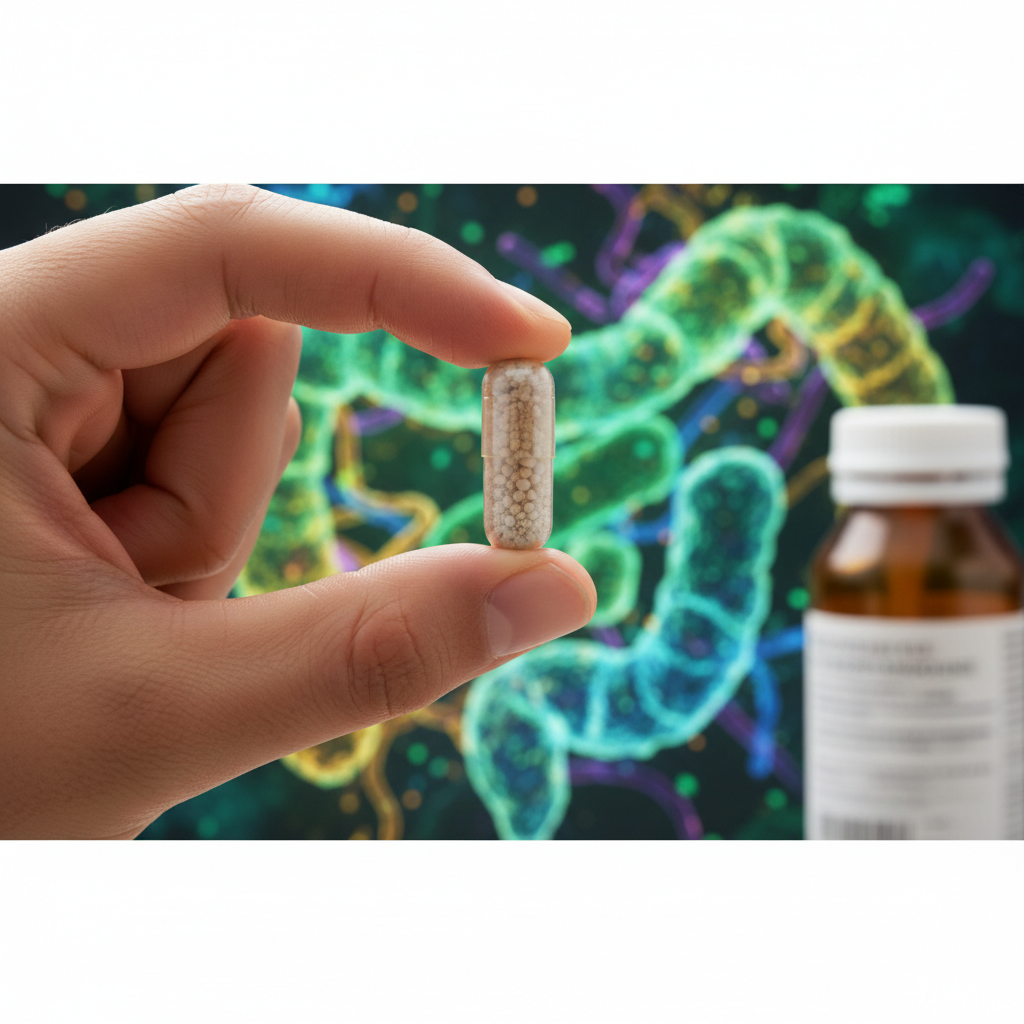
Antibiotics are powerful medications designed to kill harmful bacteria, but they often don't discriminate, wiping out beneficial gut bacteria along with the pathogens. This disruption to the gut microbiome can lead to various side effects, most commonly antibiotic-associated diarrhea (AAD). Taking probiotics with antibiotics is a strategy increasingly adopted to help mitigate these adverse effects by introducing beneficial microorganisms to help maintain or restore gut balance. Research suggests that certain probiotic strains can be effective in reducing the risk and severity of AAD, making the antibiotic treatment course more tolerable for many individuals.
Understanding Antibiotics and Your Gut Microbiome
Antibiotics are a cornerstone of modern medicine, invaluable for treating bacterial infections. They work by either killing bacteria (bactericidal) or inhibiting their growth (bacteriostatic). While essential for combating infections, their broad-spectrum action means they often affect not only the target pathogens but also the vast community of microorganisms residing in our gut, known as the gut microbiome.
This intricate ecosystem of bacteria, fungi, and viruses plays a crucial role in digestion, nutrient absorption, immune system development, and protection against pathogens. When antibiotics disrupt this delicate balance, it leads to a state called dysbiosis. The reduction in beneficial bacteria can create an environment where opportunistic pathogens, such as Clostridioides difficile (formerly Clostridium difficile), can proliferate, leading to more severe conditions like C. difficile infection (CDI).
The most common symptom of antibiotic-induced dysbiosis is antibiotic-associated diarrhea (AAD), which can range from mild to severe and affects up to 30% of individuals taking antibiotics. Other potential consequences include bloating, abdominal pain, and a temporary decrease in the gut's ability to digest certain foods.
How Probiotics Work to Counter Antibiotic Effects
Probiotics are defined as live microorganisms that, when administered in adequate amounts, confer a health benefit on the host. When taken alongside antibiotics, probiotics aim to counteract the negative impact on the gut microbiome through several mechanisms:
- Restoring Microbial Balance: Probiotics introduce new beneficial bacteria or yeasts into the gut, helping to replenish populations that have been diminished by antibiotics. This influx of good microbes can help re-establish a healthier balance.
- Competitive Exclusion: Probiotic strains can compete with harmful bacteria for nutrients and adhesion sites on the gut lining. By occupying these spaces, they can prevent pathogenic bacteria from colonizing and multiplying.
- Production of Antimicrobial Substances: Many probiotic strains produce organic acids (like lactic acid and acetic acid), bacteriocins (natural antibiotics), and hydrogen peroxide, which can inhibit the growth of pathogenic bacteria and yeasts.
- Strengthening the Gut Barrier: Probiotics can enhance the integrity of the intestinal barrier, reducing its permeability (often referred to as 'leaky gut'). A stronger barrier prevents harmful substances and pathogens from entering the bloodstream.
- Immune Modulation: Probiotics can interact with the immune cells in the gut, influencing both local and systemic immune responses. This can help the body better defend against infections and reduce inflammation.
By employing these mechanisms, specific probiotic strains can help maintain gut health, reduce the incidence of AAD, and potentially lower the risk of more serious infections like CDI during and after antibiotic treatment.
Evidence for Probiotics with Antibiotics
The scientific evidence supporting the use of probiotics with antibiotics, particularly for preventing AAD, has grown significantly. Numerous clinical trials and meta-analyses have investigated the efficacy of various probiotic strains.
One of the most robust areas of evidence is for the prevention of antibiotic-associated diarrhea. Meta-analyses, which combine data from multiple studies, consistently suggest that certain probiotic strains can significantly reduce the risk of AAD. Key strains that have shown efficacy include:
- Lactobacillus rhamnosus GG (LGG): This strain is one of the most extensively studied and has demonstrated consistent benefits in reducing AAD in both children and adults.
- Saccharomyces boulardii: A non-pathogenic yeast, S. boulardii has also shown strong evidence for preventing AAD and is particularly noted for its resilience to antibiotics.
- Other Lactobacillus species: Strains like Lactobacillus acidophilus, Lactobacillus plantarum, and Lactobacillus casei, often found in multi-strain formulations, also contribute to beneficial effects.
- Bifidobacterium species: Various Bifidobacterium strains, such as Bifidobacterium lactis, are frequently included in probiotic supplements and have shown promise in supporting gut health during antibiotic use.
While the evidence for AAD prevention is strong, the efficacy for preventing C. difficile infection is more nuanced. Some studies suggest a benefit, especially with specific strains like S. boulardii and LGG, but the overall evidence is not as universally conclusive as for AAD. It's important to note that not all probiotics are created equal, and the benefits are often strain-specific. A probiotic that works for one condition or in conjunction with one type of antibiotic may not be effective for another.
When reviewing the evidence, it's also crucial to consider the population studied (children vs. adults, healthy individuals vs. hospitalized patients) and the specific antibiotic used, as these factors can influence outcomes. While research continues to evolve, the general consensus is that for many individuals, taking specific probiotics with antibiotics is a safe and effective strategy to reduce gastrointestinal side effects.
Choosing the Right Probiotic and Dosing
Selecting the appropriate probiotic and ensuring correct dosing are critical for maximizing benefits when taking them with antibiotics. Not all probiotics are effective for AAD, so strain specificity is paramount.
Key Considerations for Selection:
- Specific Strains: Look for products containing strains with strong evidence for AAD prevention, such as Lactobacillus rhamnosus GG (LGG) or Saccharomyces boulardii. Multi-strain formulations that include various Lactobacillus and Bifidobacterium species can also be beneficial.
- CFU Count: The dosage is typically measured in Colony Forming Units (CFUs). Effective doses for AAD prevention often range from 5 billion to 50 billion CFUs per day, though this can vary by strain and product. Ensure the product guarantees the CFU count at the time of expiration, not just at manufacturing.
- Formulation: Probiotics come in various forms, including capsules, powders, liquids, and fermented foods. Capsules and powders are often preferred for targeted dosing.
- Storage: Some probiotics require refrigeration to maintain viability, while others are shelf-stable. Always follow the manufacturer's storage instructions.
When considering a probiotic supplement, it's vital to look for products that specify the strains and their CFU count, as generic terms like 'probiotic blend' may not guarantee efficacy. Reputable brands often provide third-party testing to verify content and purity.
Dosing and Timing:
The timing of probiotic intake relative to antibiotic doses is crucial. To prevent the antibiotic from killing the probiotic bacteria, it is generally recommended to take your probiotic at least 2-3 hours apart from your antibiotic dose. For example, if you take an antibiotic at 8 AM and 8 PM, you could take your probiotic at 11 AM and 3 PM.
It is also often advised to start taking the probiotic at the beginning of your antibiotic course and continue for at least a week, and ideally two weeks, after you finish the antibiotics. This extended period helps to further support the restoration of the gut microbiome after the antibiotic's effects have subsided.
Always follow the specific dosing instructions provided on the probiotic product label or as advised by your healthcare professional, especially when considering a probiotic supplement for children or individuals with specific health concerns.
Safety Considerations and Potential Side Effects
Probiotics are generally considered safe for most healthy individuals, and side effects are typically mild and transient. However, it's important to be aware of potential risks and contraindications.
Common Mild Side Effects:
Some individuals may experience mild digestive symptoms when first starting probiotics, such as:
- Gas
- Bloating
- Mild abdominal discomfort
These symptoms usually subside within a few days as the body adjusts to the new microbial balance. Starting with a lower dose and gradually increasing it can sometimes help minimize these effects.
More Serious Considerations:
While rare, more serious side effects can occur, particularly in specific populations:
- Immunocompromised Individuals: People with severely weakened immune systems (e.g., those undergoing chemotherapy, organ transplant recipients, or individuals with HIV/AIDS) are at a slightly increased risk of bacteremia or fungemia (probiotic bacteria or yeast entering the bloodstream). In these cases, probiotic use should be strictly supervised by a healthcare professional.
- Critically Ill Patients: Patients in intensive care units, especially those with central venous catheters, may also have an elevated risk of systemic infections from probiotics.
- Individuals with Damaged Intestinal Barriers: In rare cases of severe intestinal damage, there's a theoretical risk of probiotics translocating from the gut into the bloodstream.
- Allergic Reactions: As with any supplement, allergic reactions to ingredients in probiotic products (e.g., dairy, soy, or other allergens used in culture media) are possible. Always check the ingredient list if you have known allergies.
It's crucial to discuss probiotic use with your doctor, particularly if you have any underlying health conditions, are immunocompromised, or are taking other medications. While probiotics are generally safe, personalized medical advice is always the best approach to ensure they are appropriate for your specific health situation.
When to Talk to Your Clinician
While probiotics can be a helpful adjunct to antibiotic therapy, it's always wise to consult with a healthcare professional before starting any new supplement, especially if you are taking prescription medications. Here are specific situations when you should talk to your clinician:
- Before Starting Probiotics: Always discuss with your doctor or pharmacist if you plan to take probiotics with antibiotics, especially if you have chronic health conditions, are pregnant or breastfeeding, or are considering probiotics for a child.
- If Symptoms Worsen or Persist: If you experience severe or persistent diarrhea, abdominal pain, fever, or any other concerning symptoms while taking antibiotics and probiotics, seek medical attention immediately.
- Immunocompromised State: If you have a compromised immune system due to illness (e.g., HIV/AIDS, cancer, autoimmune disease) or medications (e.g., immunosuppressants), probiotic use should only be undertaken under strict medical supervision due to the potential, albeit rare, risk of infection.
- Critically Ill Patients: Probiotics are generally not recommended for critically ill or hospitalized patients without explicit medical advice, as the risks may outweigh the benefits in these vulnerable populations.
- Allergic Reactions: If you suspect an allergic reaction to a probiotic supplement (e.g., rash, swelling, difficulty breathing), discontinue use and seek immediate medical help.
- Uncertainty About Strains or Dosing: If you are unsure which probiotic strains are best for your specific situation or what the appropriate dosage should be, your clinician can provide tailored recommendations based on the latest evidence and your health profile.
Your healthcare provider can offer personalized guidance, ensuring that the use of probiotics is safe and effective in conjunction with your antibiotic treatment plan.
Conclusion
Taking probiotics with antibiotics is a well-researched strategy to support gut health and mitigate common side effects like antibiotic-associated diarrhea. By introducing beneficial microorganisms, probiotics help to restore microbial balance, strengthen the gut barrier, and modulate immune responses, making the antibiotic treatment course more tolerable for many. While generally safe, it is crucial to choose specific, evidence-backed strains like Lactobacillus rhamnosus GG or Saccharomyces boulardii, adhere to proper dosing and timing, and always consult a healthcare professional, especially for vulnerable populations. With informed choices and medical guidance, probiotics can be a valuable tool in maintaining well-being during and after antibiotic therapy.