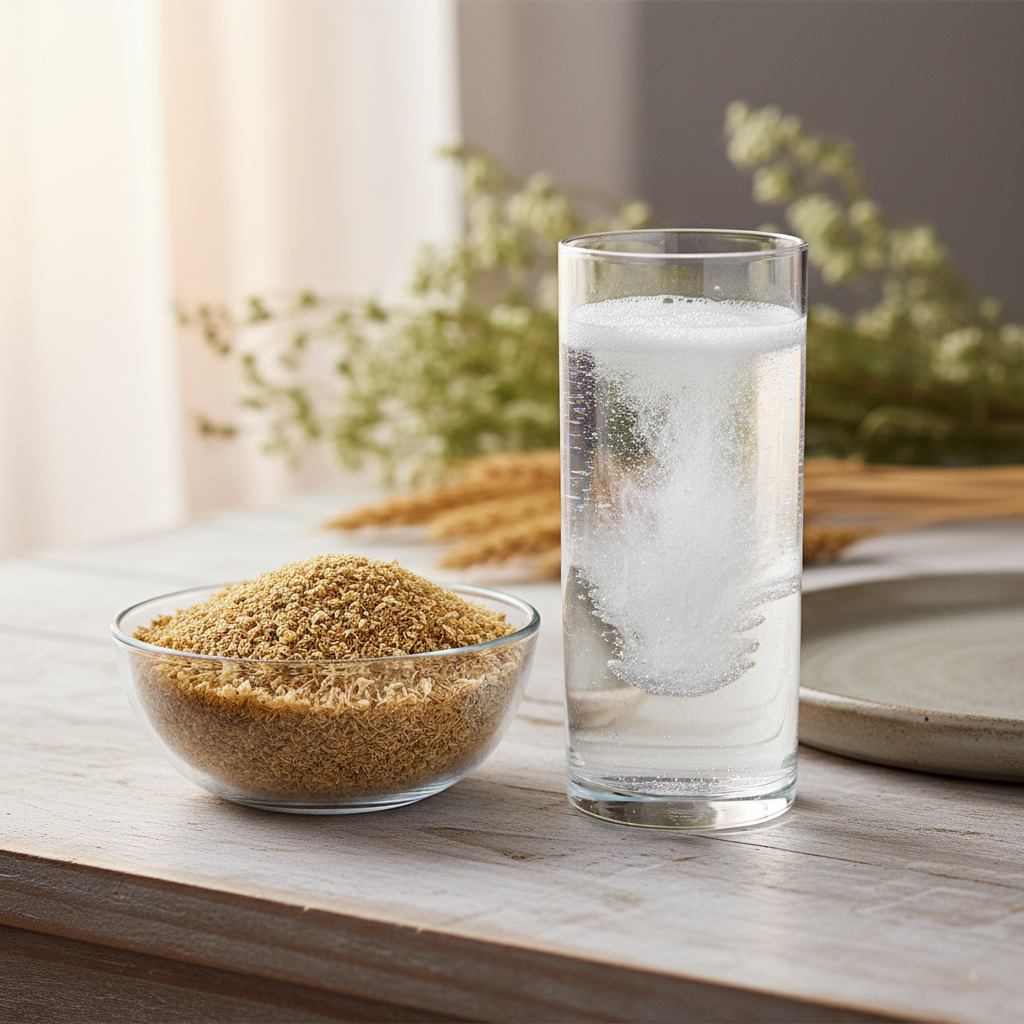
When comparing psyllium vs methylcellulose, both are effective bulk-forming laxatives that work by absorbing water in the digestive tract to form a gel, which softens stool and adds volume, making it easier to pass. However, their origins, fermentability, and secondary benefits differ significantly. Psyllium, derived from the seeds of the Plantago ovata plant, is a natural, fermentable fiber that can support gut bacteria and offer additional health benefits beyond regularity. Methylcellulose, a synthetic derivative of cellulose, is a non-fermentable fiber that provides gentle bulk without contributing to gas, making it a preferred choice for individuals with sensitive digestive systems.
What Each Is and How It Works
Psyllium is a natural dietary fiber obtained from the husks of the psyllium seed. It is predominantly a soluble fiber, meaning it dissolves in water to form a viscous, gel-like substance. This gel expands significantly in the digestive tract, adding bulk to stool and making it softer and easier to pass. What sets psyllium apart is its fermentability. While not fully fermented, a portion of psyllium is fermented by beneficial bacteria in the colon. This fermentation produces short-chain fatty acids (SCFAs), which are vital for colon health and may have systemic benefits. Psyllium's dual action of bulk-forming and partial fermentation contributes to its wide range of reported health benefits.
Methylcellulose, on the other hand, is a semi-synthetic fiber derived from cellulose, a natural polymer found in plant cell walls. Through a chemical process, cellulose is modified to create methylcellulose, which is also a soluble fiber. Like psyllium, it absorbs water to form a gel, increasing stool bulk and promoting regularity. The key difference lies in its fermentability: methylcellulose is largely non-fermentable. This means it passes through the digestive system relatively unchanged by gut bacteria, producing minimal gas or bloating. This characteristic makes methylcellulose a gentler option for individuals who experience discomfort with fermentable fibers.
Evidence by Outcome
Psyllium
- Constipation: Numerous studies confirm psyllium's efficacy as a bulk-forming laxative, significantly improving stool consistency and frequency in individuals with chronic constipation. Its gel-forming properties help to soften hard stools and add volume.
- Diarrhea (IBS-D): While primarily known for constipation, psyllium can also be beneficial for certain types of diarrhea, particularly in irritable bowel syndrome with diarrhea (IBS-D). Its ability to absorb excess water can help solidify loose stools, providing a regulatory effect.
- Cholesterol Management: Robust evidence suggests that psyllium can help lower LDL ('bad') cholesterol levels. It works by binding to bile acids in the gut, preventing their reabsorption. The liver then uses more cholesterol to produce new bile acids, thereby reducing circulating cholesterol.
- Blood Sugar Control: Psyllium has been shown to help moderate blood sugar levels, especially after meals. Its viscous gel slows down the absorption of carbohydrates, leading to a more gradual rise in blood glucose. This makes it a potential adjunct for individuals managing blood sugar.
- Satiety and Weight Management: By expanding in the stomach and slowing gastric emptying, psyllium can promote feelings of fullness, which may aid in appetite control and weight management efforts.
Methylcellulose
- Constipation: Methylcellulose is a well-established and effective bulk-forming laxative for treating occasional and chronic constipation. It consistently increases stool water content and bulk, facilitating easier bowel movements. Its non-fermentable nature means it provides this benefit with minimal gastrointestinal side effects like gas.
- General Regularity: For individuals seeking a consistent and gentle way to maintain bowel regularity without the potential for gas and bloating associated with fermentable fibers, methylcellulose is a reliable choice.
- Diverticular Disease: Some evidence suggests that increasing fiber intake, including non-fermentable options like methylcellulose, may help manage symptoms of diverticular disease by promoting softer, bulkier stools that put less pressure on the colon walls.
While psyllium offers a broader spectrum of potential health benefits due to its fermentable nature, methylcellulose excels in providing gentle, predictable relief from constipation with fewer gastrointestinal disturbances.
Bioavailability and Dose-Form
When discussing dietary fibers like psyllium and methylcellulose, the term 'bioavailability' isn't typically applied in the same way it is for vitamins or minerals. These fibers are not absorbed into the bloodstream; rather, their primary action occurs within the digestive tract. They are designed to pass through largely intact, exerting their effects locally by interacting with water and gut contents.
Psyllium
- Dose Forms: Psyllium is most commonly available as a powder, which can be mixed with water or other liquids. It also comes in capsule form, wafers, and sometimes as an ingredient in fortified cereals or baked goods. The powder form is often preferred for its cost-effectiveness and versatility, allowing for easy adjustment of dosage.
- Dosing: Typical doses range from 5 to 10 grams, one to three times daily, always mixed with at least 8 ounces (240 ml) of water per dose. It is crucial to drink sufficient water to prevent the fiber from gelling in the esophagus, which could lead to choking.
- Mechanism of Action: Once ingested with water, psyllium forms a gel that adds significant bulk to the stool. The soluble fiber component also undergoes partial fermentation by gut bacteria, contributing to its prebiotic effects.
Methylcellulose
- Dose Forms: Methylcellulose is primarily found in powder form, designed to be mixed with water, and also in caplets or tablets. The powder is generally tasteless and mixes easily, making it a convenient option for daily use.
- Dosing: Standard doses are typically 2 grams, one to three times daily, also mixed with a full glass of water (at least 8 ounces/240 ml). Similar to psyllium, adequate fluid intake is paramount to ensure the fiber moves smoothly through the digestive tract and prevents potential obstruction.
- Mechanism of Action: Methylcellulose absorbs water to form a soft, lubricating gel that increases stool volume and moisture. Because it is non-fermentable, it passes through the colon without being significantly broken down by bacteria, resulting in less gas production.
Both fibers must be taken with ample fluid. Starting with a lower dose and gradually increasing it over several days or weeks allows the digestive system to adapt, minimizing potential side effects. It's also advisable to take fiber supplements at least 2 hours before or after other medications, as fiber can sometimes interfere with drug absorption.
Safety and Interactions
Both psyllium and methylcellulose are generally considered safe for most healthy adults when used as directed. However, like all supplements, they come with potential side effects and interactions that users should be aware of.
General Safety Considerations for Both Fibers
- Choking Hazard: The most significant risk for both psyllium and methylcellulose is a choking hazard or esophageal obstruction if not taken with sufficient liquid. The fibers can swell rapidly, so always mix with a full glass of water (at least 8 ounces/240 ml) and drink immediately. Do not take if you have difficulty swallowing or a history of esophageal narrowing.
- Bloating and Gas: While methylcellulose is less prone to causing gas, both fibers can initially cause bloating, gas, and abdominal cramping, especially if introduced too quickly or in large doses. Starting with a small dose and gradually increasing it over several days or weeks can help minimize these symptoms.
- Intestinal Blockage: In rare cases, particularly in individuals with pre-existing bowel conditions or inadequate fluid intake, fiber supplements can contribute to intestinal blockage. Symptoms include severe abdominal pain, nausea, vomiting, or inability to pass gas or stool. Seek immediate medical attention if these occur.
Specific Safety and Interactions for Psyllium
- Allergic Reactions: Although rare, some individuals can experience allergic reactions to psyllium, especially those with occupational exposure to psyllium dust (e.g., healthcare workers). Symptoms can range from skin rashes and itching to more severe reactions like asthma or anaphylaxis.
- Medication Interactions: Psyllium can potentially interfere with the absorption of certain medications, including tricyclic antidepressants, carbamazepine, digoxin, and lithium. It may also affect the absorption of some vitamins and minerals. It's generally recommended to take psyllium at least 2 hours before or after other medications.
- Blood Sugar Management: While beneficial for blood sugar control, individuals with diabetes should monitor their blood sugar levels closely when starting psyllium, as it may require adjustments to medication dosages.
Specific Safety and Interactions for Methylcellulose
- Fewer Interactions: Due to its non-fermentable and less reactive nature, methylcellulose generally has fewer reported interactions with medications compared to psyllium. However, the general recommendation to separate fiber intake from other medications by at least 2 hours still applies to be cautious.
- Minimal Gas: Its primary safety advantage is its tendency to produce less gas and bloating, making it a more comfortable option for individuals sensitive to fermentable fibers.
Always consult a healthcare professional before starting any new supplement, especially if you have underlying health conditions, are pregnant or breastfeeding, or are taking other medications. For more general information on fiber supplements, you might find our comprehensive guide to fiber supplements helpful.
Who Should Pick Which
Choosing between psyllium and methylcellulose largely depends on individual digestive sensitivity, desired health outcomes, and tolerance to fermentation.
Choose Psyllium If:
- You Seek Broader Health Benefits: If you're looking for more than just regularity, psyllium's ability to help manage cholesterol, support blood sugar levels, and provide prebiotic benefits for your gut microbiome makes it a strong contender. Its partial fermentation feeds beneficial gut bacteria, contributing to overall gut health. For further reading on how prebiotics work, consider exploring resources on prebiotic ingredients.
- You Tolerate Fermentation Well: If you don't typically experience significant gas or bloating from fermentable fibers, psyllium can be a beneficial addition to your diet.
- You Need Help with Both Constipation and Occasional Diarrhea: Psyllium's unique ability to normalize stool consistency makes it useful for managing both ends of the spectrum, particularly in conditions like IBS with mixed bowel habits.
- You Are Looking for a Natural Product: As a natural plant-derived fiber, psyllium appeals to those who prefer less processed or synthetic options.
Choose Methylcellulose If:
- You Have a Sensitive Stomach or Are Prone to Gas: Methylcellulose is the preferred choice for individuals who experience discomfort, excessive gas, or bloating with fermentable fibers. Its non-fermentable nature means it passes through the digestive system without producing significant gas.
- You Primarily Need Gentle Regularity: If your main goal is consistent, gentle relief from constipation without additional systemic effects or gut microbiome modulation, methylcellulose is highly effective and well-tolerated.
- You Want a Predictable and Mild Effect: Methylcellulose provides a very consistent and mild bulk-forming action, making it a reliable choice for daily use without unexpected digestive disturbances.
- You Are Concerned About Medication Interactions: While both require careful timing, methylcellulose generally has a lower risk of interacting with medications compared to psyllium, due to its less reactive nature.
Ultimately, the best choice is the one that you can consistently incorporate into your routine, that provides the desired benefits, and that you tolerate well. Some individuals may even find benefit in alternating between the two or trying one for a period before switching.
Practical Buying Notes
When you're ready to purchase either psyllium or methylcellulose, a few practical considerations can help you make an informed choice and ensure you get a quality product that suits your needs.
For Psyllium:
- Form: Psyllium is most commonly sold as whole husks, finely ground powder, or capsules. Whole husks tend to be less processed and may offer a slightly higher fiber content, but the powder mixes more easily. Capsules are convenient but often require taking several to reach an effective dose.
- Purity: Look for products that are 100% psyllium husk or powder with no added sugars, artificial sweeteners, flavors, or colors. Some brands may include other ingredients, which might not be desirable.
- Organic Certification: If you prefer to avoid pesticides and herbicides, consider organic psyllium products.
- Mixability: Psyllium powder can thicken quickly. Some brands offer finer grinds that mix more smoothly, but generally, prepare to drink it immediately after mixing.
- Cost: Psyllium is typically very affordable, especially in bulk powder form.
For Methylcellulose:
- Form: Methylcellulose is often available as a powder or in caplet/tablet form. The powder is usually tasteless and dissolves well, making it easy to add to water. Caplets offer convenience for on-the-go use.
- Additives: As with psyllium, check the ingredient list for unnecessary additives. Opt for products with minimal ingredients, ideally just methylcellulose.
- Brand Reputation: Methylcellulose is a more standardized product than psyllium, but choosing a reputable brand ensures quality control and accurate dosing.
- Solubility: Methylcellulose generally dissolves more smoothly and stays suspended in water longer than psyllium, which can be a preference for some users.
- Cost: Methylcellulose can sometimes be slightly more expensive than psyllium, but it remains an economical fiber supplement.
General Tips for Both:
- Read Labels Carefully: Always check the serving size and fiber content per serving. Dosage recommendations can vary slightly between brands.
- Start Small: Regardless of which fiber you choose, begin with the lowest recommended dose and gradually increase it over a week or two. This allows your digestive system to adjust and minimizes side effects like gas and bloating.
- Hydration is Key: Emphasize the importance of drinking plenty of water throughout the day, not just with your fiber dose. Adequate hydration is crucial for fiber to work effectively and safely.
- Consult a Professional: If you have chronic digestive issues, are on medication, or have any health concerns, speak with a healthcare provider before adding any new fiber supplement to your routine. They can help determine the best type and dose for your specific needs.