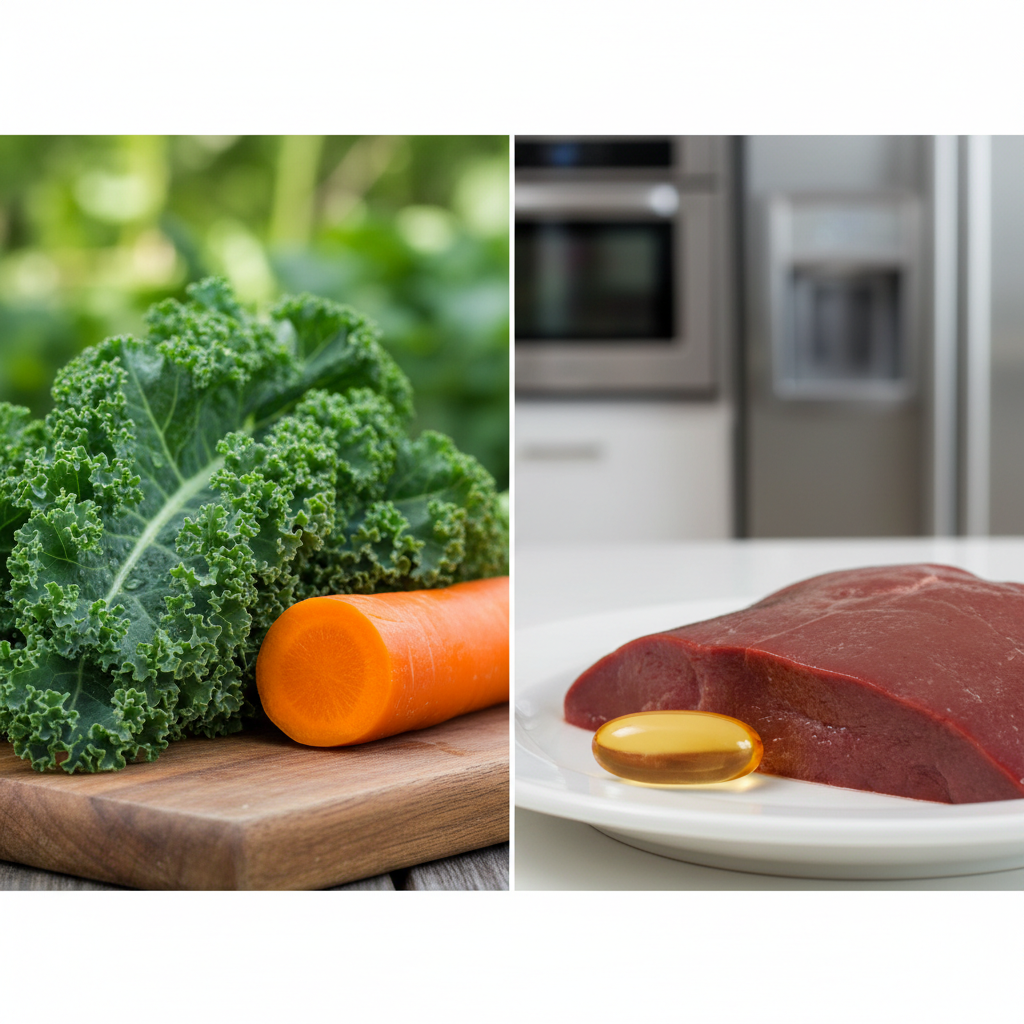
Retinol and beta-carotene are both critical for human health, primarily known for their roles as forms of vitamin A. However, they are not interchangeable. Retinol is a preformed, active form of vitamin A, meaning the body can use it directly. Beta-carotene, on the other hand, is a provitamin A carotenoid, which the body must convert into retinol before it can be utilized. This fundamental difference impacts their dietary sources, absorption, biological functions, and safety profiles, making the choice between them important for targeted supplementation.
Understanding Vitamin A: Retinol and Beta-Carotene Defined
Vitamin A is an essential fat-soluble vitamin vital for numerous bodily functions, including vision, immune function, reproduction, and cellular communication. It exists in several forms, broadly categorized into preformed vitamin A (retinoids) and provitamin A carotenoids.
Retinol: The "Preformed" Vitamin A
Retinol is the most common and biologically active form of preformed vitamin A. When consumed, it is readily absorbed and used by the body. It's often referred to as "preformed" because it doesn't require conversion to become active. Retinol is stored in the liver as retinyl esters and released as needed. Its direct availability makes it a potent form of vitamin A, but also one that carries a higher risk of toxicity if consumed in excessive amounts.
Beta-Carotene: The "Provitamin A" Carotenoid
Beta-carotene is one of several provitamin A carotenoids found in plants. These compounds are pigments that give fruits and vegetables their vibrant yellow, orange, and red colors. Unlike retinol, beta-carotene is not directly active as vitamin A. Instead, it must be converted into retinol in the small intestine and liver. This conversion process is regulated by the body, meaning that the body only converts as much as it needs, which contributes to its lower toxicity risk compared to retinol. Beyond its role as a vitamin A precursor, beta-carotene also functions as a powerful antioxidant.
How They Work: Mechanisms and Functions
Both retinol and beta-carotene contribute to vitamin A status, but their mechanisms of action and additional benefits differ.
Retinol's Direct Roles
As the active form, retinol directly participates in various physiological processes:
- Vision: Retinol is crucial for the formation of rhodopsin, a light-sensitive pigment in the retina, essential for low-light vision and color perception.
- Immune Function: It plays a key role in the development and differentiation of white blood cells, which are vital for a healthy immune response.
- Cell Growth and Differentiation: Retinol influences gene expression, guiding the growth and specialization of cells, particularly important for healthy skin, mucous membranes, and organ development.
- Reproduction: It is essential for both male and female reproductive health.
Beta-Carotene's Dual Role
Beta-carotene offers a dual benefit to the body:
- Provitamin A Activity: Its primary role is to serve as a precursor to retinol. The enzyme beta-carotene 15,15'-monooxygenase (BCMO1) cleaves beta-carotene into two molecules of retinal, which are then converted to retinol. The efficiency of this conversion can vary significantly among individuals due to genetic factors, diet, and health status.
- Antioxidant Benefits: Independent of its vitamin A activity, beta-carotene is a potent antioxidant. It helps neutralize free radicals, unstable molecules that can damage cells and contribute to chronic diseases. This antioxidant property is a significant advantage of beta-carotene, offering protective effects against oxidative stress that retinol does not directly provide.
Dietary Sources and Absorption Differences
The dietary origins of retinol and beta-carotene are distinct, influencing how they are absorbed and utilized.
Retinol Sources
Preformed vitamin A (retinol) is found exclusively in animal products. Rich sources include:
- Liver (beef, chicken, fish)
- Fish oils (e.g., cod liver oil)
- Dairy products (milk, cheese, butter, fortified yogurt)
- Eggs
- Fortified cereals
These sources provide retinol directly, making it readily available for the body's use.
Beta-Carotene Sources
Beta-carotene is abundant in a wide variety of colorful fruits and vegetables. Excellent plant-based sources include:
- Carrots
- Sweet potatoes
- Spinach
- Kale
- Winter squash
- Cantaloupe
- Apricots
- Broccoli
For optimal absorption of beta-carotene from plant foods, it's often recommended to consume them with a small amount of fat, as beta-carotene is fat-soluble.
Absorption and Conversion Efficiency
The absorption rate of retinol from animal sources is generally high, often exceeding 70-90%. Beta-carotene absorption from plant foods, however, is much lower and more variable, typically ranging from 5% to 65% depending on the food matrix, cooking methods, and individual factors. Furthermore, the conversion of beta-carotene to retinol is not 1:1. It takes approximately 12 micrograms of dietary beta-carotene to produce 1 microgram of retinol (often expressed as Retinol Activity Equivalents or RAE). Factors like genetic polymorphisms (e.g., in the BCMO1 gene), gut health, thyroid function, and existing vitamin A status can significantly impact an individual's ability to convert beta-carotene effectively.
Evidence by Outcome: What the Research Says
Both forms of vitamin A are essential, but research highlights their distinct contributions to health outcomes.
Vision Health
The role of vitamin A in vision is well-established. Retinol is directly integrated into the visual cycle. Supplementation with vitamin A (often as retinyl palmitate) is a standard treatment for vitamin A deficiency, which can lead to night blindness and, if severe, permanent blindness. Beta-carotene, by converting to retinol, also supports vision. However, for severe deficiency, preformed vitamin A is typically preferred due to its direct action and higher bioavailability.
Immune Function
Both retinol and beta-carotene (via conversion) are crucial for maintaining a robust immune system. Vitamin A supports the integrity of mucosal barriers (e.g., in the gut and respiratory tract) and the function of various immune cells. Deficiency can impair immune responses, making individuals more susceptible to infections. Studies suggest that adequate vitamin A intake, whether from preformed sources or provitamin A carotenoids, is vital for immune competence.
Skin Health
Retinol is widely recognized for its benefits to skin health, influencing cell turnover and collagen production. Topical retinoids (derivatives of vitamin A) are commonly used in dermatology for conditions like acne and aging skin. Orally, adequate vitamin A from either source supports skin integrity and repair. Beta-carotene, due to its antioxidant properties, may also contribute to skin health by protecting against UV-induced damage, though it doesn't replace sunscreen.
Antioxidant Benefits
This is where beta-carotene shines independently. As a powerful antioxidant, beta-carotene helps protect cells from oxidative damage caused by free radicals. Oxidative stress is implicated in the development of various chronic diseases, including cardiovascular disease and certain cancers. While some observational studies have suggested a link between high beta-carotene intake and reduced risk of certain cancers, large-scale intervention trials have yielded mixed results, and in some cases (e.g., smokers), high-dose beta-carotene supplements have been associated with increased lung cancer risk. Therefore, obtaining beta-carotene from whole foods is generally recommended over high-dose supplements for antioxidant benefits, especially for specific populations.
Bioavailability, Dosing, and Supplement Forms
Understanding the different forms and recommended dosages is crucial for safe and effective supplementation.
Retinol Supplement Forms
Preformed vitamin A supplements typically come as retinyl palmitate or retinyl acetate. These are stable forms that are readily absorbed. Dosing is usually measured in International Units (IU) or micrograms (mcg) of Retinol Activity Equivalents (RAE). For example, 1 mcg RAE = 3.33 IU of vitamin A from supplements.
Beta-Carotene Supplement Forms
Beta-carotene supplements are widely available, often derived from natural sources like algae or synthetically produced. Dosing is typically in milligrams (mg) or IU. For provitamin A carotenoids, 1 mcg RAE = 12 mcg of beta-carotene. This conversion factor highlights that a much larger quantity of beta-carotene is needed to achieve the same vitamin A activity as retinol.
Recommended Daily Allowances (RDAs) and Upper Limits (ULs)
The RDA for vitamin A for adult men is 900 mcg RAE and for adult women is 700 mcg RAE. These recommendations can be met through a combination of preformed vitamin A and provitamin A carotenoids. The Upper Limit (UL) for preformed vitamin A for adults is 3,000 mcg RAE (10,000 IU) per day. Exceeding this UL can lead to toxicity. There is no established UL for beta-carotene because the body regulates its conversion to vitamin A, and excess beta-carotene is generally considered safe, though it can cause carotenodermia.
Safety, Toxicity, and Interactions
The safety profiles of retinol and beta-carotene differ significantly, primarily due to the body's ability to regulate provitamin A conversion.
Retinol Toxicity (Hypervitaminosis A)
Because retinol is directly active, excessive intake can lead to hypervitaminosis A, a potentially serious condition. Acute toxicity can occur from a single very large dose, while chronic toxicity results from consistently high intake over time. Symptoms can include nausea, vomiting, headache, blurred vision, dizziness, muscle pain, skin peeling, and in severe cases, liver damage, increased intracranial pressure, and birth defects. Pregnant individuals must be particularly cautious with retinol intake due to the risk of teratogenicity (birth defects).
Beta-Carotene Safety (Carotenodermia)
Beta-carotene is generally considered much safer than retinol because the body only converts it to vitamin A as needed. Excess beta-carotene is stored in fat cells and under the skin, leading to a harmless condition called carotenodermia, where the skin turns yellowish-orange, particularly on the palms and soles. This discoloration is reversible once intake is reduced. High-dose beta-carotene supplements have raised concerns in specific populations, particularly smokers, where some studies linked them to an increased risk of lung cancer. Therefore, smokers and former asbestos workers are generally advised to avoid high-dose beta-carotene supplements.
Interactions with Medications and Other Nutrients
Both forms of vitamin A can interact with certain medications. For example, retinoids (like isotretinoin for acne) should not be taken with vitamin A supplements due to increased risk of toxicity. Certain medications, such as some cholesterol-lowering drugs (e.g., cholestyramine) and mineral oil, can interfere with the absorption of fat-soluble vitamins, including vitamin A and beta-carotene. High doses of vitamin E may interfere with vitamin A absorption and metabolism, while zinc is essential for vitamin A metabolism and transport.
Who Should Choose Which? Tailoring Your Supplement
The decision to supplement with retinol or beta-carotene should be based on individual dietary habits, health status, and specific goals.
Considerations for Vegans/Vegetarians
For individuals following a vegan or vegetarian diet, beta-carotene is the primary dietary source of vitamin A. Supplementing with beta-carotene is a safe and effective way to ensure adequate vitamin A intake without consuming animal products. However, they should be mindful of factors affecting conversion efficiency.
Individuals with Conversion Issues
Some individuals may have genetic variations (e.g., in the BCMO1 gene) or medical conditions (e.g., liver disease, cystic fibrosis, Crohn's disease, very low-fat diets) that impair their ability to convert beta-carotene to retinol efficiently. In such cases, a preformed vitamin A (retinol) supplement might be a more effective option to ensure adequate vitamin A status. Consulting a healthcare professional is advisable to assess individual needs.
Pregnant or Breastfeeding Individuals
Pregnant individuals need adequate vitamin A for fetal development, but excessive preformed vitamin A can be teratogenic. Therefore, beta-carotene is often the preferred form of vitamin A supplementation during pregnancy, as the body's regulated conversion minimizes toxicity risks. However, all supplementation during pregnancy should be discussed with a doctor.
Those Seeking Antioxidant Support
If the primary goal is to leverage the antioxidant benefits beyond vitamin A activity, beta-carotene is the superior choice. Its direct free-radical scavenging properties are distinct from retinol's functions. However, as noted, for certain populations like smokers, obtaining beta-carotene from whole foods rather than high-dose supplements is recommended.
Practical Buying Notes for Retinol and Beta-Carotene
When considering a supplement, several factors can help ensure you choose a high-quality and appropriate product.
Quality and Purity
Look for supplements from reputable brands that adhere to Good Manufacturing Practices (GMP). This ensures the product contains the stated amount of the ingredient and is free from contaminants. Check for certifications from third-party testing organizations, which verify purity and potency.
Formulation and Dosage
Pay close attention to the specific form of vitamin A (e.g., retinyl palmitate, beta-carotene) and its dosage. Understand the conversion factors (RAE, IU) to ensure you are taking an appropriate amount relative to the RDA and UL. For vitamin A, dosages are often expressed in micrograms of RAE. For beta-carotene, it might be in milligrams or IU, and you'll need to consider its conversion efficiency.
Third-Party Testing
Supplements that undergo third-party testing provide an extra layer of assurance regarding their quality, purity, and ingredient accuracy. This is particularly important for fat-soluble vitamins, where accurate dosing is crucial to avoid toxicity with retinol or ensure efficacy with beta-carotene.