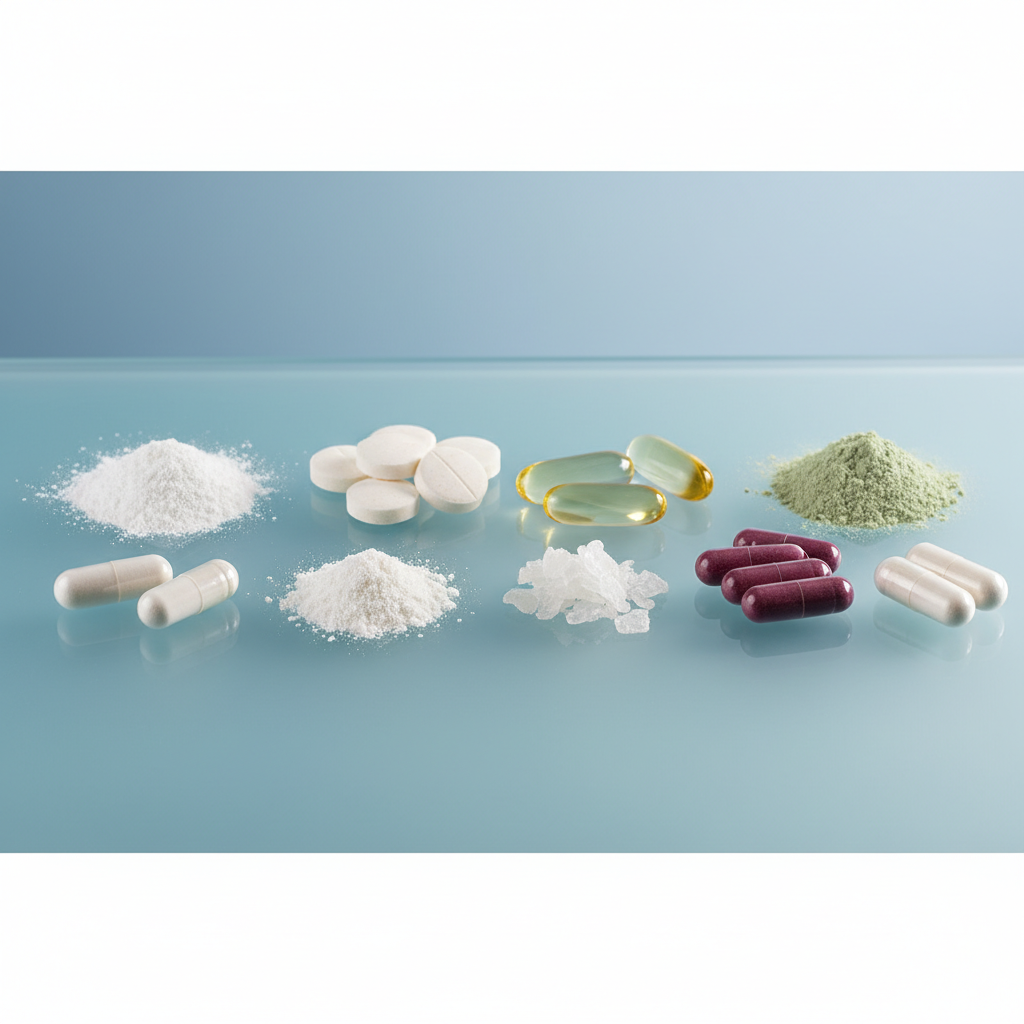
When selecting dietary supplements, it's easy to assume that all forms of a particular nutrient are created equal. However, the concept of 'same forms comparison' reveals a critical truth: the specific chemical structure or compound a nutrient is bound to can profoundly influence its absorption, bioavailability, and overall effectiveness in the human body. This article will explore why these distinctions matter, providing you with the knowledge to make more informed decisions about your supplement choices, ensuring you get the most benefit for your health goals.
Understanding 'Same Forms Comparison'
The term 'same forms comparison' refers to the evaluation of different chemical compounds that deliver the same core nutrient. For instance, while both magnesium oxide and magnesium citrate provide elemental magnesium, their molecular structures are distinct, leading to significant differences in how the body processes them. This isn't merely a minor detail; it's a fundamental aspect of supplement science that dictates how much of the active ingredient actually reaches your cells and performs its intended function. Ignoring these differences can lead to suboptimal results, or in some cases, unexpected side effects.
Many nutrients, especially minerals, are not found in their pure elemental state in supplements. Instead, they are chelated or bound to other molecules, such as amino acids, organic acids, or inorganic salts. These 'partners' influence everything from the compound's stability in the digestive tract to its solubility and the specific transporters it might utilize for absorption. For example, some forms might be highly soluble in water but poorly absorbed due to their large size or charge, while others might be less soluble but have specific uptake mechanisms that enhance their bioavailability. Understanding these nuances is the first step toward becoming a savvy supplement consumer.
Why the Chemical Form Matters: Bioavailability and Absorption
Bioavailability is arguably the most critical factor in same forms comparison. It refers to the proportion of a nutrient that, once ingested, enters the systemic circulation and is thus available to exert its physiological effects. A supplement might contain a high dose of a nutrient, but if its bioavailability is low, only a fraction of that dose will be utilized by the body. Conversely, a lower dose of a highly bioavailable form might be more effective than a much higher dose of a poorly absorbed one.
Several factors influence a supplement's bioavailability. Solubility is key; a compound must dissolve in the digestive fluids to be absorbed. The pH environment of the stomach and intestines also plays a significant role, as some forms are stable only within a narrow pH range. Furthermore, the presence of specific transport proteins in the intestinal wall can facilitate the uptake of certain nutrient forms, while others might rely on less efficient passive diffusion. For a deeper dive into how nutrients are processed, explore our article on Bioavailability Explained.
For instance, some mineral forms, like oxides, tend to be poorly soluble and thus have low bioavailability. They may pass through the digestive tract largely unabsorbed, potentially causing gastrointestinal distress. Other forms, like citrates or glycinates, are designed to enhance solubility and utilize specific absorption pathways, leading to higher uptake and better utilization by the body. This is why a 'same forms comparison' is essential: it helps you differentiate between forms that merely contain a nutrient and those that effectively deliver it.
Common Examples and Their Implications
Let's examine some common nutrients where the chemical form makes a significant difference:
Magnesium
- Magnesium Oxide: Contains a high percentage of elemental magnesium but has very low bioavailability (around 4%). It's often used as a laxative due to its poor absorption.
- Magnesium Citrate: A common and relatively well-absorbed form, often used for both magnesium supplementation and its mild laxative effect. Bioavailability is significantly higher than oxide.
- Magnesium Glycinate/Bisglycinate: Chelate with glycine, an amino acid. This form is highly bioavailable, well-tolerated, and less likely to cause gastrointestinal upset, making it a preferred choice for many.
- Magnesium L-Threonate: A newer form specifically studied for its ability to cross the blood-brain barrier, potentially supporting cognitive function.
Understanding the nuances of different mineral forms, such as those for Magnesium, is essential for optimizing your intake.
Iron
- Ferrous Sulfate: A common and inexpensive form, but often associated with gastrointestinal side effects like constipation and nausea due to its inorganic nature and potential for oxidative stress in the gut.
- Iron Bisglycinate (Ferrochel®): A chelated form where iron is bound to two glycine molecules. It is highly bioavailable, well-tolerated, and less likely to cause GI upset compared to ferrous sulfate, making it a superior choice for many.
Vitamin B12
- Cyanocobalamin: The most common and stable synthetic form. It contains a cyanide molecule (though in negligible, harmless amounts) and must be converted by the body into active forms (methylcobalamin or adenosylcobalamin).
- Methylcobalamin: An active, coenzyme form of B12. It's often preferred as it doesn't require conversion and may be more effective for individuals with certain genetic variations that impair B12 metabolism.
- Adenosylcobalamin: Another active coenzyme form, crucial for mitochondrial energy production. Often combined with methylcobalamin for comprehensive B12 support.
Folate
- Folic Acid: The synthetic form of folate, commonly found in fortified foods and many supplements. It requires enzymatic conversion in the body to become active L-methylfolate. Some individuals have genetic variations (MTHFR polymorphism) that impair this conversion.
- L-Methylfolate (5-MTHF): The biologically active form of folate. It bypasses the conversion steps, making it directly usable by the body and potentially more effective for those with impaired folic acid metabolism.
Stability, Purity, and Potency
Beyond bioavailability, the chemical form of a nutrient can also impact its stability, purity, and overall potency. Some forms are inherently more stable, meaning they are less likely to degrade over time or when exposed to light, heat, or moisture. This directly affects the shelf life and the actual amount of active nutrient available by the time you consume it. For example, certain vitamin forms are more prone to oxidation than others, leading to a loss of potency before their expiration date.
Purity is another consideration. The manufacturing processes for different forms can vary, potentially leading to differences in the presence of impurities or residual solvents. Reputable manufacturers will ensure high purity regardless of the form, but it's a factor worth noting. Furthermore, the 'potency' of a supplement isn't just about the elemental amount; it's also about how effectively that amount is delivered. A form with a lower elemental concentration but superior bioavailability might be considered more potent in a practical sense than a form with a higher elemental concentration but poor absorption.
For instance, some chelated minerals are designed not only for better absorption but also for enhanced stability within the digestive tract, preventing them from interacting negatively with other dietary components or medications. This careful engineering ensures that the nutrient remains intact and available for absorption, rather than being rendered inactive or causing undesirable reactions.
Navigating Supplement Labels and Making Informed Choices
Making informed decisions about supplements requires a careful approach to reading labels and understanding the implications of different forms. Here's how to navigate the complex world of supplement labels:
- Look Beyond the Generic Name: Don't just look for 'Magnesium' or 'Iron.' Always check the 'Supplement Facts' panel for the specific chemical form listed (e.g., 'Magnesium Citrate,' 'Iron Bisglycinate').
- Research Specific Forms: Once you identify the form, do a quick search on reliable, evidence-based websites (like dietarysupplement.ai) to understand its bioavailability, common uses, and potential side effects.
- Consider Your Individual Needs: Factors like your digestive health, existing medical conditions, medications, and even genetic predispositions can influence which form is best for you. For example, individuals with sensitive stomachs might benefit from chelated minerals that are less irritating.
- Don't Assume 'More is Better': A higher milligram dose of a poorly absorbed form might be less effective than a lower dose of a highly bioavailable one. Focus on effective delivery, not just raw quantity.
- Check for Third-Party Testing: While not directly related to form, third-party testing ensures the product contains what it claims and is free from contaminants, adding another layer of trust.
- Be Wary of Proprietary Blends: If a label lists a 'proprietary blend' without specifying the forms or exact amounts of each ingredient, it's harder to make an informed comparison.
By adopting these practices, you move beyond simply buying a nutrient and instead invest in a specific, effective delivery system for that nutrient, tailored to your body's needs.
When to Consult a Healthcare Professional
While understanding same forms comparison empowers you to make better choices, there are situations where professional guidance is invaluable. Always consult a doctor, registered dietitian, or another qualified healthcare professional if:
- You have a pre-existing medical condition, especially those affecting digestion or nutrient absorption.
- You are taking prescription medications, as certain supplement forms can interact with drugs.
- You are experiencing persistent symptoms or suspect a nutrient deficiency.
- You are pregnant, breastfeeding, or considering supplements for children.
- You are unsure about the appropriate dosage or the best form for your specific health goals.
A healthcare professional can provide personalized advice, help interpret lab results, and guide you toward the most appropriate and safest supplement forms and dosages for your unique circumstances. They can also help you avoid potential adverse effects or interactions, ensuring your supplement regimen supports your overall health effectively.