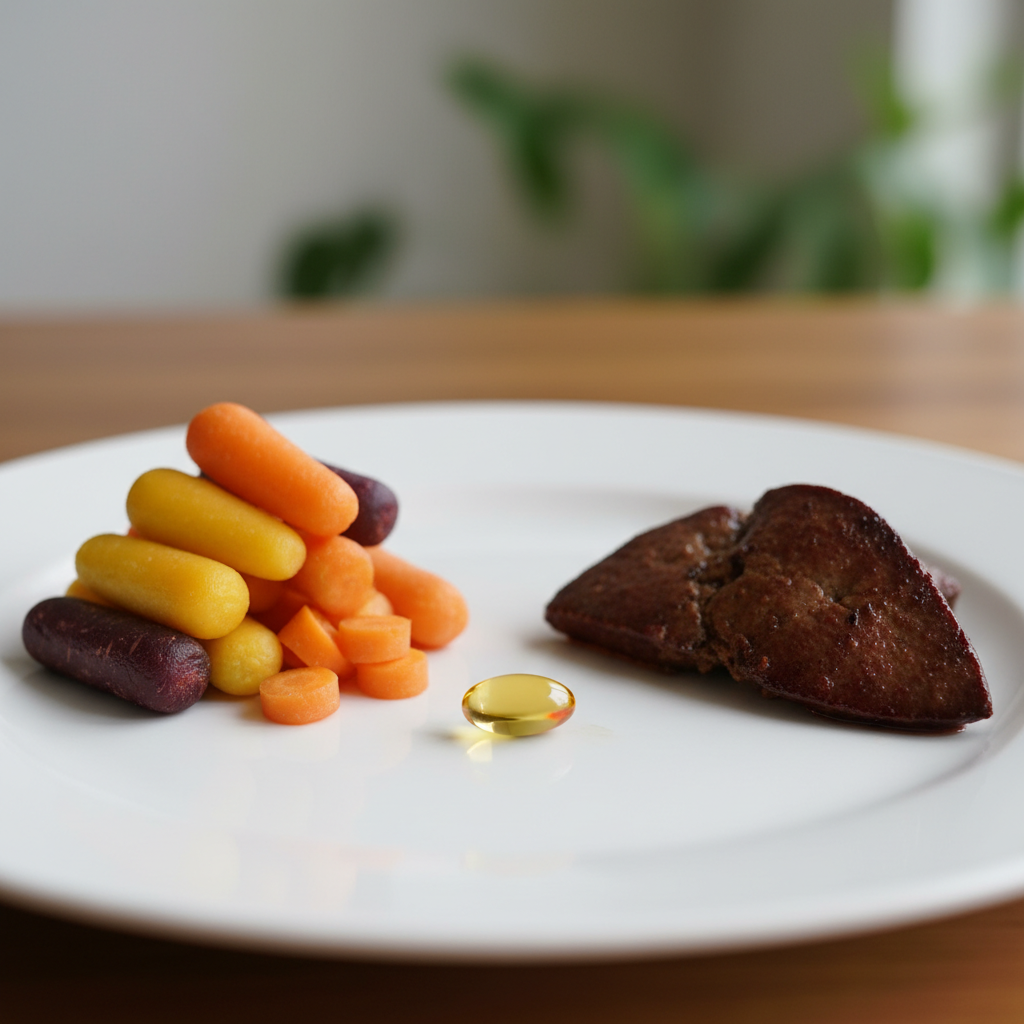
Vitamin A toxicity, medically termed hypervitaminosis A, is a serious condition that arises from an excessive accumulation of preformed vitamin A in the body. Unlike provitamin A carotenoids found in plants, which the body converts to vitamin A as needed, preformed vitamin A (retinoids) from animal sources or supplements can build up to toxic levels, leading to a range of adverse health effects. Understanding the causes, recognizing the symptoms, and knowing how to prevent this condition are crucial for maintaining optimal health and avoiding potentially severe complications.
What is Vitamin A Toxicity (Hypervitaminosis A)?
Vitamin A is an essential fat-soluble vitamin vital for vision, immune function, reproduction, and cellular growth. However, because it is fat-soluble, the body stores excess amounts, primarily in the liver, rather than excreting them readily. When intake of preformed vitamin A significantly exceeds the body's capacity to store or metabolize it, toxic levels can accumulate, leading to hypervitaminosis A.
It is critical to differentiate between the two main types of vitamin A: preformed vitamin A (retinoids), found in animal products like liver, fish oil, and dairy, and provitamin A carotenoids, found in plant foods like carrots, sweet potatoes, and leafy greens. Preformed vitamin A is readily absorbed and utilized by the body, making it the primary culprit in toxicity. Provitamin A carotenoids, such as beta-carotene, must be converted into vitamin A by the body, a process that is tightly regulated, making toxicity from these plant sources extremely rare.
The Recommended Dietary Allowance (RDA) for adult men is 900 micrograms (mcg) RAE (Retinol Activity Equivalents) and for adult women is 700 mcg RAE. The Tolerable Upper Intake Level (UL) for adults is 3,000 mcg RAE per day. Consistently exceeding this UL, particularly through high-dose supplements, significantly increases the risk of vitamin A toxicity.
How Does Vitamin A Toxicity Occur? (Mechanism)
The mechanism of vitamin A toxicity centers on its fat-soluble nature and the liver's role in its storage and metabolism. After absorption, vitamin A (retinol) is transported to the liver, where it is stored primarily as retinyl esters. The liver has a finite capacity for this storage. When intake exceeds this capacity, retinyl esters begin to accumulate in other tissues, including the blood, and can disrupt normal cellular function.
Excessive levels of circulating retinoids can interfere with various cellular processes. For instance, they can destabilize cell membranes, leading to cellular damage and inflammation. Retinoids also interact with specific nuclear receptors (retinoic acid receptors, RARs, and retinoid X receptors, RXRs) that regulate gene expression. Overstimulation or dysregulation of these receptors by high levels of vitamin A can lead to altered cell differentiation, proliferation, and apoptosis, contributing to the wide array of symptoms seen in toxicity, particularly affecting bone, skin, and liver tissues.
The liver's ability to metabolize and excrete vitamin A can become overwhelmed, leading to increased oxidative stress and direct hepatotoxicity. This can result in liver damage, fibrosis, and in severe cases, cirrhosis. The exact cellular and molecular mechanisms are complex and involve multiple pathways, but the core issue is the body's inability to safely process and eliminate the excess fat-soluble vitamin.
Symptoms of Vitamin A Toxicity
The symptoms of vitamin A toxicity can vary depending on whether the exposure is acute (a single, very large dose) or chronic (prolonged intake of moderately high doses). Both forms can be serious and require medical attention.
Acute Toxicity
Acute vitamin A toxicity typically occurs after ingesting an extremely large single dose, often exceeding 200,000 mcg RAE (e.g., from eating polar bear liver). Symptoms usually appear within a few hours and may include:
- Nausea and Vomiting: Often severe and sudden.
- Headache: Intense, throbbing pain.
- Dizziness and Vertigo: A sense of imbalance or spinning.
- Blurred Vision: Temporary visual disturbances.
- Muscle Incoordination: Difficulty with motor control.
- Irritability: Especially noticeable in children.
- Bulging Fontanelles: In infants, due to increased intracranial pressure.
Chronic Toxicity
Chronic vitamin A toxicity develops over weeks or months of consistently exceeding the UL, even if the daily dose is not acutely toxic. Symptoms tend to be more diverse and insidious:
- Skin Changes: Dry, rough skin, peeling, itching, and cracked lips (cheilitis).
- Hair Loss: Often diffuse, affecting the scalp and sometimes eyebrows.
- Bone and Joint Pain: Aching in bones and joints, sometimes leading to hyperostosis (bone thickening).
- Fatigue and Lethargy: Persistent tiredness and lack of energy.
- Liver Damage: Enlarged liver and spleen (hepatosplenomegaly), abnormal liver function tests, and in severe cases, fibrosis or cirrhosis.
- Neurological Symptoms: Headaches, visual disturbances, and pseudotumor cerebri (idiopathic intracranial hypertension), characterized by symptoms mimicking a brain tumor due to increased pressure around the brain.
- Teratogenicity: A significant concern for pregnant women, as excessive vitamin A can cause severe birth defects, particularly affecting the central nervous system, heart, and face of the fetus.
Specific Populations at Risk
Certain groups are more vulnerable to vitamin A toxicity. Pregnant women must be especially cautious due to the risk of birth defects. Infants and young children are also highly susceptible because of their smaller body size and developing organ systems. Individuals with pre-existing liver disease are at increased risk as their ability to metabolize and store vitamin A is already compromised.
Causes and Risk Factors
The primary cause of vitamin A toxicity is the excessive intake of preformed vitamin A. While diet can contribute, supplementation is the most common route to toxic levels.
- Over-supplementation: This is by far the leading cause. Many multivitamin supplements contain vitamin A, and some individuals may take additional high-dose vitamin A supplements, often without medical supervision, believing more is better. It's crucial to check labels and understand the dosage. For more information on the benefits and general guidelines for this essential nutrient, you can explore our Vitamin A ingredient guide.
- Dietary Sources: While less common, consuming very large quantities of animal liver, especially from certain animals like polar bears or seals, which store extremely high concentrations of vitamin A, can lead to acute toxicity. Regular, excessive consumption of beef liver can also contribute to chronic toxicity over time.
- Medications: Certain prescription medications, particularly retinoid drugs like isotretinoin (used for severe acne) and acitretin (used for psoriasis), are synthetic derivatives of vitamin A. These medications can cause side effects that mimic or exacerbate symptoms of vitamin A toxicity, and their use requires careful medical monitoring.
- Underlying Health Conditions: Individuals with pre-existing liver disease, such as cirrhosis or hepatitis, are at a higher risk of developing vitamin A toxicity. Their impaired liver function reduces the body's ability to process and excrete vitamin A efficiently, leading to faster accumulation of toxic levels.
- Alcohol Consumption: Chronic alcohol abuse can also impair liver function and vitamin A metabolism, increasing susceptibility to toxicity.
Diagnosing Vitamin A Toxicity
Diagnosing vitamin A toxicity involves a combination of clinical evaluation, detailed history taking, and laboratory tests. Because symptoms can be non-specific and overlap with other conditions, a thorough approach is essential.
- Clinical Evaluation: A healthcare provider will assess the patient's symptoms, looking for the characteristic signs of acute or chronic hypervitaminosis A, such as skin changes, bone pain, or neurological symptoms.
- Dietary and Supplement History: This is a critical step. The clinician will ask about the patient's diet, paying close attention to consumption of liver and other vitamin A-rich foods. Most importantly, they will inquire about all dietary supplements being taken, including multivitamins, single-nutrient vitamin A supplements, and any herbal remedies, to identify potential sources of excessive intake.
- Blood Tests: The definitive diagnostic test is measuring serum retinol levels. Elevated levels, particularly above 1,000 mcg/dL (3.5 μmol/L), are indicative of toxicity. However, it's important to note that serum retinol levels can be maintained within a normal range even when liver stores are dangerously high, especially in early chronic toxicity. Therefore, clinical suspicion remains vital.
- Liver Function Tests: Blood tests to assess liver enzymes (e.g., ALT, AST) and bilirubin levels can indicate liver damage, which is a common complication of chronic vitamin A toxicity.
- Imaging Studies: In cases of suspected pseudotumor cerebri, an MRI or CT scan of the brain may be performed to rule out other causes of increased intracranial pressure. Bone X-rays might reveal hyperostosis in chronic cases.
- Liver Biopsy: In rare, severe cases, a liver biopsy might be considered to assess the extent of liver damage and confirm vitamin A accumulation, though this is usually reserved for ambiguous diagnoses or severe liver dysfunction.
Treatment and Management
The primary treatment for vitamin A toxicity is straightforward: immediate discontinuation of all vitamin A supplements and foods high in preformed vitamin A. The prognosis is generally good if the condition is recognized early and intake is ceased promptly.
- Cessation of Intake: Patients must stop taking all vitamin A supplements, including multivitamins that contain vitamin A, and avoid foods exceptionally rich in preformed vitamin A, such as liver.
- Symptomatic Relief: Treatment focuses on managing the symptoms. For headaches or bone pain, over-the-counter pain relievers may be recommended. For skin dryness, emollients can provide relief.
- Monitoring: Regular monitoring of liver function tests and serum retinol levels is crucial to track recovery. In cases of liver damage, ongoing medical management may be necessary.
- Nutritional Counseling: Patients may benefit from counseling to understand safe vitamin A intake levels and to ensure they are not inadvertently consuming excessive amounts from other sources.
- Addressing Complications: If complications like pseudotumor cerebri have developed, specific neurological management may be required, potentially involving medications to reduce intracranial pressure. Liver damage, if severe, may require long-term hepatological care.
Recovery time varies depending on the severity and duration of toxicity. Acute symptoms often resolve quickly after stopping intake, while chronic symptoms, particularly bone and liver issues, may take weeks or months to improve, and severe liver damage can sometimes be irreversible.
Preventing Vitamin A Toxicity
Preventing vitamin A toxicity is far simpler and safer than treating it. Adhering to recommended guidelines and being mindful of all sources of vitamin A are key strategies.
- Adhere to Tolerable Upper Intake Levels (ULs): The UL for adults is 3,000 mcg RAE (10,000 IU) per day for preformed vitamin A. This limit is designed to prevent adverse effects in most healthy individuals. It is crucial to check the labels of all supplements, including multivitamins, to ensure total daily intake does not exceed this amount. Understanding the distinction between different forms of vitamin A is crucial; for a deeper dive into various essential nutrients, consider reviewing our understanding dietary supplements article.
- Be Cautious with High-Dose Supplements: Avoid taking single-nutrient vitamin A supplements unless specifically advised and monitored by a healthcare professional. If a healthcare provider recommends a higher dose for a specific medical condition, ensure regular follow-up to monitor for signs of toxicity.
- Read Labels Carefully: Pay attention to the form of vitamin A listed on supplement labels. Opt for supplements that provide vitamin A primarily as beta-carotene if you are concerned about toxicity, as beta-carotene is much safer. If preformed vitamin A (retinol, retinyl acetate, retinyl palmitate) is present, ensure the dose is well within safe limits.
- Moderate Consumption of Organ Meats: While liver is highly nutritious, it is also extremely rich in vitamin A. Consume liver in moderation, especially if you also take vitamin A supplements. Avoid exotic animal livers (e.g., polar bear liver) known for dangerously high vitamin A concentrations.
- Consult a Healthcare Professional: Before starting any new supplement, especially high-dose vitamins, consult with a doctor or registered dietitian. This is particularly important for pregnant women, individuals with liver disease, or those taking retinoid medications. They can assess your individual needs and risks.
- Educate Yourself: Understand that while vitamin A is essential, more is not always better. The body has specific requirements, and exceeding them can be harmful.
When to Talk to a Clinician
It is important to seek medical advice if you suspect you or someone you know might be experiencing vitamin A toxicity. Early intervention can prevent severe complications.
- Persistent Symptoms: If you experience any of the chronic symptoms described, such as unexplained bone pain, severe headaches, vision changes, dry skin, or hair loss, especially if you are taking vitamin A supplements or consuming high amounts of vitamin A-rich foods, consult a doctor.
- Suspected Overdose: If a large dose of vitamin A has been ingested, either accidentally or intentionally, seek immediate medical attention or go to an emergency room.
- Pregnancy or Planning Pregnancy: If you are pregnant or planning to become pregnant and are concerned about your vitamin A intake, discuss this with your obstetrician or gynecologist. High vitamin A levels during pregnancy can cause birth defects.
- Pre-existing Liver Conditions: Individuals with liver disease (e.g., hepatitis, cirrhosis) should consult their doctor about safe vitamin A intake, as their risk of toxicity is significantly higher.
- Taking Retinoid Medications: If you are on prescription retinoid drugs (like isotretinoin or acitretin), discuss any new or worsening symptoms with your prescribing physician, as these medications can mimic or exacerbate vitamin A toxicity.
A healthcare professional can accurately diagnose vitamin A toxicity through a combination of symptom assessment, dietary history, and blood tests, and can guide appropriate treatment and management strategies.