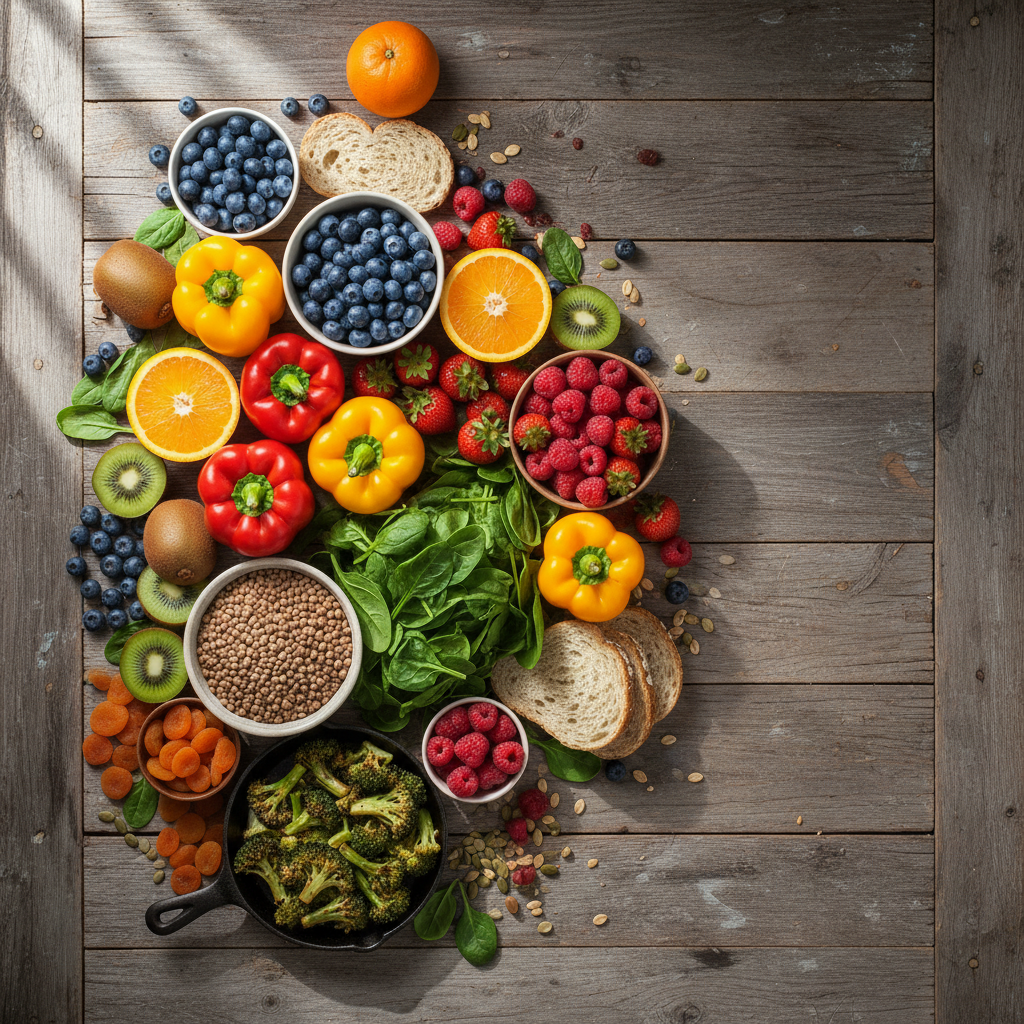
Vitamin C plays a pivotal role in enhancing the absorption of dietary iron, particularly non-heme iron found in plant-based foods. This essential nutrient facilitates the conversion of ferric iron (Fe3+) to ferrous iron (Fe2+) in the gut, a form that is more readily absorbed by the body. Understanding the synergistic relationship between vitamin C and iron absorption is crucial for individuals seeking to optimize their iron status, especially those on plant-rich diets or with increased iron needs. By integrating vitamin C-rich foods or supplements with iron sources, individuals can significantly improve their body's ability to utilize this vital mineral.
Understanding Iron: Heme vs. Non-Heme
Iron is an essential mineral vital for numerous bodily functions, including oxygen transport, energy production, and DNA synthesis. Dietary iron exists in two primary forms: heme iron and non-heme iron. Heme iron is found exclusively in animal products, such as red meat, poultry, and fish. It is highly bioavailable, meaning a significant portion of it is absorbed by the body, and its absorption is largely unaffected by other dietary components.
Non-heme iron, on the other hand, is found in both plant-based foods (like lentils, beans, spinach, and fortified cereals) and animal products. It constitutes the majority of dietary iron for many individuals, especially vegetarians and vegans. However, non-heme iron is less bioavailable than heme iron, and its absorption is highly influenced by various dietary factors, both enhancers and inhibitors. This variability in absorption makes non-heme iron a key focus for strategies aimed at improving iron status, and this is precisely where vitamin C demonstrates its profound impact.
The body's ability to absorb non-heme iron can range from as low as 2% to as high as 20%, depending on the meal composition and an individual's iron status. Factors like phytates (found in grains and legumes), tannins (in tea and coffee), and calcium can significantly reduce non-heme iron absorption. Conversely, certain compounds, most notably vitamin C, can dramatically enhance it. Understanding these distinctions is fundamental to appreciating the specific role vitamin C plays in the complex process of iron metabolism.
The Mechanism: How Vitamin C Enhances Iron Absorption
The primary mechanism by which vitamin C (ascorbic acid) enhances non-heme iron absorption involves its powerful reducing properties. In the stomach and small intestine, dietary non-heme iron typically exists in its ferric (Fe3+) state. This ferric form is relatively insoluble and poorly absorbed by the intestinal cells. Vitamin C acts as a potent reducing agent, converting ferric iron (Fe3+) into its more soluble and absorbable ferrous (Fe2+) state. This conversion is crucial because the intestinal cells have specific transporters, like the Divalent Metal Transporter 1 (DMT1), that are much more efficient at absorbing ferrous iron.
Beyond its reducing action, vitamin C also forms a soluble chelate with iron in the acidic environment of the stomach. This chelation prevents iron from binding to other dietary components, such as phytates and tannins, which would otherwise inhibit its absorption. By keeping iron in a soluble and reduced state, vitamin C ensures that it remains available for uptake by the intestinal lining, even in the presence of inhibitors. This protective effect is particularly important in plant-based meals, which often contain high levels of absorption-inhibiting compounds.
The effect of vitamin C is dose-dependent, meaning that increasing amounts of vitamin C consumed with an iron source can lead to a greater enhancement of absorption, up to a certain point. This synergistic relationship highlights why consuming vitamin C-rich foods or supplements alongside iron sources is a highly effective strategy for improving iron status, especially for those relying heavily on plant-based iron or those with increased iron needs. For more information on the various forms and benefits of vitamin C, you can explore our Vitamin C ingredient page.
Evidence Supporting Vitamin C's Role in Iron Absorption
The enhancing effect of vitamin C on iron absorption is well-established and supported by a substantial body of scientific evidence from both in vitro studies and human clinical trials. Numerous studies have consistently demonstrated that co-ingestion of vitamin C with non-heme iron sources can significantly increase iron bioavailability. For instance, research has shown that even modest amounts of vitamin C (e.g., 25-100 mg) can double or even triple the absorption of non-heme iron from a meal.
One notable area of research has focused on populations at higher risk of iron deficiency, such as vegetarians, vegans, and women of childbearing age. Studies in these groups have illustrated that incorporating vitamin C-rich foods or supplements with iron-containing meals can help maintain or improve iron status. For example, a study might observe that individuals consuming a plant-based diet supplemented with vitamin C show better iron markers compared to those on a similar diet without the added vitamin C.
While the evidence is robust for non-heme iron, it's important to note that vitamin C has little to no effect on the absorption of heme iron. This distinction underscores the targeted utility of vitamin C in dietary strategies, primarily benefiting those whose diets are rich in plant-based iron sources. The consistent findings across various studies and populations reinforce vitamin C's critical role as an iron absorption enhancer, making it a key nutritional consideration for preventing and managing iron deficiency.
Practical Strategies for Optimizing Vitamin C and Iron Intake
Optimizing vitamin C and iron intake involves strategic food pairing and, in some cases, thoughtful supplementation. The most effective approach is to consume vitamin C-rich foods alongside meals that contain non-heme iron. For example, pairing a spinach salad (iron) with citrus dressing (vitamin C), or having lentils (iron) with bell peppers (vitamin C) are excellent ways to naturally boost absorption. Other vitamin C powerhouses include strawberries, kiwi, broccoli, tomatoes, and potatoes.
When planning meals, consider combining plant-based iron sources like beans, fortified cereals, tofu, and dark leafy greens with a source of vitamin C. This can be as simple as adding a glass of orange juice to your breakfast cereal or including a side of steamed broccoli with your lentil soup. Even small amounts of vitamin C can make a significant difference. For example, a single orange or a serving of bell peppers can provide enough vitamin C to enhance iron absorption from an entire meal.
Conversely, it's also important to be mindful of dietary components that inhibit iron absorption. Phytates, found in whole grains, legumes, and nuts, and tannins, present in tea, coffee, and some wines, can reduce non-heme iron uptake. While these foods offer other health benefits and shouldn't be avoided, consuming them separately from iron-rich meals or pairing them with a strong vitamin C source can mitigate their inhibitory effects. For instance, drinking tea or coffee between meals rather than with them, or soaking and sprouting legumes to reduce phytate content, can be beneficial. To learn more about managing iron deficiency through diet and supplementation, consider exploring our Iron ingredient page.
Dosing and Forms of Vitamin C for Iron Absorption
When considering vitamin C for enhanced iron absorption, both dietary intake and supplementation play a role. For most healthy individuals consuming a balanced diet, obtaining sufficient vitamin C through food alone is often enough to support optimal iron absorption. The recommended daily allowance (RDA) for vitamin C is 90 mg for adult men and 75 mg for adult women, with higher recommendations for smokers. Consuming foods rich in vitamin C at these levels, especially with iron-containing meals, is generally effective.
However, for individuals with diagnosed iron deficiency, vegetarians, vegans, or those with specific dietary restrictions, supplementation may be a more consistent way to ensure adequate vitamin C intake alongside iron. Studies suggest that doses of vitamin C ranging from 25 mg to 100 mg per meal are sufficient to significantly enhance non-heme iron absorption. Higher doses, such as 200 mg or more, may offer further benefits, but the incremental increase in absorption tends to diminish beyond a certain point. It's generally not necessary to take megadoses of vitamin C solely for iron absorption.
Vitamin C supplements are widely available in various forms, including ascorbic acid, sodium ascorbate, calcium ascorbate, and other mineral ascorbates. Ascorbic acid is the most common and well-studied form and is highly effective. Mineral ascorbates are buffered forms that may be gentler on the stomach for some individuals. The key is to take the vitamin C supplement concurrently with the iron source, whether it's an iron supplement or an iron-rich meal, to maximize its synergistic effect. Always follow product instructions and consult a healthcare professional for personalized dosing advice.
Safety Considerations and Potential Interactions
While vitamin C is generally safe and well-tolerated, especially from food sources, there are safety considerations to keep in mind, particularly with high-dose supplementation. The tolerable upper intake level (UL) for vitamin C in adults is 2,000 mg per day. Exceeding this limit can lead to gastrointestinal disturbances such as diarrhea, nausea, and abdominal cramps. These symptoms are typically mild and resolve upon reducing the dose.
A more significant concern regarding vitamin C and iron absorption arises for individuals with specific genetic conditions, such as hemochromatosis. Hemochromatosis is a disorder characterized by excessive iron accumulation in the body, which can lead to organ damage. In these individuals, the enhanced iron absorption facilitated by vitamin C can exacerbate iron overload. Therefore, individuals with hemochromatosis or other conditions that predispose them to iron overload should exercise caution with vitamin C supplementation and consult their doctor before increasing their intake.
Vitamin C can also interact with certain medications. For example, it may interfere with the effectiveness of some anticoagulant medications (blood thinners) or chemotherapy drugs, though robust evidence for clinically significant interactions is often limited. It's always prudent to inform your healthcare provider about all supplements you are taking, especially before starting new ones, to avoid potential adverse effects or interactions. For the vast majority of healthy individuals, consuming vitamin C within recommended limits, whether from food or supplements, is a safe and effective strategy to support iron absorption.
When to Consult a Clinician About Iron and Vitamin C
While understanding the role of vitamin C in iron absorption can empower individuals to make informed dietary choices, there are specific circumstances when consulting a healthcare clinician is essential. If you suspect you have iron deficiency or iron deficiency anemia, it is crucial to seek professional medical advice. Symptoms such as fatigue, weakness, pale skin, shortness of breath, and restless legs can indicate low iron levels, but a proper diagnosis requires blood tests performed by a doctor.
Self-diagnosing and self-treating iron deficiency with high-dose iron supplements, even with vitamin C, can be risky. Iron overload, as seen in conditions like hemochromatosis, can be detrimental to health and may not present with obvious symptoms until significant damage has occurred. A clinician can accurately assess your iron status, determine the underlying cause of any deficiency, and recommend an appropriate treatment plan, which may include specific iron supplements, dietary modifications, and vitamin C recommendations.
Furthermore, if you are taking any prescription medications, have a chronic health condition, or are pregnant or breastfeeding, discussing any significant changes to your diet or supplement regimen with your doctor is highly advisable. They can provide personalized guidance, monitor your health, and ensure that your approach to optimizing iron and vitamin C intake is safe and effective for your individual needs. Always prioritize professional medical advice for health concerns related to nutrient deficiencies or supplementation.