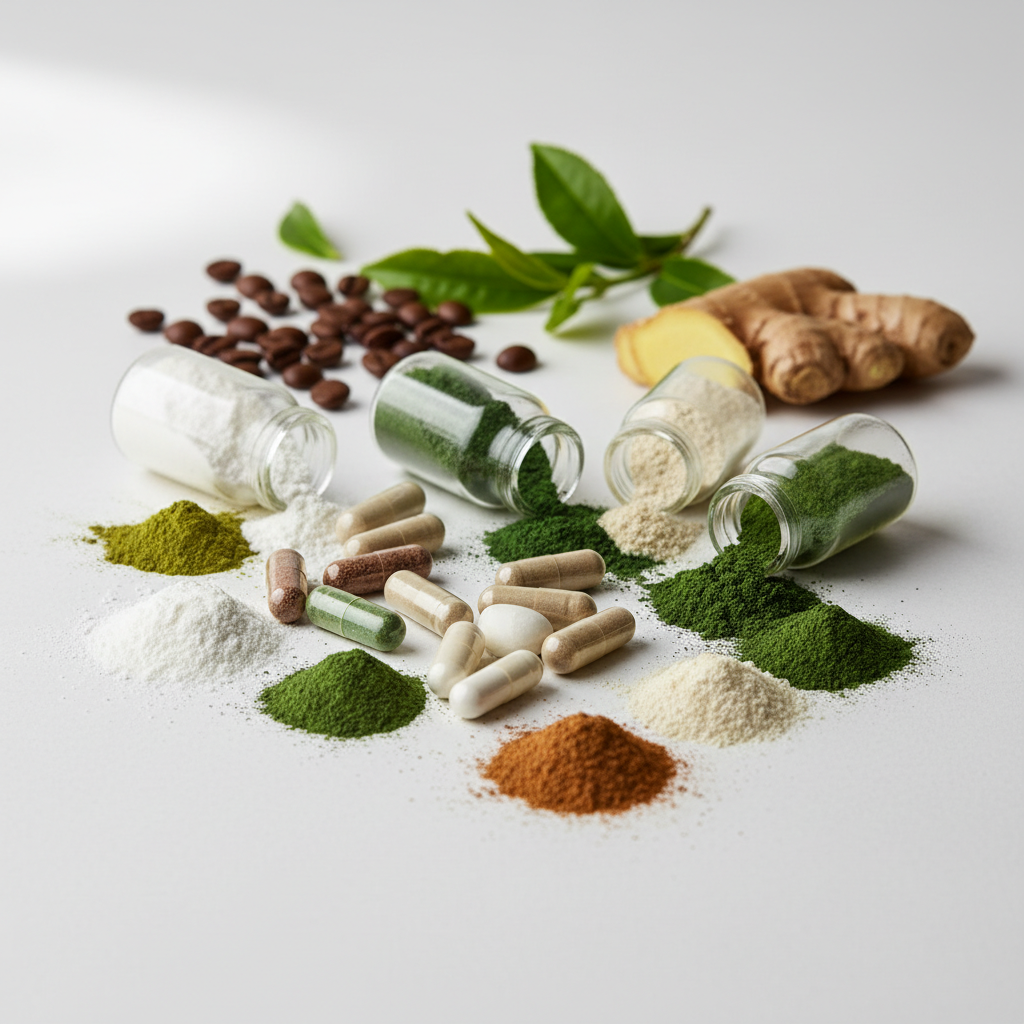
The quest for effective weight loss solutions often leads individuals to dietary supplements. While the market is flooded with products promising rapid and effortless results, the scientific evidence supporting these claims varies dramatically. This article delves into the current scientific understanding of popular weight loss supplements, examining their proposed mechanisms of action, the strength of the evidence for their efficacy, and important safety considerations. It is crucial to approach weight loss supplements with a critical eye, understanding that no supplement can replace the fundamental principles of a balanced diet and regular physical activity for sustainable weight management.
Understanding Weight Loss Supplements: What Are They?
Weight loss supplements encompass a broad category of products designed to aid in reducing body weight or fat mass. They come in various forms, including pills, powders, liquids, and bars, and often contain a blend of ingredients such as herbs, fibers, minerals, and stimulants. These products are typically marketed to enhance metabolism, reduce appetite, block fat or carbohydrate absorption, or increase fat burning. Unlike pharmaceutical drugs, dietary supplements are not subject to the same rigorous testing and approval process by regulatory bodies before they are sold, meaning their efficacy and safety are not always thoroughly vetted.
Mechanisms of Action: How Supplements Claim to Work
Weight loss supplements operate through several proposed mechanisms, often targeting multiple pathways simultaneously. Understanding these mechanisms helps in evaluating the plausibility of their claims.
Appetite Suppression
Many supplements aim to reduce hunger and increase feelings of fullness, leading to a lower caloric intake. Ingredients like fibers (e.g., glucomannan) expand in the stomach, creating a sense of satiety. Others may influence brain chemicals involved in appetite regulation.
Fat Absorption Blockers
Some supplements claim to interfere with the body's ability to absorb dietary fat. Chitosan, for example, is proposed to bind to fat in the digestive tract, preventing its absorption and leading to its excretion. However, the efficacy of such products is often limited in human trials.
Metabolism Boosters/Thermogenics
These supplements aim to increase the body's metabolic rate, leading to a greater expenditure of calories at rest and during activity. Stimulants like caffeine and synephrine are common ingredients in this category, believed to increase thermogenesis (heat production) and energy expenditure.
Fat Mobilization/Oxidation Enhancers
Certain ingredients are thought to promote the breakdown of stored fat (mobilization) and its subsequent use for energy (oxidation). L-carnitine, for instance, plays a role in transporting fatty acids into mitochondria for energy production, though supplementing with it doesn't always translate to increased fat burning for weight loss.
Evidence-Based Review of Popular Weight Loss Ingredients
Here, we examine some of the most commonly found ingredients in weight loss supplements and the scientific evidence for their effectiveness.
Caffeine
Mechanism: Caffeine is a stimulant that can increase metabolism, enhance fat oxidation, and suppress appetite. It acts on the central nervous system, increasing alertness and energy expenditure. It also promotes the release of neurotransmitters like norepinephrine, which can stimulate thermogenesis.
Evidence: Numerous studies suggest that caffeine can modestly increase metabolism and fat burning, particularly during exercise. However, the effects on overall weight loss are generally small and often short-lived as the body can develop a tolerance. A meta-analysis of studies found that caffeine intake was associated with a small reduction in body weight, BMI, and body fat, but these effects were not always clinically significant.
Green Tea Extract (EGCG)
Mechanism: Green tea extract, particularly its active compound epigallocatechin gallate (EGCG), is believed to boost metabolism and fat oxidation, especially when combined with caffeine. EGCG is thought to inhibit an enzyme that breaks down norepinephrine, thereby prolonging its thermogenic effects.
Evidence: Research on green tea extract for weight loss is mixed. Some studies show a small but statistically significant increase in fat oxidation and energy expenditure, particularly in individuals who are not regular caffeine consumers. However, other studies have found no significant effect on weight loss. The impact appears to be modest at best and more pronounced in certain populations or when combined with other stimulants.
Glucomannan
Mechanism: Glucomannan is a soluble dietary fiber derived from the konjac plant. When consumed with water, it absorbs liquid and expands in the stomach, creating a feeling of fullness and delaying gastric emptying. This can lead to reduced food intake and caloric absorption.
Evidence: Several randomized controlled trials have investigated glucomannan for weight loss. Some studies have reported modest weight reduction over several weeks, particularly when combined with a calorie-restricted diet. The effect is generally small, typically a few pounds over several months. It also has benefits for digestive health and blood sugar control.
Conjugated Linoleic Acid (CLA)
Mechanism: CLA is a type of fatty acid found naturally in meat and dairy products. It is hypothesized to reduce body fat by increasing fat breakdown, decreasing fat formation, and inducing fat cell death. It may also influence energy metabolism and immune function.
Evidence: Human studies on CLA for weight loss have yielded inconsistent results. While some small trials suggest a modest reduction in body fat mass and an increase in lean body mass, particularly over long periods (6-12 months), many larger, more robust studies have found no significant effect on overall weight or body composition. The effects, if any, are typically very small and not clinically meaningful for most individuals.
Garcinia Cambogia (Hydroxycitric Acid - HCA)
Mechanism: Garcinia cambogia is a tropical fruit containing hydroxycitric acid (HCA), which is proposed to inhibit an enzyme called ATP citrate lyase, involved in fat synthesis. It is also thought to increase serotonin levels in the brain, potentially leading to reduced appetite.
Evidence: Despite its popularity, the scientific evidence for garcinia cambogia as an effective weight loss supplement is weak and inconsistent. Many studies have shown no significant difference in weight loss compared to placebo. While some small, short-term studies reported minor benefits, larger and more rigorous trials have largely failed to replicate these findings. Potential side effects include digestive discomfort and headaches.
Raspberry Ketones
Mechanism: Raspberry ketones are natural phenolic compounds found in red raspberries. They gained popularity after being promoted as a 'miracle fat-burner.' In vitro and animal studies suggested they might increase fat breakdown and metabolism by influencing adiponectin, a hormone involved in glucose regulation and fatty acid oxidation.
Evidence: There is currently no robust human evidence to support the claim that raspberry ketones cause significant weight loss. The studies that showed positive effects were conducted in test tubes or on rodents, often using extremely high doses that are not achievable or safe in humans. Any claims of efficacy in humans are largely anecdotal or based on products containing raspberry ketones combined with other ingredients.
Yohimbe
Mechanism: Yohimbe is derived from the bark of an African tree and contains yohimbine, an alpha-2 adrenergic receptor antagonist. It is believed to increase the release of norepinephrine, potentially leading to increased fat breakdown, especially in 'stubborn' fat areas.
Evidence: Some preliminary research, primarily in athletes, suggests yohimbine might have a modest effect on fat loss. However, it is also associated with significant safety concerns, including increased blood pressure, heart rate, anxiety, and gastrointestinal distress. It can interact dangerously with various medications and is often banned in sports supplements due to its stimulant properties and potential for adverse effects.
Synephrine
Mechanism: Synephrine, found in bitter orange (Citrus aurantium), is chemically similar to ephedrine, a stimulant previously used in weight loss products but banned due to safety concerns. It is believed to increase metabolism and fat oxidation by stimulating adrenergic receptors, though less potently than ephedrine.
Evidence: Studies on synephrine for weight loss show modest increases in energy expenditure and fat oxidation, particularly when combined with other ingredients like caffeine. However, concerns exist regarding its safety, especially for individuals with cardiovascular conditions. It can increase heart rate and blood pressure, and its use with other stimulants is particularly risky.
Dosing and Administration Considerations
For supplements that show some evidence of efficacy, proper dosing is crucial. Always follow the manufacturer's recommended dosage on the product label. Starting with a lower dose to assess tolerance is often advisable. Many supplements, particularly those containing fiber like glucomannan, require adequate water intake to prevent choking or gastrointestinal discomfort. For stimulant-based supplements, avoiding consumption late in the day can prevent sleep disturbances.
Safety, Side Effects, and Interactions
The safety profile of weight loss supplements varies widely depending on the ingredients. Since they are not strictly regulated, products may contain undisclosed ingredients, contaminants, or dosages that differ from what is stated on the label. Common side effects for stimulant-based supplements include jitters, anxiety, insomnia, increased heart rate, and elevated blood pressure. Fiber-based supplements can cause bloating, gas, and constipation if not taken with enough water.
It is critical to be aware of potential interactions with prescription medications. For example, stimulants can interact with blood pressure medications, antidepressants, and blood thinners. Individuals with pre-existing health conditions, such as heart disease, high blood pressure, diabetes, or thyroid disorders, are particularly vulnerable to adverse effects.
When to Consult a Clinician
Given the potential risks and limited efficacy of many weight loss supplements, it is always recommended to consult a healthcare professional before starting any new supplement regimen. This is especially important if you:
- Have any pre-existing medical conditions (e.g., heart disease, diabetes, high blood pressure, kidney disease).
- Are taking any prescription or over-the-counter medications, as interactions can be serious.
- Are pregnant, breastfeeding, or planning to become pregnant.
- Are considering giving supplements to a child or adolescent.
- Experience any adverse side effects after taking a supplement.
A doctor or registered dietitian can provide personalized advice, assess your individual health needs, and help you determine the safest and most effective strategies for weight management, prioritizing evidence-based approaches like diet and exercise.